
Lee Corso age has become a frequent search topic as fans wonder about the legendary ESPN College GameDay analyst’s remarkable journey through college football.
At 89 years old, Lee Corso remains one of the most recognizable faces in sports broadcasting, known for his energetic personality, iconic headgear picks, and decades-long contribution to college football culture.
Table of Contents
Quick Facts About Lee Corso
| Category | Details |
|---|---|
| Full Name | Leland “Lee” Corso |
| Date of Birth | August 7, 1935 |
| Lee Corso Age | 89 years old (as of 2025) |
| Birthplace | Lake Mary, Florida, USA |
| Nationality | American |
| Height | 5’9″ (175 cm) |
| Spouse | Betsy Corso (married 1957) |
| Children | 4 (Michael, Steven, Nicole, Nathan) |
| Education | Florida State University |
| Position Played | Quarterback |
| Coaching Career | 1958-1982 |
| Broadcasting Career | 1987-present |
| Net Worth 2025 | Estimated $12 million |
| Famous For | ESPN College GameDay analyst |
| Signature Move | Headgear prediction picks |
| Current Status | Semi-retired from GameDay |
Who is Lee Corso?
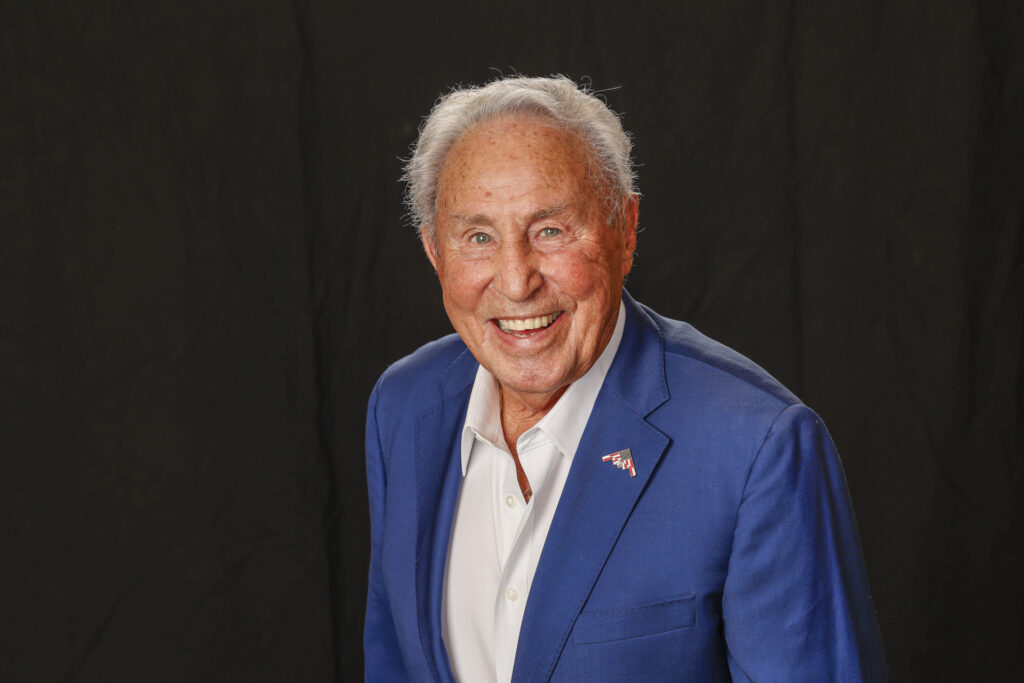
Lee Corso is a legendary college football analyst, former coach, and player who has become synonymous with ESPN’s College GameDay. Born in Lake Mary, Florida, Corso played quarterback at Florida State University before transitioning into coaching and eventually broadcasting.
His charismatic personality, passionate enthusiasm for college football, and famous mascot headgear tradition have made him an irreplaceable icon in sports media.
Throughout his career spanning over six decades in football, Corso has worn many hats—literally and figuratively. From coaching at major universities to entertaining millions of viewers every Saturday morning, his impact on college football culture cannot be overstated. He is widely regarded as one of the most influential personalities in sports broadcasting history.
Lee Corso Age and Early Life
Lee Corso was born on August 7, 1935, making Lee Corso age 89 years old in 2025. Growing up in Lake Mary, Florida, during the Great Depression era, Corso developed a passion for football at a young age. His parents, both immigrants—his father from Italy and his mother from France—instilled strong work ethics and family values that would guide him throughout his life.
During his childhood in Central Florida, Corso faced economic hardships but found solace and purpose in athletics. He attended Miami Jackson High School, where he excelled as a multi-sport athlete. His natural leadership abilities and competitive spirit emerged early, setting the foundation for his future success in football.
The post-World War II era shaped Corso’s formative years, exposing him to the growing popularity of college football in the American South. This environment cultivated his deep appreciation for the sport’s traditions, rivalries, and community impact—elements that would later define his broadcasting style.
Corso’s Italian-American heritage played a significant role in his upbringing. His family emphasized education, hard work, and maintaining strong relationships, values that Corso carried into his coaching philosophy and personal life. These early experiences in Florida’s emerging football culture planted the seeds for what would become a legendary career.
Lee Corso Career Beginnings
Lee Corso’s football journey began at Florida State University, where he played quarterback for the Seminoles from 1953 to 1956. During his college career, Corso demonstrated exceptional leadership on the field, though he never achieved superstar status as a player. He served as team captain and earned respect for his football intelligence and determination.
At Florida State, Corso played under coach Tom Nugent, learning offensive schemes and team management that would influence his coaching career. He graduated with a degree in physical education, setting his sights on remaining in football through coaching. His playing experience gave him invaluable insights into the quarterback position and offensive strategy.
After graduation, Corso briefly pursued a professional playing career but quickly realized his future lay in coaching rather than playing. His modest physical attributes and realistic self-assessment led him to embrace coaching as his calling. This transition marked the beginning of a coaching career that would span 24 years across multiple universities.
Corso’s early career also included military service, which further developed his leadership skills and discipline. The structure and teamwork required in military life complemented his football background, preparing him for the demanding world of college coaching. These foundational years established the work ethic and people skills that would define his success.
Coaching Career

Lee Corso’s coaching career officially began in 1958 as an assistant coach at the University of Maryland. Over the next two decades, he worked his way up through various assistant coaching positions, learning from established coaches and developing his own philosophy. His journey through the coaching ranks demonstrated persistence and adaptability.
Assistant Coaching Years (1958-1972)
Corso served as an assistant coach at multiple institutions, including the U.S. Naval Academy, Florida State, and the University of Iowa. These positions allowed him to specialize in quarterbacks and offensive coordination. His reputation as an excellent recruiter and motivator grew steadily during this period.
At Navy, Corso worked under Wayne Hardin, contributing to successful seasons in the early 1960s. His time at Florida State reunited him with his alma mater, where he helped recruit and develop talent. Each stop in his assistant coaching career added new dimensions to his coaching expertise and network within college football.
Head Coaching Career
Corso’s head coaching career included three major stops:
University of Louisville (1969-1972): Corso’s first head coaching position came at Louisville, where he compiled a 28-11-3 record.
He quickly turned around a struggling program, leading the Cardinals to three consecutive winning seasons. His success at Louisville established him as a rising star in college coaching.
Indiana University (1973-1982): Corso’s longest and most notable head coaching tenure came at Indiana, where he faced the challenge of building a competitive program in the Big Ten Conference.
He posted a 41-68-2 record over 10 seasons. While the overall record appears modest, Corso led Indiana to two bowl appearances—the 1979 Holiday Bowl and 1986 Peach Bowl—rare achievements for the historically struggling program.
At Indiana, Corso became known for his innovative recruiting, energetic personality, and ability to connect with players. He brought national attention to a program that had long operated in obscurity. His 1979 team finished 8-4, marking one of the best seasons in Indiana football history.
Despite the challenging circumstances and limited resources compared to Big Ten powerhouses, Corso left a lasting impact on Indiana football.
Northern Illinois University (1984): Corso’s final head coaching position came at Northern Illinois, where he served for one season, posting a 2-9 record. Financial difficulties and health considerations led him to step away from coaching after this season.
Throughout his coaching career, Corso accumulated an overall record of 73-85-6. While his win-loss record was modest, his impact extended beyond statistics. He was respected for his recruiting abilities, player development, and bringing energy and attention to mid-tier programs.
Broadcasting Career
Lee Corso’s transition from coaching to broadcasting in 1987 transformed him from a respected coach into a cultural icon. After leaving coaching, Corso joined ESPN as a college football analyst, beginning a broadcasting career that would span nearly four decades and redefine sports commentary.
Early Broadcasting Years (1987-1990)
Corso initially worked as a studio analyst for ESPN’s college football coverage. His coaching experience provided credibility, while his natural charisma and humor made him immediately popular with viewers.
Unlike many former coaches who struggled to adapt to television, Corso embraced the entertainment aspect of broadcasting.
His ability to break down game strategy in accessible terms while maintaining an energetic delivery style distinguished him from other analysts. ESPN executives quickly recognized that Corso possessed a rare combination of football knowledge and television personality that could drive ratings.
College GameDay Era (1987-Present)
In 1987, ESPN launched College GameDay, a traveling pre-game show that would revolutionize college football coverage. Lee Corso was an original cast member alongside Chris Fowler and later joined by Kirk Herbstreit in 1996. The show’s format—traveling to major college football venues each week—perfectly suited Corso’s enthusiastic personality.
Corso’s most iconic contribution to College GameDay is his headgear tradition, which began in 1996. During the show’s final segment, Corso makes his pick for the featured game by putting on the mascot headgear of his chosen team while shouting “Not so fast, my friend!”—his signature catchphrase.
This moment has become the show’s climactic highlight and one of the most anticipated moments in weekly sports programming.
The headgear picks have created countless memorable moments:
- Wearing elaborate costumes and mascot heads
- Physical comedy and stunts with mascots
- Unexpected picks that shock fans and analysts
- Emotional moments at schools he coached or played for
- Celebrity guest appearances during the segment
Broadcasting Style and Impact
Corso’s broadcasting approach combines several elements:
- Enthusiasm: His genuine love for college football radiates through the screen. Even at 89 years old, Corso brings infectious energy that engages viewers.
- Humor: Self-deprecating jokes, funny anecdotes, and playful banter with co-hosts create entertainment value beyond game analysis.
- Accessibility: Corso explains complex football concepts in language casual fans understand, making the sport more approachable.
- Authenticity: His reactions—whether excited, disappointed, or surprised—feel genuine rather than manufactured for television.
- Tradition: Corso embodies college football’s traditions, rivalries, and pageantry, connecting with fans’ emotional attachment to the sport.
Awards and Recognition
Corso’s broadcasting excellence has earned multiple honors:
- Named to the Sports Broadcasting Hall of Fame
- Received an Emmy Award for his broadcasting work
- Inducted into multiple college football halls of fame
- Honored by numerous universities for his contributions to the sport
His longevity on College GameDay—over 35 years—represents one of the longest tenures in sports broadcasting history. He has become as much a part of Saturday morning college football rituals as tailgating and marching bands.
Reduced Role (2023-Present)
In recent years, particularly following his 2023 stroke, Corso has reduced his College GameDay appearances. He now appears at select high-profile games rather than traveling weekly. ESPN has adjusted the show’s format to accommodate his limited schedule while ensuring his continued presence when possible.
Despite his reduced role, Corso’s appearances remain special events. When he does appear, the show dedicates significant time to his presence, recognizing that fans tune in specifically to see him. His iconic status means even limited appearances generate substantial attention and emotional responses from viewers.
Lee Corso Net Worth 2025

Lee Corso’s net worth in 2025 is estimated at approximately $12 million. This wealth accumulation results from his long career in college football, including coaching salaries, broadcasting income, endorsements, and investments. His financial success reflects both his longevity in sports media and his status as one of ESPN’s most recognizable personalities.
Income Sources
- ESPN Salary: As a long-time College GameDay analyst, Corso has commanded substantial salaries. While exact figures remain private, industry estimates suggest he earned between $2-3 million annually during his peak years. His current reduced schedule likely involves a modified compensation structure, though he remains one of the higher-paid college football analysts.
- Coaching Salaries: During his 24-year coaching career, Corso earned competitive salaries for his era. Head coaching positions at Louisville, Indiana, and Northern Illinois provided solid income, though coaching salaries in the 1970s and 1980s were significantly lower than today’s standards.
- Endorsements and Appearances: Corso’s popularity has generated endorsement opportunities and paid speaking engagements. His recognizable face and catchphrases make him valuable for brands targeting college football audiences.
- Book Royalties: Corso authored his autobiography, providing additional income through book sales and related publicity tours.
- Investments: Over decades in high-earning positions, Corso has made real estate investments and other financial decisions that have grown his wealth.
Financial Comparison
Compared to contemporary sports broadcasters, Corso’s $12 million net worth is substantial but not extraordinary. Modern analysts like Tony Romo (estimated $70 million net worth) or Troy Aikman (estimated $65 million net worth) have accumulated greater wealth, partly due to higher NFL broadcasting salaries and different career paths.
However, Corso’s wealth is impressive considering:
- College football broadcasting traditionally pays less than NFL coverage
- His coaching career occurred during an era of modest salaries
- He has maintained financial stability through 89 years of life
- His earnings have supported a large family for decades
Financial Legacy
Beyond personal wealth, Corso has contributed to various charitable causes and established scholarship funds. His financial success has enabled him to give back to communities and universities that shaped his career, particularly Indiana University and Florida State.
Personal Life and Family
Lee Corso’s personal life centers on his long marriage and large family. Unlike many celebrities who prioritize public attention, Corso has maintained relative privacy regarding his home life, though he occasionally shares family stories during broadcasts.
Family Values
Corso’s Italian-American heritage emphasized family bonds, hard work, and loyalty. These values influenced how he approached coaching, treating players like extended family members. His coaching philosophy often incorporated family metaphors and emphasized team unity through familial bonds.
Throughout his career, Corso balanced demanding professional schedules with family commitments. Coaching and broadcasting required extensive travel, but he prioritized family time when possible. His children have occasionally appeared in media coverage, though they generally maintain private lives away from public attention.
Residence and Lifestyle
Corso has primarily resided in Florida, maintaining connections to his birthplace. His lifestyle reflects traditional values rather than extravagant celebrity culture. He is known for being approachable, gracious with fans, and maintaining long-term friendships from throughout his career.
In retirement years, Corso has enjoyed more time with family, particularly grandchildren. His reduced GameDay schedule allows extended periods at home, a welcome change after decades of constant travel during football seasons.
Lee Corso Wife and Marriage
Lee Corso married Betsy Corso (née Youngblood) in 1957, beginning a marriage that has lasted nearly 68 years. Betsy has been a constant presence throughout Lee’s coaching and broadcasting career, providing stability and support through numerous relocations and career transitions.
Meeting and Marriage
Lee and Betsy met during his college years at Florida State University. Their relationship blossomed during the 1950s, a period when college culture emphasized traditional courtship and early marriage. They married shortly after Lee’s graduation, embarking on a journey that would take them across the country.
Betsy adapted to the demanding lifestyle of a coach’s wife, managing household responsibilities and raising children while Lee worked long hours. During his coaching years, she handled frequent relocations, supporting Lee’s career advancement even when it required uprooting the family.
Marriage Longevity
The Corsos’ 68-year marriage represents remarkable longevity, especially given the high divorce rates among coaches and celebrities. Several factors contribute to their lasting relationship:
- Shared Values: Both prioritize family, faith, and traditional values that have anchored their relationship.
- Complementary Roles: Betsy provided home stability while Lee focused on career demands, a traditional division that worked for their generation.
- Adaptability: Both demonstrated flexibility when facing career changes, relocations, and life challenges.
- Private Life: Unlike many celebrity couples, the Corsos have kept their relationship largely private, avoiding public drama.
- Mutual Support: Betsy supported Lee’s career transitions, while Lee prioritized family despite professional demands.
Betsy Corso’s Role
Though less publicly visible than her husband, Betsy has been instrumental in Lee’s success. She managed household logistics during coaching years, allowing Lee to focus on team responsibilities. She attended games, hosted team events, and built relationships with other coaches’ families, contributing to Lee’s professional network.
During Lee’s broadcasting career, Betsy has accompanied him to select events while maintaining their home life. She has been particularly important during Lee’s health challenges, providing care and support during recovery periods.
Children and Family
The Corsos raised four children: Michael, Steven, Nicole, and Nathan. All four children have pursued successful careers outside of sports media, maintaining relative privacy despite their father’s fame. The family includes numerous grandchildren, whom Lee frequently mentions with affection during broadcasts.
Lee’s role as father and grandfather has humanized his public persona. He occasionally shares heartwarming family stories on GameDay, revealing the personal side behind his entertaining broadcaster character. These glimpses into his family life have endeared him further to audiences.
Health Issues and Stroke Recovery
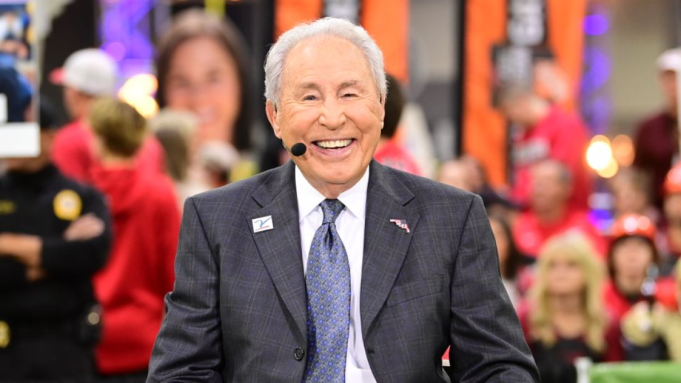
Lee Corso has faced significant health challenges in recent years, most notably suffering a stroke in 2023. His health journey has been followed closely by fans concerned about the beloved broadcaster, while also demonstrating his resilience and determination.
2023 Stroke
In May 2023, Corso suffered a stroke that raised serious concerns about his future with College GameDay. The stroke affected his speech and mobility, requiring immediate medical intervention and extensive rehabilitation. ESPN and Corso’s family initially withheld specific details, respecting privacy while acknowledging the serious nature of his condition.
The stroke occurred during the off-season, providing crucial recovery time before the 2023 college football season. Medical professionals worked with Corso on speech therapy, physical therapy, and overall rehabilitation. His age—88 at the time—complicated recovery, as elderly stroke patients typically face longer and more challenging rehabilitation processes.
Recovery Process
Corso’s recovery has been gradual and ongoing. He demonstrated remarkable determination during rehabilitation, motivated by his desire to return to College GameDay. His medical team developed a comprehensive recovery plan addressing:
- Speech Therapy: Stroke-related speech difficulties required intensive therapy to restore communication abilities. Corso worked with specialists to regain articulation and verbal fluency necessary for broadcasting.
- Physical Therapy: Mobility challenges necessitated physical rehabilitation to restore balance, coordination, and strength.
- Cognitive Therapy: Ensuring mental sharpness remained crucial for his analytical broadcasting role.
- Gradual Return: Rather than immediately resuming full duties, Corso’s return was carefully managed, appearing at select games to avoid over-exertion.
Previous Health Concerns
The 2023 stroke was not Corso’s first health scare. He has dealt with various age-related health issues over the past decade:
- Balance and mobility challenges that occasionally affected his on-air presence
- Stamina limitations requiring reduced travel schedules
- General aging effects that impact physical capabilities
Despite these challenges, Corso has consistently demonstrated resilience, refusing to let health issues permanently sideline him from the sport he loves.
Impact on Broadcasting Career
Corso’s health challenges have necessitated significant adjustments to his College GameDay role:
- Reduced Appearances: Instead of traveling weekly throughout the season, Corso now appears at select marquee games, typically 3-5 appearances per season.
- Modified Duties: His segments are shorter and less physically demanding, with accommodations for his health needs.
- Support System: ESPN provides additional support staff to assist with his appearances and ensure his comfort and safety.
- Flexible Schedule: His appearance schedule remains flexible, adjusting based on his health status and medical recommendations.
Fan Support and Concern
The college football community has overwhelmingly supported Corso during his health challenges. Fans express concern and affection through social media, particularly during his GameDay appearances. His visible struggles with health issues have humanized him further, deepening emotional connections with audiences.
Many fans have acknowledged that Corso’s limited appearances make them more special and meaningful. Rather than diminishing his legacy, his determination to continue despite health challenges has enhanced admiration for his dedication to college football.
Future Outlook
At 89 years old with ongoing health challenges, questions about Corso’s long-term future with GameDay persist. However, as long as he desires to participate and his health permits, ESPN has committed to including him in the show. His legacy is secure regardless of when he ultimately steps away completely, and the network recognizes the value of his continued presence, however limited.
Retirement from College GameDay
Lee Corso’s relationship with College GameDay has evolved from full-time analyst to selective appearances, representing a gradual retirement process rather than an abrupt departure. This transition reflects both his health realities and ESPN’s desire to honor his legacy while adapting to changing circumstances.
Gradual Transition (2020-Present)
Corso’s reduced role began subtly around 2020, as age and health considerations prompted ESPN to manage his schedule more carefully. The COVID-19 pandemic temporarily altered GameDay’s format, providing a natural opportunity to adjust his participation. Following the pandemic, Corso’s appearances became increasingly selective.
The 2023 stroke accelerated this transition. During the 2023 season, Corso made only a handful of appearances, primarily at major rivalry games and championship events. His presence became an event unto itself, with fans celebrating his appearances as special occasions.
Current Status (2024-2025)
As of the 2024 and 2025 seasons, Corso maintains a semi-retired status. He is not listed as a regular weekly analyst but appears at select games throughout the season. ESPN promotes these appearances in advance, generating anticipation and ensuring strong viewership for those episodes.
His typical 2024-2025 season includes approximately 3-6 appearances, focusing on:
- Rivalry games (Ohio State vs. Michigan, Alabama vs. Auburn, etc.)
- Conference championship games
- College Football Playoff games
- Games at locations with personal significance to Corso
Replacement Strategy
ESPN has not directly “replaced” Corso, instead evolving GameDay’s format to function with rotating analysts and guests. Pat McAfee joined as a full-time analyst in 2022, bringing energy and personality that complements Kirk Herbstreit and Desmond Howard. The show now features:
- Kirk Herbstreit (primary analyst)
- Desmond Howard (analyst and headgear picker in Corso’s absence)
- Pat McAfee (entertainment and analysis)
- Rotating celebrity guests
- Lee Corso (special appearances)
This structure allows GameDay to continue without Corso while preserving space for his contributions when health permits.
Emotional Impact
Corso’s gradual retirement has been emotionally charged for long-time fans. Many viewers grew up watching him every Saturday morning, making his reduced presence a reminder of time’s passage. His occasional appearances carry heightened emotional weight, often featuring tributes and nostalgic reflections.
Corso himself has expressed mixed emotions about stepping back. He clearly loves College GameDay and would prefer to continue regular appearances, but recognizes his health limitations. His pride and competitive nature make accepting reduced capacity difficult, yet he handles this transition with grace and humor.
No Official Retirement Announcement
Notably, ESPN and Corso have not made an official retirement announcement. This approach allows flexibility—if his health improves, he could increase appearances; if it deteriorates, he can gracefully fade from the show without a formal farewell. This strategy also maintains hope for fans who enjoy his presence.
When Corso does eventually retire completely, ESPN will undoubtedly plan a significant tribute befitting his legendary status. The network understands that his final appearance will be a major event requiring appropriate ceremony and recognition.
Legacy Preservation
Even in semi-retirement, Corso’s legacy remains central to College GameDay’s identity. The show frequently features highlights of classic Corso moments, references to his catchphrases, and discussions of his impact. New analysts pay homage to his contributions, ensuring younger viewers understand his historical significance.
ESPN has also created archival content celebrating Corso’s career, producing documentaries and special features that preserve his legacy for future generations. These efforts ensure that even as he steps away, his influence on college football broadcasting endures.
Awards and Achievements
Lee Corso’s decorated career has earned numerous awards and recognition, honoring both his coaching contributions and broadcasting excellence. These accolades reflect his multifaceted impact on college football across different roles.
Broadcasting Awards
- Emmy Award: Corso received an Emmy Award for Outstanding Studio Show, recognizing College GameDay’s excellence and his contributions to its success.
- Sports Broadcasting Hall of Fame (2017): One of broadcasting’s highest honors, this induction recognized Corso’s revolutionary impact on sports television and his decades of entertaining and informing audiences.
- National Sports Media Association Awards: Multiple awards from sports media organizations recognizing his broadcasting excellence and career longevity.
College Football Honors
- Indiana University Hall of Fame: Despite his mixed win-loss record, Indiana honored Corso for bringing unprecedented attention and success to their program. His 1979 team’s achievements remain landmarks in Indiana football history.
- Florida State University Hall of Fame: His alma mater inducted Corso for his playing career and subsequent contributions to Seminoles football.
- College Football Hall of Fame: While not inducted as a coach or player, Corso has been honored by various college football hall of fame organizations for his overall contributions to the sport.
University Recognition
Multiple universities have honored Corso through:
- Honorary degrees from universities where he coached
- Named scholarships in his honor
- Stadium or facility dedications
- Distinguished alumni awards
Media Recognition
- “Not So Fast, My Friend” Trademark: Corso’s catchphrase has become so iconic that it’s recognized as intellectual property, appearing on merchandise and entering popular culture lexicon.
- Cultural Impact Awards: Various organizations have recognized Corso’s influence on American sports culture, acknowledging how he transformed college football viewing into entertainment spectacle.
Charitable Recognition
Corso has received awards for philanthropic efforts, particularly:
- Scholarship fund contributions at multiple universities
- Youth football program support
- College football advocacy and promotion
Lifetime Achievement Honors
Numerous lifetime achievement awards from:
- Sports journalism organizations
- Broadcasting associations
- College football conferences
- University athletic departments
These honors recognize that Corso’s impact extends beyond statistics or individual achievements, encompassing his role in shaping college football culture and sports broadcasting.
Legacy and Impact
Lee Corso’s legacy extends far beyond his coaching record or broadcasting statistics. He fundamentally transformed how America experiences college football, creating traditions that have become inseparable from the sport’s modern identity.
Cultural Icon Status
Corso transcended sports analyst role to become a cultural icon. His catchphrases, headgear tradition, and energetic personality have become embedded in American sports culture. Fans who never watched him coach or even understood football strategy know “Not so fast, my friend!” and recognize his mascot headgear picks.
This cultural penetration is rare for sports media figures. While many analysts achieve popularity, few become cultural touchstones recognized beyond sports audiences. Corso’s accessibility, authenticity, and entertainment value allowed him to reach this elevated status.
College GameDay Revolution
Before College GameDay became the traveling spectacle it is today, college football pre-game shows were studio-bound and analytical. Corso was instrumental in transforming GameDay into entertainment that rivals the games themselves. His contributions include:
- Entertainment Value: Demonstrating that analysis could be both informative and entertaining, Corso showed that sports broadcasting needn’t choose between substance and fun.
- Tradition Creation: The headgear picks became appointment television, with fans planning Saturday mornings around watching Corso’s predictions.
- Accessibility: Making football analysis accessible to casual fans expanded college football’s audience beyond hardcore enthusiasts.
- Personality-Driven Broadcasting: Corso proved that personality could drive sports programming, paving the way for future personality-driven shows across sports media.
Influence on Broadcasting
Corso’s broadcasting style influenced subsequent generations of sports analysts:
- Encouraging authentic personality expression rather than bland professionalism
- Demonstrating that former coaches could successfully transition to entertainment roles
- Showing that older broadcasters could remain relevant through adaptability
- Proving that mistakes and imperfections could enhance rather than diminish appeal
Current analysts like Pat McAfee, Tony Romo, and others employ personality-driven approaches that trace back to Corso’s pioneering style. While each has unique characteristics, the precedent of bringing full personality to broadcasting owes significant debt to Corso.
Impact on College Football
Corso’s enthusiasm and promotional efforts have benefited college football broadly:
- Increased Viewership: GameDay’s success drove higher ratings for college football games, benefiting the entire sport economically.
- Program Promotion: When GameDay visits campuses, it generates significant attention and recruitment benefits for those programs.
- Tradition Preservation: Corso’s reverence for college football traditions helped preserve and promote these cultural elements.
- National Attention: He brought national spotlight to mid-tier programs and rivalries that previously received limited coverage.
Personal Impact
Beyond professional achievements, Corso’s personal impact includes:
- Mentorship: Hundreds of players he coached credit him with positive influence on their lives beyond football.
- Accessibility: Known for treating everyone—from star athletes to support staff—with respect and kindness.
- Resilience Model: His recovery efforts and determination to continue despite health challenges inspire others facing similar difficulties.
- Family Values: Maintaining a nearly 68-year marriage and close family relationships while achieving professional success demonstrates balanced priorities.
Enduring Relevance
At 89 years old with reduced appearances, Corso remains relevant and beloved. This enduring appeal stems from:
- Genuine authenticity that never felt manufactured
- Consistent enthusiasm that never wavered across decades
- Willingness to be vulnerable and show imperfections
- Deep love for college football that viewers recognize as sincere
- Evolution while maintaining core identity
Future Legacy
When Corso eventually retires completely, his legacy will include:
- Transforming sports broadcasting norms
- Creating traditions that will outlast his career
- Inspiring future generations of broadcasters
- Elevating college football’s cultural prominence
- Demonstrating that authenticity and entertainment can coexist in sports media
ESPN will likely retire his GameDay role rather than having someone else perform headgear picks, recognizing that some contributions are inseparable from their creators. The phrase “Not so fast, my friend” will likely endure in sports lexicon indefinitely, keeping Corso’s memory alive long after his final broadcast.
Also Read:
Angela Oakley Age, Career, Relationship Status & Net Worth 2025
Madonna Age, Career, Husband & Net Worth 2025
Ash Trevino Age, Career, Boyfriend & Net Worth 2025
Frequently Asked Questions (FAQs)
How old is Lee Corso in 2025?
Lee Corso is 89 years old in 2025, born on August 7, 1935. Despite his advanced age, he continues making selective appearances on ESPN’s College GameDay, demonstrating remarkable longevity in sports broadcasting.
What is Lee Corso’s net worth?
Lee Corso’s net worth is estimated at approximately $12 million in 2025. His wealth accumulated through decades of coaching salaries, ESPN broadcasting income, endorsements, and investments throughout his long career.
Is Lee Corso still married?
Yes, Lee Corso is still married to Betsy Corso. They married in 1957 and have been together for nearly 68 years, raising four children together and maintaining one of the longest marriages in sports media.
What is Lee Corso famous for?
Lee Corso is famous for being an ESPN College GameDay analyst and his iconic mascot headgear picks. His catchphrase “Not so fast, my friend!” and energetic personality have made him a beloved figure in college football broadcasting.
Did Lee Corso have a stroke?
Yes, Lee Corso suffered a stroke in May 2023. He has since undergone rehabilitation and recovery, making limited appearances on College GameDay during the 2023, 2024, and 2025 seasons.
What was Lee Corso’s coaching record?
Lee Corso’s overall head coaching record was 73-85-6 across three universities (Louisville, Indiana, and Northern Illinois). At Indiana, his most notable position, he went 41-68-2 and led the Hoosiers to two bowl games.
When did Lee Corso join ESPN?
Lee Corso joined ESPN in 1987 as a college football analyst. He was an original cast member of College GameDay when it launched, beginning a broadcasting career that has spanned nearly four decades.
How many children does Lee Corso have?
Lee Corso has four children: Michael, Steven, Nicole, and Nathan. He also has multiple grandchildren and maintains close relationships with his extended family despite his demanding broadcasting career.
Has Lee Corso retired from College GameDay?
Lee Corso has not officially retired but has reduced his College GameDay appearances significantly. He now appears at select marquee games throughout the season rather than traveling weekly, representing a semi-retired status.
Where did Lee Corso play college football?
Lee Corso played college football at Florida State University from 1953 to 1956 as a quarterback. He served as team captain and earned his degree before transitioning into coaching after graduation.
Conclusion
Lee Corso’s remarkable 89-year journey from a Florida State quarterback to college football’s most beloved broadcaster represents an American success story.
His age might suggest retirement, but his passion for college football keeps him connected to the sport that has defined his life. With a net worth of $12 million, a 68-year marriage to Betsy, and a legacy that transformed sports broadcasting, Corso’s impact extends far beyond statistics.
Despite facing health challenges including his 2023 stroke, Corso continues making special appearances on College GameDay, each one a reminder of why he became irreplaceable.
His coaching career at Louisville, Indiana, and Northern Illinois prepared him for broadcasting success, where his authentic personality, infectious enthusiasm, and iconic headgear tradition revolutionized how America experiences college football Saturdays.
As Corso’s career gradually winds down, his influence on college football culture remains undeniable. From creating “Not so fast, my friend!” as a cultural catchphrase to establishing traditions that will outlast his career, Lee Corso has cemented his place as one of the most important figures in sports media history.
Whether discussing Lee Corso age, career achievements, family life, or broadcasting legacy, one truth remains constant: college football will never be quite the same without him.
His story reminds us that success isn’t measured solely by wins and losses but by impact, authenticity, and the joy brought to millions of fans across decades. At 89 years old, Lee Corso remains living proof that passion, personality, and dedication can create a legacy that transcends sports.