
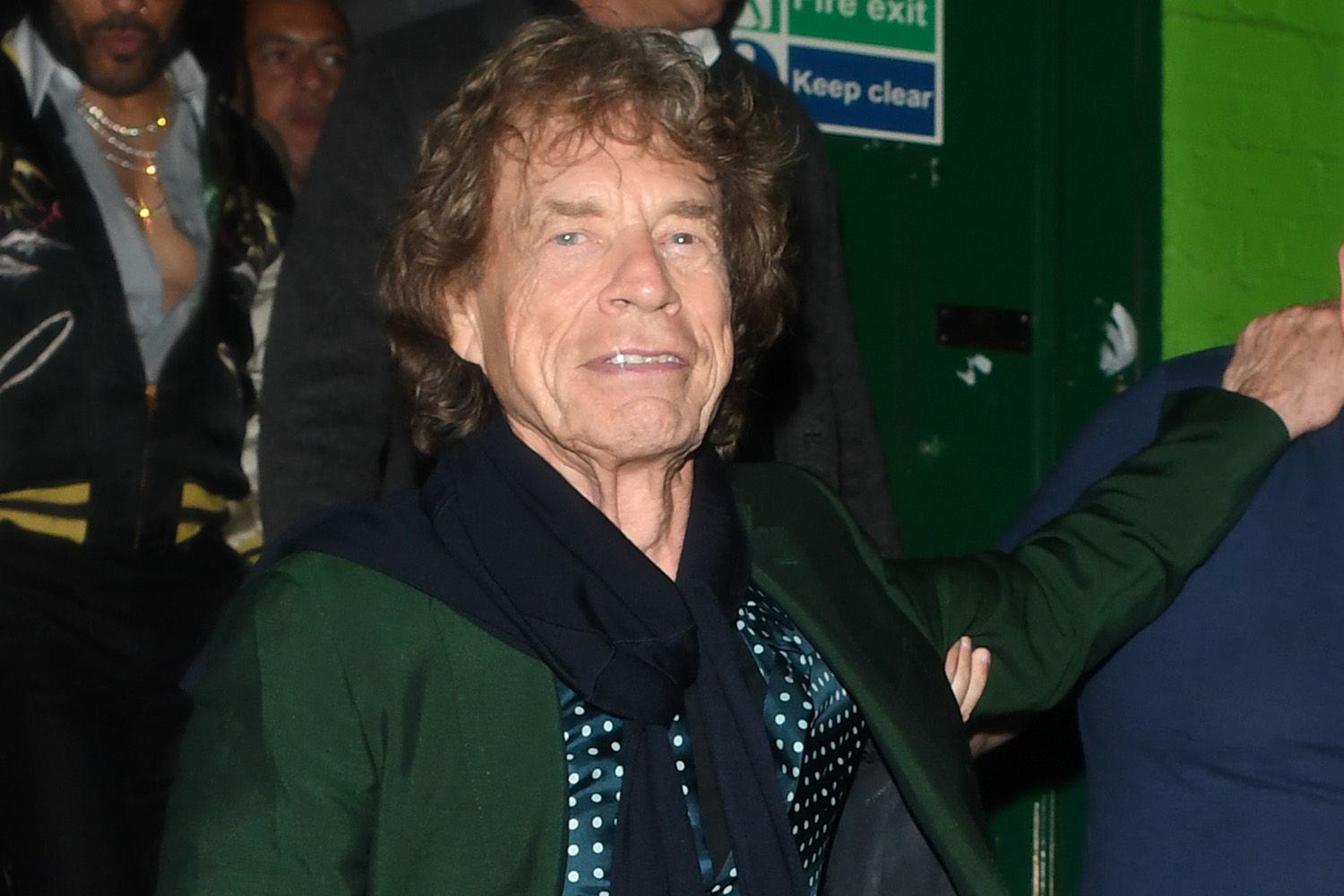
Mick Jagger age has become a fascinating topic as the legendary Rolling Stones frontman continues to captivate audiences at 82 years old, proving that age is truly just a number when it comes to rock and roll.
Born on July 26, 1943, in Dartford, Kent, England, Sir Mick Jagger remains one of the most energetic and influential performers in music history, still touring worldwide and maintaining a lifestyle that would challenge performers half his age.
His incredible stage presence, remarkable fitness regimen, and ongoing relationship with his much younger fiancée Melanie Hamrick have kept him in the spotlight as a cultural icon who refuses to slow down.
Table of Contents
Quick Facts About Mick Jagger
| Category | Details |
|---|---|
| Full Name | Michael Philip Jagger |
| Stage Name | Mick Jagger |
| Date of Birth | July 26, 1943 |
| Mick Jagger Age | 82 years old (as of 2025) |
| Birthplace | Dartford, Kent, England |
| Nationality | British |
| Height | 5’10” (178 cm) |
| Occupation | Singer, Songwriter, Actor, Producer |
| Famous For | Lead Singer of The Rolling Stones |
| Years Active | 1960–present (65+ years) |
| Partner | Melanie Hamrick (engaged, since 2014) |
| Children | 8 children with 5 different women |
| Grandchildren | 5 grandchildren |
| Great-Grandchildren | 1 great-grandchild |
| Net Worth 2025 | $600 million (estimated) |
| Title | Sir (Knighted in 2003) |
| Notable Achievement | Rock and Roll Hall of Fame (1989) |
| Signature Songs | “Satisfaction,” “Paint It Black,” “Start Me Up” |
| Current Status | Actively touring with Rolling Stones |
Who is Mick Jagger?
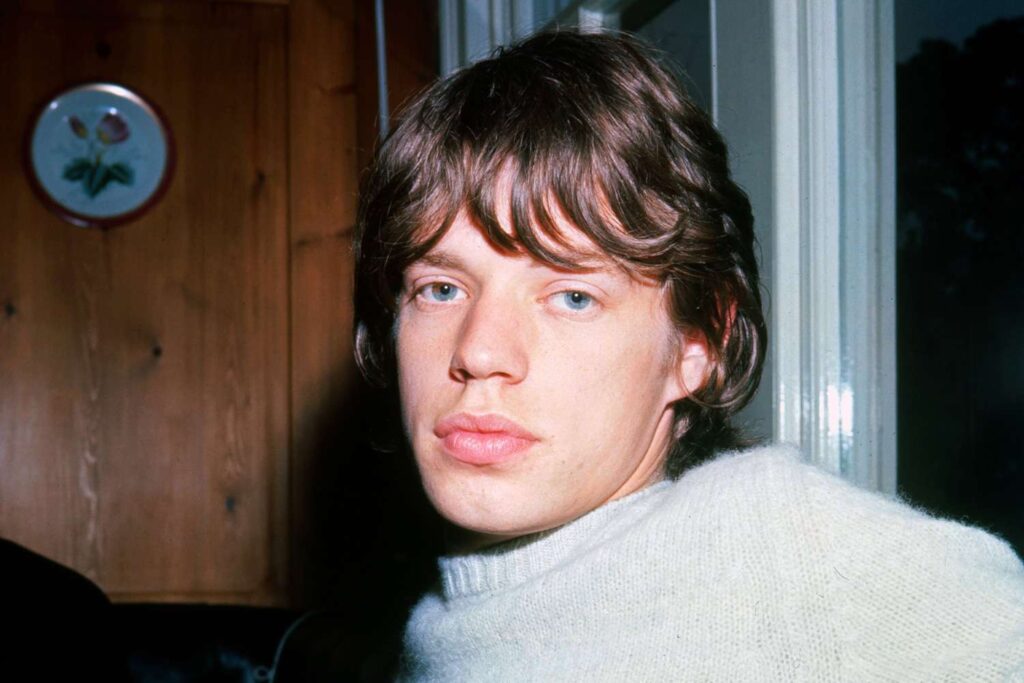
Mick Jagger is the iconic lead singer and founding member of The Rolling Stones, widely regarded as one of the greatest rock bands in history.
Born Michael Philip Jagger in the industrial town of Dartford, England, he rose from middle-class origins to become a global superstar whose influence on popular music and culture spans more than six decades.
His distinctive voice, electrifying stage presence, and songwriting partnership with guitarist Keith Richards have produced some of rock music’s most enduring anthems.
Beyond his musical achievements, Jagger is a cultural phenomenon who helped define the rebellious spirit of rock and roll.
His flamboyant performance style, characterized by provocative dance moves and boundless energy, revolutionized what it meant to be a frontman. He transformed the role of lead singer from mere vocalist to dynamic performer, influencing generations of musicians who followed.
Today, at 82 years old, Mick Jagger remains remarkably active, touring internationally with The Rolling Stones, maintaining an intensive fitness routine, and enjoying life with his fiancée Melanie Hamrick, who is 44 years his junior.
His ability to perform grueling two-hour concerts that cover five to twelve miles of stage movement has made him a symbol of healthy aging and dedication to craft.
Mick Jagger Age and Early Life
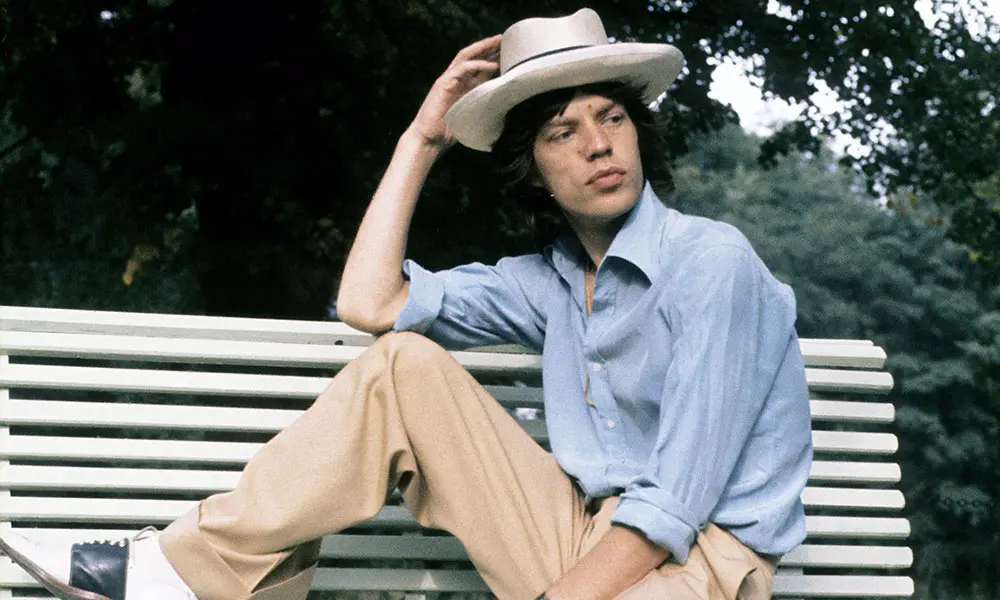
Mick Jagger was born on July 26, 1943, making him 82 years old in 2025. He entered the world during World War II in Dartford, Kent, a working-class town in southeastern England.
His father, Basil Fanshawe “Joe” Jagger, was a teacher and lecturer in physical education, while his mother, Eva Ensley Mary, was an active member of the Conservative Party and hairdresser. This middle-class upbringing provided young Mick with educational opportunities and exposure to diverse influences.
Growing up in post-war Britain, Jagger experienced the cultural transformation that would eventually fuel the British Invasion of American music.
His childhood home at 39 Denver Road in Dartford was modest but comfortable, providing a stable foundation. He attended Wentworth Primary School in Dartford, where he first met Keith Richards at age seven, though they wouldn’t reconnect until their teenage years.
Jagger’s early years were marked by academic achievement rather than musical rebellion. He was an intelligent student who excelled in school, particularly enjoying history and physical education—the latter influenced by his father’s profession.
His family had no particular musical background, and nothing in his early childhood suggested he would become rock and roll royalty.
At age 11, Jagger passed the eleven-plus examination, earning admission to Dartford Grammar School, a selective institution for academically gifted students.
There he thrived, showing particular aptitude for athletics and participating in the school’s basketball team. His teachers remembered him as bright, charismatic, and popular among peers, though perhaps a bit restless with conventional expectations.
The pivotal moment in Jagger’s life came in 1960 when he reconnected with Keith Richards on a train platform at Dartford station. Richards noticed that Jagger was carrying blues albums by Chuck Berry and Muddy Waters—rare recordings in England at that time.
This chance meeting, sparked by shared musical passion, would change music history. The two discovered mutual obsession with American blues and rhythm and blues, genres largely unknown to mainstream British audiences.
During his teenage years, Jagger became increasingly absorbed by the raw emotion and rebellious spirit of American blues music. Artists like Howlin’ Wolf, Jimmy Reed, and Little Walter captivated him with their authentic expression of struggle and desire.
He began singing informally, developing the distinctive vocal style that would become his trademark—a fusion of blues rawness with British rock energy.
After graduating from Dartford Grammar School in 1961, Jagger enrolled at the London School of Economics (LSE) to study business, following his parents’ wishes for a respectable career. However, his heart was already committed to music.
He balanced lectures with late-night performances at London blues clubs, where he honed his stage presence and vocal technique. His time at LSE lasted only a year before the pull of music proved irresistible, and he dropped out in 1963 to pursue The Rolling Stones full-time—a decision that would prove to be one of the most consequential in rock history.
Formation of The Rolling Stones
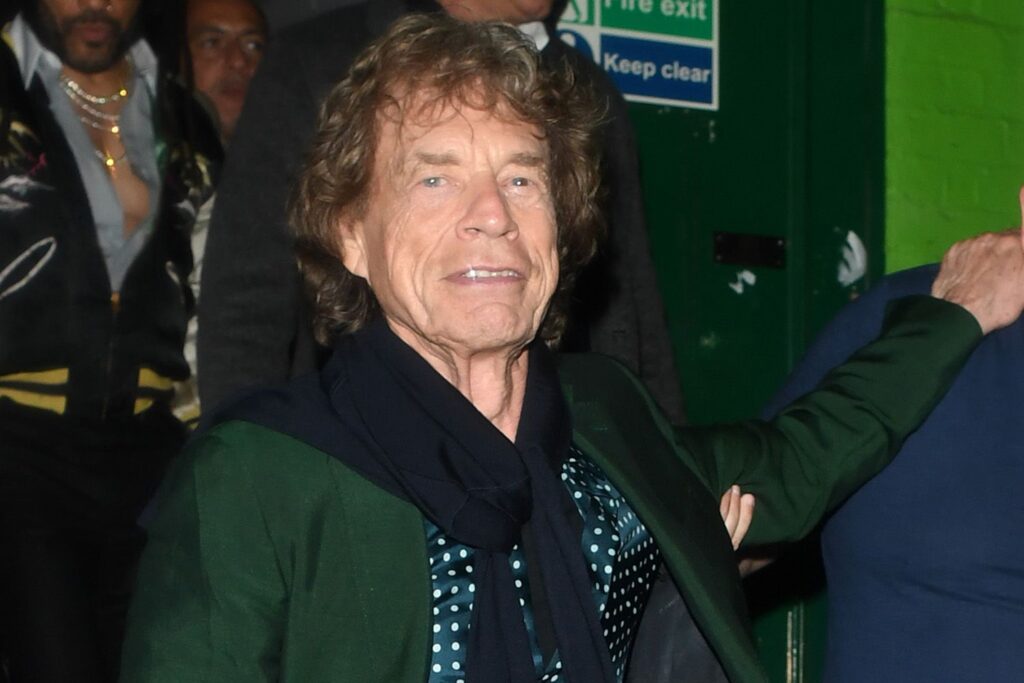
The Rolling Stones formed in London in 1962 when Mick Jagger, Keith Richards, and Brian Jones came together with a shared passion for blues music.
The band’s name came from a Muddy Waters song, “Rollin’ Stone,” reflecting their deep roots in American blues tradition. The original lineup included Jagger on vocals, Richards and Jones on guitar, Bill Wyman on bass, Charlie Watts on drums, and Ian Stewart on piano.
Unlike The Beatles, who projected a clean-cut image, The Rolling Stones deliberately cultivated a bad-boy persona. Manager Andrew Loog Oldham recognized that the music market had room for a darker, more dangerous counterpoint to The Beatles’ charm.
Jagger and Richards embraced this role, becoming symbols of youthful rebellion and sexual liberation during the 1960s cultural revolution.
The band’s early performances at London clubs like the Crawdaddy Club built a devoted following. Jagger’s stage presence—even in these formative years—was electric and controversial.
His androgynous appearance, provocative hip movements, and raw vocal delivery challenged social conventions, particularly regarding masculinity and sexuality. Parents disapproved, which only increased the band’s appeal to young audiences seeking to differentiate themselves from older generations.
In 1963, The Rolling Stones secured a recording contract with Decca Records and released their first single, a cover of Chuck Berry’s “Come On.”
While this early release achieved modest success, it was their subsequent recordings that would establish them as major forces in rock music. Their self-titled debut album in 1964 reached number one in the UK, signaling the arrival of a band that would dominate rock music for decades.
The Jagger-Richards songwriting partnership, encouraged by manager Andrew Loog Oldham, began producing original material in 1964.
Initially reluctant songwriters who preferred covering American blues, they discovered their creative chemistry when locked in a kitchen until they produced songs.
This partnership would become one of the most successful in music history, comparable only to Lennon-McCartney in impact and longevity.
Career Breakthrough and Peak Years
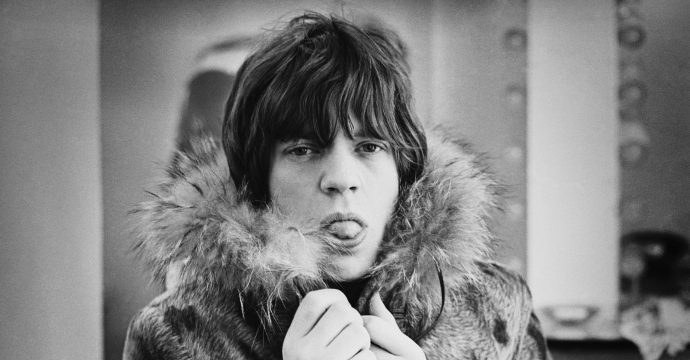
The Rolling Stones’ commercial breakthrough came in 1965 with “(I Can’t Get No) Satisfaction,” a song that featured one of rock’s most recognizable guitar riffs and Jagger’s sneering vocals about consumer culture and sexual frustration.
The track reached number one in the United States and became the band’s signature song, cementing their status as international superstars.
Throughout the mid-to-late 1960s, The Rolling Stones released a string of hits that defined the era: “Paint It Black” (1966), with its sitar-influenced sound and dark lyrics; “Ruby Tuesday” (1967), showcasing their softer side; “Jumpin’ Jack Flash” (1968), marking a return to raw rock; and “Honky Tonk Women” (1969), one of their most commercially successful singles. Each release demonstrated the band’s versatility and Jagger’s evolution as both vocalist and lyricist.
The period from 1968 to 1972 is often considered The Rolling Stones’ artistic peak, producing four consecutive albums widely regarded as classics: “Beggars Banquet” (1968), “Let It Bleed” (1969), “Sticky Fingers” (1971), and “Exile on Main St.” (1972).
These albums showcased sophisticated songwriting, diverse musical influences from country to gospel, and mature themes exploring violence, politics, drugs, and desire.
Jagger’s role extended beyond vocalist to creative director. He involved himself in album artwork, stage design, and business decisions, demonstrating entrepreneurial instincts that would serve the band throughout their career.
The famous tongue-and-lips logo, designed in 1970, became one of rock’s most recognizable symbols, embodying Jagger’s provocative persona.
The 1970s saw The Rolling Stones evolve from counterculture rebels to rock establishment, though they maintained their edge.
Tours grew increasingly elaborate, with Jagger’s stage performances becoming legendary spectacles. His stamina, dancing ability, and audience connection set new standards for live rock performance. He worked with choreographers and studied other performers, constantly refining his stagecraft.
Tragedy struck in 1969 when founding member Brian Jones drowned shortly after leaving the band, and the Altamont Free Concert ended in violence and death.
These events marked the end of 1960s idealism and the band’s transition into a more professional, business-oriented phase. Jagger faced criticism for the Altamont tragedy but weathered the controversy, demonstrating resilience that would characterize his long career.
The 1980s brought new challenges as musical tastes shifted toward punk and new wave. The Rolling Stones adapted, incorporating contemporary sounds while maintaining their identity.
Albums like “Tattoo You” (1981) proved they could still produce hits, with “Start Me Up” becoming one of their biggest commercial successes and a staple of their live performances.
Solo Career and Side Projects

While primarily focused on The Rolling Stones, Mick Jagger pursued solo projects that allowed him to explore different musical directions.
His first solo album, “She’s the Boss” (1985), achieved commercial success with the hit single “Just Another Night.” This venture created tension with Keith Richards, who viewed Jagger’s solo work as potentially threatening the band’s unity.
Jagger’s second solo album, “Primitive Cool” (1987), received mixed reviews but demonstrated his willingness to experiment with contemporary production techniques and styles.
He collaborated with various artists outside the Stones’ usual circle, including Jeff Beck and Doug Wimbish, expanding his musical palette.
In the 1990s, Jagger continued balancing solo work with Rolling Stones commitments. His third solo album, “Wandering Spirit” (1993), received better critical reception than his previous efforts and featured more guitar-driven rock closer to The Rolling Stones’ sound. The album reached number 11 in the UK and spawned several successful singles.
Jagger also explored film acting, appearing in movies like “Performance” (1970), “Ned Kelly” (1970), and “Freejack” (1992).
His acting career never reached the heights of his musical success, but these ventures demonstrated his desire to challenge himself creatively beyond music. He showed particular interest in producing, working on films and music documentaries.
The 2000s brought renewed focus on The Rolling Stones as the band experienced a commercial resurgence. Jagger released his fourth solo album, “Goddess in the Doorway” (2001), featuring collaborations with contemporary artists like Lenny Kravitz and Rob Thomas.
However, the album’s modest performance reinforced that audiences preferred Jagger as part of The Rolling Stones rather than as a solo artist.
Jagger formed the supergroup SuperHeavy in 2011 with Dave Stewart, Joss Stone, Damian Marley, and A.R. Rahman, exploring world music influences.
This project reflected his continued curiosity about diverse musical traditions and willingness to collaborate with artists from different generations and genres.
Throughout his solo endeavors, Jagger maintained The Rolling Stones as his primary focus, recognizing that the band represented his greatest artistic and commercial success.
His solo work served as creative outlet rather than career replacement, allowing experimentation without risking the band’s legacy.
The Rolling Stones’ Continued Success
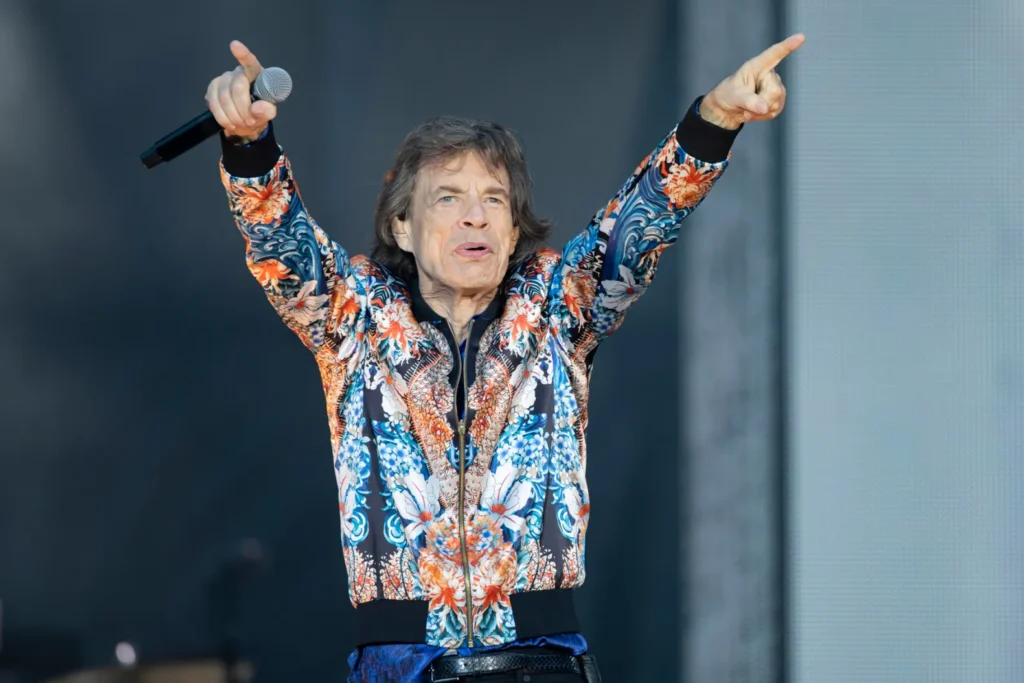
Despite predictions of their demise for decades, The Rolling Stones have demonstrated remarkable longevity, remaining a top-grossing touring act into the 2020s.
Their ability to adapt while maintaining core identity has kept them relevant across multiple generations of music fans.
The band’s 1989 “Steel Wheels” tour marked their return to regular touring after years of internal tension. The tour’s massive success—grossing over $260 million—established The Rolling Stones as touring industry leaders and demonstrated that classic rock acts could command enormous audiences and revenues. This model influenced the entire music industry’s economic structure, as touring became increasingly important to artist income.
Subsequent tours broke records repeatedly. The “Voodoo Lounge” tour (1994-1995) grossed $320 million, while “Bridges to Babylon” (1997-1999) brought in $337 million. Each tour featured increasingly elaborate production values, with Jagger’s performances remaining the centerpiece.
His ability to command massive stadium audiences while making performances feel intimate became a hallmark of Stones concerts.
The 21st century saw no slowdown. The “Licks” tour (2002-2003), “A Bigger Bang” (2005-2007), “50 & Counting” (2012-2013), and “No Filter” (2017-2021) tours all achieved massive commercial success.
The “A Bigger Bang” tour grossed $558 million, making it one of the highest-grossing tours of all time. These achievements proved that The Rolling Stones weren’t merely nostalgia act but living, relevant performers.
Tragedy struck in 2021 when drummer Charlie Watts died at age 80. Watts had been the band’s rhythmic foundation for nearly 60 years, and his loss deeply affected Jagger and the remaining members.
However, honoring Watts’ memory and music’s importance to their lives, the band continued with Steve Jordan on drums, showing resilience in the face of profound loss.
In 2023, The Rolling Stones released “Hackney Diamonds,” their first album of original material in 18 years. The album received critical acclaim and commercial success, debuting at number one in multiple countries.
It featured contributions from Paul McCartney, Elton John, and Stevie Wonder, demonstrating the respect Jagger and The Stones command among fellow musicians.
The “Hackney Diamonds” tour in 2024 and 2025 has continued The Rolling Stones’ tradition of spectacular live performances.
At 82 years old, Jagger performs two-hour shows that cover approximately five to twelve miles of stage movement, singing, dancing, and engaging audiences with energy that defies his age. His commitment to rigorous fitness and healthy living enables these performances, making him an inspiration for aging actively.
Mick Jagger Net Worth 2025
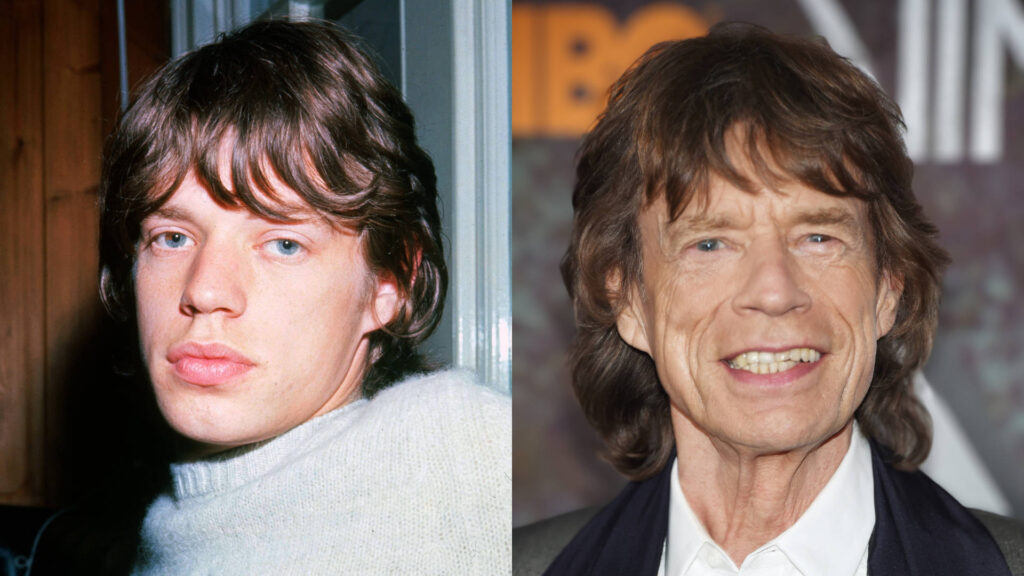
Mick Jagger’s net worth is estimated at approximately $600 million in 2025, making him one of the wealthiest rock stars in history.
This immense fortune accumulated through multiple revenue streams over more than six decades in the music industry, demonstrating not only his artistic success but also his business acumen.
Primary Income Sources
- Touring Revenue: The Rolling Stones’ tours represent Jagger’s largest income source. As the band’s frontman and co-leader, he receives a substantial portion of tour profits. Their tours consistently rank among the highest-grossing in music history, with single tours generating $300-500 million. The “A Bigger Bang” tour alone grossed $558 million, while “No Filter” brought in over $400 million. Jagger’s share of these revenues constitutes tens of millions per tour.
- Songwriting Royalties: The Jagger-Richards songwriting partnership has produced dozens of hit songs that continue generating royalties decades after release. Songs like “Satisfaction,” “Paint It Black,” “Sympathy for the Devil,” and “Start Me Up” earn ongoing income through radio play, streaming, film soundtracks, commercials, and cover versions. These catalog royalties provide steady passive income estimated in the millions annually.
- Album Sales: The Rolling Stones have sold over 240 million albums worldwide, making them one of the best-selling music artists of all time. While physical album sales have declined, streaming revenues have partially replaced them. The band’s extensive catalog generates substantial streaming income across platforms like Spotify, Apple Music, and YouTube.
- Merchandise: Rolling Stones merchandise remains big business, with the iconic tongue-and-lips logo appearing on clothing, accessories, and collectibles worldwide. The band reportedly earns tens of millions annually from merchandise sales, with Jagger receiving a significant portion as co-owner of the brand.
- Publishing Rights: Jagger owns publishing rights to his compositions, providing another revenue stream. Publishing generates income whenever songs are performed publicly, played on radio, used in films or commercials, or covered by other artists. The enduring popularity of Rolling Stones songs makes these rights extremely valuable.
Business Ventures and Investments
- Jagged Films: Jagger founded his production company in the 1990s, producing films and documentaries. While not as profitable as music ventures, it represents his interest in diversifying income sources and exploring creative outlets beyond performance.
- Real Estate Portfolio: Jagger owns multiple properties worldwide, including estates in England, France, New York, and the Caribbean. His real estate holdings are estimated at over $100 million in value. Notable properties include a château in the Loire Valley, a townhouse in Manhattan’s Upper West Side, and a beach house on Mustique island.
- Art Collection: An avid art collector, Jagger owns works by major artists including Lucian Freud, Andy Warhol, and Henri Matisse. His collection’s value is estimated in the tens of millions, representing both personal passion and investment strategy.
- Stock Investments: Though details remain private, Jagger reportedly maintains a diverse investment portfolio including stocks, bonds, and other securities managed by financial advisors. His business education from the London School of Economics, though incomplete, provided foundation for understanding finance and investment.
Comparison with Other Rock Stars
Compared to contemporaries, Jagger’s $600 million net worth is substantial but not the highest. Paul McCartney leads with approximately $1.2 billion, while Bono and The Edge from U2 each have around $700-800 million.
However, Jagger’s wealth exceeds most rock legends including Keith Richards ($500 million), Eric Clapton ($450 million), and Elton John ($500 million).
What distinguishes Jagger’s wealth accumulation is longevity and business savvy. The Rolling Stones pioneered the model of legacy rock acts commanding premium prices for live performances, fundamentally changing the economics of rock music.
Jagger’s role in negotiating deals and managing the band’s business affairs contributed significantly to this success.
Financial Management
Despite his immense wealth, Jagger reportedly maintains relatively modest spending habits compared to many celebrities. Friends and associates describe him as careful with money, negotiating deals personally and monitoring expenses closely.
This reputation for frugality, sometimes criticized as stinginess, has actually served him well by preserving and growing his fortune.
Jagger faced financial challenges early in The Rolling Stones’ career when poor management and disadvantageous contracts cost the band millions in potential earnings.
These experiences taught him the importance of controlling business affairs, leading him to take active roles in contract negotiations and financial decisions. The band’s formation of their own record label, Rolling Stones Records, in 1971 reflected this desire for greater financial control.
Charitable Giving
While maintaining significant wealth, Jagger has supported various charitable causes throughout his career.
He has donated to organizations focused on education, arts, environmental conservation, and disaster relief. However, unlike some contemporaries who publicize philanthropy extensively, Jagger tends to keep charitable activities relatively private.
Legacy and Future Earnings
Even after Jagger eventually retires from touring, his estate will continue generating substantial income through catalog royalties, licensing, and merchandise.
The Rolling Stones’ music catalog represents one of rock’s most valuable assets, comparable to The Beatles or Led Zeppelin. Future earnings from this catalog will provide wealth for Jagger’s descendants for generations.
Personal Life and Relationships
Mick Jagger’s personal life has been as colorful and public as his musical career, marked by numerous high-profile relationships, eight children with five different women, and ongoing tabloid fascination with his romantic life.
His relationship history reflects the sexual revolution of the 1960s and the changing social mores that his music helped inspire.
Early Relationships
Jagger’s first serious relationship was with Chrissie Shrimpton, younger sister of model Jean Shrimpton, whom he dated from 1963 to 1966.
This relationship occurred during The Rolling Stones’ rise to fame, exposing Jagger to the fashion and artistic circles that would influence his style and image. The relationship ended badly, with Shrimpton later describing Jagger as unfaithful and emotionally distant.
His next relationship with singer Marianne Faithfull (1966-1970) became one of the 1960s’ most iconic pairings. Faithfull was already a successful pop singer when they met, and their relationship epitomized the era’s excess and experimentation.
They lived together at Jagger’s home, Stargroves, and were frequently photographed by media fascinated with their glamorous lifestyle. The relationship produced creative collaboration, with Faithfull contributing to some Rolling Stones songs.
However, drug use and infidelity strained the relationship, and Faithfull attempted suicide in 1969 while on holiday with Jagger in Australia. They separated shortly after, with Faithfull later chronicling their tumultuous relationship in interviews and her autobiography.
Marsha Hunt and Karis
During his relationship with Faithfull, Jagger began an affair with American actress and singer Marsha Hunt in 1969.
This relationship resulted in the birth of his first child, Karis Hunt Jagger, born November 4, 1970. Initially, Jagger denied paternity, leading to a legal battle that Hunt won in 1979.
The court ordered Jagger to pay child support, and he eventually developed a relationship with Karis, who has maintained relatively low public profile despite her famous father.
Karis, now 54 years old, graduated from Yale University and worked as a production assistant and later in volunteer services.
She married Jonathan Watson in 2000, and they have two children, making Jagger a grandfather through Karis. Despite the contentious beginning, Jagger and Karis have reportedly developed a warm relationship in recent decades.
First Marriage: Bianca Jagger
Mick Jagger’s first marriage was to Nicaraguan social activist Bianca Pérez-Mora Macias on May 12, 1971, in Saint-Tropez, France.
The wedding was a major celebrity event, attended by fellow musicians and cultural figures. Bianca was already pregnant with their daughter Jade when they married, following a whirlwind romance that began in 1970.
Their daughter, Jade Sheena Jezebel Jagger, was born October 21, 1971, in Paris. The marriage, however, was troubled from the start, plagued by Jagger’s infidelities and long absences due to touring.
Bianca and Mick moved in different social circles—she became a fixture of Studio 54 and international high society, while he focused on music. They separated in 1977 and divorced on November 2, 1978, with Bianca receiving a settlement reportedly around £1 million, modest by today’s standards but substantial at the time.
Jade Jagger, now 53, followed creative pursuits, becoming a successful jewelry designer with her own brand and working with major fashion houses.
She has three children: Assisi, Amba, and Ray, making them Jagger’s grandchildren. Jade has maintained close relationships with her father and half-siblings, often attending family events and Rolling Stones concerts.
Jerry Hall: Long-term Partnership
Mick Jagger’s longest and most public relationship was with American model and actress Jerry Hall, which lasted from 1977 to 1999.
They met in 1976 when Hall was dating Bryan Ferry of Roxy Music, and their chemistry was immediate. By 1977, Hall and Jagger were a couple, becoming one of the 1980s and 1990s’ most photographed pairs.
They had four children together: Elizabeth Scarlett (born March 2, 1984), James Leroy Augustine (born August 28, 1985), Georgia May Ayeesha (born January 12, 1992), and Gabriel Luke Beauregard (born December 13, 1997).
The couple participated in a private commitment ceremony in Bali in 1990, though the marriage was later declared invalid under both Indonesian and English law, meaning they were never legally married despite living as husband and wife for over two decades.
Hall stood by Jagger through various scandals and rumored infidelities, presenting a united family front. However, in 1999, news broke that Brazilian model Luciana Gimenez was pregnant with Jagger’s child, conceived during his relationship with Hall.
This revelation proved the final straw, and Hall filed for divorce. Because their Bali ceremony wasn’t legally recognized, the split was technically dissolution of a common-law relationship rather than divorce, reportedly resulting in a settlement of around £10-15 million for Hall.
The Hall-Jagger Children:
- Elizabeth “Lizzy” Jagger (41 years old in 2025) followed her mother into modeling, appearing in campaigns for major brands including Tommy Hilfiger and Lancôme. She has worked extensively in fashion and maintains close relationships with both parents.
- James Jagger (39 years old) pursued acting, appearing in the HBO series “Vinyl” produced by his father, and various films. He combines creative pursuits with relatively private personal life, occasionally attending public events with family.
- Georgia May Jagger (33 years old) became the most successful model among Jagger’s children, working with brands like Chanel, Versace, and Hudson Jeans. Her distinctive gap-toothed smile and striking resemblance to both parents made her a fashion industry favorite. She has been open about their close family bonds despite unconventional structure.
- Gabriel Jagger (27 years old) has pursued interests in journalism, environmental activism, and creative arts. He maintains the lowest public profile among the Hall-Jagger children, occasionally appearing at family events but largely staying out of the spotlight.
L’Wren Scott
Following his split from Jerry Hall, Jagger dated various women before beginning a serious relationship with fashion designer L’Wren Scott in 2001.
Scott, a former model turned acclaimed designer, became one of Jagger’s most significant partners. Their relationship lasted 13 years, with Scott designing costumes for Rolling Stones tours and Jagger supporting her fashion career.
The relationship appeared stable and mature, with friends describing genuine affection between them. However, on March 17, 2014, L’Wren Scott died by suicide in her Manhattan apartment. She was 49 years old and reportedly facing financial difficulties related to her fashion business.
Her death devastated Jagger, who was on tour in Australia at the time. The Rolling Stones postponed tour dates, and Jagger released a statement expressing his shock and grief.
Scott’s death deeply affected Jagger, and friends noted he withdrew from public life for several months. He established a scholarship in her name at Central Saint Martins College of Art and Design in London, honoring her contribution to fashion. The tragedy marked one of the most difficult periods in Jagger’s personal life.
Current Relationship: Melanie Hamrick
Mick Jagger met American ballet dancer Melanie Hamrick in Tokyo in 2014, while The Rolling Stones were on tour. At the time, Hamrick was a corps de ballet dancer with the American Ballet Theatre, one of the premier ballet companies in the United States.
Their relationship began shortly after L’Wren Scott’s death, with Hamrick reportedly providing emotional support during Jagger’s grieving process.
The relationship became public in 2014, immediately attracting media attention due to their 44-year age gap—Jagger was 71 and Hamrick was 27 when they began dating.
Critics and tabloids questioned the relationship’s authenticity and longevity, with many speculating Hamrick was seeking fame or fortune. However, the relationship has endured over a decade, proving more substantial than skeptics predicted.
On December 8, 2016, Hamrick gave birth to their son, Deveraux Octavian Basil Jagger, making Jagger a father for the eighth time at age 73.
Deveraux, nicknamed “Devi,” is now 8 years old and reportedly shares his father’s musical interests. Hamrick has described Jagger as a hands-on father despite his age and busy schedule, attending school events and spending quality time with their son.
In 2019, Hamrick published her first novel, “First Position,” a thriller set in the ballet world, demonstrating her creative ambitions beyond dance.
She retired from professional ballet to focus on writing, motherhood, and her relationship with Jagger. The couple splits time between New York, where Hamrick has roots, and Jagger’s various properties worldwide.
Reports emerged in late 2024 that Jagger and Hamrick are engaged, though neither has officially confirmed the engagement publicly.
Sources close to the couple suggest they have discussed marriage but prioritize privacy regarding their relationship decisions. If they do marry, Hamrick would become Jagger’s second wife and the first since Bianca Jagger in the 1970s.
The relationship appears stable and mature, with Hamrick integrating into Jagger’s extended family. She has been photographed at family events with Jagger’s other children and grandchildren, suggesting acceptance from his large family.
Despite the significant age difference, friends describe the relationship as genuine, built on shared intellectual interests, mutual respect, and complementary personalities.
Mick Jagger’s Eight Children
Mick Jagger’s family structure is complex, with eight children born between 1970 and 2016, spanning 46 years.
Despite the unconventional family arrangement, Jagger has reportedly maintained relationships with all his children and supported them financially and emotionally.
Complete Children’s List:
- Karis Hunt Jagger (54) – Mother: Marsha Hunt
- Born: November 4, 1970
- Career: Production assistant, volunteer services
- Family: Married to Jonathan Watson, two children
- Relationship with father: Close, after early legal disputes
- Jade Sheena Jezebel Jagger (53) – Mother: Bianca Jagger
- Born: October 21, 1971
- Career: Jewelry designer, businesswoman
- Family: Three children (Assisi, Amba, Ray)
- Relationship with father: Very close, frequent public appearances together
- Elizabeth “Lizzy” Scarlett Jagger (41) – Mother: Jerry Hall
- Born: March 2, 1984
- Career: Model, actress
- Notable work: Tommy Hilfiger, Lancôme campaigns
- Relationship with father: Close, supportive
- James Leroy Augustine Jagger (39) – Mother: Jerry Hall
- Born: August 28, 1985
- Career: Actor
- Notable work: HBO’s “Vinyl” (2016)
- Relationship with father: Close, collaborated professionally
- Georgia May Ayeesha Jagger (33) – Mother: Jerry Hall
- Born: January 12, 1992
- Career: Model
- Notable work: Chanel, Versace, Hudson Jeans
- Relationship with father: Very close, frequent public appearances
- Gabriel Luke Beauregard Jagger (27) – Mother: Jerry Hall
- Born: December 13, 1997
- Career: Journalist, environmental activist
- Relationship with father: Close but private
- Lucas Maurice Morad Jagger (26) – Mother: Luciana Gimenez
- Born: May 18, 1999
- Career: Model
- Notable: Born from affair that ended Jagger-Hall relationship
- Relationship with father: Developed relationship over time
- Deveraux Octavian Basil Jagger (8) – Mother: Melanie Hamrick
- Born: December 8, 2016
- Still in childhood, reportedly musical interests
- Relationship with father: Very close, hands-on parenting
Family Dynamics
Despite the complexity of having children with five different women across nearly five decades, Jagger has worked to maintain unified family relationships.
His children reportedly know each other and occasionally gather for family events, though the large age gaps—Karis is 46 years older than Deveraux—naturally create different relationship dynamics.
Jagger’s approach to fatherhood has reportedly evolved over time. Early in his career, touring and lifestyle choices meant less involvement with his older children’s daily lives, though he provided financial support.
As he aged and The Rolling Stones’ touring schedule became less constant, he became more present as a father, particularly with his younger children.
His grandchildren and great-grandchild represent another dimension of his family life. Jade’s daughter Assisi gave birth in 2014, making Jagger a great-grandfather at 71—the same year he began his relationship with Melanie Hamrick.
Awards and Achievements
Mick Jagger’s trophy cabinet reflects his monumental impact on music:
| Award | Year | Category/Achievement |
|---|---|---|
| Grammy Award | 1995 | Best Rock Album (Voodoo Lounge) |
| Grammy Award | 2018 | Best Traditional Blues Album (Blue & Lonesome) |
| Grammy Award | 2025 | Best Rock Album (Hackney Diamonds) |
| Grammy Lifetime Achievement Award | 1986 | With The Rolling Stones |
| Golden Globe Award | 2005 | Best Original Song (“Old Habits Die Hard”) |
| Knighthood | 2003 | Services to Popular Music |
| Rock and Roll Hall of Fame | 1989 | Inducted with The Rolling Stones |
| UK Music Hall of Fame | 2004 | Among inaugural inductees |
The Stones won their fourth Grammy in 2025 for their album Hackney Diamonds, which featured collaborations with Elton John, Paul McCartney, Stevie Wonder, and Lady Gaga.
The Recording Academy has nominated Jagger 19 times throughout his career, recognizing his contributions both as a solo artist and with the band.
Legacy and Cultural Impact
Mick Jagger’s influence extends far beyond music charts and sales figures. He personifies rock and roll itself, embodying what many call a “Dionysian archetype” of eternal youth. His unique vocal style, frenetic dance moves, and magnetic stage presence have inspired countless musicians across generations.
The Stones generated over $1.5 billion in revenue between 1989 and 2001, surpassing contemporaries like U2, Bruce Springsteen, and Michael Jackson. Their 2007 “A Bigger Bang Tour” earned them a Guinness World Record for the most lucrative music tour in history, grossing $437 million.
Scientists have honored Jagger’s lasting impact by naming species after him, including the Jaggermeryx naida, a 19-million-year-old species, and the trilobite Aegrotocatellus jaggeri. On his 75th birthday, seven fossil stoneflies were named after Rolling Stones members.
Health and Fitness Regimen
At 82, Jagger trains up to six days a week, combining swimming, kickboxing, cycling, ballet, yoga, and Pilates. His commitment to fitness has become legendary in the music industry, with fellow rock stars expressing amazement at his stamina.
Working with Norwegian coach Torje Eike for years, Jagger follows a high-performance athlete’s lifestyle. He adheres to a Mediterranean-style diet, reduces processed foods, practices meditation, and maintains what health experts call “complete dedication” to wellness. During performances, he covers between five and twelve miles on stage while delivering his signature energetic performances.
His fitness philosophy centers on consistency rather than intensity. Jagger has stated he trains for stamina, not to push extreme limits. This sustainable approach, combined with excellent genetics and unwavering discipline, explains his remarkable longevity at an age when most have long retired.
Current Relationship Status
In April 2025, it was revealed that Jagger is engaged to his longtime girlfriend Melanie Hamrick, who confirmed she accepted his proposal “two or three years” ago.
Hamrick, a 37-year-old retired professional ballerina, met Jagger in 2014 during a Rolling Stones tour in Tokyo. They began dating in 2015 and welcomed their son, Deveraux, in December 2016.
The couple has no concrete wedding plans yet, with Hamrick stating they’re so happy in their current life that she’d be afraid to change anything.
She’s addressed the 44-year age gap between them openly, explaining her attraction to older men stems from maturity rather than anything else. When asked about public perception, she responded that as long as everyone is happy, healthy, and no one is being hurt, everything is fine.
Jagger has eight children with five different women, spanning ages 8 to 54:
- Karis (54) with Marsha Hunt
- Jade (53) with ex-wife Bianca Jagger
- Elizabeth (41) and James (39) with Jerry Hall
- Georgia May (33) and Gabriel (27) with Jerry Hall
- Lucas (26) with Luciana Gimenez
- Deveraux (8) with Melanie Hamrick
He’s also a grandfather of five and a great-grandfather, embracing his large family with enthusiasm.
Net Worth 2025
In 2025, the Independent estimated Mick Jagger’s net worth at £440 million (approximately $560 million). This wealth stems from decades of successful tours, album sales, royalties, and business ventures.
His income sources include:
- Rolling Stones tours and merchandise
- Music royalties from an extensive catalog
- Solo album sales and collaborations
- Film appearances and production company Jagged Films
- Real estate investments worldwide
- Business ventures including the Mick Jagger Centre in Dartford
The Rolling Stones’ touring revenue alone has been astronomical, with their most recent Hackney Diamonds tour selling 880,000 tickets and generating $235 million in 2024.
Recent News and Current Status
The Rolling Stones have called off plans for a 2026 stadium tour of the United Kingdom and Europe, with reports indicating guitarist Keith Richards was unable to commit to it. Richards, who turns 82 in December 2025, faces challenges from arthritis that has affected his playing style, though he remains in good form for shorter performances.
Despite the tour cancellation, the band has been working on new material. According to reports, they’ve nearly completed a new album with producer Andrew Watt, their second collaboration with the 35-year-old producer. However, the rigors of a multi-country, multi-week tour proved too demanding for the aging rockers.
On July 26, 2025, Jagger celebrated his 82nd birthday with his partner Melanie Hamrick sharing photos featuring their 8-year-old son Deveraux. The celebration showcased Jagger’s continued joy in fatherhood even in his eighties.
In March 2025, Jagger and Hamrick attended the Vanity Fair Oscar Party together, making public appearances and staying active in the entertainment scene beyond music.
Also Read:
Hudson Westbrook Age, Career, Girlfriend & Net Worth 2025
NLE Choppa Age, Career, Girlfriend & Net Worth 2025
Maxx Morando Age, Career, Fiancé & Net Worth 2025
Madonna Age, Career, Husband & Net Worth 2025
Frequently Asked Questions (FAQs)
Q: How old is Mick Jagger in 2025?
Mick Jagger is 82 years old, having been born on July 26, 1943. He continues to perform and record music despite his age, defying expectations set decades ago when critics predicted he’d retire by 45.
Q: Is Mick Jagger married?
No, Jagger is currently engaged to Melanie Hamrick, but they haven’t set a wedding date. He was previously married only once to Bianca Jagger from 1971 to 1978, though that marriage was later annulled.
Q: How many children does Mick Jagger have?
Jagger has eight children with five different women, ranging in age from 8 to 54 years old. He’s also a grandfather of five and a great-grandfather.
Q: What is Mick Jagger’s net worth?
As of 2025, Jagger’s net worth is estimated at £440 million (approximately $560 million), earned through music royalties, tours, investments, and business ventures over his six-decade career.
Q: How does Mick Jagger stay so fit at 82?
Jagger trains five to six days per week, combining swimming, kickboxing, cycling, ballet, yoga, and Pilates. He follows a Mediterranean diet, practices meditation, and works with a personal trainer to maintain stamina.
Q: Will the Rolling Stones tour in 2025-2026?
The band has canceled planned 2026 UK and European tour dates due to Keith Richards’ health concerns related to arthritis. Future touring plans remain uncertain, though they continue recording new material.
Q: How many Grammy Awards has Mick Jagger won?
Jagger has won four Grammy Awards with the Rolling Stones, most recently in 2025 for Best Rock Album for “Hackney Diamonds.” He’s been nominated 19 times throughout his career.
Q: When was Mick Jagger knighted?
Jagger was knighted by Prince Charles on December 12, 2003, for his services to popular music as part of the Queen’s 2002 Birthday Honours.
Q: What is Mick Jagger’s vocal range?
Jagger possesses a tenor vocal range spanning approximately three octaves. His distinctive voice, characterized by its raw, bluesy quality and expressiveness, has become one of rock music’s most recognizable sounds.
Q: Does Mick Jagger have any health problems?
While Jagger remains remarkably healthy for his age, he underwent successful heart valve replacement surgery in 2019. He recovered quickly and returned to performing, demonstrating his exceptional fitness level.
Conclusion
Mick Jagger stands as living proof that passion, discipline, and dedication can transcend age limitations. At 82, he remains a force in the music industry, continuing to create, inspire, and entertain millions worldwide.
His journey from a middle-class boy in Dartford to a global rock icon with a net worth exceeding half a billion dollars exemplifies the American Dream’s universal appeal.
Beyond the wealth and accolades, Jagger’s legacy lies in his profound influence on popular culture. He transformed what it means to be a rock star, setting standards for stage performance, songwriting, and longevity that few can match.
His commitment to health and fitness serves as inspiration for people of all ages, proving that with the right mindset and discipline, age becomes merely a number.
As the Rolling Stones continue their remarkable journey, whether through new albums or surprise performances, Mick Jagger remains the embodiment of rock and roll’s enduring spirit.
His story is far from over, and fans worldwide eagerly anticipate what this legendary performer will accomplish next in his extraordinary career.