
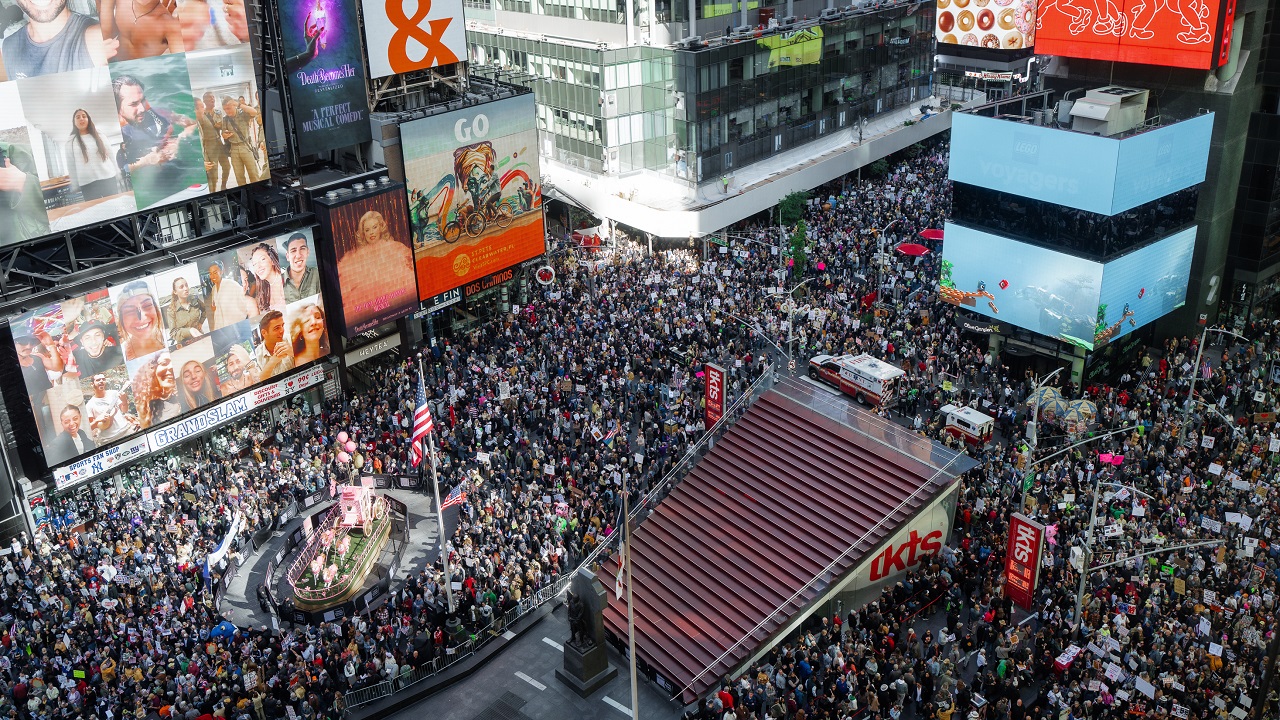
What protest is happening in NYC today depends on the specific date, as New York City hosts multiple demonstrations weekly addressing issues from immigration enforcement and ICE raids to climate action, workers’ rights, and civil liberties.
In early 2026, the most prominent protests have focused on anti-ICE enforcement following the deadly Minneapolis shooting, with hundreds gathering at locations like Foley Square, Trump Tower, Bryant Park, and One World Trade Center.
To find today’s specific protests, check resources like NYC Protest Coverage on Instagram (@nycprotestcoverage), Protest_NYC calendar (protest.one), Hands Off NYC coalition, and local news outlets including CBS New York, NBC New York, and ABC7.
Major protest hubs include Union Square, Washington Square Park, Foley Square, and outside federal buildings, with demonstrations often announced 24-48 hours in advance through social media and grassroots organizing networks across all five boroughs.
Table of Contents
Current Protest Climate in NYC 2026
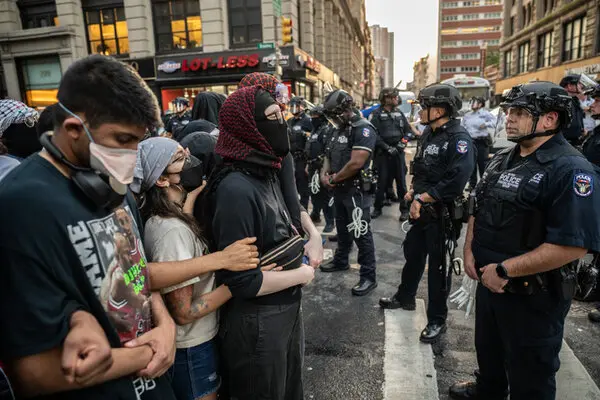
New York City’s protest landscape in 2026 reflects heightened political tensions and social activism. Multiple demonstrations occur weekly across Manhattan, Brooklyn, Queens, the Bronx, and Staten Island.
The current administration’s immigration policies drive significant protest activity. ICE enforcement operations have sparked ongoing resistance from immigrant rights advocates and their allies.
Climate activism remains prominent with groups like Extinction Rebellion NYC organizing regular demonstrations. These focus on environmental justice and urgent climate action demands.
Labor movements and workers’ rights protests address economic inequality. Unions and worker advocacy groups regularly mobilize around wage issues and working conditions.
Civil liberties concerns generate consistent turnout. Protesters express opposition to policies they view as authoritarian or threatening constitutional rights.
Anti-ICE Protests Dominating January 2026
Anti-ICE demonstrations became the dominant protest theme in early 2026. The fatal shooting of Renee Nicole Good in Minneapolis by an ICE agent on January 8, 2026, sparked nationwide outrage.
NYC protesters responded immediately with massive mobilizations. Hundreds gathered at Foley Square, marching to federal buildings to voice opposition to immigration enforcement tactics.
The “ICE Out of NYC” movement gained momentum quickly. Demonstrators chanted slogans like “ICE, Gestapo, Get Out of New York Now” while carrying banners.
Student walkouts amplified protest numbers significantly. High school and college students from schools like Elizabeth Irwin High School joined demonstrations during school hours.
The Get Free NYC movement coordinated citywide walkouts. Students left classrooms at 11 a.m. to stand in solidarity with Minneapolis and protest increased ICE enforcement.
Trump Tower: Protest Central in Midtown
Trump Tower on Fifth Avenue remains a focal protest location. The building’s symbolic significance ensures regular demonstrations throughout 2026.
January 20, 2026 marked the one-year anniversary of President Trump’s second term inauguration. Hundreds gathered outside Trump Tower to protest administration policies.
Protesters faced frigid winter conditions but maintained presence. Signs expressing opposition to ICE raids and Greenland acquisition proposals dominated the scene.
The demonstration grew as students joined after school hours. By 2 p.m., several hundred more young people bolstered the original crowd.
Marchers proceeded down Fifth Avenue to Bryant Park. The route maximized visibility and public engagement with their message.
Foley Square: Immigration Rights Epicenter
Foley Square in Lower Manhattan hosts the highest concentration of immigration-related protests. The federal immigration court location makes it strategically significant.
Daily demonstrations occurred throughout early January 2026. Protesters gathered as early as 9 a.m., with evening rallies drawing 500+ participants.
The Access to Representation Act became a rallying cry. Advocates demanded $175 million in funding for legal aid to immigrant New Yorkers.
Politicians joined protesters including Public Advocate Jumaane Williams. Elected officials expressed solidarity with demonstrators’ demands for immigrant protections.
Marches from Foley Square often target nearby federal buildings. Protesters moved to One World Trade Center when DHS Secretary Kristi Noem visited.
DHS Secretary Kristi Noem Visit Sparks Protests
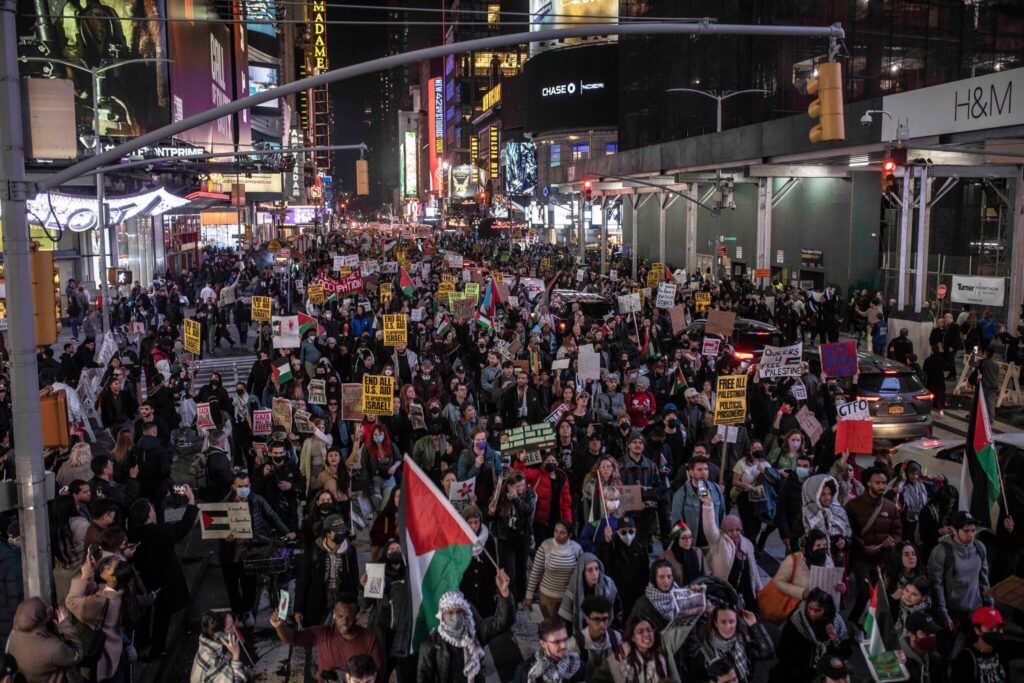
DHS Secretary Kristi Noem’s January 9, 2026 NYC visit generated intense protest activity. Her arrival occurred one day after the Minneapolis ICE shooting.
Protesters confronted Noem at One World Trade Center. She held a press conference announcing “Operation Salvo” completion while demonstrators rallied outside.
Noem defended the ICE agent’s actions publicly. She claimed the officer “followed his training,” sparking further outrage among protesters.
Mayor Zohran Mamdani criticized Noem’s characterization. He questioned ICE training protocols if deadly force constituted proper procedure.
The protests remained largely peaceful despite tension. Police reported no arrests during the World Trade Center demonstrations.
Student Walkouts and Youth Activism
Young people became prominent voices in 2026 NYC protests. Student-organized walkouts demonstrated youth engagement with political issues.
The Friday solidarity walkout with Minneapolis drew thousands. Students from across NYC’s five boroughs participated in coordinated action.
Elizabeth Irwin High School student Isabelle Rosse, 17, articulated youth frustration. She stated, “We f**king hate Trump, and I want him to know that.”
Youth activists expressed feeling powerless within existing systems. Protests provided outlets for political expression when other avenues seemed blocked.
Students emphasized ICE enforcement represents terrorism. Young protesters connected immigration raids to broader authoritarian concerns.
“No Kings” Nationwide Protest Movement
The “No Kings” demonstration represented the largest anti-Trump protest of his second term. NYC hosted multiple simultaneous rallies as part of nationwide coordination.
Saturday protests occurred at various locations citywide. The movement targeted what organizers called authoritarian tendencies in federal governance.
Hundreds gathered at Bryant Park before marching. The route took demonstrators past symbolic locations including Trump Tower.
The protests addressed multiple grievances simultaneously. Immigration enforcement, Greenland acquisition proposals, and civil rights concerns dominated messaging.
Organizers emphasized sustained resistance over single events. “No Kings” represented ongoing movement building rather than isolated demonstration.
Where NYC Protests Typically Happen
Understanding common protest locations helps find today’s demonstrations. NYC protests concentrate in areas with high visibility and symbolic significance.
Union Square hosts impromptu and planned gatherings. The central Manhattan location provides subway accessibility from all boroughs.
Washington Square Park in Greenwich Village serves as rallying point. The arch and fountain provide natural gathering spaces.
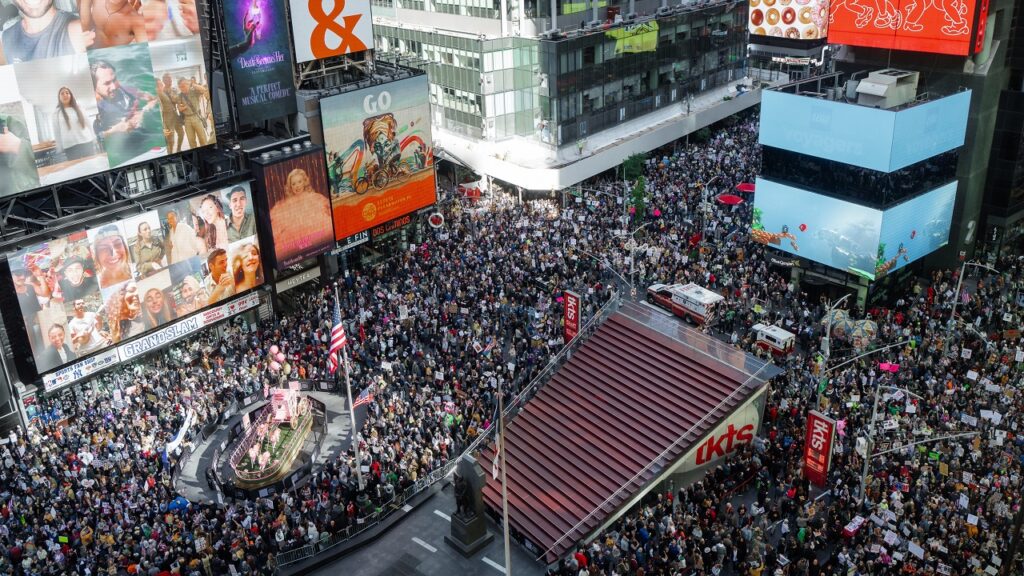
Times Square offers maximum visibility for messages. Protesters target the tourist-heavy area for media attention.
City Hall Park enables direct engagement with local government. Demonstrators address municipal policy concerns here.
Federal Plaza and Foley Square anchor immigration rights protests. The federal court and detention facility make these strategic locations.
How to Find Today’s Protests in Real-Time
Multiple resources provide current information about NYC protest activity. Checking these sources reveals what’s happening today.
NYC Protest Coverage (@nycprotestcoverage) on Instagram posts daily updates. The account shares protest calendars, live coverage, and safety information.
Protest_NYC website (protest.one) maintains comprehensive calendars. The platform covers NYC and Long Island protests plus mutual aid activities.
Hands Off NYC coalition coordinates resistance efforts. Their website and social media announce anti-federal-incursion demonstrations.
Local news outlets report planned and ongoing protests. CBS New York, NBC New York, and ABC7 provide breaking coverage.
Social media hashtags like #NYCProtests reveal real-time activity. Twitter/X and Instagram posts document ongoing demonstrations.
Text alert system “LOBBY” (661-465-6229) sends location updates. The service provides real-time information about safe spaces.
Major Protest Organizations in NYC
Understanding key organizing groups helps anticipate protest activity. These organizations drive much of NYC’s demonstration landscape.
Extinction Rebellion NYC (XRNYC) focuses on climate activism. The group organizes regular demonstrations demanding environmental action.
NYC Democratic Socialists of America (NYC-DSA) coordinates left political actions. Their calendar features protests, meetings, and community events.
Hands Off NYC emerged as broad coalition. The group specifically mobilizes against federal incursions into city affairs.
Get Free NYC organized recent student walkouts. The youth-led movement addresses ICE enforcement and broader justice issues.
National Action Network led by Rev. Al Sharpton addresses civil rights. The organization coordinates marches including Wall Street demonstrations against DEI rollbacks.
Immigration Rights Protest Demands
Immigration-focused protests center on specific policy demands. Understanding these helps contextualize current demonstration objectives.
End ICE raids represents the primary demand. Protesters seek complete cessation of immigration enforcement operations in NYC.
Legal representation funding emerged as crucial ask. The Access to Representation Act would provide $175 million for immigrant legal services.
Protection from federal overreach motivates local government engagement. Advocates demand city resources shield immigrant communities.
Accountability for Minneapolis shooting drives national coordination. Justice for Renee Nicole Good connects local and national movements.
Pathway to citizenship remains long-term goal. Protesters seek comprehensive immigration reform beyond enforcement changes.
Climate Action Protests in 2026
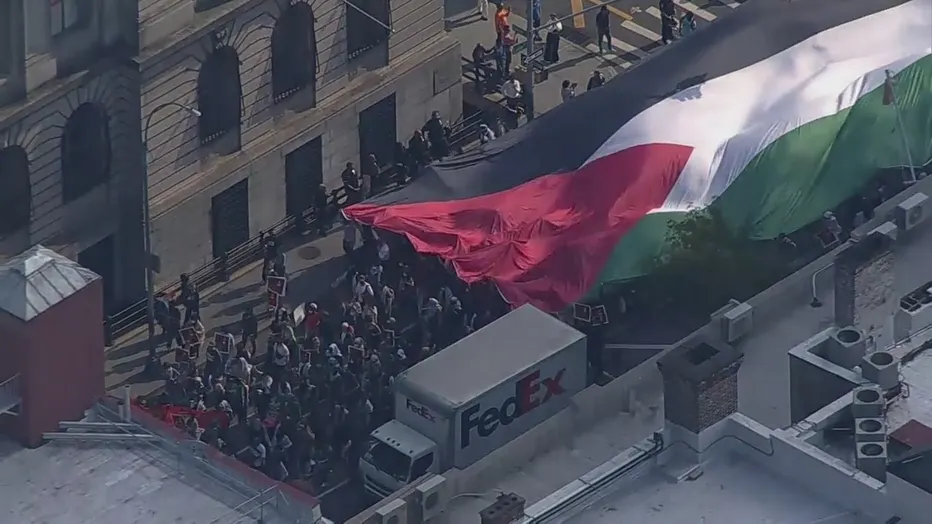
Environmental activism continues strong despite immigration protests dominating headlines. Climate groups maintain regular demonstration schedules.
Extinction Rebellion NYC reassessed core demands in early 2026. The group examined relevance of “Tell the Truth,” “Act Now,” “Beyond Politics,” and “Just Transition.”
The deteriorating political climate prompted strategic planning. Climate activists adapted tactics to new governmental landscape.
Coordination with other movements increased. Environmental groups allied with labor and immigration rights advocates.
Youth climate strikers remained active. Fridays for Future and similar movements maintained visibility through school strikes.
Workers’ Rights and Labor Demonstrations
Labor protests address economic justice and workplace issues. Unions and worker advocacy groups organize regular actions.
The March on Wall Street protested DEI initiative rollbacks. Rev. Al Sharpton led hundreds opposing corporate policy changes.
Gig economy workers demand better protections. App-based drivers and delivery workers seek employment classification changes.
Healthcare workers rally for staffing improvements. Nurse unions highlight patient safety concerns from understaffing.
Teacher unions address education funding. Public school advocates protest budget cuts and resource shortages.
Minimum wage campaigns continue despite previous victories. Workers push for further increases and enforcement.
Civil Liberties and Constitutional Rights Protests
Constitutional concerns generate ongoing protest activity. Demonstrators oppose policies they view as rights violations.
Surveillance technology expansion prompts privacy protests. Facial recognition and data collection programs face organized opposition.
Voting rights demonstrations address access concerns. Activists oppose restrictive voting legislation and support expansion measures.
Criminal justice reform remains priority. Protesters demand police accountability and bail reform maintenance.
Freedom of assembly protection became meta-issue. Demonstrations about rights to demonstrate highlight circular concern.
Press freedom advocates join protest coalitions. Journalists and media workers oppose restrictions on coverage.
Protest Safety and Legal Considerations
Understanding safety practices and legal rights protects participants. NYC protesters face specific considerations for demonstrations.
Know your rights before attending protests. Organizations like National Lawyers Guild provide legal observer training and know-your-rights resources.
Stay aware of surroundings during demonstrations. Identify exits, medical support locations, and legal observer positions.
Document police interactions when safe to do. Video evidence protects against false accusations and documents misconduct.
Travel in groups for safety. Buddy systems prevent isolation and provide mutual support.
Prepare for arrests even at peaceful protests. Memorize legal contact numbers and understand booking procedures.
Role of Social Media in NYC Protests
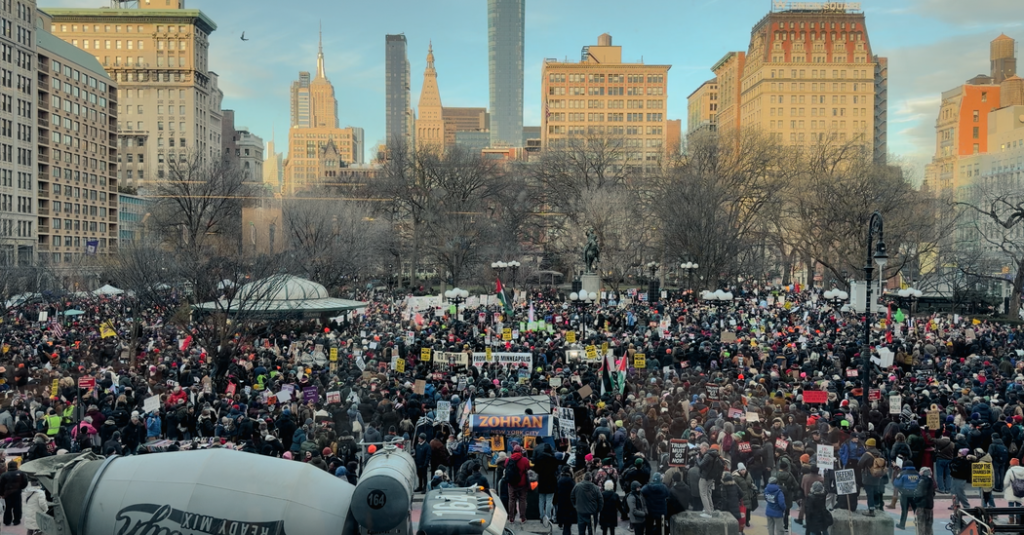
Digital platforms transformed protest organization and coverage. Social media enables rapid mobilization and real-time documentation.
Instagram serves as primary organizing platform. Accounts like @nycprotestcoverage provide calendars and live updates.
Twitter/X facilitates real-time coordination. Hashtags help protesters find demonstrations and share information.
TikTok reaches younger demographics effectively. Short-form video content spreads protest messages to new audiences.
Facebook groups organize specific communities. Neighborhood-based organizing happens through local groups.
Signal and encrypted messaging protect organizing. Activists use secure communications for sensitive coordination.
Police Response to NYC Protests
NYPD tactics vary based on protest type and location. Understanding police approaches helps protesters prepare appropriately.
Most 2026 protests proceeded without arrests. Police maintained presence but allowed peaceful demonstrations.
Strategic Disorder Unit (SDU) deploys to larger protests. The crowd control unit maintains distance unless conflicts emerge.
Legal observers monitor police behavior. Their presence documents interactions and potential rights violations.
Kettling rarely occurred in early 2026 protests. Police allowed protesters freedom of movement generally.
Community liaisons sometimes facilitate communication. Dialogue between organizers and police prevents unnecessary confrontations.
Media Coverage of NYC Protests
Local news outlets provide varying protest coverage levels. Understanding media landscape helps assess information sources.
CBS New York maintains dedicated protest tag. Their website features ongoing coverage of demonstrations citywide.
NBC New York emphasizes breaking news approach. Live coverage during major protests provides real-time information.
ABC7 balances protest coverage with administration perspectives. Their reporting includes official responses alongside protester voices.
THE CITY provides in-depth local journalism. Their coverage explores protest context and community impacts.
Independent media fills coverage gaps. Outlets like Democracy Now and local blogs offer alternative perspectives.
Impact of Weather on NYC Protests
Weather conditions significantly affect protest turnout and tactics. NYC’s climate requires seasonal adaptation strategies.
Winter 2026 protests faced frigid temperatures. January demonstrations occurred despite wind chills and snow.
Protesters bundle in layers for cold weather actions. Maintaining warmth enables extended demonstration presence.
Summer heat presents different challenges. Hydration and heat exhaustion prevention become priorities.
Rain doesn’t typically cancel protests. Waterproof gear allows continued action in precipitation.
Extreme weather reduces turnout but not commitment. Core activists maintain presence regardless of conditions.
Protest Tactics and Strategies
NYC protesters employ diverse tactical approaches. Different situations call for varying strategies and methods.
Marches move through public spaces visibly. Routes maximize exposure to pedestrians and media.
Sit-ins occupy specific locations strategically. Federal buildings and corporate offices become protest sites.
Die-ins dramatically illustrate issues. Bodies lying on sidewalks symbolize deaths from policies.
Banner drops create visual impact. Large signs hang from buildings or overpasses.
Performance art engages public attention creatively. Theatrical elements make messages memorable.
Silent protests convey solemn messages. Quiet demonstrations contrast with noisy rallies effectively.
Mutual Aid and Community Support
Protests connect to broader mutual aid networks. Support systems sustain movement participation.
Food distribution occurs at demonstration sites. Community members provide snacks and meals to protesters.
Medical support teams staff protests. Volunteer medics treat injuries and health issues.
Legal support networks prepare for arrests. Lawyers and legal observers coordinate defense strategies.
Childcare collectives enable parent participation. Free babysitting allows caregivers to attend protests.
Transportation coordination helps accessibility. Rides to demonstrations overcome mobility barriers.
Historic NYC Protest Locations
Understanding protest history provides context for current actions. NYC’s demonstration tradition spans centuries.
Stonewall Inn launched LGBTQ+ rights movement. The 1969 uprising occurred in Greenwich Village.
Zuccotti Park hosted Occupy Wall Street in 2011. The encampment sparked national movement.
Harlem witnessed civil rights demonstrations. Malcolm X and others organized resistance here.
Washington Square Park has centuries of protest history. Anti-war movements gathered under the arch.
Union Square served labor movement organizing. Workers’ rights protests centered here historically.
Comparing 2026 Protests to Previous Years
NYC protest activity in 2026 reflects both continuity and change. Comparing to previous years reveals patterns.
Immigration protests intensified compared to 2025. Federal enforcement expansion drove increased mobilization.
Climate protests maintained consistent presence. Environmental activism neither surged nor declined dramatically.
BLM protests occurred less frequently than 2020-2021. The movement shifted toward institutional change work.
COVID-related protests disappeared. Pandemic policies no longer generate demonstration activity.
Anti-war protests remained minimal. International conflicts haven’t sparked major NYC peace movement.
Role of Elected Officials in Protests
Politicians’ protest participation varies significantly. Some join demonstrations while others maintain distance.
Mayor Zohran Mamdani expressed strong opposition to ICE enforcement. His administration represents departure from predecessor Eric Adams.
Public Advocate Jumaane Williams regularly attends protests. He frames participation as elected official responsibility.
New York Attorney General Letitia James announced ICE activity monitoring. State government resources document federal enforcement.
City Council members appear at relevant demonstrations. Individual members support causes aligning with constituencies.
Federal representatives generally avoid protests. Congressional delegation engages through legislative channels instead.
Economic Impact of Protests
Demonstrations affect NYC’s economy in multiple ways. Business disruption and spending both occur.
Protest marches briefly disrupt traffic and commerce. Short-term impacts remain minimal for most businesses.
Tourism sometimes increases around major protests. Media attention attracts visitors interested in activism.
Businesses near protest sites prepare accordingly. Some close temporarily while others welcome protesters.
Security costs burden city budget. NYPD overtime and resources represent significant expenses.
Movement spaces generate economic activity. Protesters purchase food, supplies, and transportation.
Digital Activism Complementing Street Protests
Online organizing amplifies physical demonstrations. Digital and street activism work synergistically.
Petition platforms mobilize email lists. Change.org and similar sites gather signatures supporting demands.
Video documentation spreads protest messages. Livestreams reach audiences unable to attend physically.
Hashtag campaigns build awareness. Trending topics attract mainstream media attention.
Virtual rallies accommodate distant supporters. Zoom events enable national coordination.
Database building sustains movements. Email lists and contact information enable future mobilization.
Protest Chants and Messaging
Specific slogans characterize 2026 NYC protests. Understanding common chants provides cultural context.
“ICE, Gestapo, Get Out of New York Now” dominates immigration protests. The comparison to Nazi secret police emphasizes enforcement concerns.
“This Land Is Our Land” connects to American folk tradition. Protesters sing Woody Guthrie’s song asserting belonging.
“No Kings” references revolutionary American history. The slogan opposes authoritarian governance.
“The People United Will Never Be Defeated” maintains classic status. The bilingual chant appears across movement types.
Custom chants emerge for specific situations. Protest creativity generates new slogans continuously.
Future of NYC Protest Movements
Anticipating protest trajectory helps movement planning. Several trends suggest future directions.
Immigration enforcement will drive continued activism. Federal policies ensure ongoing mobilization necessity.
Climate urgency increases activism intensity. Worsening conditions motivate more radical tactics.
Economic inequality protests may expand. Wealth gaps generate growing resentment and organization.
Technology regulation becomes emerging issue. AI and surveillance prompt new forms of activism.
Coalition building strengthens movements. Different causes increasingly coordinate actions and share resources.
Getting Involved in NYC Protests
Newcomers to activism need guidance for participation. Multiple entry points exist for engagement.
Start by following organizer social media accounts. Digital presence provides information before physical attendance.
Attend smaller actions before major demonstrations. Building experience and connections happens gradually.
Join organizational meetings to understand strategy. Most groups welcome new members at planning sessions.
Volunteer in support roles initially. Medical support, legal observing, and supply coordination need help.
Bring friends for safety and community. Group attendance improves experience and security.
Protest Photography and Documentation
Visual documentation serves multiple purposes. Photography both preserves history and aids organizing.
Document the protest itself extensively. Wide shots capture crowd size while details show messaging.
Photograph police carefully and legally. Officers in public spaces can be filmed.
Respect protesters’ anonymity when possible. Not everyone wants face documentation.
Share images through appropriate channels. Organizers often curate official protest photo sharing.
Understand legal protections and risks. Photography generally receives First Amendment protection.
International Solidarity with NYC
NYC protests connect to global movements. International coordination strengthens local actions.
Minneapolis shooting sparked nationwide protests. NYC demonstrations aligned with broader resistance.
Climate activism maintains international networks. Extinction Rebellion coordinates globally while acting locally.
Labor movements share strategies internationally. Union tactics developed abroad influence NYC organizing.
Human rights organizations coordinate globally. NYC chapters participate in worldwide campaigns.
Digital platforms enable instant global communication. Movements share tactics and inspiration across borders.
Frequently Asked Questions (FAQs)
What protest is happening in NYC today?
To find today’s specific protests, check NYC Protest Coverage on Instagram (@nycprotestcoverage), the Protest_NYC calendar at protest.one, or local news sites like CBS New York and NBC New York. Common current protests focus on immigration enforcement, climate action, and civil liberties, typically occurring at locations like Foley Square, Union Square, and Trump Tower.
Where do most NYC protests happen?
Most NYC protests occur at Foley Square (immigration rights), Union Square (general activism), Washington Square Park (youth movements), Trump Tower on Fifth Avenue (anti-administration protests), Times Square (maximum visibility), and Federal Plaza (immigration detention issues). These locations offer symbolic significance, high foot traffic, and proximity to relevant government buildings or corporate targets.
How can I stay safe at NYC protests?
Stay safe by knowing your rights, traveling in groups, identifying exits and medical support locations, documenting police interactions when safe, bringing water and snacks, wearing comfortable shoes, keeping your phone charged, memorizing legal hotline numbers (National Lawyers Guild: 212-679-6018), avoiding confrontations, and following experienced protesters’ guidance during tense situations.
Are NYC protests legal and do I need a permit?
Protests on public sidewalks without obstructing pedestrian traffic generally don’t require permits in NYC. Marches in streets, events in parks, or gatherings with amplified sound typically need permits from NYPD. However, many protests proceed without permits under First Amendment protections. Organizers usually handle permit logistics for major demonstrations, while spontaneous actions may operate in legal gray areas.
What should I bring to a protest?
Bring water, snacks, weather-appropriate clothing, comfortable walking shoes, a fully charged phone with emergency contacts, cash, ID, any necessary medications, a small first aid kit, a pen and paper, a face mask (for health or anonymity), and optional items like signs, sunscreen, and portable phone chargers. Avoid bringing valuables, weapons, drugs, or items that could be considered dangerous.
How do I find protest calendars for NYC?
Check Protest_NYC (protest.one), NYC Protest Coverage Instagram, NYC-DSA calendar (calendar.socialists.nyc), Extinction Rebellion NYC events page, Hands Off NYC website, Mobilize.us for progressive actions, Eventbrite under protest/activism categories, local organization social media (follow groups aligned with your interests), and college campus activism boards which often announce citywide actions.
Can I be arrested at a peaceful protest?
Yes, arrests can occur even at peaceful protests, though most NYC demonstrations proceed without arrests. Common arrest reasons include blocking traffic, refusing to disperse, trespassing, disorderly conduct, or resisting arrest. Having legal support numbers memorized (National Lawyers Guild NYC: 212-679-6018) and understanding your rights helps. Legal observers at protests document police behavior and provide support.
What issues are NYC protesters currently focused on?
Current 2026 NYC protest focuses include immigration rights and anti-ICE enforcement (following the Minneapolis shooting), climate action and environmental justice, workers’ rights and economic inequality, civil liberties and constitutional rights, reproductive rights, housing affordability and tenant protections, police accountability, LGBTQ+ rights, Palestinian solidarity, and opposition to federal policies perceived as authoritarian or discriminatory.
How has Mayor Zohran Mamdani responded to protests?
Mayor Mamdani has expressed stronger support for protesters than his predecessor Eric Adams, particularly on immigration issues. He condemned the Minneapolis ICE shooting, stated “New York stands with immigrants,” questioned ICE training protocols, and emphasized protecting New Yorkers’ safety from federal enforcement. His administration represents a more progressive stance, though his specific response to federal ICE surges in NYC remains to be fully tested.
What happened at the Minneapolis shooting that sparked NYC protests?
On January 8, 2026, an ICE agent fatally shot 37-year-old Renee Nicole Good in Minneapolis during immigration enforcement operations. Federal officials claimed she “weaponized her vehicle,” but Minneapolis Mayor Jacob Frey called this version “bullshit.” The shooting sparked nationwide protests including massive NYC demonstrations at Foley Square, One World Trade Center, and other locations demanding ICE accountability and ending enforcement operations.
Conclusion
What protest is happening in NYC today reflects the city’s ongoing tradition of civic engagement and democratic participation across diverse causes, with immigration rights, climate action, and civil liberties currently dominating demonstration activity in 2026.
Following the January 8 Minneapolis ICE shooting, NYC witnessed unprecedented mobilization with hundreds gathering daily at strategic locations including Foley Square, Trump Tower, and federal buildings to demand accountability and policy changes.
To stay informed about today’s specific protests, regularly check resources like NYC Protest Coverage on Instagram, the Protest_NYC calendar, Hands Off NYC coalition announcements, and local news outlets that provide real-time coverage.
Major demonstrations typically occur at established locations—Foley Square for immigration rights, Union Square for general activism, Washington Square Park for youth movements, and Trump Tower for anti-administration protests—with most actions announced 24-48 hours in advance through social media channels and organizing networks.