
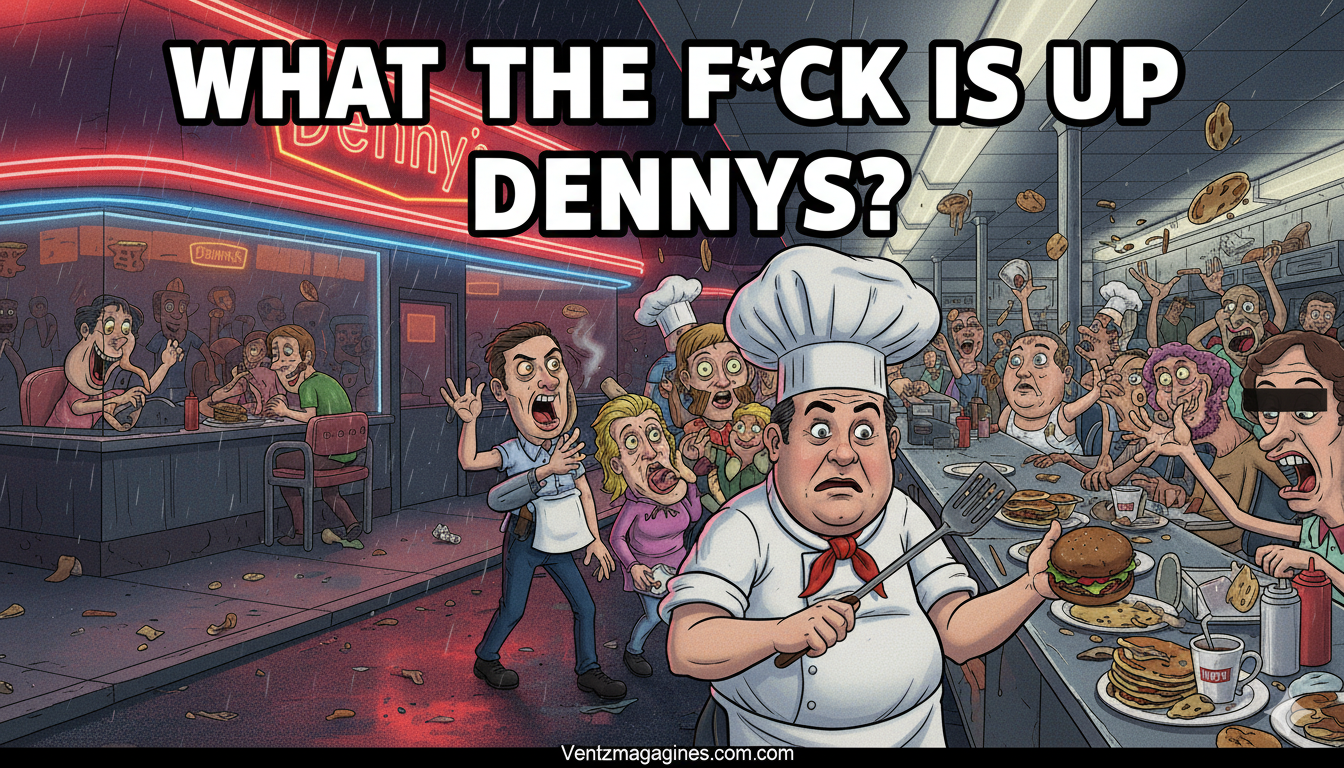
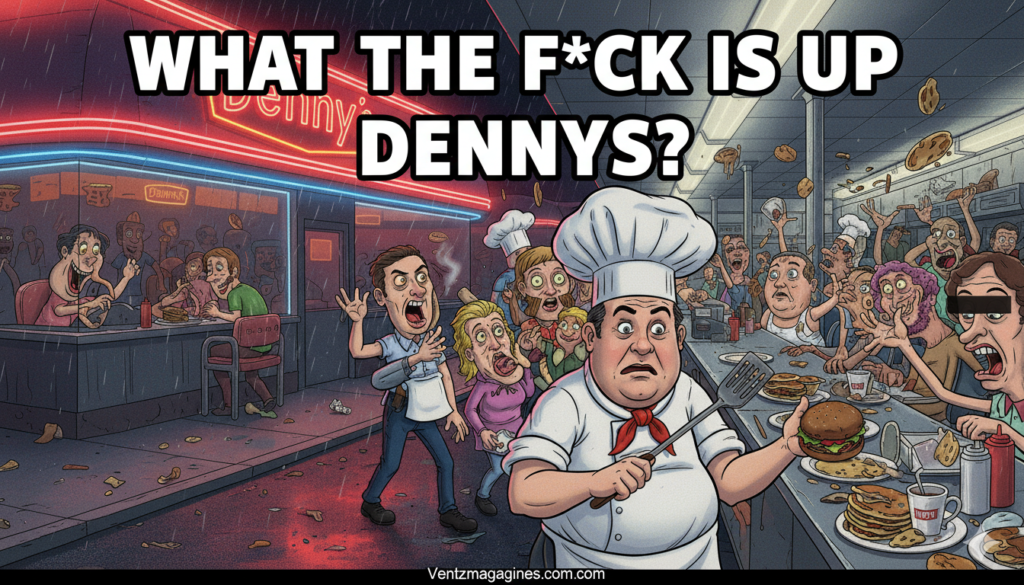
What the fuck is up Dennys represents one of internet culture’s most legendary moments in punk rock history. This iconic phrase originated from a Houston metalcore band’s chaotic performance inside an abandoned Denny’s restaurant back in 2013.
The video captured raw energy, rebellious spirit, and perfect comedic timing that resonated across generations of music fans worldwide.
The meme transcended its humble origins to become a cultural touchstone. From viral Twitter posts reaching millions of views to major bands like Blink-182 recreating the moment, this phrase represents DIY punk ethos at its finest.
What started as a simple concert announcement transformed into a rallying cry for underground music communities everywhere seeking authenticity and memorable experiences.
Understanding this meme requires diving into its fascinating backstory, cultural impact, and continuing relevance in 2026.
This comprehensive guide explores every aspect of the phenomenon that made a fast-food chain synonymous with hardcore punk rebellion and internet virality.
Table of Contents
Quick Facts About What the Fuck Is Up Dennys
| Fact | Details |
|---|---|
| Origin Date | May 18, 2013 |
| Original Band | Live Without (Houston metalcore band) |
| Location | Abandoned Denny’s, Houston, Texas |
| Who Said It | Kris (Lead vocalist of Live Without) |
| YouTube Upload | May 19, 2013 |
| Current Views | 4+ million on original video |
| Viral Peak | 2018-2019 resurgence |
| Blink-182 Homage | October 27, 2023 |
| Genre Connection | Metalcore, hardcore punk, DIY music |
| Meme Status | Active and continuously referenced |
The Original Dennys Grand Slam Story
Live Without faced a unique opportunity in May 2013. The Houston-based metalcore band discovered their local Denny’s location was shutting down permanently. Instead of mourning the closure, band members saw creative potential in the empty space.
Lead guitarist Matt and drummer Zain approached the restaurant owners before final closure. They pitched an unconventional idea: hosting a hardcore concert inside the vacant establishment. The owners surprisingly agreed, allowing the band to organize an event dubbed “The Grand Slam.”
The band charged just one dollar minimum admission. All proceeds went directly to the Denny’s owners as a final farewell gesture. Within 24 hours, Live Without promoted the show across Houston’s underground music scene aggressively.
What Happened During the Concert
May 18, 2013 became legendary in underground music circles. The abandoned Denny’s transformed into an impromptu concert venue. Chairs and tables removed, the space became perfect for aggressive dancing and moshing.
Approximately 50-75 fans packed into the former restaurant. The energy immediately reached fever pitch when Live Without began performing. Hardcore dancing, circle pits, and crowd surfing erupted spontaneously throughout the venue.
Midway through their set, vocalist Kris delivered the immortal line. “What’s up! What the fuck is up, Denny’s?!” he screamed at the frenzied crowd. The moment perfectly encapsulated DIY punk spirit meeting absurdist humor in perfect harmony.
The band borrowed PA equipment from friends. They brought fans from their workplace to cool the space. Everything about the event embodied authentic underground music culture creating magic from limited resources.
The Video That Started Everything
Live Without uploaded concert footage on May 19, 2013. The four-minute video titled “The Dennys Grand Slam” initially gained modest attention. Local Houston music fans shared it, but mainstream virality remained distant.
The video quality captured raw authenticity. Shaky camera work, intense crowd reactions, and powerful performance energy translated perfectly through screens. Viewers experienced the chaos firsthand through genuine documentation.
YouTube user Josh Bird isolated the iconic quote in 2018. His short clip focusing solely on “What the fuck is up, Denny’s?” reignited interest dramatically. The condensed format proved perfect for social media sharing across multiple platforms.
Twitter users rediscovered the content that year. Clips spread rapidly through retweets and quote tweets. The absurdity of hardcore punk meeting family restaurant branding created irresistible shareable content.
Why the Meme Went Viral
Several factors contributed to explosive popularity. The phrase itself combines vulgarity with wholesome Denny’s branding hilariously. This juxtaposition created instant comedic gold that resonated across demographics.
Timing played crucial roles in viral success. Social media algorithms in 2018 favored video content heavily. Short clips with immediate impact performed exceptionally well across Twitter, Instagram, and emerging TikTok.
The DIY ethos appealed to younger generations. Millennials and Gen Z valued authentic experiences over corporate polish. Live Without represented real musicians creating memorable moments without major label support.
Nostalgia for underground music culture attracted older fans. People who attended similar shows in their youth found the video relatable. It reminded them of rebellious experiences from their own musical journeys.
The 2019 Wacko Performance Revival
December 14, 2019 brought the meme full circle. California punk band Wacko performed at a functioning Denny’s in Santa Ana. Seventeen-year-old promoter Bryson Del Valle organized the guerrilla concert specifically honoring Live Without’s legacy.
The show exceeded the restaurant’s 50-person capacity significantly. Over 100 fans crammed into the dining room. Crowd surfing, moshing, and chaotic energy mirrored the original 2013 performance perfectly.
Ceiling lamps swung dangerously during intense moments. Tables and booths suffered damage from aggressive dancing. The band’s bassist’s father provided the evening’s memorable introduction: “They tell me that special tonight is WACKO!”
Twitter user @urfavhotgirl posted footage captioned “WHAT THE FUCK IS UP DENNYS.” The tweet garnered 1.3 million views, 89,000 likes, and 20,000 retweets within 48 hours. Media outlets including TIME and Alternative Press covered the story extensively.
The event caused approximately $2,000 in damages. Denny’s management initially seemed receptive to the rental. However, they hadn’t anticipated a hardcore punk show’s physical intensity.
Green Day members stepped in unexpectedly. Billie Joe Armstrong and Mike Dirnt contributed funds to cover repair costs. Their gesture demonstrated punk rock solidarity across generations and commercial success levels.
Blink-182 Enters the Conversation
October 27, 2023 marked another significant milestone. Pop-punk legends Blink-182 posted videos performing inside a Denny’s. They promoted their 2024 tour while directly referencing the viral meme.
The band performed “One More Time” from their latest album. Their video reached 141,000 YouTube views and 9,200 Twitter likes within five days. Blink-182’s massive following introduced the meme to mainstream audiences globally.
Live Without guitarist Matt responded on Reddit. He expressed frustration that Blink-182 profited from their concept without acknowledgment. The band created merchandise referencing the meme without crediting or contacting Live Without.
Matt wrote: “They are millionaires and trying to ripoff DIY band stuff.” His comment highlighted tensions between underground artists and commercial success stories. Denny’s corporate benefited from notoriety while ignoring Live Without’s foundational contribution.
The controversy sparked discussions about cultural appropriation. Fans debated whether major bands should compensate smaller artists for viral concepts. Many supported Live Without’s position that credit costs nothing but means everything.
Cultural Impact and Significance
What the fuck is up Dennys transcended simple meme status. It became shorthand for DIY punk culture’s rebellious spirit. The phrase represents creating memorable experiences regardless of traditional venue constraints.
Underground music communities adopted it as rallying cry. Local bands reference the meme when booking unconventional performance spaces. Coffee shops, house shows, and parking lots all became potential “Denny’s moments.”
The meme democratized music venue concepts. Artists realized official venues weren’t necessary for impactful performances. Creativity and community support mattered more than professional sound systems or established locations.
Social media amplified grassroots music culture visibility. Younger generations discovered hardcore punk through viral videos. Live Without introduced metalcore to audiences who might never attend traditional concerts.
Corporate brands noticed the phenomenon reluctantly. Denny’s corporate never officially embraced the association. Their silence demonstrated disconnect between corporate image and genuine cultural movements organically associating with brands.
Meme Variations and Spin-offs
Internet users created countless variations. “What the fuck is up [brand name]” became flexible template. Users applied the format to various situations, locations, and contexts beyond restaurant settings.
GIF culture adopted the moment enthusiastically. Tenor and GIPHY host numerous animated versions. Users deploy these GIFs expressing excitement, confusion, or calling attention to unexpected situations.
TikTok content creators referenced the meme extensively. Musicians posted covers, parodies, and homages. The audio clip became popular background sound for videos showcasing chaotic energy or punk aesthetics.
Merchandise opportunities expanded beyond Live Without. Independent artists created unofficial designs. T-shirts, stickers, and posters featuring the phrase sold consistently throughout underground music scenes.
The phrase entered everyday vocabulary for certain demographics. Music fans use it greeting friends at concerts. It signals shared cultural knowledge and appreciation for underground music history.
Live Without’s Journey Since 2013
The band embraced their viral fame authentically. They released “Liars Reign” album in August 2013. March 2020 brought their “Mannequin” EP to continued fan support.
Social media bios subtly reference the legendary moment. Instagram and Twitter descriptions acknowledge their Denny’s connection without overplaying it. They balance meme recognition with ongoing musical identity.
Tenth-anniversary merchandise in 2023 sold out completely. Fans eagerly purchased commemorative items celebrating the iconic performance. Limited edition releases demonstrated sustained interest a decade later.
The band continues performing regularly around Texas. They’ve achieved modest success in metalcore circles. While not mainstream famous, they maintain dedicated following appreciating their authentic approach.
Matt, the guitarist, remains most vocal online. He participates in discussions about the meme’s evolution. His Reddit presence keeps fans updated and engaged with band activities.
The Psychology Behind Viral Success
Juxtaposition creates powerful comedy. Family-friendly Denny’s contrasting with aggressive punk music produces cognitive dissonance. Brains find this unexpected combination inherently memorable and amusing.
Authenticity resonates in manufactured culture. Live Without’s genuine DIY approach felt refreshing. No corporate sponsors, professional production, or calculated marketing – just raw musical passion.
Relatability drove widespread sharing. Many people experienced memorable moments in unexpected locations. The video reminded viewers that magic happens anywhere when right people gather.
Brevity aided viral spread significantly. The isolated quote clip lasted mere seconds. Modern attention spans favor quick, impactful content over lengthy explanations.
Community building strengthened meme longevity. Fans who understood the reference formed in-groups. Sharing the meme signaled membership in underground music culture.
Denny’s Corporate Response Evolution
Initial corporate silence spoke volumes. Denny’s headquarters never officially acknowledged the viral phenomenon. They likely viewed association with rowdy punk shows as brand risk.
The restaurant chain benefits from meme exposure. Younger demographics associate Denny’s with counterculture coolness. This connection contradicts traditional late-night diner stereotypes positively.
Individual franchises reacted differently. Some owners embraced punk culture associations. Others strictly prohibited similar events after witnessing 2019 damage reports.
Social media managers occasionally reference memes subtly. Denny’s Twitter account is known for quirky humor. However, they avoid explicitly endorsing hardcore concerts in their establishments.
The corporate dilemma remains unresolved. Acknowledging the meme risks encouraging similar events. Ignoring it means missing potential marketing opportunities with younger consumers.
Legal and Ethical Considerations
Venue liability concerns arose after 2019. Restaurant owners assuming they’re hosting dinner realized they enabled potential property damage. Insurance implications for unconventional venue usage became discussion topics.
Copyright and trademark questions emerged subtly. Denny’s never pursued legal action against Live Without. The band used the brand name without permission in video titles.
Merchandising rights created gray areas. Live Without sells Denny’s-referencing products. Corporate could theoretically claim trademark infringement but hasn’t pursued action.
Credit and attribution became contentious. Blink-182’s situation highlighted ethical obligations. Major artists using smaller artists’ concepts should acknowledge sources appropriately.
Guerrilla marketing debates intensified. Some viewed the performances as brilliant grassroots promotion. Others considered them exploitative of brand recognition without permission.
Modern References in 2026
TikTok keeps the meme alive constantly. New generations discover the original video regularly. Hashtags like #dennys and #whatthefuckisup remain moderately popular.
Music festivals occasionally feature Denny’s-themed stages. Smaller punk festivals embrace the absurdist humor. Decorating stages like diners creates visual callbacks to the original performance.
Podcasts discussing internet culture frequently mention it. The story exemplifies DIY music culture’s spirit. Commentators analyze what made the moment so culturally significant.
Reddit communities revisit the topic periodically. Subreddits dedicated to punk, hardcore, and meme culture share the video. New fans discover it monthly through community recommendations.
YouTube comment sections remain active. Users post timestamps, personal stories, and appreciation. The engagement demonstrates continued relevance despite video’s age.
Impact on DIY Music Culture
Live Without inspired countless unconventional shows. Bands actively seek unusual performance venues. Abandoned buildings, parking garages, and yes, restaurants become punk rock stages.
The low barrier to entry encouraged new musicians. You don’t need major venues or expensive equipment. Passion and creativity suffice for memorable performances.
Social media documentation became essential. Every DIY show gets filmed and shared. Musicians recognize viral potential in authentic, unique performances.
Community support networks strengthened significantly. Fans help bands find spaces, equipment, and promotion. Collective effort makes impossible shows happen regularly.
The meme elevated underground music visibility. Metalcore and hardcore gained mainstream awareness. People unfamiliar with genres discovered them through viral content.
Comparing to Other Restaurant Concert Memes
Other fast food venues hosted similar events. McDonald’s, Taco Bell, and Burger King saw DIY performances. However, none achieved “What the fuck is up Dennys” cultural penetration.
The phrasing made the difference. Other concerts lacked equally quotable moments. Kris’s delivery and word choice proved irreplicably perfect.
Wacko’s 2019 show gained significant attention. Green Day’s involvement added celebrity element. Yet it remained forever connected to Live Without’s original achievement.
Corporate responses varied across brands. Some chains embraced counterculture associations. Most remained cautiously distant from encouraging property damage risks.
The Role of Nostalgia
Millennials remember DIY show culture fondly. The video triggers memories of youth rebellion. Watching it provides emotional connection to formative experiences.
Gen Z discovers punk history through memes. They learn about scene culture via viral videos. “What the fuck is up Dennys” serves as educational content inadvertently.
Musical genres gain new audiences unexpectedly. Metalcore and hardcore punk reach people outside traditional channels. Memes introduce music genres more effectively than conventional marketing.
Archived internet content becomes historical documentation. The video preserves specific cultural moment permanently. Future generations study DIY culture through such artifacts.
Criticism and Controversies
Property damage concerns sparked legitimate debate. Wacko’s show caused real financial harm. Restaurant owners and staff faced cleanup burdens.
Safety issues remained largely ignored initially. Overcrowding, lack of emergency exits, and potential injuries. Romanticizing chaos overlooks genuine risks involved.
Appropriation accusations continued after Blink-182. Larger artists benefit from underground culture without contribution. The dynamic highlights inequality in music industry economics.
Denny’s workers faced difficult situations. Staff members present during guerrilla shows experienced stress. Their perspectives rarely entered viral narrative discussions.
Glorifying rule-breaking troubled some observers. Trespassing, noise violations, and property use without permission. The meme celebrates behavior that causes real problems.
Future of the Meme
2026 marks thirteen years since origin. The meme remains recognizable across demographics. Longevity suggests permanent cultural fixture status achieved.
New bands will inevitably attempt recreations. Some might achieve viral success independently. However, replicating original magic proves nearly impossible.
Documentary filmmakers may explore the story. A comprehensive film could examine underground music culture. Live Without’s moment deserves serious artistic documentation.
Academic studies might analyze the phenomenon. Sociology and communications scholars could dissect viral mechanics. The case study offers rich material for research.
Creating Your Own Viral Moment
Authenticity cannot be manufactured artificially. Live Without didn’t plan viral success. Their genuine passion created naturally shareable content.
Unique concepts attract attention immediately. Combining unexpected elements produces memorable results. Consider what unusual combinations might resonate.
Documentation quality matters significantly. Clear audio and stable video help. Poor quality footage reduces shareability despite great content.
Community support amplifies reach exponentially. Engage local scenes before attempting viral moments. Existing networks help content spread rapidly.
Timing remains unpredictable but crucial. Cultural moments require right content meeting right audience. Patience and persistence eventually connect with viewers.
Lessons for Underground Musicians
DIY ethos creates authentic connections. Fans appreciate genuine passion over polished production. Focus on meaningful experiences rather than commercial appeal.
Unconventional approaches generate buzz effectively. Normal venues produce normal results. Unusual locations create stories worth sharing.
Social media demands strategic understanding. Short, impactful clips perform better than full concerts. Edit thoughtfully for maximum viral potential.
Community building sustains long-term success. One viral moment doesn’t guarantee careers. Cultivate dedicated following through consistent engagement.
Financial success doesn’t define impact. Live Without gained cultural relevance without wealth. Influence and recognition matter differently than money.
The Meme in Popular Culture
Television shows occasionally reference it. Background jokes in comedies about hardcore music. Writers assume audiences recognize the phrase.
Stand-up comedians use it in routines. The absurdity translates well to live comedy. Audiences laugh at relatable punk culture references.
Music journalism frequently cites the example. Articles about DIY culture or viral moments. The story becomes shorthand for underground success.
Marketing professionals study the phenomenon. Organic brand associations intrigue corporate strategists. They analyze what makes content genuinely shareable.
Technical Analysis of the Original Video
Four-minute runtime captures complete experience. Viewers see beginning, middle, and end. Complete narrative arc increases engagement and satisfaction.
Single camera angle maintains authenticity. No professional editing or multiple perspectives. Raw documentation feels more genuine than polished production.
Audio quality perfectly balances clarity and chaos. Music remains audible despite crowd noise. Viewers experience both performance and atmosphere simultaneously.
The iconic moment occurs at optimal timing. Placed midway through maintains viewer attention. Earlier placement might seem forced; later risks losing audience.
Visual chaos communicates energy effectively. Swinging camera movements match crowd intensity. Technical imperfection enhances rather than detracts from content.
Regional Impact on Houston Music Scene
Local bands gained national attention unexpectedly. Houston hardcore scene received unprecedented visibility. The city became associated with DIY punk culture.
Venues recognized unconventional space potential. Promoters explored abandoned buildings more frequently. The success story emboldened creative venue booking.
Young musicians felt empowered by example. Seeing local band achieve viral fame inspired action. Many started bands after watching the video.
Media coverage highlighted Texas music diversity. Mainstream outlets noticed Houston beyond country music. The scene’s variety became more widely acknowledged.
Comparing Viral Music Moments
Few concert videos achieve comparable longevity. Most viral music content fades quickly. “What the fuck is up Dennys” demonstrates exceptional staying power.
Catchphrase quality determines lasting impact. Memorable quotes outlive impressive performances. Verbal elements create shareable, repeatable content.
Behind-the-scenes storytelling adds depth. Learning about event organization increased appreciation. Context transforms simple video into compelling narrative.
Cross-generational appeal extends relevance. Both older punks and young fans appreciate it. Universal themes transcend specific age demographics.
Environmental and Spatial Considerations
Abandoned buildings offer unique acoustic properties. Empty restaurants produce interesting sound characteristics. Concrete and tile create distinctive reverb qualities.
Confined spaces intensify crowd energy. Intimacy between performers and audience matters. Small venues create connection impossible in large spaces.
Visual aesthetics contribute significantly to appeal. The Denny’s branding added recognizable elements. Familiar corporate imagery contrasted beautifully with punk chaos.
Safety concerns deserve serious consideration. Overcrowding in spaces designed for different purposes. Risk management often overlooked in excitement.
The Evolution of Concert Venues
Traditional venues face economic challenges continuously. High rental costs and strict regulations limit options. DIY shows provide accessible alternatives.
Livestreaming changed concert documentation forever. Every performance potentially reaches global audiences. Artists consider viral potential during planning.
Social media metrics influence venue choices. Visually interesting locations attract more attention. Bands select spaces partially for shareability.
Hybrid physical-digital experiences emerged recently. Online viewers participate virtually during live shows. Technology expanded audience reach dramatically.
Merchandising and Commercial Aspects
Live Without monetized viral fame appropriately. T-shirts and commemorative items generated income. Fans eagerly purchase authentic band merchandise.
Bootleg merchandise emerged predictably. Unauthorized sellers profited from meme popularity. Controlling intellectual property proved challenging.
Licensing opportunities remained mostly unexplored. Corporate partnerships could’ve provided funding. The band maintained independence despite commercial potential.
Anniversary editions demonstrated sustained demand. Limited releases consistently sell out quickly. Collectors value authentic memorabilia increasingly.
Frequently Asked Questions (FAQs)
What does “what the fuck is up Dennys” mean?
It’s a quote from Live Without’s vocalist Kris during their 2013 concert at an abandoned Denny’s restaurant in Houston. The phrase combines punk rock attitude with unexpected venue choice, creating an iconic meme.
When did the Dennys meme originally happen?
The original concert occurred on May 18, 2013, and was uploaded to YouTube on May 19, 2013. It went viral years later in 2018 when clips were re-shared across social media platforms.
Who is the band that said it?
Live Without, a metalcore/hardcore band from Houston, Texas. The lead vocalist Kris shouted the iconic line during their “Grand Slam” performance at a closing Denny’s location.
Why did Live Without perform at Denny’s?
The local Denny’s was permanently closing, and the band asked owners for permission to host a final concert. Owners agreed, allowing the DIY show that became internet legend.
Did Blink-182 copy the Denny’s meme?
In October 2023, Blink-182 performed at a Denny’s and created merchandise referencing the meme. Live Without members expressed disappointment at lack of credit or acknowledgment from the major band.
How much damage did the 2019 Wacko show cause?
The 2019 performance at a functioning Denny’s caused approximately $2,000 in damages. Green Day members Billie Joe Armstrong and Mike Dirnt covered the repair costs for the band.
Is Live Without still a band in 2026?
Yes, Live Without continues performing and creating music. They released their “Mannequin” EP in 2020 and regularly perform in Texas, maintaining a dedicated following despite not achieving mainstream success.
Can you legally perform concerts at restaurants?
It depends on permission and venue policies. The original show had owner approval for a closing location. Guerrilla concerts at functioning restaurants without permission create legal and liability issues.
What genre is Live Without?
Live Without plays metalcore and beatdown hardcore. Their sound combines aggressive vocals, heavy guitar riffs, and breakdowns typical of the hardcore punk and metal crossover genre.
Where can I watch the original video?
The original “The Dennys Grand Slam” video remains on Live Without’s YouTube channel. Numerous clips, remixes, and references exist across social media platforms including TikTok, Twitter, and Instagram.
Conclusion
What the fuck is up Dennys represents far more than a viral video or internet meme. It captures the essence of DIY punk culture – rebellious, creative, and uncompromisingly authentic.
Live Without created a cultural moment that transcended their local Houston scene to become internationally recognized.
The phrase endures because it embodies timeless values. Authentic passion matters more than commercial polish. Memorable experiences happen anywhere when creative people gather with shared purpose.
Underground artists can achieve cultural impact rivaling mainstream success through genuine connection with audiences who appreciate real artistry over manufactured content.