

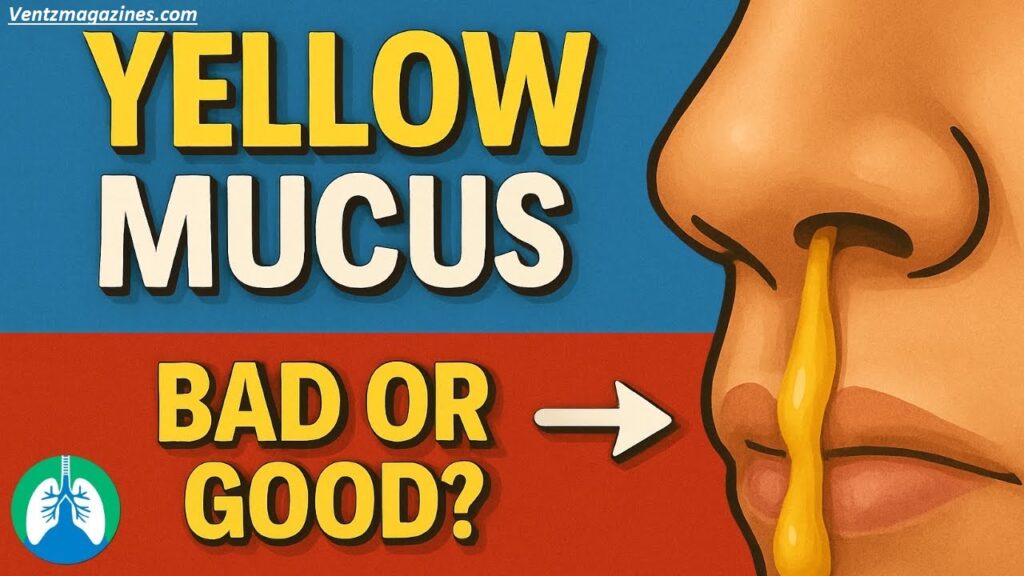
Why Is My Mucus Yellow? Yellow mucus usually indicates your body is fighting an infection or inflammation.
When your immune system sends white blood cells to combat bacteria or viruses, the mucus can turn yellow due to dead cells and debris.
Common causes include colds, sinus infections, or mild respiratory infections. Allergies can also sometimes cause thick, discolored mucus.
While yellow mucus alone isn’t usually serious, persistent or worsening symptoms like fever, sinus pain, or green mucus may require medical attention.
Staying hydrated, using saline sprays, and resting can help clear mucus and support your body’s natural defense system.
Table of Contents
Quick Table
| Cause | What Happens | Key Symptoms | Should You Worry? |
|---|---|---|---|
| Viral infection | Immune system fights virus | Runny nose, cold symptoms | Usually no |
| Sinus infection | Inflamed sinuses trap mucus | Facial pressure, congestion | Sometimes |
| Allergies | Reaction to allergens | Sneezing, itchy eyes | No |
| Dehydration | Thickens mucus | Dry nose, thick mucus | No |
| Environmental irritants | Dust/smoke irritate nasal passages | Coughing, irritation | No |
| Post-nasal drip | Mucus buildup in throat | Throat clearing, cough | No |
| Bacterial infection | Advanced infection | Fever, severe symptoms | Yes |
What Does Yellow Snot Mean?
Yellow snot (also called yellow mucus or nasal discharge) is usually a sign that your body is actively fighting something off. It’s not as alarming as many people think—in fact, it often means your immune system is doing its job.
Inside your nasal passages, your body constantly produces mucus to trap dust, bacteria, and viruses. When you get sick or exposed to irritants, your immune response kicks in.
Specialized white blood cells—especially neutrophils—rush to the area to fight infection.
These cells contain enzymes that give mucus its yellow or green color.
So, when your snot turns yellow, it’s typically due to:
- Increased immune activity
- Presence of dead white blood cells
- Inflammation in the sinuses
This is very common during a viral infection like a cold. Many people mistakenly believe yellow mucus always means a bacterial infection, but that’s not true. In most cases, it’s simply part of your body’s natural defense process.
Other contributing factors include dehydration, which can make mucus thicker, and congestion that slows mucus flow. When mucus sits longer in the sinuses, it becomes more concentrated and appears darker.

7 Common Causes of Yellow Mucus
Yellow mucus can result from a variety of conditions, most of which are mild and temporary. It’s important to understand that the color alone doesn’t diagnose a specific illness.
Instead, it reflects what’s happening inside your nasal passages and sinuses.
In most cases, yellow snot is linked to inflammation, infection, or irritation. Your immune system reacts by sending white blood cells to fight off invaders, leading to thicker mucus and color changes.
Below are the most common causes doctors associate with yellow mucus.
Viral Infection
A viral infection is the most common reason your snot turns yellow. This includes illnesses like the common cold. When a virus enters your body, your immune system responds quickly by producing mucus to trap it.
As the infection progresses, white blood cells (neutrophils) accumulate in the mucus. These cells break down and release enzymes, which give the mucus its yellow color.
You may also notice:
- Runny nose
- Congestion
- Sneezing
- Mild fatigue
During a viral infection, mucus often starts clear, turns yellow, and may even become green before improving. This is a normal progression and not necessarily a sign of worsening illness.
Important: Most viral infections resolve on their own within 7–10 days.
Sinus Infection
A sinus infection occurs when your sinuses become inflamed and blocked, trapping mucus inside. This creates a breeding ground for bacteria or prolonged viral activity.
The trapped mucus becomes thick and yellow due to:
- Reduced drainage
- Increased inflammation
- Accumulation of immune cells
Common symptoms include:
- Facial pain or pressure
- Headache
- Nasal congestion
- Thick mucus discharge
Unlike a simple cold, sinus infections may last longer and feel more intense. However, not all sinus infections are bacterial—many are still viral.
Allergies
Allergies can also lead to yellow mucus, although they typically start with clear discharge. When allergens like pollen, dust, or pet dander irritate your nasal passages, your immune system reacts by producing more mucus.
Over time, this mucus can thicken and appear yellow due to:
- Persistent inflammation
- Slower mucus movement
- Mild immune response
Symptoms of allergies include:
- Sneezing
- Itchy eyes
- Runny nose
- Nasal congestion
Unlike infections, allergies don’t cause fever. Managing exposure to triggers is key to reducing symptoms.
Dehydration
Dehydration plays a major role in mucus thickness and color. When your body lacks proper hydration, mucus becomes thick, sticky, and harder to clear.
This can cause it to appear:
- Darker
- Yellowish
- More concentrated
Thick mucus tends to linger longer in your nasal passages, allowing white blood cells to accumulate and change its color.
Signs of dehydration include:
- Dry mouth
- Fatigue
- Dark urine
Simple fix: Drink more fluids to thin mucus and improve flow.

Environmental Irritants
Exposure to environmental irritants like smoke, pollution, chemicals, or dust can inflame your nasal passages. Your body responds by producing more mucus to trap and remove these particles.
This irritation can lead to:
- Increased mucus production
- Inflammation
- Yellow nasal discharge
Common irritants include:
- Cigarette smoke
- Air pollution
- Strong chemicals
- Dust particles
Reducing exposure and improving air quality can significantly help.
Post-Nasal Drip
Post-nasal drip occurs when excess mucus drains down the back of your throat instead of exiting through your nose. This can cause mucus to accumulate and thicken over time.
As it sits in your sinuses or throat, it may turn yellow due to:
- Bacterial presence (not always infection)
- Immune activity
- Slower movement
Symptoms include:
- Constant throat clearing
- Cough
- Sore throat
- Thick mucus sensation
Post-nasal drip is often linked to allergies, infections, or sinus issues.
Bacterial Infection
A bacterial infection is a less common cause of yellow mucus but can occur if a viral infection worsens or lingers.
Signs that bacteria may be involved:
- Symptoms lasting more than 10 days
- High fever
- Severe facial pain
- Thick, persistent mucus
In these cases, the immune response is stronger, leading to more white blood cells and more noticeable discoloration.
However, yellow mucus alone does NOT confirm a bacterial infection.
Is Yellow Snot a Sign of Infection?
Yes—but not always in the way people think.
Yellow snot often indicates that your body is responding to an infection, usually a viral infection rather than a bacterial one. The color comes from white blood cells (especially neutrophils) that are actively fighting off pathogens.
Here’s the key distinction:
- Viral infection → Most common, mild, resolves naturally
- Bacterial infection → Less common, more severe, may need treatment
Your immune system plays the central role. When viruses or irritants enter your nasal passages, your body produces mucus to trap them. White blood cells attack these invaders, and the resulting buildup causes the yellow color.
However, color alone cannot diagnose the type of infection. You must consider:
- Duration of symptoms
- Severity
- Other signs like fever or pain
Bottom line: Yellow mucus = immune activity, not necessarily a serious infection.
When Should You Worry?
In most cases, yellow snot is harmless and temporary. However, there are situations where it may signal something more serious.
You should consider medical attention if you experience:
- Symptoms lasting longer than 10–14 days
- High fever (above 38.5°C / 101.3°F)
- Severe sinus pain or pressure
- Swelling around the eyes
- Persistent thick mucus with worsening symptoms
- Difficulty breathing
These could indicate a bacterial sinus infection or complications that require treatment.
Also, if your symptoms improve and then suddenly worsen, it may suggest a secondary infection.
For most people, though, yellow mucus during a cold or mild illness is completely normal. Monitoring your symptoms is more important than focusing only on color.
How to Treat Yellow Snot
Treating yellow mucus focuses on relieving symptoms and supporting your immune system rather than eliminating the color itself.
Here are effective strategies:
1. Stay Hydrated
Drinking plenty of water helps thin mucus, making it easier to clear from your nasal passages.
2. Use Steam or Humidity
Steam inhalation or a humidifier can reduce congestion and soothe inflamed sinuses.
3. Saline Nasal Spray
Saltwater sprays help flush out irritants and improve mucus flow.
4. Rest
Your body needs energy to fight infection, so adequate rest is essential.
5. Warm Fluids
Tea, soups, and warm water can help loosen thick mucus and ease throat irritation.
6. Avoid Irritants
Stay away from smoke, dust, and pollution that can worsen inflammation.
7. Over-the-Counter Remedies
Decongestants or antihistamines may help, depending on the cause.
Antibiotics are only needed if a bacterial infection is confirmed.

FAQ
Is yellow snot bad?
No, it usually means your immune system is fighting an infection.
Does yellow mucus mean antibiotics?
Not necessarily. Most cases are viral and don’t require antibiotics.
How long does yellow snot last?
Typically 5–10 days, depending on the cause.
Can dehydration cause yellow mucus?
Yes, dehydration thickens mucus and makes it appear darker.
Is green mucus worse than yellow?
Not always—both indicate immune response, not severity.
Conclusion
Yellow snot might look concerning, but in most cases, it’s a normal sign that your body is doing exactly what it should protecting you.
The color comes from white blood cells, particularly neutrophils, as they fight off viruses, bacteria, and other irritants.
The most common causes include viral infections, sinus inflammation, allergies, and dehydration. While bacterial infections are possible, they are far less common and usually come with more severe symptoms.
Understanding the role of your immune system helps remove unnecessary fear. Instead of focusing only on color, pay attention to how long your symptoms last and how severe they are.
Simple treatments like staying hydrated, using steam, and getting rest can make a big difference. And in most cases, your body will recover on its own without medical intervention.
Final takeaway: Yellow mucus is not the problem—it’s part of the solution your body creates to keep you healthy.