
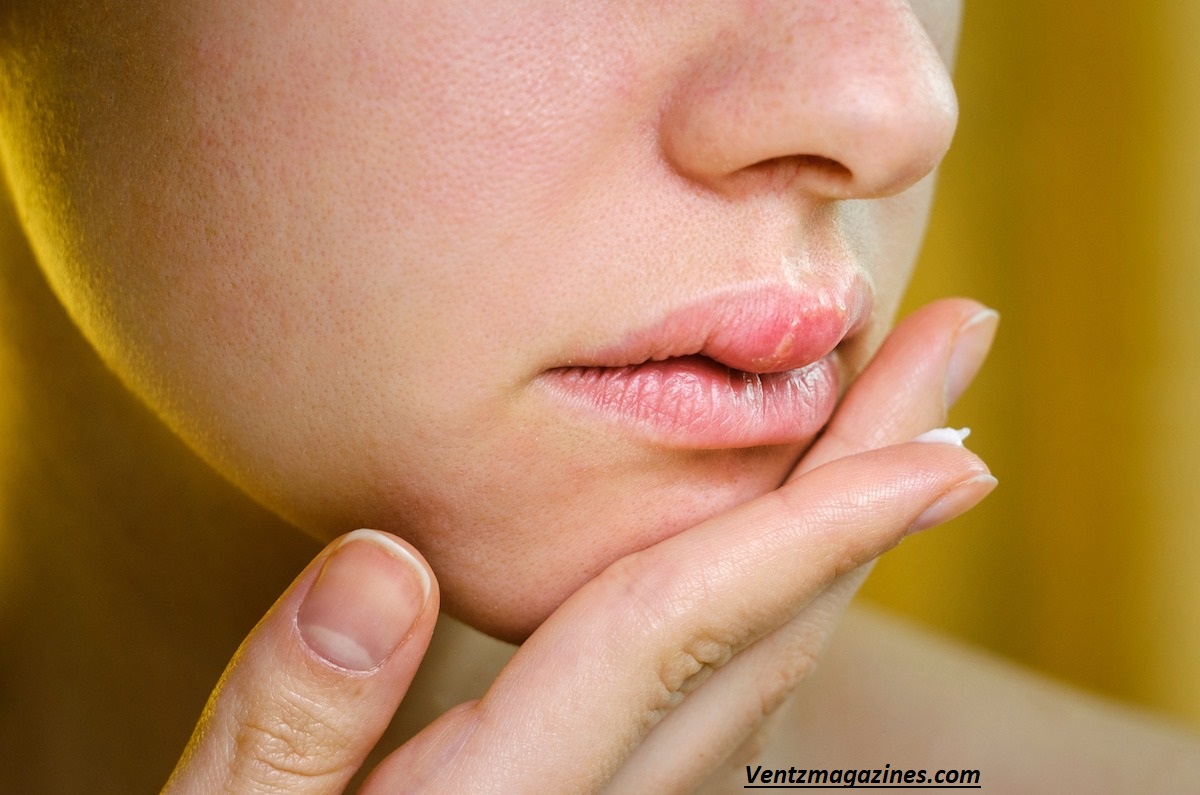
Why Is My Lip Swollen on One Side? Lip swelling can feel alarming, especially when only one side of your lip is swollen.
This condition—often called unilateral lip swelling—can happen suddenly or develop slowly due to different triggers such as allergic reactions, infections, injuries, or inflammation.
Sometimes the swelling is harmless and temporary, but in other cases it may indicate an immune response, histamine reaction, or fluid buildup under the skin.
Understanding the cause helps you treat the problem quickly and prevent it from happening again.
In this detailed guide, we’ll explain why one side of your lip becomes swollen, the symptoms to watch for, common triggers, treatments, and prevention tips.
Table of Contents
Quick Table
| Cause | Key Symptoms | Common Triggers | Treatment |
|---|---|---|---|
| Allergic reaction | Swelling, redness, itching, hives | Food allergies, cosmetics | Antihistamines |
| Angioedema | Sudden swelling, painless inflammation | Histamine reaction, medications | Allergy treatment |
| Cold sores | Blisters, tingling, pain | Herpes simplex virus | Antiviral medicine |
| Insect bites | Local swelling, itching | Mosquitoes, bees | Ice pack, antihistamines |
| Lip injury | Bruising, tenderness | Trauma or biting lip | Cold compress |
| Dental infections | Swelling near mouth | Tooth infection | Antibiotics |
| Cosmetic reactions | Irritation, redness | Lip balm or lipstick | Stop product |
| Medication side effects | Swelling after medicine | Antibiotics, ACE inhibitors | Change medication |
| Skin infections | Pain, redness, inflammation | Bacteria like impetigo | Antibiotics |
| Rare medical conditions | Persistent swelling | Immune disorders | Medical care |
What Does It Mean When One Side of Your Lip Swells?
If one side of your lip is swollen, it usually means there is localized inflammation or fluid buildup in the tissue.
The body’s immune system reacts to an irritant or infection, causing blood vessels to expand and fluid to collect under the skin. This results in noticeable swelling, redness, and sometimes pain.
A swollen lip on one side can happen due to a histamine reaction triggered by allergies, which causes the body to release chemicals that create inflammation.
Common triggers include food allergies, insect bites, medications, and cosmetic products like lip balm or lipstick.
In other cases, the swelling may be linked to infections such as cold sores, impetigo, or dental problems. These conditions cause irritation and inflammation around the lips or mouth.
Trauma—like accidentally biting your lip—can also cause swelling in one specific area.
Sometimes, the condition is related to angioedema, a type of swelling that occurs deeper under the skin due to an immune response. Angioedema may appear suddenly and can affect the lips, eyelids, or face.
Most cases of one-sided lip swelling are mild and disappear within a few hours or days.
However, if the swelling is severe or occurs with symptoms like hives, itching, or breathing difficulty, it may signal anaphylaxis, a serious allergic reaction that requires immediate medical attention.
10 Common Causes of One-Sided Lip Swelling
Many conditions can lead to lip swelling on one side. Some are temporary irritations, while others involve infections or allergic responses.
The most common reasons include allergic reactions, angioedema, cold sores, insect bites, trauma, dental infections, cosmetic reactions, medication side effects, skin infections, and rare medical conditions.
These causes trigger inflammation and fluid buildup, which leads to swelling, redness, pain, or itching around the lip. Identifying the exact cause helps determine whether simple home remedies or medical treatment is necessary.
Below are the most common causes explained in detail.
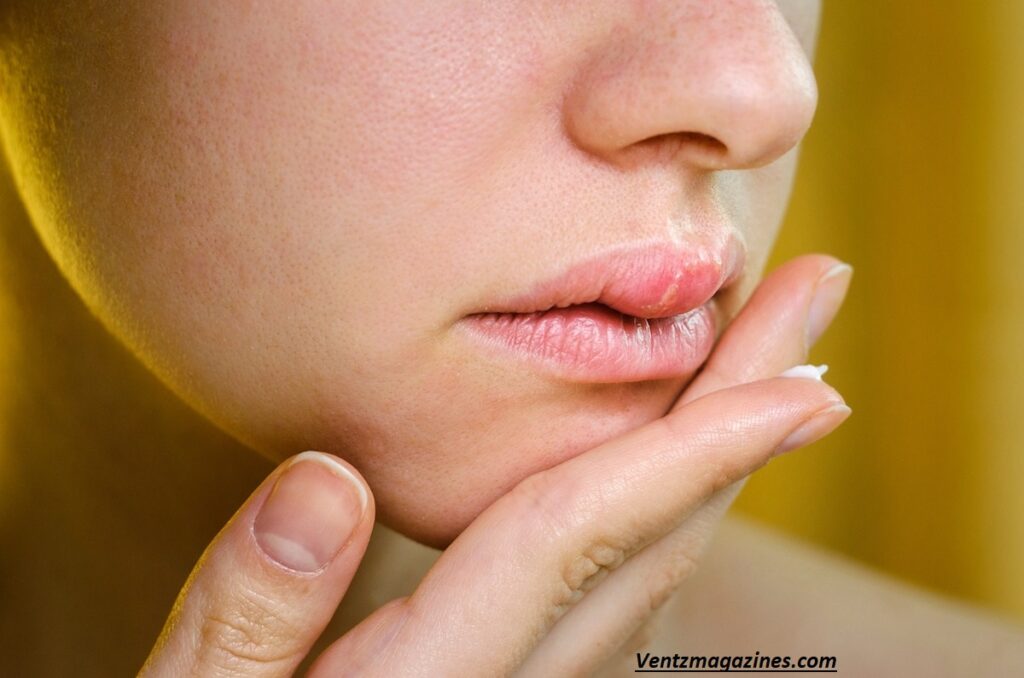
Allergic Reactions
One of the most common reasons for a swollen lip on one side is an allergic reaction.
When the body encounters something it considers harmful—such as food allergens, medications, or cosmetic products—the immune system releases chemicals like histamine.
This histamine reaction leads to inflammation, redness, itching, and swelling.
Common triggers include peanuts, shellfish, dairy, lip balms, lipsticks, and toothpaste ingredients. Sometimes the swelling appears within minutes after exposure. The lip may feel warm, itchy, or tender.
In mild cases, the swelling fades within a few hours.
However, severe allergic reactions can lead to hives, difficulty breathing, and anaphylaxis, which requires emergency medical care. Antihistamines are often used to control allergic swelling and reduce inflammation.
Angioedema
Angioedema is a deeper type of swelling that affects the skin and soft tissues. It commonly occurs around the lips, eyes, and face.
This condition happens when fluid leaks from blood vessels into surrounding tissues, causing noticeable swelling.
Angioedema can result from allergic reactions, medications, or genetic factors. Certain drugs—like ACE inhibitors used for blood pressure—can trigger this type of swelling.
The swelling from angioedema may appear suddenly and can affect only one side of the lip. It usually occurs without itching but may cause a feeling of tightness or fullness.
In some cases, angioedema is linked to an immune response or histamine reaction.
While mild cases resolve on their own, severe angioedema can affect breathing and requires urgent medical treatment.
Cold Sore
Cold sores are small blisters caused by the herpes simplex virus (HSV-1). They usually appear around the lips and may cause swelling, pain, and tingling before the blister forms.
If the infection occurs on one side of the mouth, it may cause localized swelling on that side of the lip. The area may feel tender and slightly inflamed.
Cold sores are contagious and can spread through kissing or sharing utensils. Stress, illness, or a weakened immune system can trigger outbreaks.
Antiviral creams or medications can help shorten the healing time and reduce symptoms. Most cold sores heal within 7 to 10 days.
Insect Bites
An insect bite or sting near the lip can cause swelling that affects only one side. Mosquitoes, bees, wasps, and ants can trigger a localized allergic reaction.
The bite causes the body to release histamine, which leads to itching, redness, and inflammation. Sometimes the swelling becomes noticeable within minutes after the bite.
Most insect bite reactions are mild and improve within a day or two. Applying ice packs, antihistamines, or anti-itch creams can help reduce swelling and discomfort.
However, if the bite causes severe swelling, hives, or breathing problems, it could indicate anaphylaxis, which requires emergency care.
Lip Injury
Accidentally biting your lip, getting hit in the mouth, or sustaining minor trauma can cause localized lip swelling. Injuries damage small blood vessels under the skin, leading to fluid buildup and inflammation.
This type of swelling often appears quickly and may be accompanied by bruising or tenderness. In some cases, a small cut or blister may form.
Lip injuries usually heal on their own within a few days. Applying a cold compress helps reduce swelling and pain. Avoid touching or biting the injured area to allow it to heal properly.
Dental Infection
Sometimes a swollen lip on one side is linked to a dental infection. Problems such as tooth abscesses, gum infections, or wisdom tooth issues can spread inflammation to nearby tissues.
When bacteria infect the tooth or gums, the body reacts by sending immune cells to fight the infection. This causes swelling, redness, and pain around the mouth and lips.
Dental infections may also produce symptoms such as tooth pain, bad breath, fever, or swollen gums. These infections require professional dental treatment, including antibiotics or dental procedures.
Cosmetic Reactions
Many people experience lip swelling after using cosmetic products. Ingredients in lipsticks, lip balms, lip plumpers, or skincare products can irritate the skin and cause an allergic reaction.
The swelling may affect only one side of the lip, especially if the product was applied unevenly or touched one area more than another.
Symptoms often include itching, redness, burning, and inflammation. Stopping the product usually resolves the problem within a day or two. Using hypoallergenic cosmetics can help prevent future reactions.
Medication Side Effects
Certain medications can cause swelling of the lips as a side effect. Drugs that may trigger this reaction include antibiotics, blood pressure medications, and anti-inflammatory drugs.
In some cases, medications cause angioedema, which leads to swelling of the lips, face, or tongue. The reaction may occur shortly after taking the medicine.
If you notice lip swelling after starting a new medication, contact a healthcare professional. They may recommend stopping the drug or switching to another treatment.

Skin Infection
Bacterial infections like impetigo or inflammatory conditions such as cheilitis can cause swelling and irritation around the lips.
Impetigo often produces red sores, crusting, and inflammation, while cheilitis causes dryness, cracking, and swelling of the lips.
These infections are usually caused by bacteria entering through small cuts or irritated skin. Treatment may include antibiotic creams or oral medication depending on the severity.
Rare Medical Conditions
In rare cases, persistent swelling on one side of the lip may be linked to underlying medical conditions. These include immune disorders, granulomatous diseases, or chronic inflammatory conditions.
Some rare conditions cause recurring swelling due to abnormal immune responses. These cases usually involve repeated episodes of inflammation, redness, and fluid buildup.
If lip swelling continues for several weeks or keeps returning, medical evaluation is important to determine the underlying cause.
Symptoms That May Occur With Lip Swelling
A swollen lip on one side often appears along with other symptoms that help identify the underlying cause. These symptoms vary depending on whether the swelling is caused by allergies, infection, injury, or inflammation.
Common symptoms include:
- Redness around the lip
- Pain or tenderness in the affected area
- Itching or burning sensation
- Hives or rash
- Blisters or cold sores
- Numbness or tingling
- Warmth or inflammation
In allergic reactions, swelling may be accompanied by itching, hives, or watery eyes. When infections like impetigo or cold sores are involved, blisters or crusting may appear.
Severe allergic reactions may produce symptoms such as difficulty breathing, throat swelling, dizziness, or rapid heartbeat. These signs may indicate anaphylaxis, which requires immediate emergency care.
Monitoring these symptoms helps determine whether the swelling is temporary or a sign of a more serious condition.
Why Your Lip Swells Overnight
Many people wake up wondering “Why is my lip swollen on one side overnight?” Overnight swelling often occurs because the body reacts to something while you are sleeping.
One common cause is a delayed allergic reaction. Eating certain foods before bed—such as nuts or shellfish—can trigger an immune response during the night.
The body releases histamine, which causes fluid buildup and inflammation in the lip tissues.
Another reason is insect bites. Mosquitoes or other insects may bite the lip while you sleep, leading to localized swelling by morning.
Accidentally biting your lip during sleep can also cause trauma and inflammation. People who grind their teeth or move their jaw during sleep are more likely to experience this.
Cosmetic products like lip balm, lipstick, or facial creams applied before bedtime may also irritate the lips overnight.
In most cases, overnight swelling disappears within a day. However, persistent swelling may require medical evaluation.
Home Remedies for a Swollen Lip
Mild cases of lip swelling on one side can often be treated with simple home remedies. These methods help reduce inflammation, pain, and fluid buildup.
Effective remedies include:
Cold compress
Applying ice wrapped in a cloth helps shrink blood vessels and reduce swelling.
Antihistamines
These medications help control histamine reactions caused by allergies.
Saltwater rinse
If the swelling is related to a dental problem or mouth irritation, rinsing with warm saltwater may reduce inflammation.
Aloe vera
Aloe has soothing properties that help calm irritated skin.
Avoid irritants
Stop using cosmetics or foods that may have triggered the reaction.
Hydration
Drinking plenty of water supports healing and reduces irritation.
Most minor swelling improves within 24 to 48 hours with these remedies.
Medical Treatments
If home remedies do not work, medical treatment may be necessary. Doctors determine the treatment based on the underlying cause of the lip swelling.
Common treatments include:
Antihistamines
Used to treat allergic reactions and reduce histamine-related inflammation.
Corticosteroids
These medications reduce severe swelling and immune responses.
Antibiotics
Prescribed for bacterial infections such as impetigo or dental infections.
Antiviral medications
Used to treat cold sores caused by the herpes simplex virus.
Epinephrine
In cases of anaphylaxis, an epinephrine injection may be needed to stop a life-threatening allergic reaction.
Proper diagnosis ensures the swelling is treated quickly and effectively.
When to See a Doctor
Although many cases of one-sided lip swelling are harmless, certain situations require medical attention.
See a doctor if you experience:
- Swelling lasting more than 3 days
- Severe pain or inflammation
- Fever or infection symptoms
- Difficulty breathing or swallowing
- Rapid swelling of the face or tongue
- Recurring episodes of swelling
These symptoms may indicate conditions such as angioedema, infection, or serious allergic reactions.
Prompt treatment prevents complications and ensures proper healing.
Prevention Tips
Preventing lip swelling involves identifying triggers and protecting the sensitive skin around the mouth.
Helpful prevention tips include:
Avoid known allergens
Stay away from foods, cosmetics, or medications that previously caused reactions.
Use hypoallergenic lip products
Choose fragrance-free lip balms and cosmetics.
Maintain oral hygiene
Regular brushing and dental checkups help prevent dental infections.
Protect against insect bites
Use insect repellent when outdoors.
Stay hydrated
Healthy lips are less likely to become irritated.
Manage allergies
People with frequent allergic reactions should consult a doctor for long-term treatment options.
These habits help reduce the risk of lip swelling and inflammation.
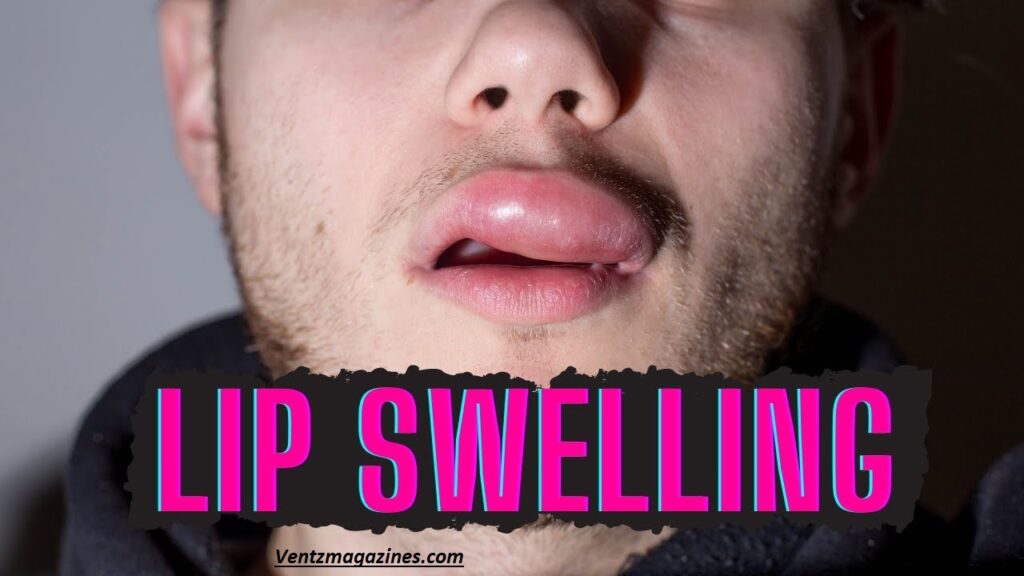
Frequently Asked Questions
Why is only one side of my lip swollen?
Localized swelling usually happens due to allergic reactions, injuries, infections, or insect bites affecting a specific area.
Can stress cause lip swelling?
Stress can weaken the immune system and trigger cold sores or inflammatory reactions, which may cause swelling.
How long does lip swelling last?
Most mild swelling disappears within 24 to 48 hours, depending on the cause.
Is a swollen lip dangerous?
Usually not, but severe swelling with breathing problems or hives may indicate anaphylaxis, which is a medical emergency.
Can toothpaste cause lip swelling?
Yes. Some ingredients in toothpaste may trigger allergic reactions or cheilitis, causing inflammation and swelling.
Conclusion
A swollen lip on one side can have many causes, ranging from simple irritation to allergic reactions or infections.
The most common reasons include allergies, angioedema, cold sores, insect bites, injuries, dental problems, cosmetic reactions, medication side effects, and skin infections.
These conditions trigger the body’s immune response, causing inflammation, redness, itching, and fluid buildup in the lip tissue.
Fortunately, most cases are mild and improve quickly with home remedies such as cold compresses, antihistamines, and avoiding irritants.
However, persistent swelling or symptoms like hives, severe pain, or breathing difficulty may signal a more serious condition such as anaphylaxis or infection, requiring medical treatment.
Understanding the triggers and symptoms helps you respond quickly and prevent future episodes.
By maintaining good oral hygiene, avoiding allergens, using gentle cosmetic products, and seeking medical advice when needed, you can keep your lips healthy and reduce the chances of swelling returning.