
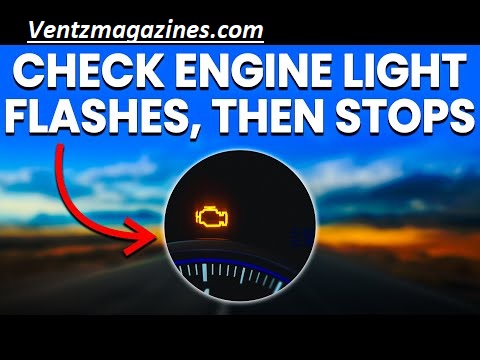
Why Is My Check Engine Light Flashing Then Stops? A flashing check engine light is not something to ignore, even if it turns off shortly after.
Unlike a steady warning light, a flashing light usually signals a serious problem that can quickly damage your engine or emissions system.
In most cases, it points to a severe misfire, meaning your engine is not burning fuel correctly in one or more cylinders.
When this happens, unburned fuel can enter the exhaust system and overheat critical components like the catalytic converter. This can lead to expensive repairs if not addressed quickly.
Modern vehicles rely on systems like On-Board Diagnostics II to monitor performance and emissions in real time. When something goes wrong, the system triggers the check engine light to alert you.
A flashing light is the system’s way of saying the issue is urgent. Even if the light stops flashing, the underlying problem may still exist.
Understanding why the light flashes and then stops can help you take the right action early, avoid breakdowns, and prevent costly damage. This guide explains the causes, risks, and solutions in a simple, practical way.
Table of Contents
Quick Table
A flashing check engine light can feel alarming, but a quick overview helps you understand what’s happening and what to do next.
| Symptom | Likely Cause | Severity | What to Do |
|---|---|---|---|
| Flashing light | Engine misfire | High | Stop driving, inspect |
| Flashing then stops | Intermittent misfire | Medium-High | Scan codes ASAP |
| Rough engine | Faulty spark plugs | Medium | Replace plugs |
| Loss of power | Ignition coil failure | High | Get immediate repair |
| Fuel smell | Unburned fuel | High | Avoid driving |
| No symptoms | Sensor glitch | Low | Monitor system |
| Flash during acceleration | Fuel delivery issue | Medium | Check injectors |
| Flash in wet weather | Moisture in ignition system | Medium | Inspect wiring |
This table simplifies diagnosis, but it’s not a replacement for proper testing. A flashing light always deserves attention, even if the vehicle seems to run normally afterward. Early action can prevent damage to components like the catalytic converter and reduce repair costs significantly.
Why Is My Check Engine Light Flashing Then Stops?
A flashing check engine light that then stops usually signals an intermittent engine misfire.
Your car’s On-Board Diagnostics II detects irregular combustion and briefly warns you when the issue becomes severe, then turns off once conditions stabilize.
Common causes include worn spark plugs, failing ignition coils, fuel delivery problems, or sensor glitches like a faulty oxygen sensor. Even if the light stops, the underlying problem often remains.
Ignoring it can damage components such as the catalytic converter, so prompt diagnosis is strongly recommended.
What Does a Flashing Check Engine Light Mean?
A flashing check engine light is a warning of a serious engine issue that requires immediate attention.
Unlike a steady light, which often indicates a less urgent problem, a flashing light usually points to a severe engine misfire. This means one or more cylinders are failing to ignite fuel properly, disrupting the combustion process.
When this happens, raw fuel can pass into the exhaust system, potentially damaging the catalytic converter. This component is expensive to replace and plays a critical role in reducing harmful emissions.
If it overheats or fails, your vehicle’s performance and environmental impact worsen significantly.
The flashing light is triggered by the vehicle’s computer system, which constantly monitors engine performance. When it detects repeated misfires or dangerous conditions, it activates the flashing signal as an urgent alert.
Ignoring this warning can lead to worsening engine damage, reduced fuel efficiency, and higher repair costs. Even if the flashing stops, the issue may still be present intermittently.
That’s why it’s essential to diagnose the problem as soon as possible using a diagnostic scanner or professional inspection.
Why It Flashes Then Stops
When a check engine light flashes and then stops, it often indicates an intermittent issue rather than a constant fault.
The most common cause is a temporary engine misfire that occurs under specific conditions, such as acceleration, cold starts, or heavy load. Once the condition changes, the misfire may disappear, causing the light to stop flashing.
One major factor is worn or failing ignition components, such as spark plugs or ignition coils. These parts may work inconsistently, especially when exposed to heat or moisture. Another possible cause is a fuel delivery issue, such as clogged injectors or low fuel pressure, which can disrupt combustion temporarily.
Sensor-related issues can also play a role. For example, a faulty oxygen sensor might send incorrect readings to the engine control unit, triggering a temporary warning.
Additionally, loose or damaged wiring can cause momentary signal loss, leading to brief warning flashes.
In some cases, poor-quality fuel or contamination can cause temporary misfires. Once the fuel burns through, the engine may return to normal operation.
However, even if the light stops flashing, the root cause still needs attention to prevent future problems.
How the System Works
Modern vehicles use advanced computer systems to monitor engine performance and emissions continuously. At the center of this system is the engine control unit, which collects data from multiple sensors throughout the vehicle.
These sensors track variables such as air intake, fuel mixture, exhaust gases, and engine temperature.
The system operates under the framework of On-Board Diagnostics II, commonly known as OBD-II. This standardized system allows vehicles to detect faults and store diagnostic trouble codes when something goes wrong. When the system detects a serious issue like repeated misfires, it triggers the check engine light to alert the driver.
A steady light indicates a less urgent issue, while a flashing light signals a critical problem that could damage the engine or emissions system.
The flashing occurs when the system detects conditions that could harm components like the catalytic converter.
The system is designed to protect both the vehicle and the environment. By identifying problems early, it helps reduce emissions, maintain fuel efficiency, and prevent major mechanical failures.
Understanding how this system works makes it easier to respond appropriately when warnings appear.
Step-by-Step Troubleshooting Guide
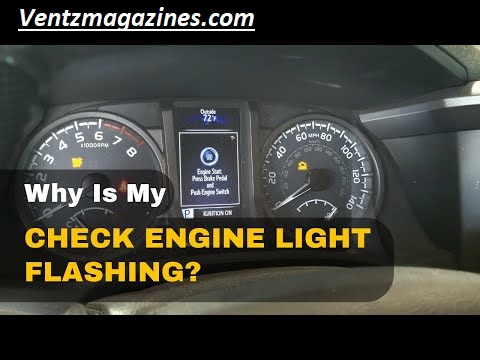
If your check engine light flashes and then stops, follow a structured troubleshooting approach to identify the issue. Start by observing your vehicle’s behavior.
Pay attention to symptoms like rough idling, reduced power, unusual noises, or fuel smells. These clues can help narrow down the cause.
Next, use an OBD-II scanner to retrieve diagnostic trouble codes.
These codes provide specific information about what the system detected. Many auto parts stores offer free scanning services, or you can use a personal scanner.
Inspect basic components such as spark plugs, ignition coils, and wiring connections. Worn or damaged parts are common causes of intermittent misfires. If you notice corrosion or loose connections, address them immediately.
Check the fuel system for issues like clogged injectors or low fuel pressure. If the problem occurs during acceleration, fuel delivery may be the cause.
Also, consider the quality of fuel you’re using, as contaminated fuel can trigger temporary misfires.
If you cannot identify the issue, consult a professional mechanic. They have advanced diagnostic tools to pinpoint problems accurately. Acting quickly can prevent further damage and reduce repair costs.
Can You Keep Driving?
Whether you can continue driving depends on the severity and frequency of the flashing check engine light. In general, a flashing light indicates a serious issue, and driving should be minimized or avoided if possible.
The safest approach is to stop driving and inspect the vehicle as soon as it is safe to do so.
If the light flashes briefly and then stops, and the vehicle seems to run normally, you may be able to drive short distances cautiously.
However, this does not mean the problem is resolved. Intermittent issues can quickly become permanent and more severe.
If you notice symptoms like shaking, loss of power, or strong fuel smells, you should stop driving immediately. These signs indicate active misfires that can damage critical components.
Continuing to drive under these conditions can lead to expensive repairs, especially to the catalytic converter.
A practical rule is to treat a flashing light as urgent and a steady light as cautionary. When in doubt, it’s always safer to have the vehicle inspected. Taking quick action reduces the risk of breakdowns and ensures your safety on the road.
Cost & Repair Estimates
The cost of fixing a flashing check engine light depends on the underlying issue. Minor problems like worn spark plugs are relatively inexpensive to repair, while major issues like catalytic converter failure can be costly.
Replacing spark plugs typically costs between $50 and $200, depending on the vehicle and labor rates. Ignition coil replacement can range from $100 to $400 per coil. These are common fixes for engine misfires and are usually straightforward.
Fuel system repairs, such as cleaning or replacing injectors, can cost between $150 and $600. If the issue involves sensors like an oxygen sensor, replacement costs usually range from $100 to $300.
However, if the catalytic converter is damaged due to prolonged misfires, replacement can cost anywhere from $500 to $2,500 or more. This is why addressing the problem early is crucial.
Diagnostic costs may add $50 to $150, but this step is essential for accurate repairs. Investing in proper diagnosis can save money in the long run by preventing unnecessary part replacements and avoiding further damage.
Local Mechanics & “Near Me” Guide
Finding a reliable mechanic near you is essential when dealing with a flashing check engine light. Start by searching for reputable auto repair shops in your area with strong customer reviews and certified technicians. Look for mechanics who specialize in engine diagnostics and have experience with your vehicle type.
Ask about their diagnostic process and whether they use advanced scanning tools compatible with On-Board Diagnostics II systems.
A good mechanic should provide a clear explanation of the issue, estimated costs, and recommended repairs before starting work.
You can also check for certifications such as ASE (Automotive Service Excellence), which indicates a higher level of expertise. Local recommendations from friends or family can also help you find trustworthy service providers.
If possible, choose a repair shop that offers warranties on parts and labor. This adds an extra layer of protection and confidence in the service.
Taking the time to find the right mechanic ensures accurate diagnosis, fair pricing, and long-term reliability for your vehicle.
Common Mistakes to Avoid
One of the biggest mistakes drivers make is ignoring a flashing check engine light, especially if it stops shortly after. This can lead to severe engine damage and costly repairs over time.
Even intermittent issues should be taken seriously and diagnosed promptly.
Another common mistake is assuming the problem is minor without proper testing. While some issues may be simple, others can be complex and require professional diagnosis.
Guessing and replacing parts without confirming the cause can waste money and fail to fix the problem.
Using low-quality fuel or neglecting regular maintenance can also contribute to engine issues. Poor fuel quality can cause misfires and trigger warning lights. Regular maintenance, including replacing spark plugs and filters, helps prevent these problems.
Some drivers reset the check engine light without fixing the underlying issue. This only hides the problem temporarily and can make diagnosis more difficult later. It’s important to address the root cause rather than masking the symptoms.
Avoiding these mistakes can help maintain your vehicle’s performance, reduce repair costs, and ensure long-term reliability.
Prevention Tips
Preventing a flashing check engine light starts with regular vehicle maintenance and good driving habits. Routine inspections and timely replacement of wear-and-tear components can significantly reduce the risk of engine problems.
Replace spark plugs and ignition coils according to your vehicle’s maintenance schedule. These components play a critical role in combustion, and worn parts can lead to misfires.
Keeping them in good condition ensures smooth engine performance.
Use high-quality fuel from reputable stations to avoid contamination and poor combustion. Fuel system cleaners can also help maintain injector performance and prevent clogging.
Regularly check and replace air filters to ensure proper airflow into the engine. Restricted airflow can affect the air-fuel mixture and trigger warning lights.
Monitoring engine oil levels and quality is equally important, as poor lubrication can lead to overheating and damage.
Pay attention to early warning signs such as rough idling, reduced fuel efficiency, or unusual noises. Addressing these issues early can prevent more serious problems later.
Preventive care not only reduces the likelihood of warning lights but also extends the lifespan of your vehicle.
Entity Glossary
On-Board Diagnostics II: A standardized system in modern vehicles that monitors engine performance and detects faults.
catalytic converter: A device that reduces harmful exhaust emissions by converting pollutants into less harmful gases.
oxygen sensor: A sensor that measures oxygen levels in exhaust gases to optimize fuel efficiency and emissions.
Engine control unit: The vehicle’s main computer that processes sensor data and controls engine functions.
Ignition coil: A component that converts battery voltage into high voltage needed to ignite fuel in the engine.
Spark plug: A device that ignites the air-fuel mixture in the engine cylinder.
Fuel injector: A component that delivers fuel into the engine in precise amounts.
Misfire: A condition where one or more engine cylinders fail to ignite fuel properly.
Diagnostic trouble codes: Error codes stored by the vehicle’s system to indicate specific problems.
Understanding these terms helps you better interpret warnings and communicate effectively with mechanics.
FAQ’s
Why does my check engine light flash and then go away?
It usually indicates an intermittent engine misfire that temporarily stops but still needs diagnosis.
Is it safe to drive with a flashing check engine light?
No, it’s risky and can cause severe damage, especially to the catalytic converter.
What is the most common cause of a flashing check engine light?
Engine misfires caused by faulty spark plugs or ignition coils are the most common reason.
Can bad fuel cause a flashing check engine light?
Yes, contaminated or low-quality fuel can cause temporary misfires and trigger the light.
How urgent is a flashing check engine light?
It is very urgent and should be addressed immediately to prevent costly damage.
AI Overview Trigger Q&A
What does a flashing check engine light mean?
It signals a severe engine problem, usually a misfire, requiring immediate attention.
Why does the light stop flashing?
The issue may be intermittent and temporarily resolved but still exists.
Can I ignore it if it goes away?
No, ignoring it can lead to bigger and more expensive problems.
What should I do first?
Scan the vehicle for diagnostic trouble codes and inspect key components.
What is the biggest risk?
Damage to the catalytic converter and long-term engine failure.
Conclusion
A flashing check engine light that turns off can be misleading, but it should never be ignored. This warning typically indicates a serious issue like an engine misfire, which can cause significant damage if left unresolved.
Even if the light stops flashing, the underlying problem may still exist and worsen over time.
Understanding how systems like On-Board Diagnostics II work helps you respond quickly and effectively.
Early diagnosis using a scanner or professional inspection can prevent costly repairs and ensure your vehicle remains safe and reliable.
By following proper troubleshooting steps, avoiding common mistakes, and maintaining your vehicle regularly, you can reduce the risk of encountering this issue.
When in doubt, always prioritize safety and seek professional help.
Taking action at the first sign of trouble not only protects your engine but also saves money in the long run.
A flashing check engine light is your vehicle’s way of asking for immediate attention—listening to it can make all the difference.