
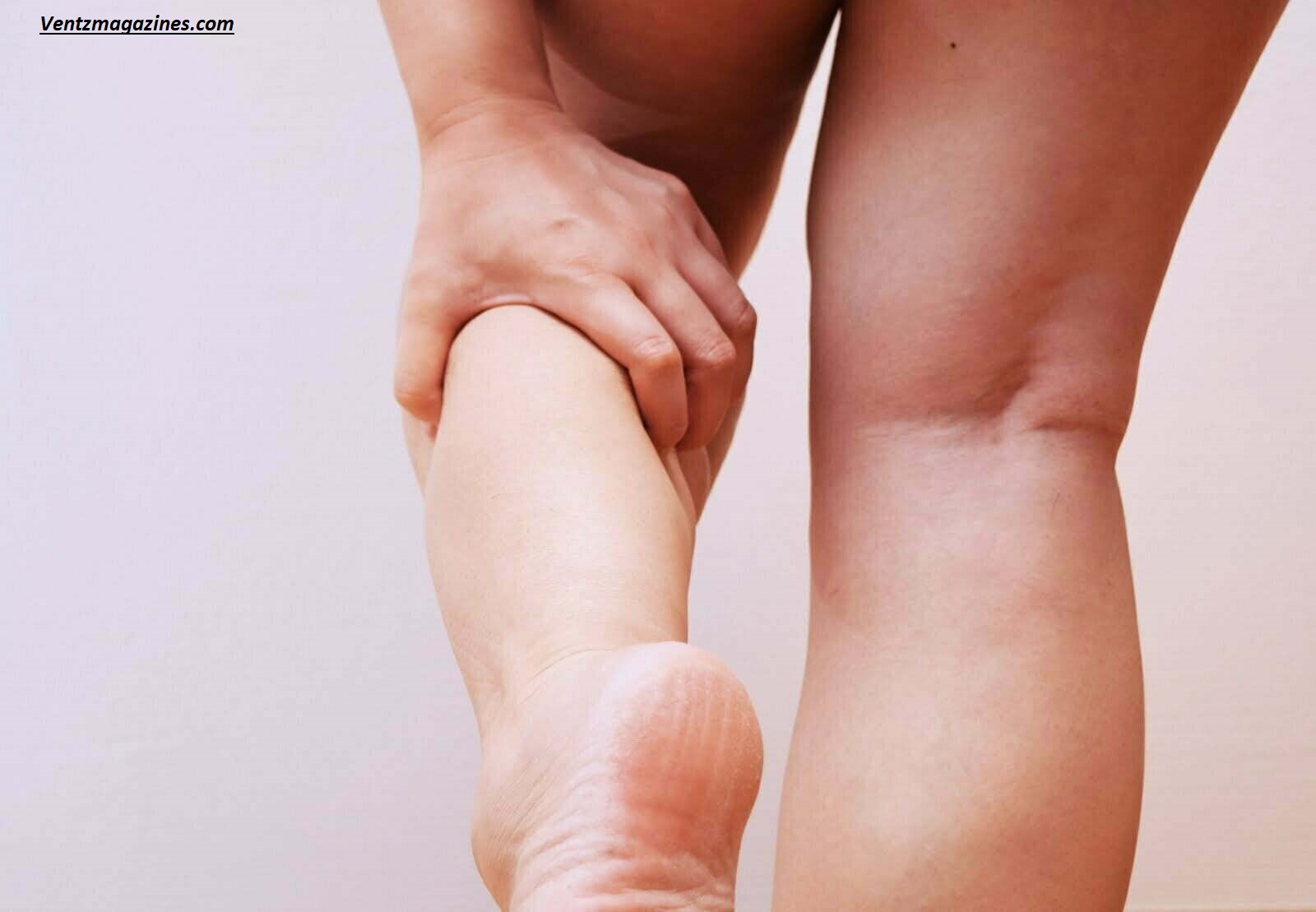
Why Do My Legs Feel Heavy? Feeling heavy legs is a common symptom that can happen for several reasons.
Often, it’s caused by poor circulation, where blood struggles to return from your legs to your heart, leading to swelling, fatigue, and discomfort.
Other causes include varicose veins, muscle fatigue, prolonged standing or sitting, obesity, or certain medications.
In some cases, it may signal underlying health issues like peripheral artery disease, diabetes, or kidney problems.
Simple remedies such as elevating your legs, gentle exercise, staying hydrated, and wearing compression socks can help.
Persistent or worsening heaviness should be evaluated by a healthcare professional.
Table of Contents
Quick Table
| Cause | Key Symptoms | Risk Factors | Quick Fix |
|---|---|---|---|
| Poor blood circulation | Cold, numb, tired legs feeling | Sitting long hours | Walk, stretch |
| Varicose veins | Swollen veins, aching legs | Standing long periods | Compression socks |
| Peripheral artery disease (PAD) | Pain while walking | Smoking, diabetes | Medical checkup |
| Muscle fatigue / overtraining | Sore, weak legs | Intense workouts | Rest, hydration |
| Nerve issues (nerve compression) | Tingling, numbness | Back problems | Posture correction |
| Restless legs syndrome | Urge to move legs | Nighttime discomfort | Sleep routine |
| Lifestyle factors (dehydration, sitting) | Heavy, sluggish legs | Poor habits | Hydrate, move |
What Does It Mean When Your Legs Feel Heavy?
A heavy legs feeling is often described as a sensation where your legs feel weighed down, tired, or harder to move than usual.
Many people say their legs feel heavy and weak, almost like they’re dragging or filled with sand. This sensation can happen after a long day, intense exercise, or even without any clear reason.
In most cases, heavy legs causes are linked to poor blood circulation, muscle fatigue, or temporary strain. For example, standing or sitting too long can slow circulation, leading to swollen legs heaviness and discomfort.
Similarly, dehydration or overtraining can reduce muscle efficiency, causing leg fatigue and that sluggish feeling.
However, sometimes the issue goes deeper. Conditions like chronic venous insufficiency, varicose veins, or even peripheral artery disease (PAD) can interfere with proper blood flow, making your legs feel consistently heavy.
Neurological issues like nerve compression can also affect how your legs feel and function.
Understanding why your legs feel heavy is important because it helps you identify whether the cause is harmless or something that needs attention.
While occasional heaviness is normal, frequent or worsening symptoms shouldn’t be ignored.
7 Hidden Causes of Heavy Legs
There are many possible aching legs causes, but most fall into a few key categories. The most common include poor circulation, vein problems, muscle overuse, nerve-related issues, and lifestyle habits.
Some causes are temporary, like overtraining or dehydration, while others may indicate underlying health conditions such as restless legs syndrome or peripheral artery disease (PAD).
These causes often overlap, making symptoms harder to identify. That’s why understanding each one individually is essential. Below are the 7 hidden causes of heavy legs you should know, especially if your legs feel heavy and weak regularly or without a clear reason.
Poor Blood Circulation
Poor blood circulation is one of the leading heavy legs causes. When blood doesn’t flow efficiently through your legs, it can lead to a tired legs feeling, numbness, and even swelling (edema).
\This often happens if you sit or stand for long periods, which restricts movement and slows circulation.
People with poor circulation legs may also notice cold feet, tingling, or discoloration. Over time, reduced blood flow can cause discomfort and increase the risk of more serious conditions.
Simple habits like walking, stretching, and elevating your legs can significantly improve circulation and reduce heaviness.
Varicose Veins
Varicose veins are swollen, twisted veins that appear just under the skin. They are a common cause of aching legs causes and swollen legs heaviness.
This condition occurs when vein valves weaken, causing blood to pool instead of flowing properly.
People with chronic venous insufficiency often experience heavy legs symptoms like aching, throbbing, and fatigue. The discomfort usually worsens after long periods of standing. You might also notice visible blue or purple veins.
Managing varicose veins includes wearing compression stockings, exercising regularly, and elevating your legs. In severe cases, medical treatment may be required to restore proper blood flow.
Peripheral Artery Disease
Peripheral artery disease (PAD) is a condition where narrowed arteries reduce blood flow to your limbs. It’s a serious but often overlooked cause of legs feel heavy and weak. PAD typically causes pain or cramping during walking, known as claudication.
This condition is linked to plaque buildup in arteries, often due to smoking, diabetes, or high cholesterol. Reduced blood circulation leads to leg fatigue, numbness, and slow healing of wounds.
If untreated, PAD can worsen over time and increase cardiovascular risks. Early diagnosis and lifestyle changes, such as exercise and a healthy diet, can help manage symptoms effectively.
Overtraining or Muscle Fatigue (100 words)
If you’ve been pushing your body too hard, muscle fatigue and overtraining could be the reason your legs feel heavy. This is especially common among athletes or people starting a new workout routine.
Overworked muscles accumulate lactic acid and experience microscopic damage, leading to soreness and tired legs feeling. This can make your legs feel sluggish, weak, and difficult to move.
Proper recovery is essential. Rest days, hydration, and balanced nutrition can help your muscles repair and regain strength. Ignoring fatigue can lead to injury, so it’s important to listen to your body.
Nerve Issues (Spine Problems)
Nerve compression, often caused by spinal issues like a herniated disc, can lead to unusual sensations in the legs. This includes heaviness, tingling, numbness, or weakness.
When nerves are compressed, signals between your brain and legs are disrupted. This can make your legs feel heavy and weak, even if your muscles are fine. Conditions like sciatica are common examples.
Posture, prolonged sitting, and back injuries can increase the risk of nerve-related problems. Treatment may include physical therapy, stretching, and improving spinal alignment to relieve pressure on affected nerves.
Restless Legs Syndrome
Restless legs syndrome is a neurological condition that creates an uncontrollable urge to move your legs, often accompanied by discomfort. While it’s usually associated with restlessness, it can also cause a heavy legs feeling, especially at night.
People with this condition often describe sensations like crawling, pulling, or aching. These heavy legs symptoms can disrupt sleep and lead to daytime fatigue.
The exact cause isn’t always clear, but it may be linked to dopamine imbalance or iron deficiency. Managing sleep habits and reducing caffeine intake can help alleviate symptoms.
Lifestyle Factors (Sitting, Dehydration)
Simple lifestyle habits are often overlooked heavy legs causes. Sitting for long hours, lack of movement, and dehydration can all contribute to leg fatigue causes.
When you don’t move enough, blood pools in your legs, leading to swollen legs heaviness. Dehydration reduces blood volume and affects muscle function, worsening the tired legs feeling.
Improving your daily routine can make a big difference. Stay hydrated, take regular breaks to move, and avoid sitting or standing in one position for too long. Small changes can significantly improve how your legs feel.
Common Symptoms of Heavy Legs
The heavy legs symptoms can vary depending on the underlying cause, but most people experience a combination of physical discomfort and reduced mobility.
The most common sign is a persistent tired legs feeling, where your legs feel sluggish, weighed down, or harder to move.
Many individuals report that their legs feel heavy and weak, especially after standing or walking for extended periods. This may be accompanied by aching, throbbing, or cramping sensations.
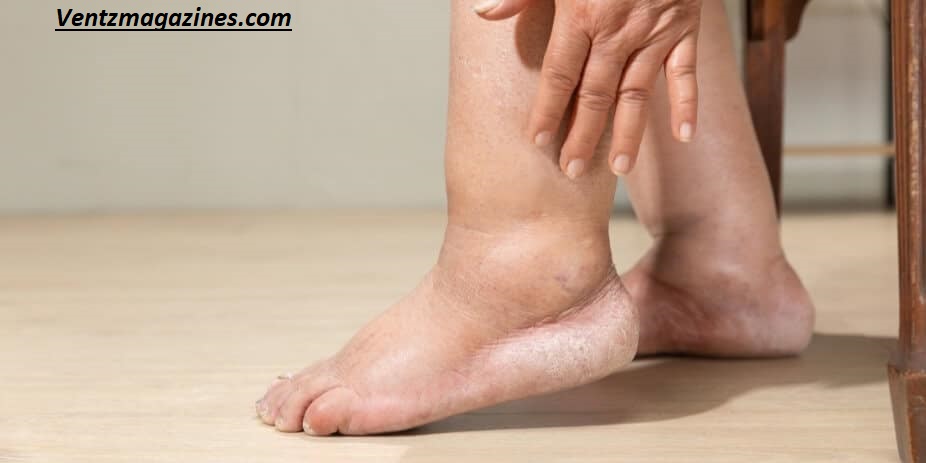
In some cases, you might also notice swelling (edema), particularly around the ankles and calves.
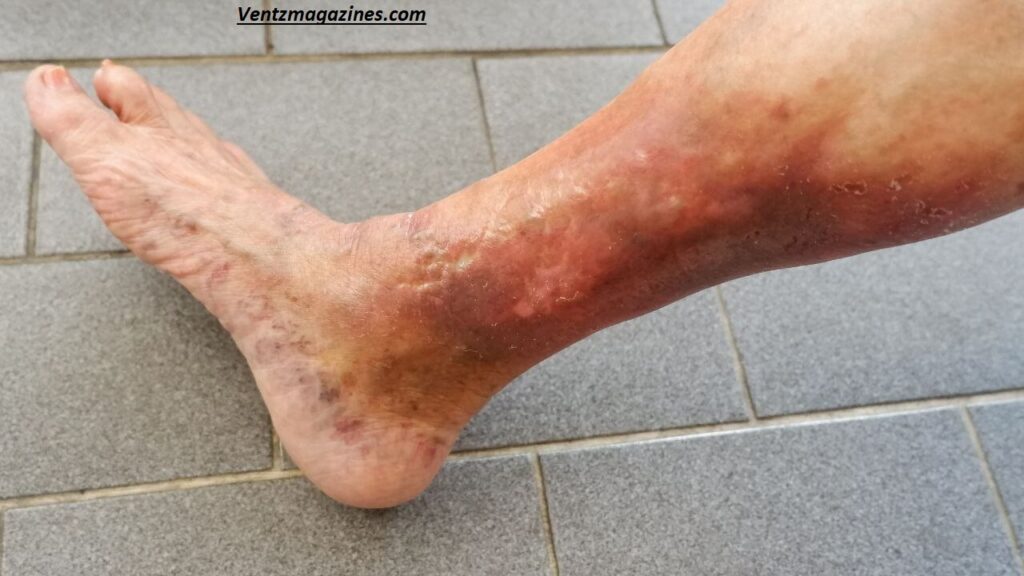
Other symptoms include tingling, numbness, or a “pins and needles” feeling, often linked to nerve compression. Skin discoloration or visible veins may indicate varicose veins or chronic venous insufficiency.
If poor circulation legs are the issue, your feet may feel cold or look pale.
Some people also experience symptoms at night, especially those with restless legs syndrome, making it difficult to relax or sleep.
Recognizing these symptoms early can help you identify the cause and take appropriate action before the condition worsens.
When Should You Worry?
While occasional heaviness in the legs is usually harmless, certain signs may indicate a more serious problem. You should pay attention if your legs feel heavy and weak consistently or if the sensation worsens over time.
One major red flag is persistent pain during walking, which could be linked to peripheral artery disease (PAD).
Similarly, visible swelling, skin changes, or bulging veins may suggest varicose veins or chronic venous insufficiency. These conditions affect blood circulation and may require medical attention.
If you experience numbness, tingling, or loss of strength, it could be due to nerve compression or a spinal issue.
Sudden swelling in one leg, especially with pain, could indicate a blood clot and should be treated as an emergency.
Other warning signs include sores that don’t heal, severe leg fatigue, or symptoms that interfere with daily life. If lifestyle changes don’t improve your condition, it’s best to consult a healthcare professional.
Early diagnosis can prevent complications and help you manage the underlying cause effectively.
How to Get Relief Fast
If your legs feel heavy, there are several simple ways to get relief quickly. The first step is improving blood circulation.
Gentle activities like walking or stretching can help reduce the tired legs feeling and improve oxygen flow to your muscles.
Elevating your legs above heart level can also reduce swelling (edema) and ease discomfort. Staying hydrated is essential, as dehydration can worsen muscle fatigue and leg fatigue causes.
Compression stockings are another effective option, especially for people dealing with varicose veins or poor circulation legs. They help support veins and improve blood flow.
If your symptoms are related to overtraining, rest and recovery are key. Give your muscles time to heal and avoid pushing yourself too hard.
For those with restless legs syndrome, maintaining a consistent sleep routine and reducing caffeine intake may help. Stretching before bed can also ease symptoms.
Making small lifestyle changes—like moving regularly, staying hydrated, and maintaining good posture—can significantly reduce heaviness and improve overall leg health.
FAQs
Why do my legs feel heavy when I walk?
This is often due to poor blood circulation, peripheral artery disease (PAD), or muscle fatigue.
Why do my legs feel heavy at night?
It may be linked to restless legs syndrome or fluid buildup causing swollen legs heaviness.
Why do my legs feel heavy but no pain?
This can happen with mild circulation issues, dehydration, or early leg fatigue causes.
Can dehydration cause heavy legs?
Yes, dehydration affects muscle function and blood flow, leading to heaviness.
Are heavy legs serious?
Sometimes. If symptoms persist, it could indicate conditions like chronic venous insufficiency or PAD.
Conclusion
Feeling heaviness in your legs can be uncomfortable, but it’s often your body’s way of signaling that something needs attention.
Whether it’s due to poor blood circulation, muscle fatigue, or simple lifestyle habits like dehydration, understanding the root cause is the first step toward relief.
In many cases, the issue is temporary and can be improved with small changes like staying active, drinking enough water, and giving your body time to rest.
However, persistent symptoms such as swelling (edema), visible varicose veins, or ongoing leg fatigue may point to more serious conditions like chronic venous insufficiency or peripheral artery disease (PAD).
The key is not to ignore what your body is telling you. If your legs feel heavy and weak regularly, take action early.
Simple lifestyle adjustments can make a big difference, but don’t hesitate to seek medical advice if symptoms worsen.
By staying informed and proactive, you can reduce discomfort, improve circulation, and keep your legs feeling strong, light, and healthy.