

Why Is My Tongue Swollen and Sore on the Sides? A swollen and sore tongue on the sides can happen for several reasons.
Common causes include accidentally biting your tongue, irritation from sharp teeth, or eating spicy or acidic foods.
It may also be linked to conditions like Oral thrush, Vitamin B12 deficiency, or Geographic tongue. Allergic reactions, dehydration, or poor oral hygiene can also contribute.
If the pain lasts more than a few days, worsens, or comes with other symptoms like fever or difficulty swallowing, it’s best to see a doctor or dentist for proper evaluation and treatment.
Table of Contents
Quick Table
| Issue | Possible Cause | Quick Fix | When to Worry |
|---|---|---|---|
| Pain on tongue sides | Tongue injury / biting | Saltwater rinse | Lasts >2 weeks |
| Swelling | Allergies / irritation | Avoid triggers | Difficulty breathing |
| White patches | Oral thrush | Antifungal care | Spreading patches |
| Red sores | Canker sores / cold sores | Topical gel | Severe pain |
| Burning feeling | Burning mouth syndrome | Hydration, diet | Persistent symptoms |
| Scalloped edges | Irritation from teeth or braces | Dental check | Ongoing discomfort |
| Smooth tongue | Vitamin deficiency (B12, iron) | Supplements | Fatigue + weakness |
Causes of Sore/Swollen Tongue
If you’re wondering why your tongue is swollen and sore on the sides, the answer usually comes down to irritation, infection, or an underlying health condition.
The sides of your tongue are especially sensitive because they frequently rub against your teeth, making them more prone to inflammation.
One of the most common causes is tongue injury or biting, which can happen while eating or even during sleep.
Another frequent trigger is irritation from teeth or braces, especially if you have sharp edges or dental appliances.
Nutritional problems like vitamin deficiency (B12, iron) can also lead to swelling, soreness, and a smooth or pale-looking tongue.
Infections such as oral thrush (a fungal infection) or viral conditions like cold sores may cause pain and visible lesions.
Chronic conditions like burning mouth syndrome or oral lichen planus can also affect the sides of the tongue, leading to persistent discomfort.
Additionally, allergies to certain foods, toothpaste, or medications can cause sudden swelling and irritation.

Symptoms
A swollen and sore tongue on the sides can present in several ways, depending on the underlying cause. The most obvious symptom is pain or tenderness, especially when eating, speaking, or touching the tongue.
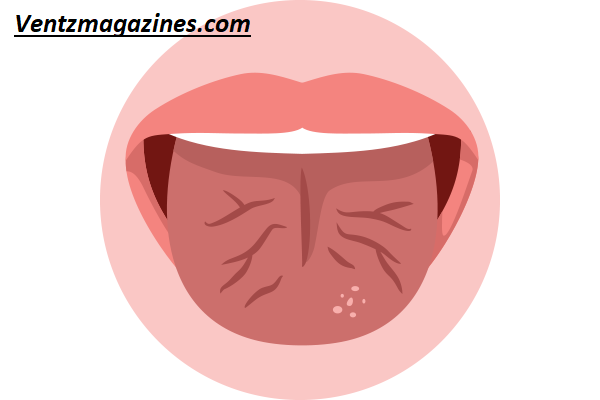
You may also notice swelling, making your tongue feel larger than usual or pressing against your teeth. In some cases, the edges may appear scalloped, often due to irritation from teeth or braces.
Other common symptoms include:
- Red or white patches (linked to oral thrush or infections)
- Small ulcers or lesions (often caused by canker sores or cold sores)
- A burning or tingling sensation (seen in burning mouth syndrome)
- Dryness or rough texture
- Difficulty chewing or swallowing
If your symptoms are caused by a vitamin deficiency (B12, iron), your tongue may appear unusually smooth or pale. Infections might bring additional signs like bad breath or a coated tongue.
Persistent or worsening symptoms shouldn’t be ignored, especially if they interfere with daily activities or last longer than expected.
When to See a Doctor
While many cases of a sore or swollen tongue are harmless and temporary, there are situations where medical attention is necessary.
You should see a doctor if:
- The soreness lasts more than two weeks
- The swelling becomes severe or worsens
- You have difficulty breathing or swallowing
- There are unexplained lumps or persistent ulcers
- You experience recurring infections like oral thrush
If your symptoms are linked to a vitamin deficiency (B12, iron), you may also notice fatigue, weakness, or pale skin. In such cases, proper diagnosis and supplementation are important.
Conditions like oral lichen planus or burning mouth syndrome require professional evaluation because they can be chronic and difficult to manage without guidance.
Additionally, if your tongue pain is due to allergies, identifying the trigger is essential to prevent future reactions.
Ignoring serious symptoms can delay treatment and lead to complications, so it’s always better to err on the side of caution.

Treatments / Remedies
The good news is that most cases of a swollen and sore tongue can be treated with simple remedies at home.
Effective treatments include:
- Saltwater rinse: Helps reduce inflammation and kill bacteria
- Cold compress or ice chips: Soothes swelling and pain
- Avoid spicy or acidic foods: Prevents further irritation
- Stay hydrated: Keeps your mouth healthy
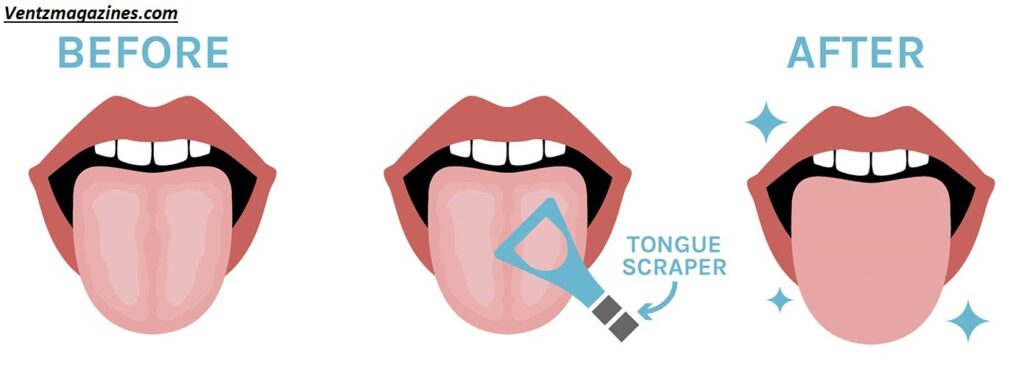
- Use a soft toothbrush: Reduces irritation
If your condition is due to canker sores, over-the-counter gels can provide relief. For oral thrush, antifungal treatments may be necessary.
If you have a vitamin deficiency (B12, iron), improving your diet or taking supplements can significantly help. Foods rich in iron and B12 include leafy greens, eggs, and meat.
For issues caused by irritation from teeth or braces, visiting a dentist can resolve the problem quickly.
Chronic conditions like burning mouth syndrome may require lifestyle changes, stress management, and medical support.
Individual Causes
There are several specific reasons why the sides of your tongue may feel swollen and sore. These range from minor physical irritation to more complex medical conditions.
The most frequent causes include canker sores, tongue injury or biting, vitamin deficiency (B12, iron), and infections such as oral thrush or viral outbreaks like cold sores.
Chronic issues like burning mouth syndrome, oral lichen planus, and allergies can also contribute.
Identifying the exact cause is essential because each condition requires a different approach to treatment and management for effective relief.
Canker Sores
Canker sores are small, painful ulcers that commonly develop on the sides of the tongue. They can make eating and speaking uncomfortable. These sores are usually triggered by stress, minor injuries, or certain foods.
Although they are not contagious, they can be quite painful. Most canker sores heal on their own within one to two weeks. Using medicated gels and avoiding spicy or acidic foods can help speed up recovery.
If you frequently experience canker sores, it could be linked to a vitamin deficiency (B12, iron) or an underlying health issue.
Injury
A tongue injury or biting is one of the most common reasons for soreness on the sides of the tongue. This can happen accidentally while chewing, talking, or even during sleep.
Sharp teeth, dental work, or irritation from teeth or braces can also cause repeated trauma to the tongue, leading to swelling and pain.
These injuries usually heal quickly, but repeated irritation can delay recovery. Rinsing with saltwater and avoiding hard or sharp foods can help.
If the problem persists, a dentist can smooth sharp edges or adjust braces to prevent further damage.
Deficiency
A vitamin deficiency (B12, iron) can significantly affect your tongue’s health. When your body lacks these nutrients, your tongue may become swollen, sore, smooth, or pale.
This condition is sometimes called “glossitis” and may also be accompanied by fatigue, and dizziness. Deficiencies can result from poor diet, absorption issues, or certain medical conditions.
Improving your nutrition by eating iron-rich and B12-rich foods or taking supplements can help restore your tongue to normal. Early treatment is important to prevent long-term complications.

Infection
Infections are another major cause of tongue soreness. Oral thrush is a fungal infection that creates white patches and irritation on the tongue. It is more common in people with weakened immune systems.
Viral infections like cold sores can also affect the tongue, causing painful blisters. Bacterial infections may lead to swelling and redness.
Maintaining good oral hygiene is key to preventing infections. Treatment depends on the type—antifungal medications for thrush and antiviral care for cold sores. If symptoms persist, medical attention is necessary.
FAQs
Why does my tongue hurt on the sides?
It’s usually due to irritation, injury, or conditions like canker sores or allergies.
Is a swollen tongue serious?
Not always, but severe swelling or breathing issues need urgent care.
How long does a sore tongue last?
Most cases heal within 1–2 weeks.
Can stress cause tongue pain?
Yes, stress can trigger canker sores and burning mouth syndrome.
What foods should I avoid?
Spicy, acidic, and very hot foods.
Can braces cause tongue soreness?
Yes, due to irritation from teeth or braces.
Conclusion
A swollen and sore tongue on the sides can feel alarming, but in most cases, it’s caused by manageable issues like tongue injury or biting, canker sores, or irritation from teeth or braces.
Nutritional problems such as vitamin deficiency (B12, iron) and infections like oral thrush or cold sores are also common culprits.
The key to effective treatment is identifying the root cause. Simple remedies like saltwater rinses, avoiding irritating foods, and maintaining good oral hygiene can provide quick relief.
For more persistent or severe symptoms, especially those linked to burning mouth syndrome, oral lichen planus, or allergies, professional medical advice is essential.
Don’t ignore warning signs like prolonged pain, swelling, or difficulty swallowing. Early attention can prevent complications and ensure faster recovery.
By understanding the causes, symptoms, and treatments, you can take the right steps to protect your oral health and prevent future discomfort.