
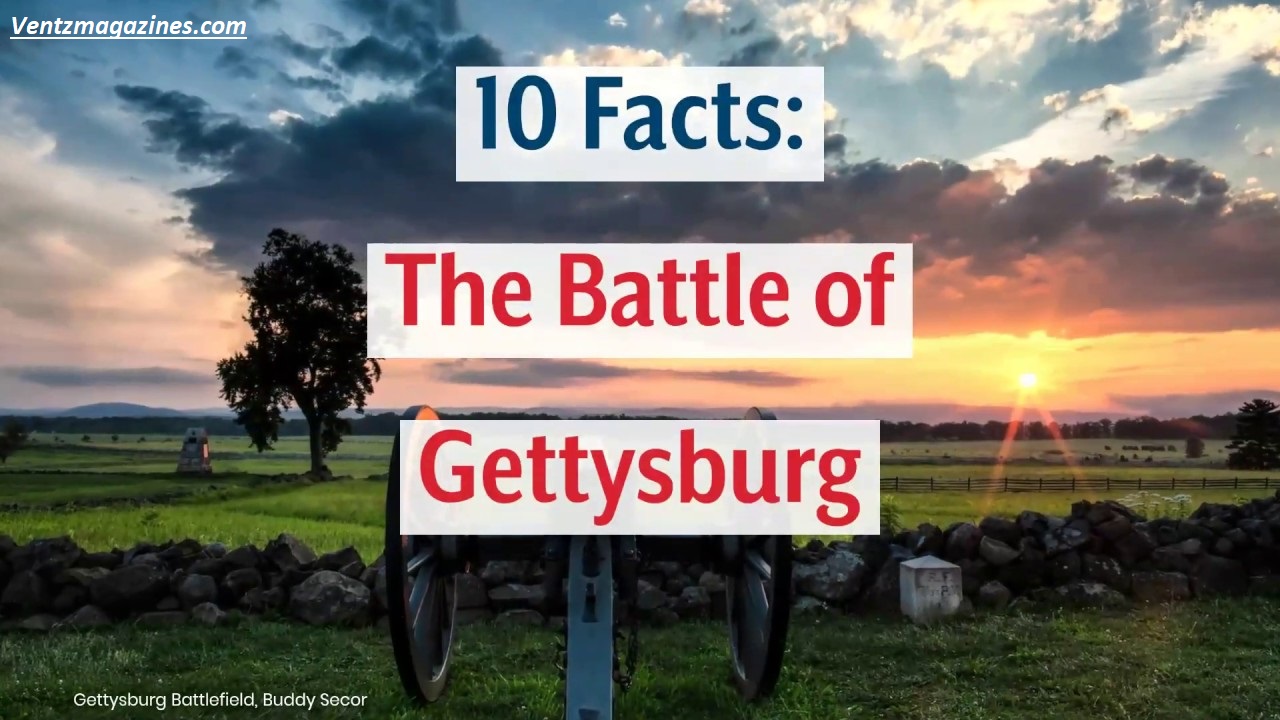
Why Was the Battle of Gettysburg Important? because it marked a major turning point in the American Civil War.
Fought in July 1863, it stopped Robert E. Lee’s invasion of the North and ended the Confederacy’s momentum. The Union victory, led by George G. Meade, boosted Northern morale and weakened
Southern forces. It also resulted in heavy casualties, making it one of the war’s bloodiest battles.
Afterward, the Union gained a strategic advantage, shifting the war’s direction toward eventual victory and preserving the United States as one nation.
Table of Contents
Quick Table
| Factor | Why It Matters | Impact on Civil War |
|---|---|---|
| Turning Point | Shifted momentum to Union | Beginning of Confederate decline |
| Union Victory | Defeated Confederate army | Strengthened Northern confidence |
| Robert E. Lee’s Failure | Ended invasion of the North | Strategic setback for Confederacy |
| Casualties | Over 50,000 soldiers lost | One of the bloodiest battles |
| Morale Boost | Inspired Union troops | Increased support for war |
| Gettysburg Address | Redefined war purpose | Focus on freedom and unity |
| Location | Pennsylvania (North) | War brought to Union soil |
| Duration | July 1–3, 1863 | Critical 3-day conflict |
Quick Answer (Featured Snippet Target)
The Battle of Gettysburg was important because it marked the turning point of the Civil War, where the Union army defeated the Confederate army and stopped its invasion of the North.
Fought from July 1–3, 1863, in Pennsylvania, this battle ended General Robert E. Lee’s attempt to push into Union territory and gain a decisive victory.
This Union victory weakened the Confederacy both militarily and psychologically.
The Confederate army suffered heavy casualties, losing thousands of soldiers, which it could not easily replace. At the same time, the Army of the Potomac gained a major morale boost, proving it could defeat Lee’s forces.
The battle also had lasting political and symbolic importance. It led to the Gettysburg Address by Abraham Lincoln, which redefined the Civil War as a fight for equality and national unity.
Overall, Gettysburg changed the direction of the war, making it a critical moment in American history.
What Was the Battle of Gettysburg?
The Battle of Gettysburg was a major conflict during the American Civil War between the Union and the Confederacy. It took place in the town of Gettysburg, Pennsylvania, from July 1–3, 1863.
This battle involved two large forces: the Union army, known as the Army of the Potomac, and the Confederate army, led by General Robert E. Lee.
Lee launched an invasion of the North, hoping to win a decisive victory on Union soil. His goal was to weaken Northern morale, gain foreign support, and possibly force a peace agreement.
However, Union forces met his army at Gettysburg, leading to three days of intense fighting.
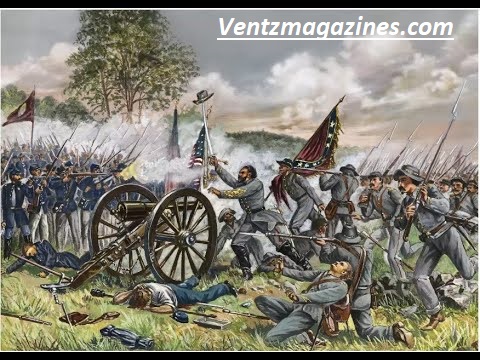
The battle included famous moments such as Pickett’s Charge, where Confederate troops launched a massive attack on Union lines but were decisively defeated. By the end of the battle, the Union army had successfully defended its position.
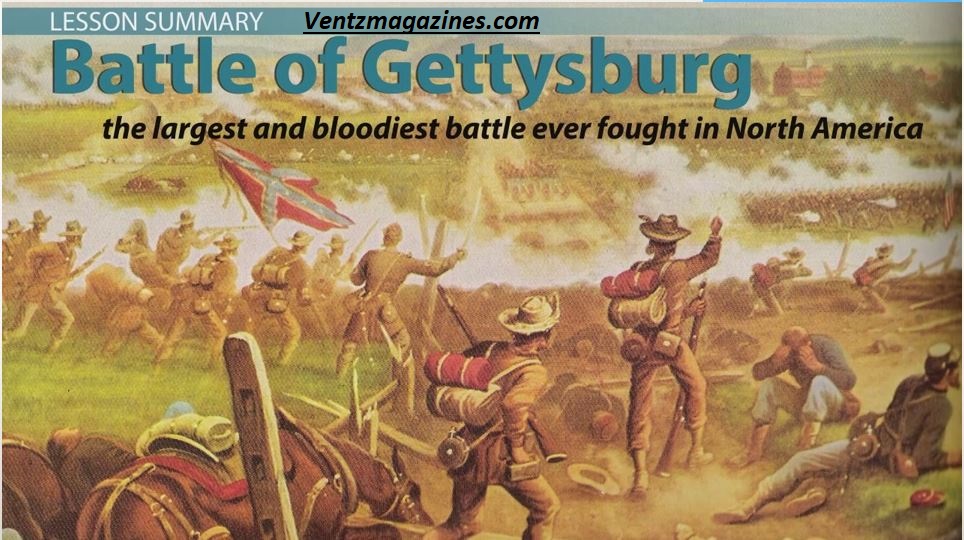
Gettysburg became the bloodiest battle of the Civil War, with massive casualties on both sides. It marked a critical shift in the conflict between the Union vs Confederacy.
Why Was the Battle of Gettysburg Important?
The Battle of Gettysburg was important because it changed the course of the Civil War in several major ways. First, it marked the turning point, where the Confederacy began to lose momentum and the Union gained the upper hand.
Before Gettysburg, the Confederate army had been winning several key battles and gaining confidence.
However, their defeat in Pennsylvania ended their invasion of the North and forced them to retreat. This was a major Union victory that shifted the balance of power.
The battle also resulted in extremely high casualties, making it one of the deadliest conflicts in American history. These losses weakened the Confederate army significantly.
In addition, the victory gave the Union a strong morale boost, encouraging soldiers and citizens to continue fighting.
Finally, the battle led to the Gettysburg Address by Abraham Lincoln, which gave new meaning to the war by focusing on freedom and equality.
It Was the Turning Point of the Civil War
The Battle of Gettysburg is widely considered the turning point of the Civil War because it marked the moment when the Union gained a clear advantage over the Confederacy.
Before this battle, the Confederate army, led by Robert E. Lee, had been successful in several campaigns.
However, after losing at Gettysburg, the Confederacy never fully recovered. The Union victory shifted momentum in favor of the North, both militarily and psychologically.
From this point forward, the Confederate army was mostly on the defensive.
This turning point changed the entire direction of the war and set the stage for the eventual Union victory.
It Ended Confederate Momentum
One of the main reasons why the Battle of Gettysburg was important is that it ended the Confederate momentum.
Lee’s invasion of the North was meant to bring the war into Union territory and secure a major victory.
Instead, the Confederate army was forced to retreat back to the South after suffering defeat. This ended their hopes of gaining international recognition or forcing the Union to negotiate peace.
The loss weakened the Confederacy’s strategic position and stopped its forward progress, making it a major setback in the Civil War.
It Had Massive Casualties
The Battle of Gettysburg had some of the highest casualties of the Civil War, with over 50,000 soldiers killed, wounded, or missing. This made it one of the bloodiest battles in American history.
Both the Union and Confederate army suffered heavy losses, but the Confederacy was hit especially hard because it had fewer resources and soldiers to replace those lost.
These massive casualties weakened the Confederate army and reduced its ability to continue fighting effectively. The scale of the loss also shocked the nation and highlighted the true cost of the war.
It Boosted Union Morale
Another reason why Gettysburg was so important is that it provided a major morale boost for the Union. Before this battle, many people in the North were uncertain about winning the war.
The Union victory at Gettysburg proved that the Army of the Potomac could defeat Robert E. Lee’s forces. This increased confidence among soldiers and civilians alike.
The victory also strengthened political support for continuing the war, ensuring that the Union remained committed to defeating the Confederacy.
It Led to the Gettysburg Address
The Battle of Gettysburg led directly to the Gettysburg Address, one of the most famous speeches in American history. Delivered by Abraham Lincoln, the speech honored the soldiers who died in the battle.
More importantly, it redefined the purpose of the Civil War. Lincoln emphasized that the war was not just about preserving the Union, but also about equality and freedom.
The Gettysburg Address gave deeper meaning to the conflict and inspired the nation to continue fighting for a unified and equal country.
Key Facts About Gettysburg
The Battle of Gettysburg was fought from July 1–3, 1863, in Pennsylvania. It involved the Union army (Army of the Potomac) and the Confederate army led by Robert E. Lee.
The battle is best known for key events such as Pickett’s Charge, a failed Confederate attack that resulted in heavy casualties. This moment symbolized the turning point of the battle.
Over 50,000 soldiers became casualties, making it the deadliest battle of the Civil War. The Union victory forced Lee to retreat, ending his invasion of the North.
The battle also played a major role in shaping public opinion. It gave the Union a morale boost and weakened the Confederacy’s chances of winning the war.
Later, Abraham Lincoln delivered the Gettysburg Address at the battlefield, honoring the fallen and redefining the war’s purpose. Today, Gettysburg remains one of the most important events in American history.
FAQ’s
Why is the Battle of Gettysburg called a turning point?
Because it ended the Confederacy’s offensive strategy and shifted momentum to the Union.
How long did the Battle of Gettysburg last?
It lasted three days, from July 1 to July 3, 1863.
Who won the Battle of Gettysburg?
The Union Army, led by George G. Meade, won the battle.
Why was Gettysburg so deadly?
Over 50,000 soldiers were killed, injured, or missing, making it one of the bloodiest battles.
What happened after the battle?
The Confederacy retreated, and the Union gained a strategic advantage in the Civil War.
Conclusion
The Battle of Gettysburg was important because it changed the direction of the Civil War and shaped the future of the United States. As the turning point of the conflict, it marked the moment when the Union gained control and the Confederacy began to decline.
The Union victory stopped the invasion of the North, weakened the Confederate army, and delivered a powerful morale boost to the Union. The massive casualties showed the true cost of war and had a lasting impact on both sides.
In addition, the Gettysburg Address by Abraham Lincoln gave new meaning to the war, focusing on freedom, equality, and national unity. This helped inspire continued support for the Union cause.
Overall, Gettysburg was more than just a battle—it was a defining moment that influenced the outcome of the Civil War. Its impact can still be seen today, making it one of the most important events in American history.