
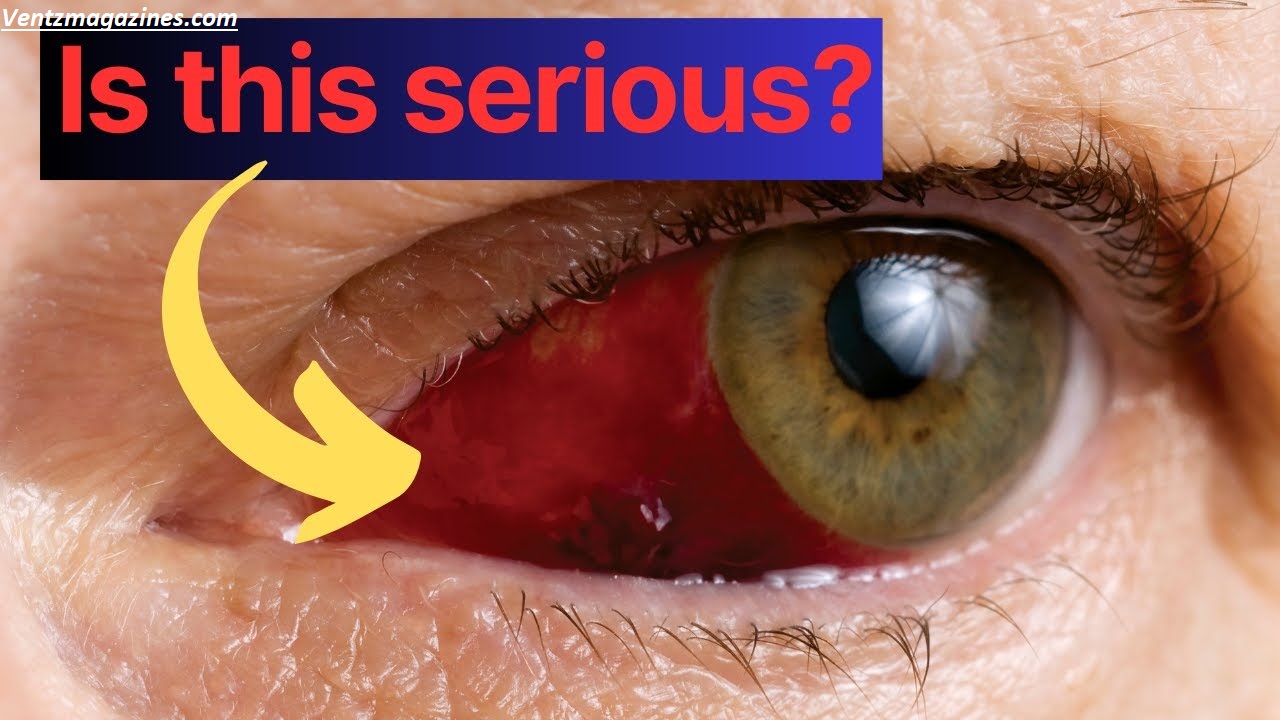
Why Is My Eye Red? Redness in the eye is usually caused by inflamed or dilated blood vessels on the surface.
Conjunctivitis, commonly known as pink eye, is one of the most frequent causes, triggered by bacteria, viruses, or allergies.
Dry eyes from screen time or environmental irritants can also leave your eyes looking red and feeling scratchy.
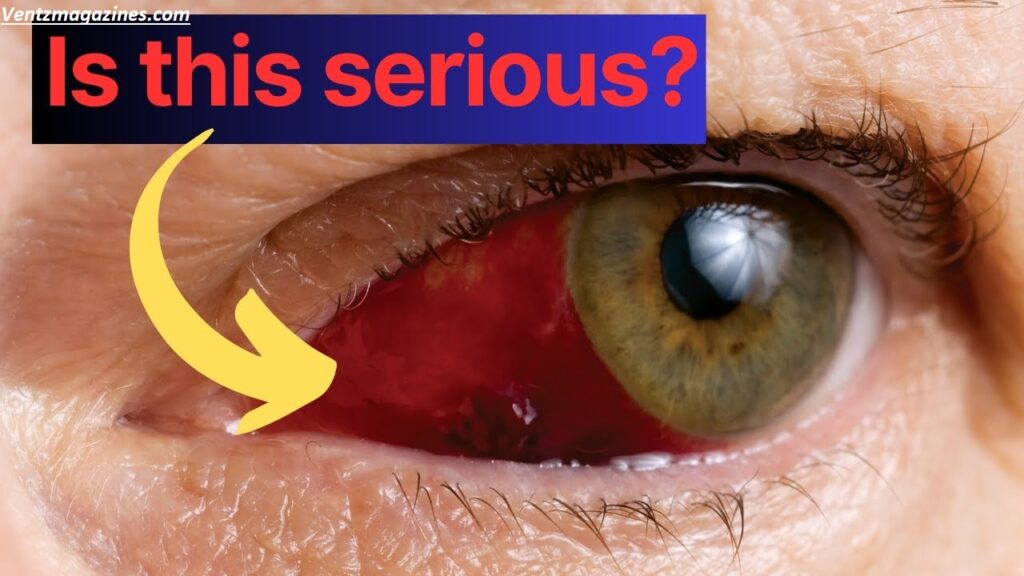
A broken blood vessel, called a subconjunctival hemorrhage, causes a bright red patch but is typically harmless. Wearing contact lenses too long, exposure to smoke, chlorine, or lack of sleep are other common triggers.
However, if redness comes with pain, vision changes, or light sensitivity, see a doctor immediately.
Table of Contents
Quick Table
| Section | Key Insight |
|---|---|
| Common Causes | Allergies, dry eyes, infection, strain |
| Symptoms | Red eye, itching, pain, watery eyes |
| Treatment | Eye drops, cold compress, rest |
| When to Worry | Vision loss, severe pain, discharge |
| Prevention | Hygiene, screen breaks, avoid irritants |
Why Is My Eye Red?
Glaucoma is a serious condition where increased eye pressure can cause redness alongside severe pain and blurred vision, requiring urgent medical attention.
Uveitis, an inflammation of the middle layer of the eye, is another less common but serious cause. Blepharitis, an inflammation of the eyelids, can spread irritation to the eye itself, causing persistent redness.
Corneal abrasions from dust, debris, or rubbing your eye too hard also result in significant redness and discomfort. Rosacea, a skin condition, can affect the eyes too, a condition called ocular rosacea.
Always take sudden or worsening eye redness seriously and consult an eye specialist promptly.
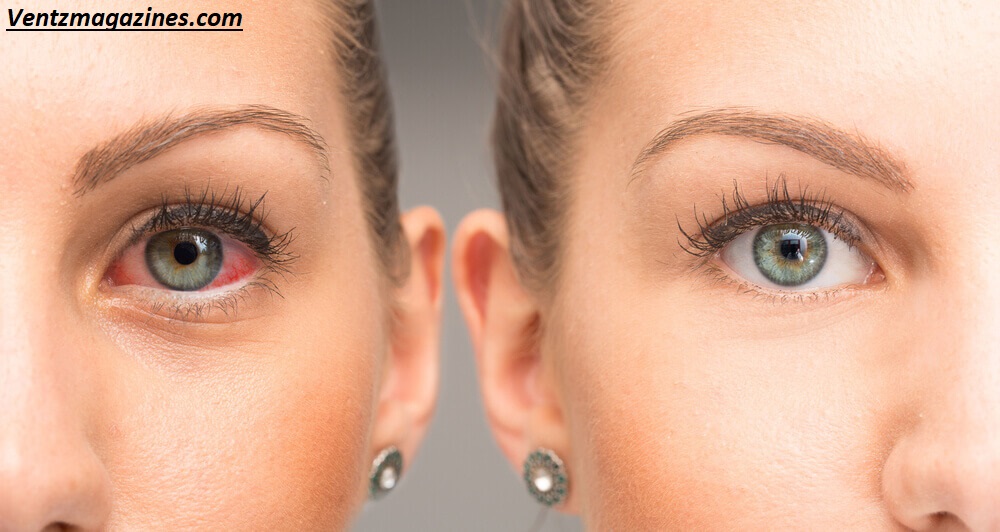
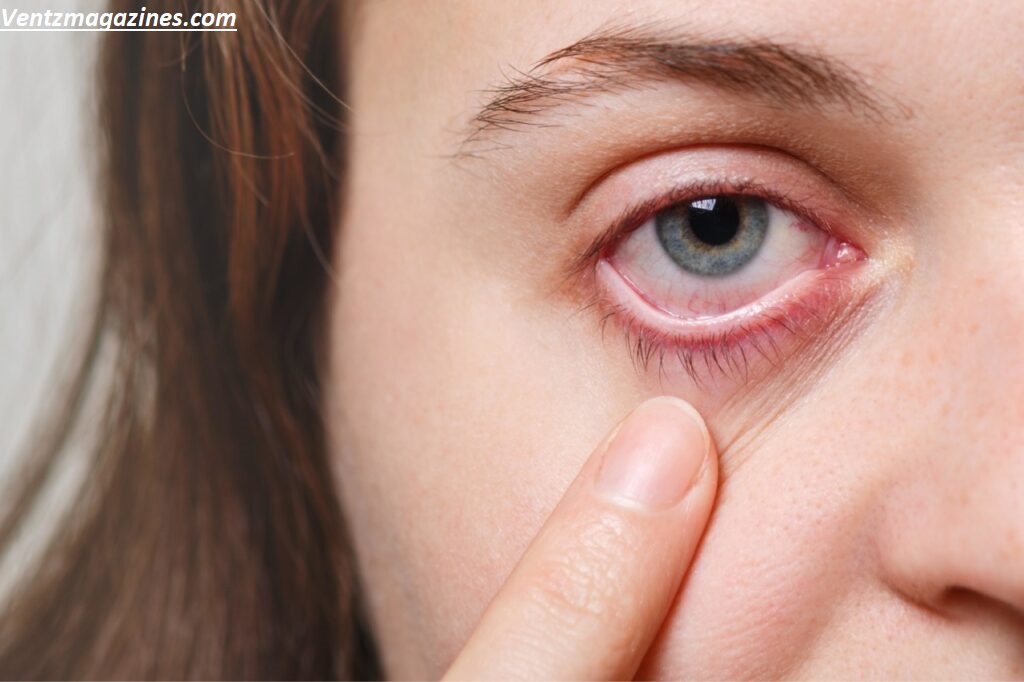
Red eyes (also called bloodshot eyes or eye redness) happen when small blood vessels on the surface of your eye become irritated or enlarged. This can be due to mild issues like eye strain or serious conditions like conjunctivitis (pink eye).
Many people search “why is my eye red” when they notice:
- Eye irritation
- Burning eyes
- Itchy eyes
- Watery eyes
- Swollen eyes
In most cases, red eye is not dangerous, but it can sometimes signal infection or inflammation. Understanding the causes, symptoms, and treatment helps you take the right action early.
Common Causes of Red Eyes
Red eyes or eye redness can happen due to many reasons. The most common causes include allergies, dry eyes, eye strain, and infection.
Exposure to dust or smoke, long screen time, or lack of sleep can also lead to bloodshot eyes. Sometimes, wearing contact lenses too long can irritate the eye surface.
In more serious cases, conjunctivitis (pink eye) or eye injury may be responsible.
These conditions cause eye irritation, watery eyes, burning eyes, and discomfort. Identifying the cause helps decide whether simple home care or medical treatment is needed.
Allergies
Eye allergies are one of the most common reasons for red eyes. When your eyes react to dust, pollen, smoke, or pet dander, they release histamine, causing itchy eyes, watery eyes, and swelling.
This leads to visible eye redness and irritation. People often rub their eyes, which makes symptoms worse. Allergic reactions usually affect both eyes and may come with sneezing or nasal congestion.
Treatment includes antihistamines, avoiding allergens, and using artificial tears or eye drops. Cold compresses can also reduce swelling and discomfort. Allergies are usually harmless but can be very uncomfortable.
Dry Eyes
Dry eyes occur when your eyes do not produce enough tears or when tears evaporate too quickly. This leads to eye irritation, burning eyes, and bloodshot eyes.
Common triggers include long screen time, air conditioning, dehydration, or aging. Dry eyes often feel gritty, like sand is stuck in them.
This condition can worsen eye redness and cause blurred vision.
Treatment includes artificial tears, staying hydrated, and taking screen breaks. In severe cases, a doctor may recommend prescription eye drops.
Dry eye syndrome is very common in people who use digital devices for long hours.
Conjunctivitis
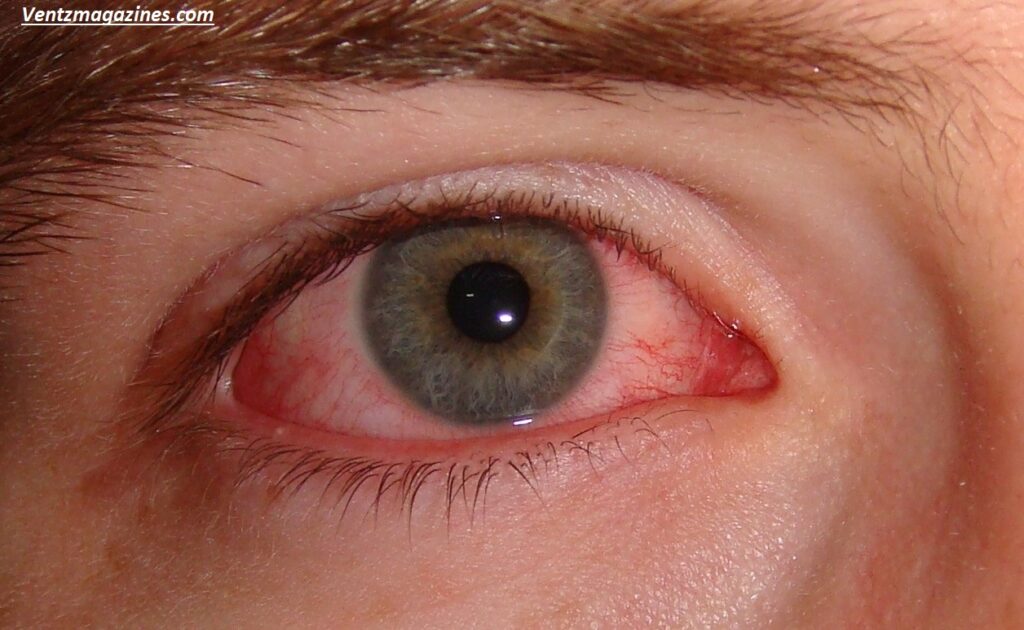
Conjunctivitis (pink eye) is an infection or inflammation of the eye’s outer layer. It causes red eye, discharge from eye, swelling, and itching. It can be viral, bacterial, or allergic.
Viral conjunctivitis is highly contagious and spreads easily. Bacterial infection may cause yellow or green discharge.
Allergic conjunctivitis is triggered by allergens. Symptoms include watery eyes, eye irritation, and crusting around eyes. Treatment depends on the cause—antibiotic drops for bacterial cases and antihistamines for allergies.
Maintaining hygiene is important to prevent spread. Conjunctivitis is a major reason people search “why is my eye red”.
Eye Strain
Eye strain happens after long hours of reading, driving, or using screens. It leads to eye redness, burning eyes, and tired vision.
Today, digital devices are a major cause of strain, often called digital eye strain. Symptoms include dry, itchy, and heavy eyes. Poor lighting and uncorrected vision problems can make it worse.
Eye strain does not cause permanent damage but can be uncomfortable.
Resting your eyes using the 20-20-20 rule helps reduce symptoms. Using proper lighting and reducing screen brightness also improves comfort and reduces bloodshot eyes.
Injury or Irritation
Eye injuries or irritation can cause sudden eye redness and pain. This may happen due to dust, foreign objects, chemicals, or accidental scratches.
Wearing contact lenses incorrectly can also irritate the eye surface. Symptoms include swollen eyes, burning sensation, watery eyes, and severe eye irritation.
In some cases, injury can lead to infection if not treated properly. It is important not to rub the eye, as this may worsen damage.
Cold compress and sterile eye drops may help mild cases, but severe pain or vision changes require immediate medical attention.
Symptoms Accompanying Red Eyes
Red eyes rarely occur alone. They are often accompanied by several symptoms depending on the underlying cause.
The most common signs include eye pain, itching, swelling, watery eyes, discharge, and burning sensation.
In some cases, people may also experience blurred vision or sensitivity to light.
When caused by allergies, symptoms usually include itchy eyes, watery discharge, and sneezing.
In infection cases like conjunctivitis, you may notice yellow or green discharge, crusting around the eyes, and sticky eyelids in the morning.
If the cause is dry eyes, symptoms include burning sensation, gritty feeling, and persistent eye irritation.
Severe cases may include swollen eyes, persistent redness, and vision discomfort, which should not be ignored. Sometimes, bloodshot eyes can also be linked with fatigue, lack of sleep, or overuse of digital screens.
Understanding these symptoms helps differentiate between mild irritation and serious eye conditions.
If symptoms continue for more than a few days or worsen over time, it may indicate infection or inflammation requiring medical treatment. Early identification prevents complications and ensures proper eye health care.
How to Treat Red Eyes
Treatment for red eyes (bloodshot eyes) depends on the cause. In mild cases, home remedies are very effective.
Using cold compresses can reduce swelling and eye redness quickly. Artificial tears or lubricating eye drops help relieve dryness and irritation.
If allergies are responsible, antihistamines or allergy eye drops can reduce itching and watery eyes. For bacterial infections like conjunctivitis, doctors may prescribe antibiotic drops.
Viral infections usually improve on their own with rest and hygiene care.
Reducing screen time is important if eye strain is the cause. Following the 20-20-20 rule (look 20 feet away every 20 minutes for 20 seconds) helps relax eye muscles.
Avoid rubbing your eyes, as it worsens irritation and spreads infection.
Staying hydrated, getting enough sleep, and avoiding smoke or dust exposure also support faster recovery. In case of contact lens irritation, removing lenses immediately and switching to glasses is recommended.
If symptoms persist or worsen, medical evaluation is necessary. Proper treatment ensures faster healing and prevents complications like severe infection or vision issues.
When to See a Doctor
While most cases of eye redness are harmless, some symptoms require urgent medical attention. You should see a doctor if you experience severe eye pain, vision loss, persistent redness, or sensitivity to light.
These may indicate a serious infection or eye condition.
If there is thick yellow or green discharge from the eye, it could be bacterial conjunctivitis needing antibiotic treatment. Sudden redness after injury or exposure to chemicals should also be checked immediately.
Other warning signs include swollen eyes, continuous watery eyes, or worsening eye irritation that does not improve within 2–3 days.
If red eye is accompanied by headaches, nausea, or blurred vision, it may signal deeper issues inside the eye.
People who wear contact lenses should be extra careful, as infections can spread quickly and cause complications.
Ignoring these symptoms can lead to long-term damage or vision problems. Early diagnosis and treatment ensure better recovery and protect eye health. When in doubt, it is always safer to consult an eye specialist.
Prevention Tips
Preventing red eyes (eye redness or bloodshot eyes) is possible with simple daily habits. First, maintain good eye hygiene by washing hands before touching your eyes.
Avoid rubbing your eyes, especially when they feel itchy or irritated.
If you spend long hours on screens, follow the 20-20-20 rule to reduce eye strain and dryness. Adjust screen brightness and ensure proper lighting in your room.
Protect your eyes from dust, smoke, and pollution, which are common triggers for irritation. Wearing sunglasses outdoors can help reduce exposure.
Stay hydrated and eat foods rich in vitamins A and omega-3 fatty acids to support eye health. Use artificial tears if you frequently experience dry eyes.
Contact lens users should clean lenses properly and avoid wearing them for too long. Always remove them before sleeping.
Get enough sleep, as fatigue is a major cause of bloodshot eyes and eye redness. Managing allergies with antihistamines can also prevent flare-ups.
By following these simple steps, you can significantly reduce the chances of developing red eyes and maintain healthy vision.
FAQs
Why is my eye red but not painful?
Usually due to mild irritation, dryness, or allergies.
Is red eye serious?
Most cases are harmless, but infection or injury can be serious.
How long does red eye last?
Mild cases improve in 1–3 days; infections may take longer.
Can lack of sleep cause red eyes?
Yes, it leads to bloodshot eyes and eye strain.
What is the fastest cure for red eyes?
Cold compress and artificial tears often give quick relief.
Conclusion
Eye redness (red eyes or bloodshot eyes) is a very common condition that can happen for many reasons, including allergies, dry eyes, infection, eye strain, or irritation.
In most cases, it is not dangerous and improves with simple care such as eye drops, artificial tears, rest, and cold compresses.
However, it is important to pay attention to symptoms like eye pain, discharge, swelling, or vision changes, as these may indicate a more serious condition like conjunctivitis or infection.
In such cases, medical treatment is necessary.
Modern lifestyles—especially increased screen time—have made eye irritation and eye strain more common than ever. That’s why prevention plays a key role.
Following good eye hygiene, taking screen breaks, staying hydrated, and avoiding allergens can significantly reduce the risk of red eyes.
Understanding the causes and symptoms helps you take quick action and protect your vision. If your eye redness continues or worsens, consulting an eye specialist is always the safest option.
Taking care of your eyes today ensures better vision health in the future.