
Why Does the Bottom of My Foot Hurt? Pain in the bottom of your foot can also come from muscle strain or ligament stress caused by excessive walking, running, or standing on hard surfaces.
Another common reason is flat feet or high arches, which put uneven pressure on the sole. Improper footwear, especially shoes without cushioning or support, can worsen the condition.
In some cases, conditions like metatarsalgia, nerve compression, or arthritis may be responsible. Small injuries or tiny tears in the foot tissues can also cause sharp or burning pain.
Rest, gentle stretching, massage, and supportive shoes usually help. If pain continues, medical evaluation is important.
Table of Contents
Quick Table
| Cause | Pain Location | Key Symptom | Common Trigger |
|---|---|---|---|
| Plantar Fasciitis | Heel / arch | Sharp morning pain | Tight plantar fascia |
| Heel Spurs | Heel bone | Stabbing pain | Calcium buildup |
| Flat Feet / High Arches | Arch | Aching or strain | Poor arch support |
| Foot Strain | Entire sole | Soreness | Overuse injury |
| Stress Fracture | Specific spot | Sharp localized pain | Repetitive impact |
| Tendonitis | Along tendons | Burning pain | Inflammation |
| Arthritis | Joints | Stiffness + swelling | Joint wear |
Why Does the Bottom of My Foot Hurt?
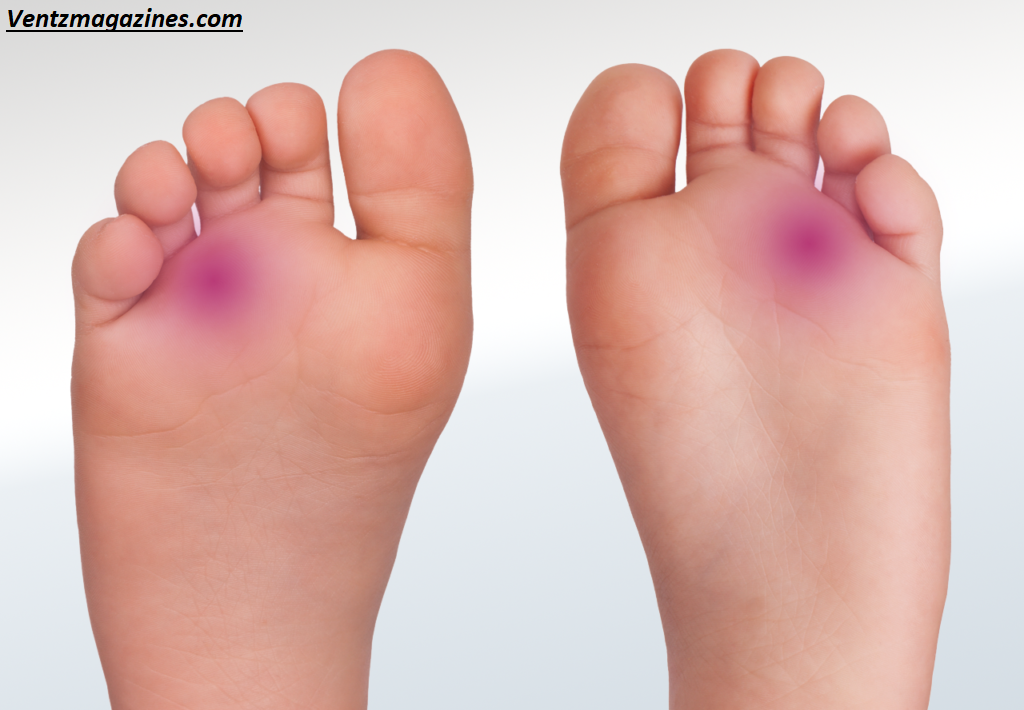
Bottom-of-foot pain is commonly caused by plantar fasciitis, which is inflammation of the thick tissue (plantar fascia) running along your foot’s sole. It often feels worse in the morning or after standing for long periods.
Other causes include wearing poor footwear, flat feet, high arches, overuse from walking or running, or heel spurs.
Sometimes nerve irritation or injury can also trigger discomfort.
Rest, stretching the foot and calf muscles, wearing supportive shoes, and using ice can help reduce pain.
If the pain is severe or long-lasting, it is best to consult a doctor for proper diagnosis and treatment.
Plantar Fasciitis
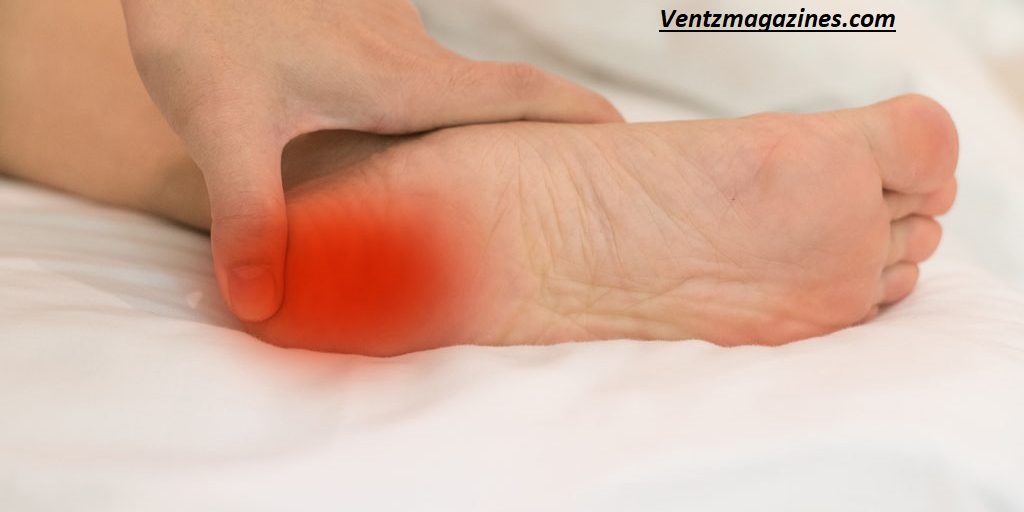
The most common reason the bottom of your foot hurts is plantar fasciitis. This condition involves inflammation of the plantar fascia, a thick band of tissue connecting your heel bone to your toes.
When this tissue becomes irritated due to overuse injury, tight calf muscles, or poor foot mechanics, it causes stabbing pain—especially near the heel. Many people feel it most when taking their first steps in the morning.
Risk factors include:
- Standing for long periods
- Wearing unsupportive shoes
- Having a tight Achilles tendon
- Sudden increase in activity
Without proper treatment, this condition can worsen over time.
Heel Spurs
A heel spur is a calcium deposit that forms on the heel bone. It often develops alongside plantar fasciitis and contributes to bottom of foot pain.
The pain usually feels like a sharp, stabbing sensation when you walk or stand. However, not all heel spurs cause pain—it’s the inflammation around the area that triggers discomfort.
Common causes include:
- Long-term strain on foot ligaments
- Repetitive stress
- Poor arch support
- Abnormal foot mechanics
Many people confuse heel spurs with plantar fasciitis, but they often occur together.
Flat Feet or High Arches
Your foot structure plays a huge role in how pressure is distributed. If you have flat feet or high arches, your foot mechanics are off balance.
Flat feet cause your arch to collapse, placing stress on the plantar fascia. High arches, on the other hand, concentrate pressure on the heel and ball of the foot.
This can lead to:
- Arch pain
- Heel pain
- Muscle fatigue
- Increased risk of injury
Wearing proper shoes with good arch support can make a significant difference.
Foot Strain or Overuse
If you’ve been walking, running, or standing more than usual, your pain might be due to a simple overuse injury.
Foot strain happens when muscles and ligaments are pushed beyond their limit. This leads to inflammation and soreness across the sole.
Signs include:
- Dull, aching pain
- Tenderness
- Pain that worsens with activity
This type of bottom of foot pain is common among:
- Athletes
- Retail workers
- People who stand for long periods
Rest and recovery are key here.
Stress Fractures
A stress fracture is a tiny crack in the bone caused by repetitive force. It often affects people who suddenly increase their activity level.
Unlike general foot pain, this feels very specific:
- Sharp pain in one spot
- Pain that worsens with weight-bearing
- Swelling in the area
Stress fractures commonly occur in the heel bone or metatarsals and require proper diagnosis.
Ignoring this condition can lead to more serious injury.
Tendonitis
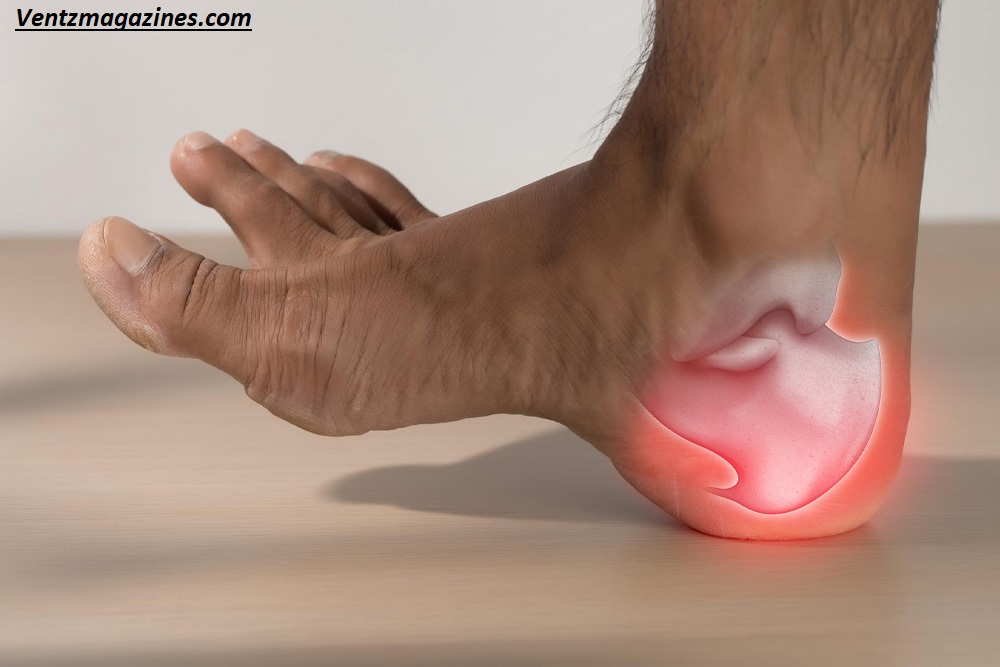
Tendonitis occurs when tendons in your foot become inflamed. This often involves the Achilles tendon or other supporting tendons.
Symptoms include:
- Burning or aching pain
- Swelling
- Pain during movement
Causes include:
- Tight Achilles tendon
- Overuse
- Poor footwear
This condition is closely linked to inflammation and improper foot mechanics.
Arthritis
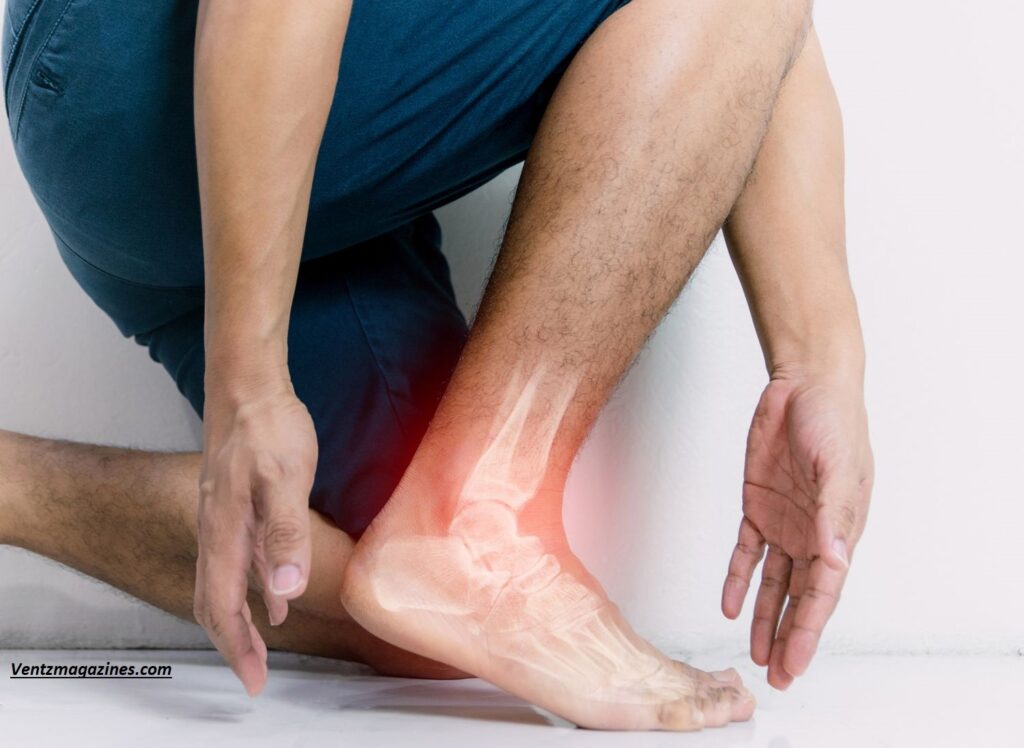
Arthritis can also cause bottom of foot pain, especially in older adults. It leads to inflammation in the joints, resulting in stiffness and discomfort.
Types that affect the foot include:
- Osteoarthritis
- Rheumatoid arthritis
Symptoms include:
- Joint stiffness
- Swelling
- Reduced mobility
Pain may worsen after periods of rest or excessive activity.
Why It Hurts More in the Morning
If your first steps out of bed are the most painful, you’re likely dealing with plantar fasciitis or a related condition.
During sleep, your foot relaxes and the plantar fascia tightens slightly. When you stand up, the tissue suddenly stretches, causing sharp pain.
Other contributing factors:
- Tight Achilles tendon
- Poor circulation during rest
- Inflammation buildup overnight
Morning pain is a key diagnostic clue that many competitors fail to explain properly.
To reduce it:
- Stretch your foot before getting up
- Avoid walking barefoot
- Use supportive footwear immediately
When to See a Doctor
Not all foot pain requires medical attention—but some signs shouldn’t be ignored.
You should see a doctor if:
- Pain lasts more than 1–2 weeks
- You experience severe swelling
- You cannot bear weight
- Pain is sharp and localized (possible stress fracture)
- There are signs of infection
Early diagnosis can prevent long-term complications.
Many people delay treatment, which makes conditions like plantar fasciitis harder to heal.
How to Relieve Foot Pain Fast
If you’re dealing with bottom of foot pain, here are proven ways to get relief:
Rest and Reduce Activity
Avoid excessive walking or standing for long periods.
Ice Therapy
Apply ice for 15–20 minutes to reduce inflammation.
Stretching Exercises
Focus on:
- Plantar fascia
- Achilles tendon
- Calf muscles
Proper Footwear
Choose shoes with:
- Good arch support
- Cushioning
- Stability
Orthotics
Custom or over-the-counter inserts improve foot mechanics.
Massage
Rolling your foot over a ball can relieve tension.
Anti-inflammatory Care
Reducing inflammation is key to healing.
FAQs
Why does the bottom of my foot hurt when I walk?
It’s usually due to plantar fasciitis, overuse injury, or poor foot mechanics.
Why is foot pain worse in the morning?
Because the plantar fascia tightens overnight and stretches suddenly when you stand.
Can shoes cause foot pain?
Yes, poor arch support and worn-out shoes are major causes.
How long does foot pain last?
Mild cases improve in days; severe ones can take weeks or months.
Is foot pain serious?
It can be if caused by stress fracture or arthritis.
Should I exercise with foot pain?
Avoid high-impact activity until pain improves.
Conclusion
If you’ve been wondering, “why does the bottom of my foot hurt?”, the answer usually comes down to a few key causes like plantar fasciitis, heel spur formation, tendonitis, or stress fracture.
What most people don’t realize is that foot pain is often a result of poor foot mechanics, lack of arch support, and repeated strain over time.
Whether it’s from standing for long periods, wearing the wrong shoes, or pushing your body too hard, your feet take the impact.
The good news? Most cases are treatable with simple steps like rest, stretching, proper footwear, and addressing inflammation early.
Ignoring the pain, however, can lead to chronic problems that are harder to fix.
Pay attention to your symptoms, act early, and support your feet—they carry you every day.