
Why Does the Bottom of My Foot Hurt? Pain in the bottom of your foot is often caused by Plantar Fasciitis, a condition where the thick band of tissue supporting the arch becomes inflamed.
This can lead to sharp heel or arch pain, especially when you take your first steps in the morning.
Other possible causes include overuse from running or standing for long periods, flat feet, worn-out shoes, or injuries like stress fractures.
Conditions such as Achilles Tendinitis or Heel Spurs may also cause discomfort. Rest, stretching, supportive footwear, and ice can help reduce pain, but persistent symptoms should be checked by a healthcare professional.
Table of Contents
Quick Table
| Symptom | Possible Cause | Pain Location | When It Hurts Most |
|---|---|---|---|
| Sharp heel pain | Plantar fasciitis | Heel | Morning / first steps |
| Burning pain in ball | Metatarsalgia | Ball of foot | Walking / standing |
| Tingling or numbness | Morton’s neuroma | Between toes | Tight shoes |
| Arch discomfort | Flat feet | Foot arch | Long walking |
| Dull ache | Tendinitis | Along tendons | Movement |
| Stiff pain | Arthritis | Joints | After rest |
Top Causes of Bottom Foot Pain When Walking
If you’re asking, “why does the bottom of my foot hurt when I walk?”, you’re not alone. This is one of the most common foot complaints, and it usually comes from stress, inflammation, or structural issues in your foot.
The bottom of your foot contains ligaments, tendons, nerves, and bones that work together to support your body.
When any of these become irritated, you may experience foot arch pain, heel pain when walking, or ball of foot pain.
One of the biggest causes is overuse injury foot, which happens when you walk, stand, or exercise more than your feet can handle. This leads to foot inflammation, soreness, and discomfort.
Another major factor is wearing improper footwear. Shoes without proper arch support can strain the plantar fascia, causing long-term pain.
Conditions like plantar fasciitis, metatarsalgia, and Morton’s neuroma are especially common among people who walk a lot or stand for long hours.
Sometimes, the issue may also be related to nerve pain in foot, joint problems, or flat arches. The key is identifying the exact cause based on your symptoms so you can treat it effectively.

Plantar Fasciitis
Plantar fasciitis is the most common reason why the bottom of your foot hurts. It occurs when the plantar fascia, a thick band of tissue connecting your heel to your toes, becomes inflamed.
This condition causes heel pain when walking, especially during your first steps in the morning. The pain may decrease as you move but can return after long periods of standing or walking.
It’s often caused by overuse injury foot, tight calf muscles, or poor footwear. People with flat feet or high arches are more prone to it. Stretching, supportive shoes, and rest can help reduce symptoms.
Metatarsalgia
Metatarsalgia refers to pain and inflammation in the ball of foot pain area. It feels like you’re walking on a small stone or experiencing burning discomfort under your toes.
This condition is common in runners, athletes, and people who wear tight or high-heeled shoes. It results from excessive pressure on the front of your foot.
You may also notice sore feet after walking, especially after long periods of activity. Improper weight distribution and lack of cushioning contribute to this issue.
Treatment includes rest, cushioned insoles, and reducing pressure on the forefoot.
Morton’s Neuroma
Morton’s neuroma is a type of nerve pain in foot that occurs between the toes, usually between the third and fourth toes.
It causes sharp, burning pain or a tingling sensation, often described as feeling like there’s a pebble in your shoe. The pain worsens when walking or wearing tight footwear.
This condition develops due to nerve compression or irritation. High heels and narrow shoes are common triggers.
If untreated, symptoms can worsen over time. Switching to wider shoes, using padding, and reducing pressure can help relieve discomfort.
Flat Feet
Flat feet occur when the arches of your feet collapse, leading to foot arch pain and strain on the bottom of your foot.
Without proper arch support, the foot muscles and ligaments become overworked, causing sore feet after walking or standing for long periods.
Flat feet can also contribute to plantar fasciitis and other foot conditions. You may notice your feet roll inward while walking.
Supportive footwear and orthotic inserts can help correct alignment and reduce discomfort. Strengthening exercises may also improve foot stability over time.
Tendinitis
Tendinitis is inflammation of the tendons in your foot, often caused by repetitive stress or overuse.
It leads to a dull, aching pain that worsens with movement. You may feel stiffness or swelling along the bottom of your foot.
This condition is common among athletes or people who suddenly increase their activity levels. It’s a classic example of an overuse injury foot.
Rest, ice, and gentle stretching can help reduce foot inflammation. Wearing proper footwear is also essential to prevent further strain.
Arthritis
Arthritis affects the joints in your foot, leading to pain, stiffness, and swelling.
It can cause discomfort in the bottom of your foot, especially when walking after periods of rest. The pain may feel deep and persistent.
Common types include osteoarthritis and rheumatoid arthritis. Both can limit mobility and make walking difficult.
Symptoms often worsen with age or joint wear and tear. Managing arthritis involves medication, supportive shoes, and lifestyle changes to reduce stress on the joints.
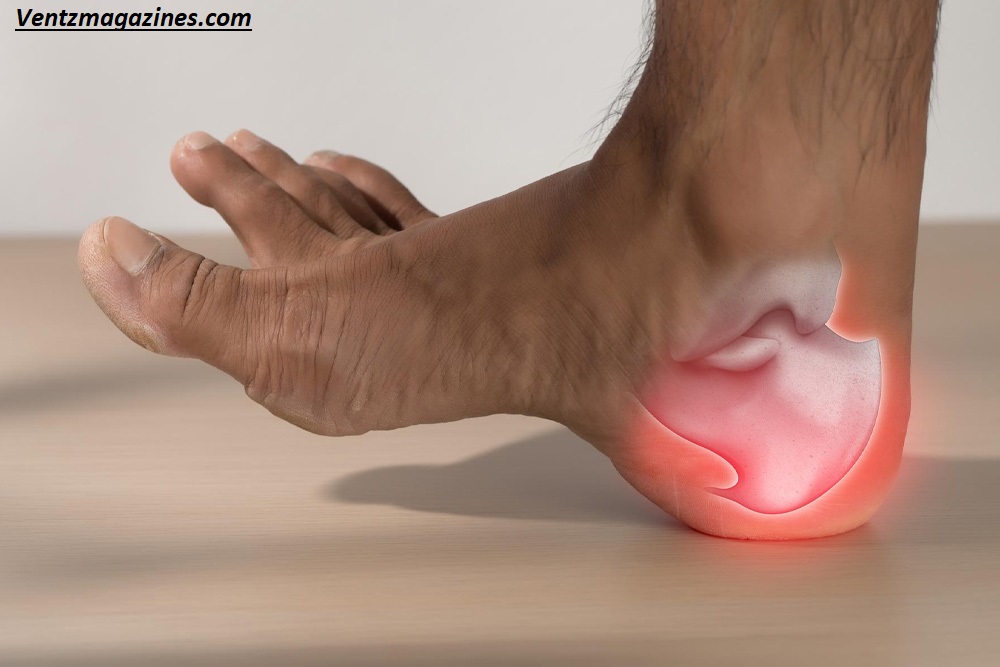
Symptoms That Help Identify the Cause
Understanding your symptoms can help answer the question: why does the bottom of my foot hurt when I walk?
Different conditions produce different types of pain. For example:
- Sharp heel pain when walking often indicates plantar fasciitis
- Burning ball of foot pain suggests metatarsalgia
- Tingling or numbness points to nerve pain in foot like Morton’s neuroma
- Aching foot arch pain may be due to flat feet
- Stiffness and swelling can signal arthritis
You should also pay attention to when the pain occurs. Pain that is worse in the morning usually relates to plantar fasciitis, while pain that increases throughout the day often comes from overuse or inflammation.
Another key factor is activity level. If you notice sore feet after walking or prolonged standing, your condition may be related to overuse injury foot.
Swelling, redness, or warmth may indicate foot inflammation, while a feeling of pressure or a lump under your foot could suggest nerve involvement.
Tracking these symptoms can help you identify the underlying cause and choose the right treatment.
When Should You See a Doctor?
While many cases of foot pain improve with rest and home care, there are times when you should seek medical attention.
You should see a doctor if:
- Pain lasts more than a few weeks
- You experience severe or worsening pain
- There is visible swelling or redness
- You feel numbness or persistent nerve pain in foot
- Walking becomes difficult or painful
Ignoring symptoms can make conditions like plantar fasciitis or metatarsalgia worse over time.
If your pain is caused by an underlying condition like arthritis, early diagnosis is important for managing long-term health.
Also, if your foot pain is the result of an injury or sudden trauma, medical evaluation is necessary to rule out fractures or serious damage.
A doctor may recommend imaging tests, physical therapy, or custom orthotics to address the root cause.
Getting timely treatment can prevent complications and help you return to normal activities faster.
Best Treatments for Foot Pain
Treatment depends on the cause, but several methods can help relieve discomfort and reduce foot inflammation.
Home Remedies
- Rest your feet and avoid overuse
- Apply ice to reduce swelling
- Stretch your foot and calf muscles
- Elevate your feet when possible
Footwear Changes
Wearing supportive shoes is crucial. Proper arch support can reduce foot arch pain and prevent further damage.
Orthotics
Custom or over-the-counter inserts help distribute pressure evenly and reduce ball of foot pain.
Medications
Anti-inflammatory medications can help manage pain and swelling.
Lifestyle Adjustments
Reducing high-impact activities and maintaining a healthy weight can lower stress on your feet.
Physical Therapy
Exercises can strengthen muscles and improve flexibility, especially for conditions like plantar fasciitis.
Combining these treatments often provides the best results and helps prevent recurring issues.

FAQs
Why does the bottom of my foot hurt when I walk all day?
It’s usually due to overuse injury foot or lack of proper support.
Is plantar fasciitis serious?
It’s common but can worsen without treatment.
Why do I have sore feet after walking?
This may result from poor footwear, flat feet, or excessive activity.
Can shoes cause foot pain?
Yes, unsupportive shoes often lead to foot inflammation and pain.
How long does foot pain take to heal?
It depends on the cause, but mild cases improve within weeks.
Conclusion
If you’ve been wondering, “why does the bottom of my foot hurt when I walk?”, the answer usually lies in a combination of overuse, improper support, and underlying conditions.
Common causes like plantar fasciitis, metatarsalgia, and nerve pain in foot can lead to discomfort ranging from mild soreness to severe pain.
You may experience heel pain when walking, foot arch pain, or ball of foot pain, depending on the condition.
The good news is that most cases are treatable with simple steps like rest, proper footwear, and targeted exercises.
Paying attention to symptoms such as sore feet after walking or persistent pain can help you catch problems early.
However, if the pain continues or worsens, it’s important to seek medical advice to prevent long-term damage.