

Why Am I Suddenly Lactose Intolerant? Suddenly becoming lactose intolerant can feel confusing, especially if you’ve always been able to enjoy dairy without any issues.
In most cases, it’s not truly “sudden” but the result of gradual changes in your body.
The main reason is a decrease in lactase enzyme production in the small intestine, which is needed for proper milk sugar digestion.
When lactase levels drop, lactose malabsorption occurs, leading to symptoms like bloating, gas, and diarrhea after consuming dairy.
One common cause is adult-onset lactose intolerance, where lactase production naturally declines with age.
Other triggers include gut infections, food poisoning, or conditions that affect the digestive system, which can temporarily damage the intestine.
Table of Contents
Changes in gut bacteria, often caused by antibiotics, stress, or diet shifts, can also lead to dairy intolerance.
Quick Table
| Topic | Key Insight |
|---|---|
| What is lactose intolerance? | Inability to digest milk sugar due to low lactase enzyme |
| Main cause | Lactase enzyme deficiency in the small intestine |
| Why sudden? | Gut changes, illness, aging, or diet shifts |
| Common symptoms | Bloating, gas, diarrhea after dairy |
| Is it permanent? | Sometimes temporary, sometimes lifelong |
| Treatment | Diet changes, lactase supplements |
| Risk group | Adults, people with gut issues |
Symptoms
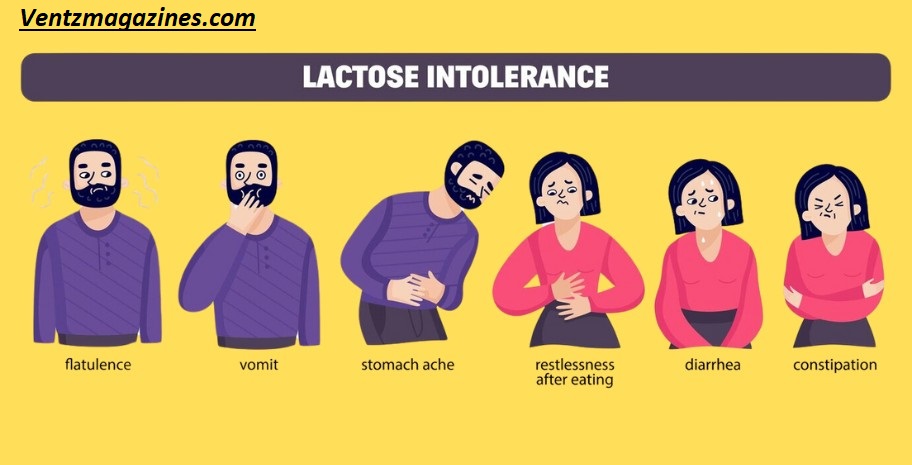
The symptoms of lactose intolerance usually appear within 30 minutes to 2 hours after consuming dairy. These symptoms happen because your body struggles with milk sugar digestion, leading to fermentation in the gut.
Common symptoms after eating dairy include:
- Bloating after milk
- Gas after drinking milk
- Diarrhea after dairy
- Stomach cramps dairy-related pain
- Nausea in some cases
When lactose is not properly broken down due to lactase enzyme deficiency, it passes into the colon. There, gut bacteria ferment it, producing gas and causing discomfort.
Many people describe the feeling as sudden or intense, especially if they previously had no issues. You might notice that even small amounts of milk now trigger symptoms.
An important thing to understand is that symptoms vary. Some people can tolerate small amounts of dairy, while others react strongly even to tiny portions.
If your symptoms feel new or unexpected, it’s often because your body’s ability to produce lactase has decreased over time. This gradual change can suddenly become noticeable, making it seem like the problem appeared overnight.

Causes
So, why am I suddenly lactose intolerant? The answer lies in changes inside your digestive system.
The most common cause is lactase enzyme deficiency. Lactase is produced in the small intestine and helps break down lactose. When production drops, lactose malabsorption occurs.
Here are the main sudden lactose intolerance causes:
Aging
As you grow older, your body naturally produces less lactase. This leads to adult-onset lactose intolerance, even if you tolerated dairy before.
Gut Infections or Illness
Food poisoning, viral infections, or stomach bugs can damage the lining of the small intestine. This temporarily reduces lactase production.
Changes in Gut Bacteria
Your gut bacteria play a key role in digestion. Antibiotics, stress, or diet changes can disrupt them, triggering dairy intolerance.
Underlying Conditions
Conditions like celiac disease or Crohn’s disease can affect the intestine and lead to lactose issues.
Diet Changes
If you stop consuming dairy for a while, your body may reduce lactase production, making reintroduction difficult.
Types
Understanding the types of lactose intolerance helps explain why it may appear suddenly.
Primary Lactose Intolerance
This is the most common type. It develops naturally over time as lactase production decreases. This is often linked to adult-onset lactose intolerance.
Secondary Lactose Intolerance
This occurs after damage to the small intestine, often due to illness, infection, or digestive disorders. It can cause sudden symptoms and is sometimes temporary.
Congenital Lactose Intolerance
A rare genetic condition where babies are born without the ability to produce lactase.
Developmental Lactose Intolerance
Seen in premature infants whose digestive systems are not fully developed.
Secondary lactose intolerance is especially important because it may improve once the underlying issue heals. This is why some people regain the ability to digest dairy after recovery.
Risk Factors
Certain factors increase your chances of developing lactose intolerance, especially suddenly.
Age
The older you get, the more likely your lactase levels decrease, leading to lactose malabsorption.
Ethnicity
Some populations naturally have lower lactase levels in adulthood.
Digestive Disorders
Conditions affecting the small intestine can damage lactase-producing cells.
Gut Health Issues
An imbalance in gut bacteria can worsen symptoms like gas after drinking milk and bloating.
Antibiotic Use
Antibiotics can disrupt gut flora, leading to temporary dairy intolerance.
Sudden Diet Changes
Cutting out dairy for long periods may reduce your body’s ability to digest lactose.
Stress
Chronic stress affects digestion and can worsen symptoms after eating dairy.

Diagnosis
If you suspect lactose intolerance, getting a proper diagnosis helps confirm it.
Symptom Tracking
Doctors often start by reviewing your symptoms—especially bloating after milk, diarrhea after dairy, and stomach cramps.
Elimination Diet
You may be asked to avoid dairy for a few weeks and then reintroduce it to observe reactions.
Hydrogen Breath Test
This test measures gas levels after consuming lactose. High levels indicate lactose malabsorption.
Stool Acidity Test
Used mostly in children, it checks how well lactose is digested.
Blood Test
Measures how your body processes glucose after lactose intake.
It’s important not to self-diagnose completely, as similar symptoms can come from other conditions like IBS.
Treatment
The good news is that lactose intolerance is manageable.
Reduce Dairy Intake
Limit foods that trigger symptoms like milk, ice cream, and soft cheeses.
Choose Lactose-Free Products
Many products are treated with lactase, making them easier to digest.
Lactase Supplements
These help break down lactose and improve milk sugar digestion.
Improve Gut Health
Supporting your gut bacteria with probiotics may reduce symptoms.
Gradual Reintroduction
Some people can tolerate small amounts of dairy if introduced slowly.
Treat Underlying Causes
If your condition is secondary, treating the root cause may restore tolerance.
FAQ’s (Short)
Can lactose intolerance appear suddenly?
Yes, especially due to aging, illness, or gut changes.
Is adult-onset lactose intolerance common?
Yes, many adults develop it over time.
Why do I get gas after drinking milk?
Undigested lactose is fermented by gut bacteria.
Can lactose intolerance go away?
Sometimes, especially if it’s caused by temporary gut issues.
What’s the difference between dairy intolerance and milk allergy?
Lactose intolerance affects digestion, while allergy involves the immune system.
Conclusion
If you’re wondering, “Why am I suddenly lactose intolerant?”, the answer usually lies in changes within your digestive system.
While it may feel like it happened overnight, the process is often gradual—linked to reduced lactase production, gut health changes, or temporary damage to the small intestine.
The key takeaway is that lactose intolerance is common and manageable. By understanding your symptoms, identifying triggers, and adjusting your diet, you can still enjoy a balanced and comfortable lifestyle.
Many people experience adult-onset lactose intolerance, and in some cases, it may even be temporary. Paying attention to your body and improving gut health can make a big difference.
Instead of seeing it as a limitation, think of it as your body sending a signal. Once you understand that signal, you can take control and make choices that support better digestion.
In the end, your body isn’t working against you—it’s simply adapting.