
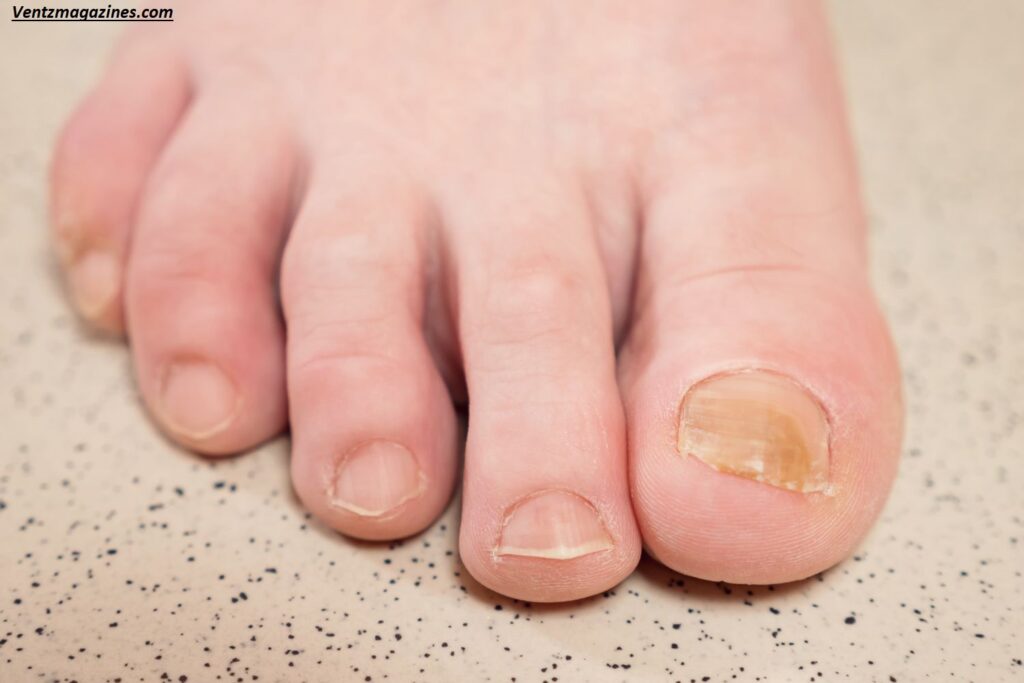
Why Are My Toenails Yellow? Yellow toenails are most commonly caused by a fungal infection, known as onychomycosis, which thrives in warm, moist environments like sweaty shoes and public showers.
The infection causes nails to become yellow, thick, and brittle over time. Wearing dark, tight-fitting shoes for long periods can also cause discoloration by trapping moisture and reducing airflow.
Nail polish, especially darker shades worn without a base coat, can stain nails yellow over time.
Certain medical conditions like psoriasis, diabetes, thyroid disorders, and lymphedema are also linked to yellow nails. Smokers frequently develop yellow staining on their fingers and toenails too.
Persistent yellowing should be evaluated by a doctor.
Table of Contents
Quick Table
| Cause | Symptoms | Severity | Quick Fix |
|---|---|---|---|
| Toenail fungus (onychomycosis) | Thick toenails, brittle nails, smell | Moderate–High | Antifungal treatment |
| Nail polish staining | Yellow surface only | Low | Stop polish, buff nails |
| Aging | Slow nail growth, thick toenails | Low | Proper nail care |
| Poor hygiene | Discolored nails, odor | Medium | Clean & dry feet |
| Medical conditions | Yellow + swelling | High | See doctor |
| Smoking | Yellow tint on nails | Low | Quit smoking |
What Different Shades of Yellow Mean
Not all yellow toenails are the same. The shade of yellow can tell you a lot about the underlying cause.
- Light yellow usually comes from nail polish staining. Dark nail polish can leave pigment behind, especially if you don’t use a base coat. This is one of the most common causes of toenail turning yellow.
- Bright yellow may indicate a fungal infection. If your nail also becomes thick, brittle, or crumbly, fungus is likely the cause. This is known as onychomycosis and is a leading reason for thick toenails.
- Yellow-brown nails often suggest long-term fungal growth. The nail may become distorted or separate from the nail bed.
- Yellow with green tint could point to a bacterial infection.
- Yellow with swelling or slow growth may be linked to a rare condition called yellow nail syndrome.
Understanding these shades helps you decide whether you need simple care or medical attention. Most competitors don’t explain this clearly, but identifying the shade is your first step toward the right treatment.
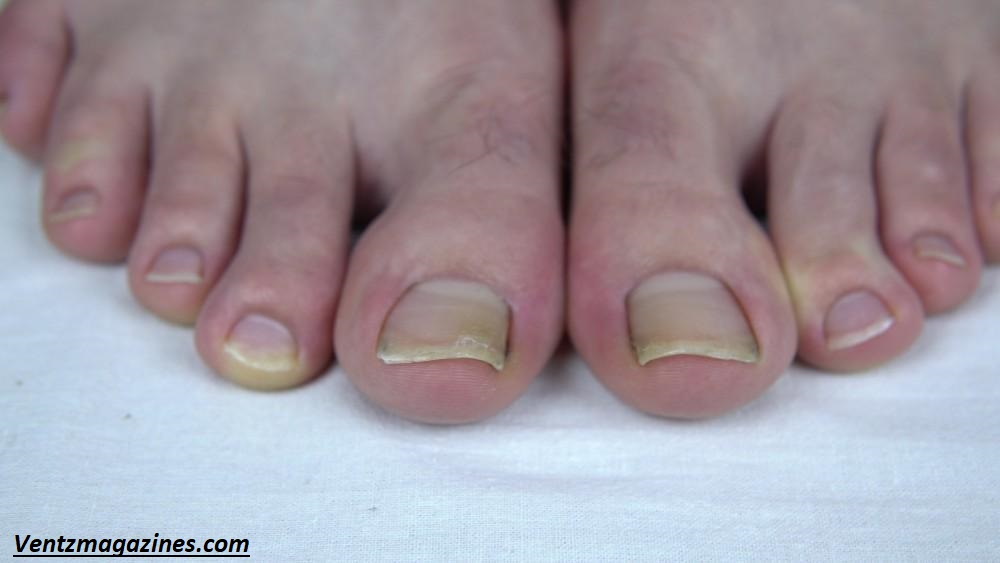
Yellow Toenails But No Fungus?
Many people assume yellow nails always mean fungus—but that’s not true. You can have yellow toenails without fungus, and this is often overlooked.
Here are common non-fungal causes:
Nail Polish Staining
Dark or frequent polish use can stain nails yellow. This is purely cosmetic and doesn’t involve infection.
Poor Foot Hygiene
Sweaty feet trapped in shoes create discoloration. Over time, nails may look dull or yellow.
Smoking
Nicotine stains can affect nails, causing a yellow tint.
Aging
As you get older, nails naturally become thicker and more discolored.
Nutritional Deficiencies
Lack of vitamins like biotin or zinc can weaken nails, leading to brittle nails and discoloration.
Tight Shoes
Constant pressure reduces airflow, affecting nail health.
If there’s no pain, smell, or crumbling, fungus may not be the cause. In these cases, simple changes like better hygiene and nail care can improve the appearance.
Most competitor articles miss this distinction—but it’s crucial because fungal treatments won’t work if fungus isn’t the problem.
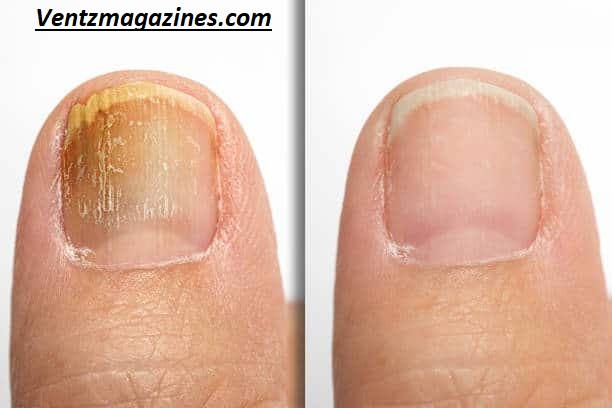
Why Only One Toenail Is Yellow
If only one toenail is yellow, the cause is usually localized rather than systemic.
Common reasons include:
Injury or Trauma
Stubbing your toe or wearing tight shoes can damage the nail. The nail may turn yellow as it heals.
Early Fungal Infection
Fungus often starts in one nail before spreading. Watch for thick toenails or crumbling edges.
Nail Polish Damage
Sometimes, only one nail gets stained due to uneven polish application.
Ingrown Toenail Issues
Pressure and inflammation can change nail color.
Poor Circulation in That Toe
Reduced blood flow can cause discoloration.
What to do:
- Monitor changes for 2–3 weeks
- Check for spreading or thickening
- Keep the nail clean and dry
If it worsens, it may require toenail fungus treatment.
Competitors rarely explain this clearly, but focusing on one nail helps you diagnose the issue faster and more accurately.
Fastest Ways to Fix Yellow Toenails
If you want quick results, you need to match the solution to the cause.
For Fungal Infections:
- Use antifungal creams or oral medication
- Keep feet dry
- Trim nails regularly
For Staining:
- Stop using nail polish for a few weeks
- Gently buff the nail surface
- Use whitening treatments
For Hygiene Issues:
- Wash feet daily
- Change socks often
- Wear breathable shoes
Natural Home Remedies:
These are popular home remedies for yellow nails:
- Baking soda paste
- Tea tree oil (antifungal)
- Hydrogen peroxide soak
- Apple cider vinegar
Lifestyle Fixes:
- Avoid tight shoes
- Improve diet (biotin, protein)
- Stay hydrated
The fastest way to fix yellow toenails is consistent care + correct diagnosis. Many competitors give generic tips, but the real key is choosing the right treatment based on the cause.
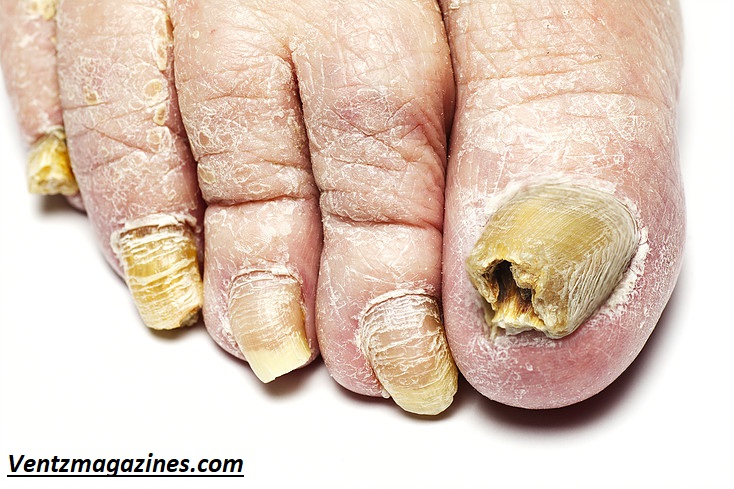
Before & After Timeline
Fixing yellow toenails takes time. Here’s what to expect:
Week 1–2:
- Surface stains may start fading
- Nails look slightly cleaner
- Hygiene improvements show early results
Week 3–4:
- New nail growth appears
- Discoloration slowly reduces
- Fungus treatment begins working
Month 2–3:
- Significant improvement in color
- Less thickness and brittleness
- Healthier nail texture
Month 4–6:
- Nail grows out fully
- Most discoloration gone
- Stronger, clearer nails
6–12 Months:
- Complete recovery (especially for fungus)
Toenails grow slowly, so patience is key. Many people expect instant results, but even the best toenail fungus treatment takes time.
Competitors often skip timelines, but understanding this helps you stay consistent and avoid frustration.
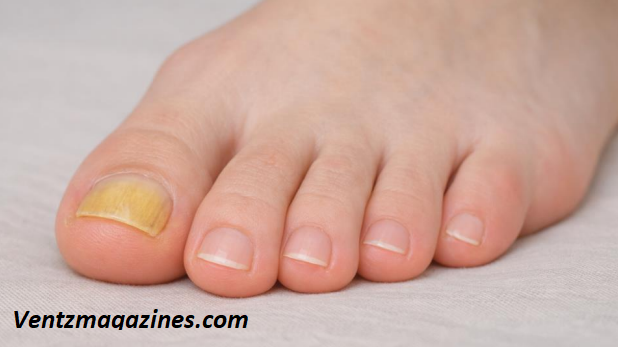
Myths vs Facts
| Myth | Fact |
|---|---|
| Yellow toenails always mean fungus | Not always—can be staining or aging |
| You can fix it overnight | It takes weeks or months |
| Home remedies always work | They help, but not for severe infections |
| Only old people get yellow nails | Anyone can develop them |
| Cutting nails short cures fungus | It helps, but doesn’t cure it |
More truths:
- Discolored nails are common and often treatable
- Brittle nails may signal nutrition issues
- Early treatment prevents worsening
Understanding these myths helps you avoid wasting time on ineffective solutions.
FAQ’s
Why are my toenails yellow and thick?
This is usually caused by a fungal infection, especially if the nails are also brittle.
Can yellow toenails go away on their own?
Mild cases like staining may improve, but fungus usually needs treatment.
Are yellow toenails dangerous?
Most cases are harmless, but persistent discoloration may need medical attention.
How do I whiten my toenails fast?
Try baking soda, hydrogen peroxide, or stopping nail polish use.
What is the best toenail fungus treatment?
Antifungal medications combined with proper hygiene work best.
Conclusion
Yellow toenails may look alarming, but in most cases, they are treatable. The key is understanding the root cause.
Whether it’s a fungal infection, nail polish staining, or simple hygiene issues, each cause requires a different approach.
This guide goes beyond typical advice by helping you identify the exact reason behind your discolored nails, whether you’re dealing with thick toenails, brittle nails, or mild staining.
It also gives you practical steps, timelines, and realistic expectations—something many competitors fail to provide.
If your toenail is turning yellow, don’t ignore it. Early action can prevent more serious problems. Start with simple fixes like better hygiene and home remedies.
If the problem persists or worsens, consider professional toenail fungus treatment.
Healthy nails take time, but with consistency, you can restore their natural color and strength. By following the strategies in this guide, you’ll not only fix the problem but also prevent it from coming back.
Your nails are a reflection of your overall health—take care of them, and they’ll stay strong and clear.