
Why Does My Ear Ring Suddenly? Sudden ear ringing, known as tinnitus, can catch you completely off guard and signal something deeper happening inside your body.
Loud noise exposure is the most common trigger, damaging tiny hair cells inside your inner ear instantly.
Earwax blockage creates pressure buildup that distorts normal sound perception, producing that annoying ringing sensation.
Sudden changes in blood pressure can restrict inner ear circulation, causing temporary ringing.
Certain medications, including aspirin and antibiotics, are known to irritate auditory nerves.
Ear infections, jaw disorders, stress, anxiety, and age-related hearing loss are equally powerful hidden triggers that demand prompt medical attention.
Table of Contents
Quick Table
| Topic | Key Insight |
|---|---|
| Brief ear ringing | Usually linked to tinnitus |
| Duration | Few seconds to under a minute |
| Common causes | Loud noise, earwax buildup, stress |
| Medical term | Fleeting tinnitus |
| Serious? | Usually harmless |
| When to worry | Frequent, painful, or with hearing loss |
| Quick fix | Relax, reduce noise, check ear health |
Why Does My Ear Ring Suddenly?
Sudden ear ringing, known as tinnitus, can catch you completely off guard and signal something deeper happening inside your body.
Loud noise exposure is the most common trigger, damaging tiny hair cells inside your inner ear instantly.
Earwax blockage creates pressure buildup that distorts normal sound perception, producing that annoying ringing sensation.
Sudden changes in blood pressure can restrict inner ear circulation, causing temporary ringing. Certain medications, including aspirin and antibiotics, are known to irritate auditory nerves.
Ear infections, jaw disorders, stress, anxiety, and age-related hearing loss are equally powerful hidden triggers that demand prompt medical attention.

What Does It Mean When Your Ear Rings Briefly?
If your ear randomly rings for a few seconds, you’re not alone. This sudden sound—often described as a high-pitched tone, buzzing, or ringing—is usually a mild form of tinnitus.
It happens when your hearing system sends signals to your brain even though there’s no external sound.
Inside your inner ear, tiny hair cells in the cochlea respond to sound waves and pass signals through the auditory nerve to your brain. Sometimes, these signals misfire.
When that happens, your brain interprets it as sound—even though nothing is actually there.
This brief ringing can feel strange, but in most cases, it’s harmless. It might last only a few seconds and then disappear completely.
Many people experience it occasionally due to temporary changes in ear pressure, minor blood flow changes, or exposure to loud environments.
In simple terms, your ear ringing briefly is your auditory system “glitching” for a moment. While it can be surprising, it usually doesn’t mean anything serious—especially if it happens rarely.
Is Random Ear Ringing Normal?
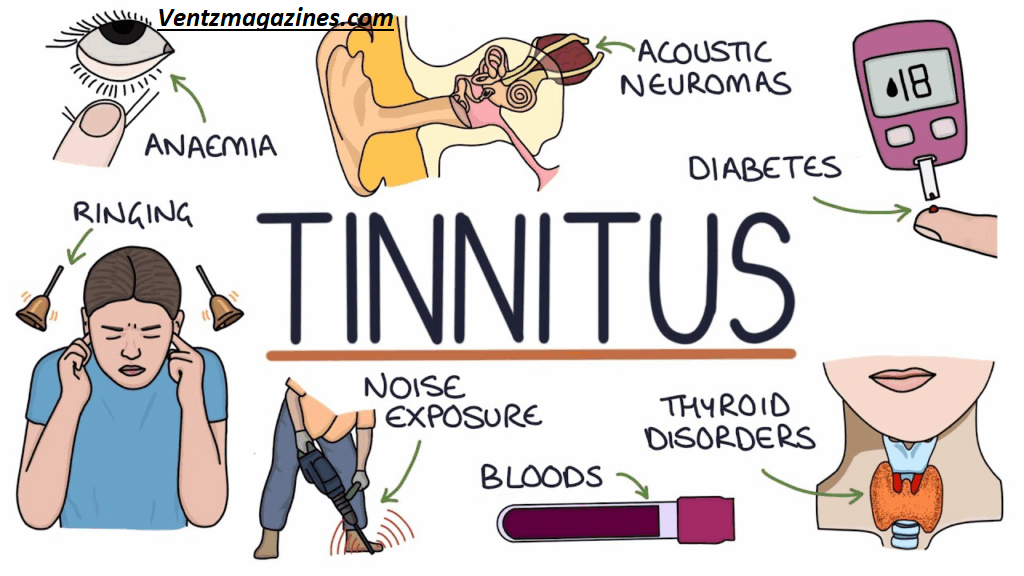
Yes, random ear ringing for a few seconds is generally normal. Many healthy people experience this from time to time. It’s often referred to as fleeting tinnitus, a short-lived and harmless form of tinnitus.
Your ears and brain are constantly working together to process sound. Because this system is complex, small disruptions can happen.
These may include minor blood vessel changes, temporary ear canal blockage, or even muscle tension near the TMJ (jaw joint).
For example, if you’ve recently been exposed to loud noise exposure, your ear may briefly react with ringing. Similarly, stress or fatigue can affect how your brain processes sound signals.
However, frequency matters. If it happens once in a while and goes away quickly, it’s usually nothing to worry about.
But if it becomes frequent or lasts longer, it could be linked to underlying issues like hearing loss, inner ear damage, or even certain medications.
So yes—occasional brief ringing is normal. Persistent ringing is not.
7 Common Causes of Brief Ear Ringing
Here are the most common ear ringing causes explained simply:
Loud Noise Exposure
Exposure to loud music, machinery, or headphones can overstimulate your inner ear. This may cause temporary ringing.
Earwax Buildup
Excess wax can lead to ear canal blockage, affecting how sound travels and causing ringing.
Hearing Loss
Early stages of hearing loss can trigger random ringing sounds as the brain compensates for missing audio signals.
Inner Ear Damage
Damage to the cochlea or hair cells can send incorrect signals through the auditory nerve.
Blood Flow Changes
Irregularities in blood vessels near the ear can create temporary ringing sensations.
Medications
Some medications can affect ear function and trigger tinnitus-like symptoms.
Ear Infection
An ear infection can cause pressure changes and fluid buildup, leading to ringing.
What Is Fleeting Tinnitus?
Fleeting tinnitus is a short, sudden ringing in one or both ears that lasts only a few seconds. It may feel intense but fades quickly without treatment.
This condition is sometimes called spontaneous brief tinnitus. It happens when there’s a sudden change in how your inner ear or auditory nerve processes signals.
Unlike chronic tinnitus, fleeting tinnitus:
- Happens rarely
- Lasts seconds
- Resolves on its own
It may be triggered by:
- Sudden movement
- Stress
- Minor blood flow changes
- Temporary ear canal blockage
Even though the sound can be sharp or loud, it is usually harmless. Most people experience it at least once in their lives.
Think of it as a short “signal glitch” in your hearing system—not a disease.
When Should You Be Concerned?
While brief ear ringing is usually harmless, there are times when you should pay attention.
You should consider seeing a doctor if:
- Ringing happens frequently
- It lasts longer than a minute
- You notice hearing loss
- There is pain or dizziness
- It occurs after an injury
- You suspect an ear infection
Persistent tinnitus may indicate deeper issues such as inner ear damage, nerve problems, or circulatory conditions involving blood vessels.
If your symptoms are linked to medications, your doctor may adjust your prescription.
Also, ringing combined with jaw pain may involve the TMJ (jaw joint).
How to Stop Ear Ringing Fast
If your ear suddenly rings, here are quick ways to reduce it:
Stay Calm
Stress can worsen tinnitus. Relax and breathe slowly.
Change Position
Move your head or body to improve blood flow changes.
Reduce Noise
Avoid further loud noise exposure immediately.
Check for Earwax
If you suspect earwax buildup, clean safely or consult a professional.
Hydrate
Dehydration can affect circulation and ear function.
Jaw Relaxation
If linked to TMJ (jaw joint), gently relax your jaw.
Limit Triggers
Avoid caffeine, alcohol, or certain medications if they trigger symptoms.
Prevention Tips
To reduce the chances of random ear ringing:
Protect Your Ears
Avoid prolonged loud noise exposure. Use ear protection when needed.
Maintain Ear Hygiene
Prevent ear canal blockage by avoiding excessive wax buildup.
Manage Stress
Stress affects your nervous system and can trigger tinnitus.
Monitor Medications
Be aware of side effects from certain medications.
Stay Healthy
Good circulation helps regulate blood vessels and ear function.
Treat Ear Issues Early
Address ear infection or discomfort quickly.
Support Hearing Health
Regular checkups can detect early hearing loss.

FAQ’s
Why does my ear ring for a few seconds then stop?
It’s usually fleeting tinnitus, a harmless temporary signal in your hearing system.
Is brief ear ringing dangerous?
No, unless it happens frequently or with other symptoms.
Can stress cause ear ringing?
Yes, stress affects the brain and auditory nerve.
Does earwax cause ringing?
Yes, earwax buildup can block sound and trigger tinnitus.
Should I see a doctor?
Only if symptoms are frequent, painful, or persistent.
Conclusion
Random ear ringing for a few seconds can feel strange, but it’s usually harmless. In most cases, it’s a form of tinnitus, specifically fleeting tinnitus, caused by temporary changes in your hearing system.
These changes may involve the inner ear, cochlea, or auditory nerve, often triggered by loud noise exposure, earwax buildup, or minor blood flow changes.
Your ears are sensitive and complex. Small disruptions can create the illusion of sound even when none exists. The good news is that brief ringing is common and rarely a sign of serious problems.
However, it’s important to pay attention to your body. If the ringing becomes frequent, lasts longer, or is paired with symptoms like hearing loss, dizziness, or pain, it’s worth getting checked.
By protecting your ears, managing stress, and maintaining overall health, you can reduce the chances of experiencing these episodes.
In short, occasional ringing is your body’s way of saying “something changed”—but not necessarily something is wrong.