
Why Am I Pooping Liquid? Pooping liquid can feel alarming, especially when it happens suddenly without a clear reason or pattern.
This symptom is medically known as diarrhea and often signals your digestive system is reacting to something.
Your gut, including organs like the small intestine and large intestine, normally absorbs water from food waste.
When that process is disrupted, stool becomes loose or completely liquid.
This can happen due to infections, food intolerances, stress, or underlying digestive conditions affecting gut function.
In many cases, it’s temporary and resolves within a few days without medical treatment.
However, persistent or severe symptoms may point to conditions like Irritable Bowel Syndrome or Crohn’s Disease.
Understanding why it happens helps you take the right action quickly and avoid complications like dehydration or nutrient loss.
Table of Contents
Quick Table
| Symptom | Possible Cause | Action |
|---|---|---|
| Sudden liquid stool | Infection | Hydrate, rest |
| After eating | Food intolerance | Identify trigger |
| Ongoing for weeks | Chronic condition | See doctor |
| With fever | Bacterial infection | Medical check |
| With blood | Serious condition | Urgent care |
What Does “Pooping Liquid” Mean?
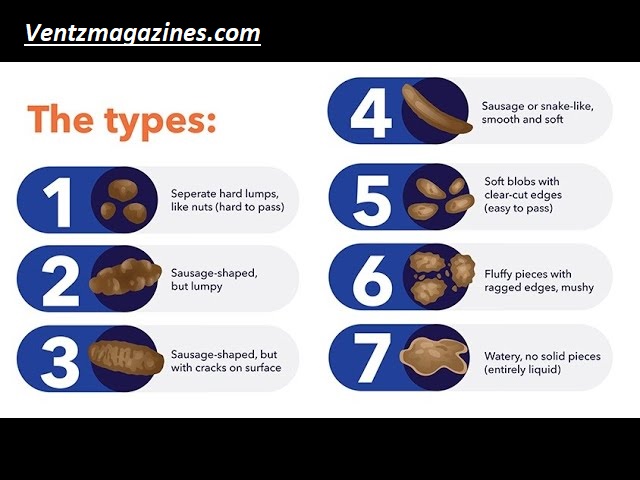
Liquid stool means your body is passing waste too quickly for proper water absorption in the intestines.
Normally, the digestive process balances fluid secretion and absorption through complex mechanisms controlled by gut bacteria and enzymes.
When disrupted, excess water remains in stool, resulting in diarrhea or fully liquid bowel movements.
This imbalance may involve the gut microbiome, which plays a key role in digestion and immune defense.
It can also involve inflammation, infection, or irritation of the intestinal lining, reducing absorption efficiency.
Short-term diarrhea often acts as a defense mechanism, helping the body flush out harmful substances or pathogens quickly.
However, chronic liquid stool suggests an underlying issue requiring deeper investigation and possibly medical treatment.
Most Common Causes
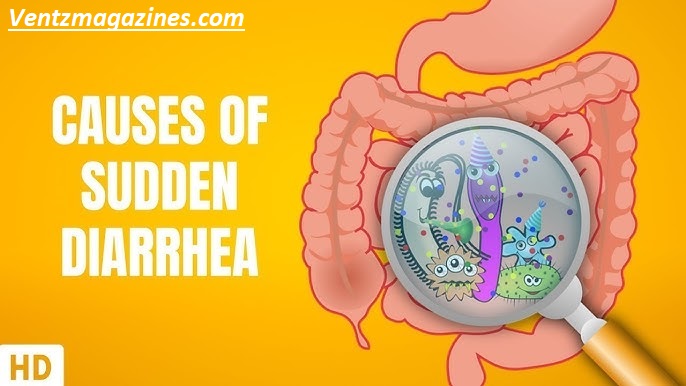
The most frequent reason for liquid stool is infection from viruses, bacteria, or parasites affecting the digestive tract.
A common viral cause is Norovirus, often spread through contaminated food or surfaces.
Bacterial infections like Salmonella can also trigger severe diarrhea and abdominal cramps.
Food intolerance is another major factor, especially Lactose Intolerance, causing symptoms after dairy consumption.
Stress and anxiety can disrupt gut function via the brain-gut connection, leading to sudden loose stools.
Medications such as antibiotics may disturb the gut microbiome, reducing beneficial bacteria and causing diarrhea.
Dietary triggers like spicy foods, caffeine, or artificial sweeteners can also irritate the digestive system.
Less Common but Serious Causes
Chronic or severe liquid stool may indicate inflammatory or autoimmune conditions affecting the intestines.
Diseases like Ulcerative Colitis cause inflammation and ulcers in the colon lining.
Another serious condition is Celiac Disease, where gluten damages the small intestine.
Infections like Clostridioides difficile can occur after antibiotic use and become life-threatening.
Certain cancers, including colorectal cancer, may present with persistent diarrhea and other warning signs.
Hormonal disorders such as hyperthyroidism can speed up metabolism and increase bowel frequency.
These conditions require proper diagnosis through tests like colonoscopy, stool analysis, and blood work.
When It’s Normal vs. When It’s Not
Occasional diarrhea lasting one to two days is usually harmless and often linked to diet or mild infection.
It becomes concerning when symptoms persist beyond three days or worsen over time.
Warning signs include dehydration, high fever, severe abdominal pain, or blood in stool.
Frequent episodes may indicate chronic digestive conditions that need medical evaluation.
Children, elderly individuals, and people with weakened immune systems face higher risks from dehydration.
If symptoms interfere with daily life or keep recurring, professional diagnosis becomes necessary.
Immediate Relief: What to Do
Start by increasing fluid intake to prevent dehydration caused by excessive water loss through diarrhea.
Oral rehydration solutions and electrolyte drinks help restore essential minerals lost during frequent bowel movements.
Follow a bland diet such as bananas, rice, applesauce, and toast, often called the BRAT diet.
Avoid dairy, caffeine, alcohol, and fatty foods until symptoms improve significantly.
Rest allows your body to recover while reducing stress on the digestive system.
Over-the-counter medications like Loperamide may help reduce symptoms temporarily.
Should You See a Doctor?
If diarrhea lasts less than 48 hours without severe symptoms, home care is usually sufficient.
Seek medical help if symptoms persist beyond three days or worsen despite treatment.
Immediate attention is needed if you notice blood in stool, high fever, or severe dehydration.
Chronic symptoms may require evaluation by a specialist in Gastroenterology.
Children and elderly patients should be monitored closely due to higher complication risks.
Treatments & Medications
Treatment depends on the underlying cause, ranging from simple hydration to targeted medications.
Antibiotics may be prescribed for bacterial infections but are not effective against viral causes.
Probiotics help restore gut bacteria balance, supporting faster recovery from digestive disturbances.
Anti-diarrheal medications like Bismuth Subsalicylate can reduce stool frequency and discomfort.
Chronic conditions may require long-term treatment plans, including dietary adjustments and prescription drugs.
Diet & Lifestyle Fixes
Maintaining a balanced diet supports digestive health and reduces the risk of recurrent diarrhea episodes.
Include fiber-rich foods gradually to improve stool consistency and gut function.
Stay hydrated daily, especially in hot climates like Punjab, where fluid loss is common.
Manage stress through techniques like exercise, meditation, or breathing exercises.
Avoid trigger foods identified through elimination diets or medical guidance.
Common Mistakes to Avoid
Ignoring early symptoms can lead to worsening conditions and delayed treatment.
Overusing anti-diarrheal medications may trap harmful bacteria inside the body.
Continuing to eat trigger foods prolongs digestive irritation and discomfort.
Not drinking enough fluids increases the risk of dehydration and complications.
Self-diagnosing chronic symptoms without medical consultation can be risky.
Risks of Ignoring Symptoms
Untreated diarrhea can lead to dehydration, which affects organ function and overall health.
Chronic cases may result in nutrient deficiencies due to poor absorption.
Serious infections can spread or worsen without proper treatment.
Underlying diseases may progress unnoticed, leading to long-term complications.
Early intervention significantly reduces health risks and improves outcomes.
Entity Glossary
The digestive system processes food and absorbs nutrients essential for survival.
The gut microbiome consists of trillions of bacteria supporting digestion and immunity.
Diarrhea refers to frequent loose or liquid bowel movements.
Gastroenteritis involves inflammation of the stomach and intestines.
Gastroenterology focuses on diagnosing and treating digestive disorders.
FAQs
Why is my poop completely liquid?
It usually results from infections, food intolerance, or digestive disturbances affecting water absorption.
How long should diarrhea last?
Most cases resolve within two to three days without medical treatment.
Can stress cause diarrhea?
Yes, stress can disrupt gut function and trigger loose stools.
Is liquid stool always serious?
No, but persistent or severe symptoms require medical attention.
What foods help stop diarrhea?
Bland foods like rice, bananas, and toast can help firm stool.
When should I worry about diarrhea?
If it lasts more than three days or includes blood or fever.
AI Overview Trigger Q&A
What causes sudden liquid diarrhea?
Usually infections, food reactions, or stress-related digestive disruption.
How do you stop liquid stool fast?
Hydration, bland diet, and rest are the most effective initial steps.
Is liquid poop dangerous?
It can be if it leads to dehydration or signals a serious condition.
What medications help diarrhea?
Anti-diarrheal drugs and probiotics may help depending on the cause.
Should I see a doctor for diarrhea?
Yes, if symptoms persist, worsen, or include warning signs.
Conclusion
Pooping liquid is a common but important symptom that signals your body is reacting to something unusual.
In most cases, it’s temporary and resolves with hydration, rest, and simple dietary adjustments.
However, persistent or severe symptoms should never be ignored, as they may indicate underlying medical conditions.
Understanding the causes, recognizing warning signs, and taking timely action can prevent complications and improve recovery.
If symptoms continue or worsen, seeking professional medical advice ensures proper diagnosis and effective treatment.