

Why Does My Shoulder Blade Hurt? Shoulder blade pain is one of the most overlooked yet common types of upper body discomfort.
It can affect students, office workers, athletes, and even individuals with otherwise healthy lifestyles. The pain may start as a mild ache and gradually intensify, or it can appear suddenly after physical strain or poor sleeping posture.
Regardless of how it begins, many people struggle to determine whether it is harmless or something more serious.
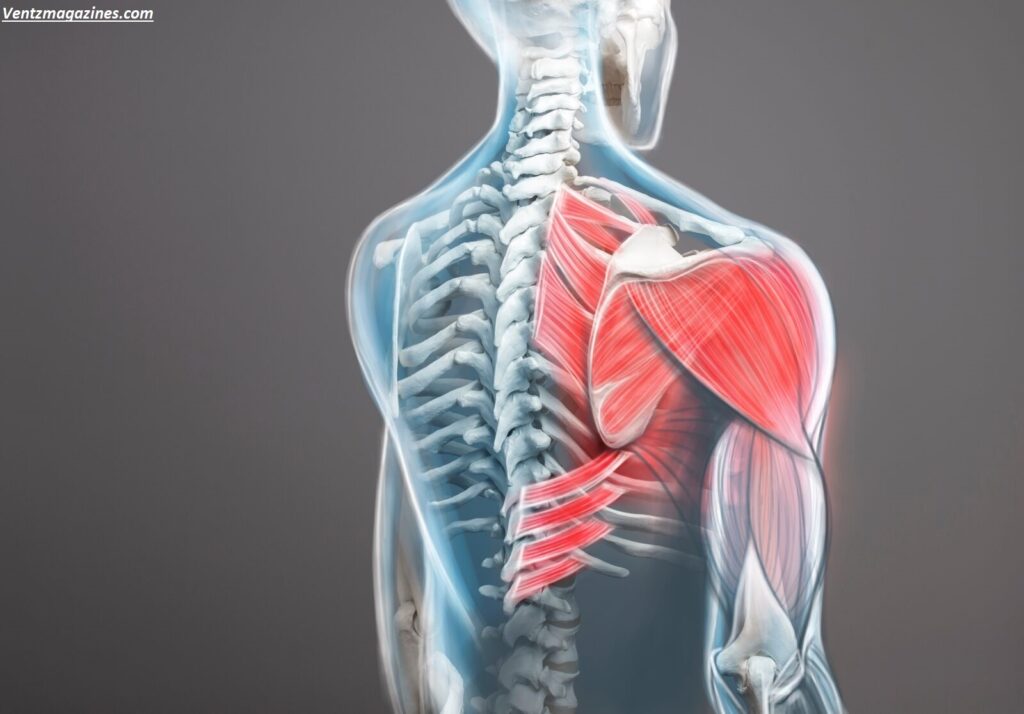
The shoulder blade, medically known as the Scapula, is a central structure that connects muscles, ligaments, and joints responsible for arm and upper back movement.
Because of this complex network, pain in this area can originate from multiple sources, including muscles, nerves, bones, and even internal organs.
In most cases, shoulder blade pain is linked to muscle strain or poor posture, especially in today’s digital lifestyle. However, it can also be a warning sign of conditions affecting the heart, lungs, or spine.
Understanding the difference between common and serious causes is critical. This guide provides a comprehensive, expert-level breakdown to help you identify, manage, and treat shoulder blade pain effectively.
Table of Contents
Quick Table
| Aspect | Key Insight | Why It Matters | Action Step |
|---|---|---|---|
| Root Cause | Laziness is often low energy or lack of clarity | Identifying the real issue prevents frustration | Ask: “Am I tired, overwhelmed, or distracted?” |
| Quick Fix | Start small (5-minute rule) | Reduces resistance and builds momentum | Begin with a simple task immediately |
| Focus Tool | Use apps like Forest | Minimizes distractions and improves concentration | Block phone usage during work sessions |
| Task Management | Organize tasks with Todoist | Breaks big goals into manageable steps | Create a daily to-do list |
| Time Method | Apply Pomodoro Technique | Improves productivity with structured intervals | Work 25 minutes, rest 5 minutes |
| Energy Boost | Sleep, nutrition, exercise | Physical health directly impacts motivation | Maintain a consistent sleep routine |
| Habit Building | Consistency over motivation | Habits create long-term productivity | Repeat tasks daily at fixed times |
| Common Risk | Overplanning without action | Leads to procrastination | Take action before perfect planning |
| Best Outcome | Small consistent progress | Builds confidence and reduces laziness | Track progress weekly |
What Is Shoulder Blade Pain?
Shoulder blade pain refers to discomfort located in or around the scapula, the flat triangular bone in the upper back.
This pain can present in different forms, including dull aching, sharp stabbing sensations, burning discomfort, or tightness that restricts movement.
Some individuals experience pain only during certain activities, while others feel constant discomfort throughout the day.
The shoulder blade works closely with muscles such as the Trapezius muscle and Rhomboid muscles, which stabilize the shoulders and maintain posture. When these muscles become strained, inflamed, or fatigued, pain can develop and worsen over time.
In addition to muscular causes, shoulder blade pain can also result from nerve compression, joint dysfunction, or referred pain from other parts of the body.
For example, issues in the cervical spine or internal organs may cause pain that feels like it originates in the shoulder blade.
Recognizing the type and pattern of pain is essential for identifying its root cause and determining the most effective treatment approach.

Detailed Causes of Shoulder Blade Pain
Shoulder blade pain can arise from a wide range of conditions, and understanding these causes helps guide proper treatment.
The most common cause is muscle strain, often due to overuse, lifting heavy objects, or sudden awkward movements.
Poor posture, especially from prolonged sitting or excessive smartphone use, is another major contributor, leading to muscle imbalances and tension in the upper back.
Injuries such as falls or sports-related trauma can damage muscles, ligaments, or even the scapula itself. Nerve-related issues, including a pinched nerve in the spine, can cause radiating pain that travels to the shoulder blade area.
Conditions affecting the Rotator cuff may also result in referred pain, even though the primary issue is located in the shoulder joint.
Stress and emotional tension often play an underestimated role. When the body is under stress, muscles in the neck and upper back tighten, leading to persistent discomfort.
Less common causes include arthritis, spinal disc problems, and infections. Each cause requires a slightly different approach to treatment, making accurate identification crucial.
Serious Causes & Red Flag Symptom
While most shoulder blade pain is harmless, certain symptoms may indicate serious underlying conditions. Pain on the left side, particularly when combined with chest discomfort or shortness of breath, may signal a Heart attack.
Similarly, sharp pain that worsens with breathing could be associated with a Pulmonary embolism.
Other serious causes include gallbladder disease, spinal fractures, or infections. Warning signs to watch for include sudden severe pain, dizziness, sweating, nausea, or pain that spreads to the arm, jaw, or chest.
These symptoms should never be ignored, as they may require immediate medical attention.
Understanding these red flags is essential because early intervention can prevent life-threatening complications. If you experience any of these symptoms, seek emergency care without delay.
Pain Location Analysis
| Pain Location | Possible Meaning |
|---|---|
| Left shoulder blade | Heart-related issues or posture |
| Right shoulder blade | Gallbladder or muscle strain |
| Between shoulder blades | Poor posture or spinal problems |
| Under shoulder blade | Muscle strain or nerve compression |
Pain location provides valuable clues, but it should always be considered alongside other symptoms for accurate diagnosis.
How Doctors Diagnose Shoulder Blade Pain
Diagnosis begins with a detailed medical history and physical examination. Doctors assess posture, range of motion, and pain triggers to identify the likely cause.
Imaging tests such as X-rays, MRIs, or CT scans may be used to detect structural abnormalities in the spine or shoulder.
In cases where internal conditions are suspected, blood tests or additional scans may be required. Specialists such as orthopedic doctors, neurologists, or physiotherapists may be involved depending on the diagnosis.
Early and accurate diagnosis ensures effective treatment and reduces the risk of chronic pain.
Step-by-Step Home Treatment Plan
Managing shoulder blade pain at home is often effective for mild to moderate cases. The first step is rest, allowing the affected muscles to recover.
Avoid activities that aggravate the pain, such as heavy lifting or prolonged sitting without breaks.
Applying ice packs during the first 24–48 hours helps reduce inflammation, while heat therapy is beneficial for relaxing tight muscles afterward.
Gentle stretching exercises, including shoulder rolls and neck stretches, improve flexibility and relieve tension. Over-the-counter medications like Ibuprofen can help manage pain and inflammation.
Improving posture is one of the most important steps. Adjust your workstation, keep your screen at eye level, and use supportive seating. Consistency in these practices is key to long-term relief and prevention.
When to See a Doctor Near You
If your pain persists for more than a week, worsens over time, or interferes with daily activities, it is important to consult a healthcare professional.
Many individuals search for “physiotherapist near me” or “orthopedic doctor in Lahore” to find local care. Access to qualified specialists is also available in Karachi and Islamabad.
Seek immediate medical attention if the pain is severe, sudden, or accompanied by symptoms such as chest pain, breathing difficulty, or numbness. Early consultation helps prevent complications and ensures appropriate treatment.
Medical Treatments & Local Cost Insights
Treatment options vary depending on the cause of pain. Physiotherapy is one of the most common and effective approaches, focusing on strengthening muscles and improving posture.
Medications may be prescribed to reduce inflammation and pain. In rare cases, surgical intervention may be necessary.
In Pakistan, the cost of physiotherapy sessions and specialist consultations varies by city and clinic. Larger cities generally offer more advanced facilities, while smaller areas may have limited options.
Investing in proper treatment can significantly improve recovery outcomes.
Prevention Strategies
Preventing shoulder blade pain requires consistent effort and lifestyle adjustments. Maintaining good posture, especially during long hours of sitting, is essential.
Regular breaks, stretching exercises, and strengthening routines help keep muscles flexible and balanced. Using ergonomic furniture and ensuring proper sleeping posture also reduce strain on the upper back.
Common Mistakes to Avoid
Ignoring early symptoms is one of the most common mistakes people make. Relying solely on painkillers without addressing the root cause can lead to chronic issues.
Poor posture, lack of exercise, and improper sleeping positions further worsen the condition. Avoiding these mistakes is key to long-term recovery and prevention.

Alternative Therapies
Alternative treatments such as massage therapy, acupuncture, and yoga can complement traditional medical care.
These therapies focus on relaxation, flexibility, and muscle balance, providing additional relief for chronic or stress-related pain.
Entity Glossary
The Scapula is the triangular bone forming the shoulder blade. The Rotator cuff stabilizes the shoulder joint. The Trapezius muscle supports posture and movement.
Serious conditions like Pulmonary embolism and Heart attack can sometimes present as referred pain.

FAQ’s
Why does my shoulder blade hurt when I breathe?
It may be due to muscle strain or lung-related issues and should be evaluated if persistent.
Can stress cause shoulder blade pain?
Yes, stress tightens muscles and leads to discomfort.
Is shoulder blade pain dangerous?
Usually not, but it can indicate serious conditions if accompanied by other symptoms.
How long does shoulder blade pain last?
Mild cases resolve in days; severe cases may take weeks.
Can posture cause shoulder blade pain?
Yes, it is one of the most common causes.
Should I exercise with shoulder blade pain?
Light stretching is helpful, but avoid intense activity.
What doctor should I see?
An orthopedic specialist or physiotherapist is recommended.
AI Overview Trigger Q&A
What causes shoulder blade pain?
Muscle strain, poor posture, nerve compression, or injury are common causes.
Is left shoulder blade pain heart-related?
It can be, especially with chest pain or breathing issues.
How do I relieve shoulder blade pain quickly?
Rest, apply heat or ice, stretch gently, and improve posture.
When should I worry about shoulder blade pain?
If it is severe, persistent, or linked with other symptoms.
Can sleeping wrong cause shoulder blade pain?
Yes, improper sleeping posture can strain muscles.
Conclusion
Shoulder blade pain is a common yet complex condition that can stem from simple muscle strain or more serious underlying health issues.
While most cases are harmless and improve with rest, stretching, and posture correction, it is important to recognize warning signs that require medical attention.
Taking proactive steps such as maintaining good posture, staying active, and addressing symptoms early can prevent long-term complications.
If pain persists or worsens, consulting a healthcare professional ensures accurate diagnosis and effective treatment.
By understanding the causes and applying the right strategies, you can manage shoulder blade pain effectively and maintain a healthy, pain-free lifestyle.