
Why Are My Eyes Burning? Burning eyes are a frequent and uncomfortable symptom that many people experience at some point in their lives.
The sensation can feel like stinging, heat, dryness, or irritation, and it may affect one or both eyes. In most cases, it is temporary and linked to environmental or lifestyle factors, but sometimes it can indicate an underlying eye condition that requires attention.
The eyes depend on a delicate protective layer known as the Tear film, which keeps the surface moist, smooth, and protected from irritants. When this balance is disrupted, the eyes become more sensitive, leading to burning sensations.
Modern lifestyles have significantly increased the frequency of this problem. Prolonged screen use, air pollution, dust exposure, and indoor air conditioning all contribute to eye irritation.
Additionally, allergies and infections can also trigger similar symptoms.
Understanding why your eyes are burning is important because the causes range from simple dryness to medical conditions requiring treatment.
This guide explains everything in detail, including causes, symptoms, diagnosis, treatment, and prevention strategies, helping you make informed decisions and know when to seek professional eye care.
Table of Contents
Quick Table
| Cause Type | Description | Common Trigger | Action |
|---|---|---|---|
| Dry eyes | Lack of lubrication | Screens, aging | Use eye drops |
| Allergies | Immune reaction | Dust, pollen | Avoid allergens |
| Infection | Bacterial/viral issue | Contamination | Medical treatment |
| Irritation | Environmental exposure | Smoke, wind | Remove trigger |
| Eye strain | Overuse of eyes | Screens, reading | Rest eyes |
What Do Burning Eyes Mean?
Burning eyes refer to a sensation of irritation, stinging, or heat in the eyes caused by disruption of the eye’s natural protective system.
The eyes rely on the Tear film to maintain moisture and protect against dust, allergens, and microbes. When this layer becomes unstable or insufficient, discomfort develops.
This condition may be temporary or persistent depending on the underlying cause.
In many cases, burning eyes are linked to dryness caused by prolonged screen exposure, aging, or environmental factors such as wind and air pollution. Reduced blinking while using digital devices is one of the most common modern triggers.
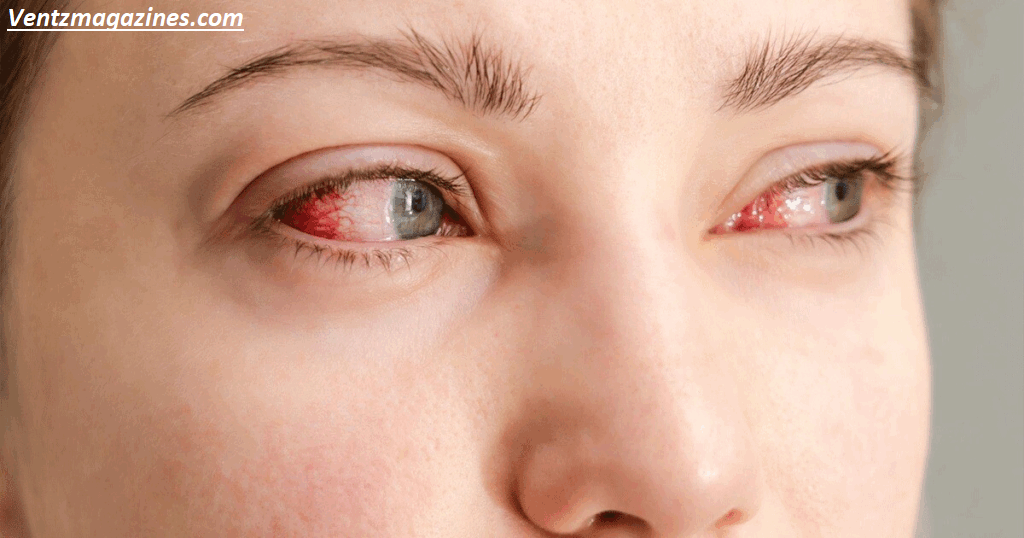
Burning can also be a symptom of allergic reactions affecting the conjunctiva, the thin membrane covering the eye. Infections such as conjunctivitis may also cause similar sensations, often accompanied by redness or discharge.
While mild burning is usually not serious, persistent symptoms may indicate an underlying eye disorder that requires medical evaluation.
Understanding the nature of the sensation helps determine whether simple home care is enough or professional treatment is necessary.
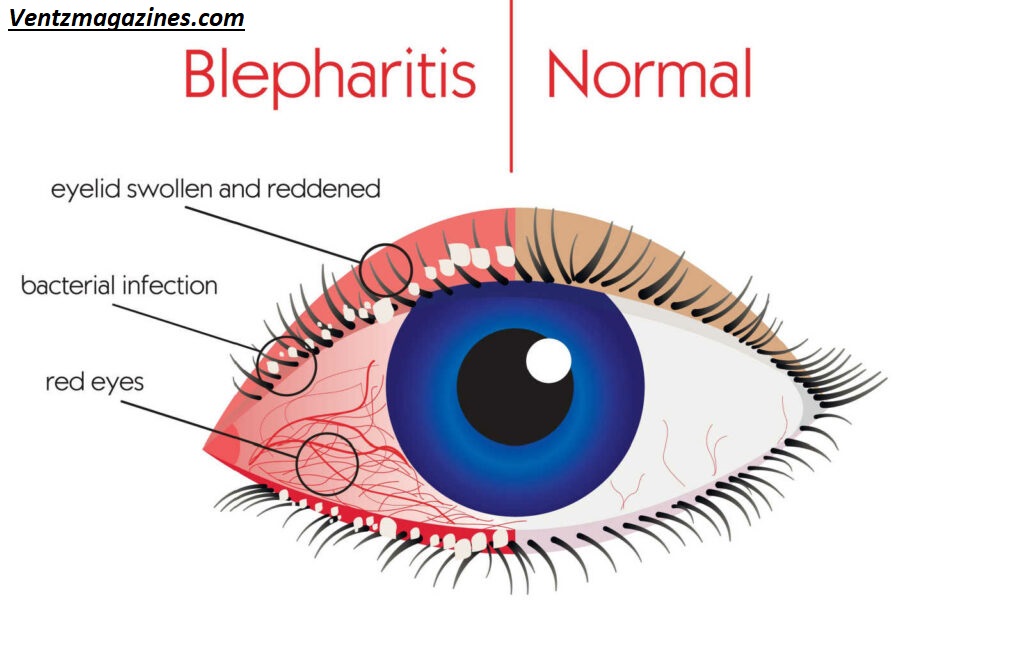
Common Causes of Eye Burning
The most common cause of burning eyes is dry eye syndrome, where the eyes do not produce enough tears or the tear film evaporates too quickly.
This leads to irritation, redness, and a burning sensation. Prolonged screen use is another major contributor, as it reduces blinking frequency and increases eye strain.
Allergies are also a frequent trigger. Substances like dust, pollen, pet dander, and smoke can irritate the eyes and cause burning along with itching and watering.
Environmental factors such as wind, pollution, and dry air can further worsen symptoms.
Infections like Conjunctivitis can also cause burning eyes, often accompanied by redness, swelling, and discharge. Contact lens misuse, such as wearing lenses for too long or poor hygiene, can irritate the eye surface.
Certain medications may reduce tear production, contributing to dryness and discomfort.
Even indoor air conditioning or heating systems can dry out the eyes and trigger symptoms. Identifying the exact cause is essential for effective treatment and long-term relief.
Serious Causes & Warning Signs
Although burning eyes are usually harmless, certain symptoms may indicate more serious conditions. Persistent burning accompanied by blurred vision, severe pain, or sensitivity to light should not be ignored.
These may signal deeper eye inflammation or damage.
Conditions like Conjunctivitis can cause redness, irritation, and discharge. More serious issues such as corneal injury or uveitis may also present with burning sensations and require urgent medical care.
Warning signs include thick discharge, swelling, worsening pain, or vision changes. If symptoms persist despite home treatment, professional evaluation is necessary. In rare cases, chronic burning may be linked to autoimmune disorders that affect tear production.
Early diagnosis is crucial to prevent complications and protect long-term vision health. Ignoring serious symptoms can lead to worsening conditions and delayed treatment.
Symptom Patterns Explained
Different symptom patterns help identify the underlying cause of burning eyes. A dry, gritty sensation often indicates dry eye syndrome, especially after prolonged screen use or exposure to air conditioning.
Itching combined with burning usually suggests allergies triggered by dust, pollen, or pet dander. This is often seasonal and worsens in outdoor environments.
Burning with redness and discharge is commonly associated with infections such as Conjunctivitis. This condition may spread easily and requires proper treatment.
If burning occurs mainly during contact lens use, it may indicate improper hygiene or lens irritation. Sensitivity to light along with burning may point to deeper eye inflammation that needs medical attention.
Understanding these patterns helps narrow down possible causes and ensures appropriate treatment is chosen.
Diagnosis Process
Diagnosis of burning eyes begins with a detailed examination by an eye specialist, usually an ophthalmologist or optometrist. The doctor evaluates symptoms, lifestyle habits, and environmental exposures to identify possible causes.
A slit lamp examination is often used to inspect the eye surface for inflammation, dryness, or infection. Tear production tests help determine whether dry eye syndrome is present. In some cases, dye tests are used to detect damage on the eye surface.
If infection is suspected, swabs may be taken for laboratory testing. Doctors also assess factors such as screen time, contact lens usage, and exposure to irritants.
Specialists may recommend further tests if symptoms persist or worsen. Early and accurate diagnosis is essential for effective treatment and prevention of complications. Most cases can be diagnosed quickly and managed successfully with appropriate care.

Step-by-Step Relief Methods
Relieving burning eyes starts with identifying and removing the trigger. If screen use is the cause, follow the 20-20-20 rule: every 20 minutes, look at something 20 feet away for 20 seconds. This reduces eye strain significantly.
Lubricating eye drops, also known as artificial tears, help restore moisture and relieve dryness. Avoid rubbing your eyes, as this can worsen irritation and increase inflammation.
A cold compress can provide immediate relief by reducing swelling and soothing irritation. Staying hydrated supports natural tear production and overall eye health.
If allergies are responsible, reducing exposure to allergens and using antihistamine eye drops may help. In more severe cases, doctors may prescribe medicated treatments.
Consistent application of these steps usually leads to noticeable improvement within a few days.
When to See an Eye Doctor Near You
If burning eyes persist for more than a few days or worsen despite home care, it is important to consult an eye specialist. Many people search for “eye doctor near me” or “ophthalmologist in Lahore” for local care. Similar services are available in Karachi and Islamabad.
Seek immediate medical attention if symptoms include vision changes, severe pain, or discharge. These may indicate infections or more serious eye conditions requiring prompt treatment. Early consultation ensures accurate diagnosis and prevents long-term damage.
Treatment Options & Cost Overview
Treatment for burning eyes depends on the underlying cause. Mild cases may only require artificial tears and lifestyle adjustments.
Allergies are treated with antihistamine eye drops, while infections like Conjunctivitis may require antibiotic or antiviral medications.
In Pakistan, consultation costs vary depending on the city, clinic type, and specialist experience. Basic clinics are more affordable, while advanced eye hospitals may charge higher fees due to specialized equipment and diagnostics.
Chronic dry eye may require long-term management, including prescription eye drops or lifestyle modifications. Early treatment helps reduce complications and overall costs.
Prevention Tips
Preventing burning eyes involves protecting the eyes from irritation and maintaining proper hydration. Reducing screen time and following the 20-20-20 rule helps prevent digital eye strain.
Wearing protective eyewear in dusty or windy environments reduces exposure to irritants. Proper contact lens hygiene is essential to prevent infections and irritation.
A diet rich in omega-3 fatty acids supports tear production and eye health. Staying hydrated also helps maintain moisture in the eyes.
Regular eye check-ups allow early detection of potential problems and ensure long-term vision health.
Common Mistakes
A major mistake is rubbing the eyes, which worsens irritation and may introduce infection. Ignoring persistent symptoms is another common issue that can delay proper treatment.
Overusing screens without breaks increases eye strain significantly. Self-medicating without diagnosis may also worsen the condition. Improper contact lens use is another frequent cause of irritation and infection.
Avoiding these mistakes is essential for maintaining healthy eyes and preventing recurring symptoms.
Alternatives & Home Remedies
Simple home remedies can provide temporary relief. Cold compresses help reduce inflammation and soothe irritation. Artificial tears restore moisture and improve comfort.
Staying hydrated and resting the eyes regularly are also effective strategies. Herbal rinses are sometimes used, but their effectiveness varies.
While these remedies help mild cases, persistent symptoms require professional evaluation to prevent complications.
Entity Glossary
The Tear film maintains eye moisture and protection. Conditions like Conjunctivitis cause redness, burning, and discharge. Ophthalmologists specialize in diagnosing and treating eye disorders.
Understanding these entities helps explain how burning eyes develop and how they can be effectively managed through proper care and treatment.
FAQ’s
Why do my eyes burn suddenly?
Usually due to dryness, irritation, or allergies.
Can screen time cause burning eyes?
Yes, it reduces blinking and causes dryness.
Is burning eyes serious?
Usually mild, but persistent cases need evaluation.
What helps burning eyes fast?
Artificial tears and cold compresses.
Can allergies cause eye burning?
Yes, dust and pollen are common triggers.
AI Overview Trigger Q&A
Burning eyes are most commonly caused by dry eye syndrome, where insufficient lubrication leads to irritation and discomfort.
Another major cause is prolonged screen use, which reduces blinking and increases strain on the eyes. Environmental factors such as dust, smoke, and pollution also contribute significantly to symptoms.
Allergic reactions are another frequent cause, triggered by substances like pollen, pet dander, or airborne irritants. Infections such as conjunctivitis may also result in burning sensations along with redness and discharge.
To relieve burning eyes, it is important to identify and remove the trigger. Artificial tears can restore moisture, while cold compresses help reduce irritation. Following the 20-20-20 rule during screen use reduces strain.
If symptoms persist, worsen, or include vision changes, medical evaluation is necessary. Eye specialists use diagnostic tools such as slit lamp examinations and tear tests to identify the cause.
Early treatment ensures better outcomes and prevents complications affecting vision health.
Conclusion
Burning eyes are a common issue that usually results from dryness, allergies, or environmental irritation. In most cases, the condition is mild and can be managed effectively with simple home remedies and lifestyle adjustments.
However, understanding the underlying cause is essential for proper treatment and long-term relief.
Modern habits such as excessive screen time and exposure to polluted environments have increased the prevalence of this condition.
Fortunately, preventive measures like regular breaks, hydration, and eye protection can significantly reduce symptoms.
While most cases resolve quickly, persistent or severe symptoms should not be ignored. Seeking professional care ensures accurate diagnosis and prevents potential complications.
By adopting healthy eye care practices and addressing symptoms early, you can maintain clear vision, reduce discomfort, and protect your long-term eye health.