
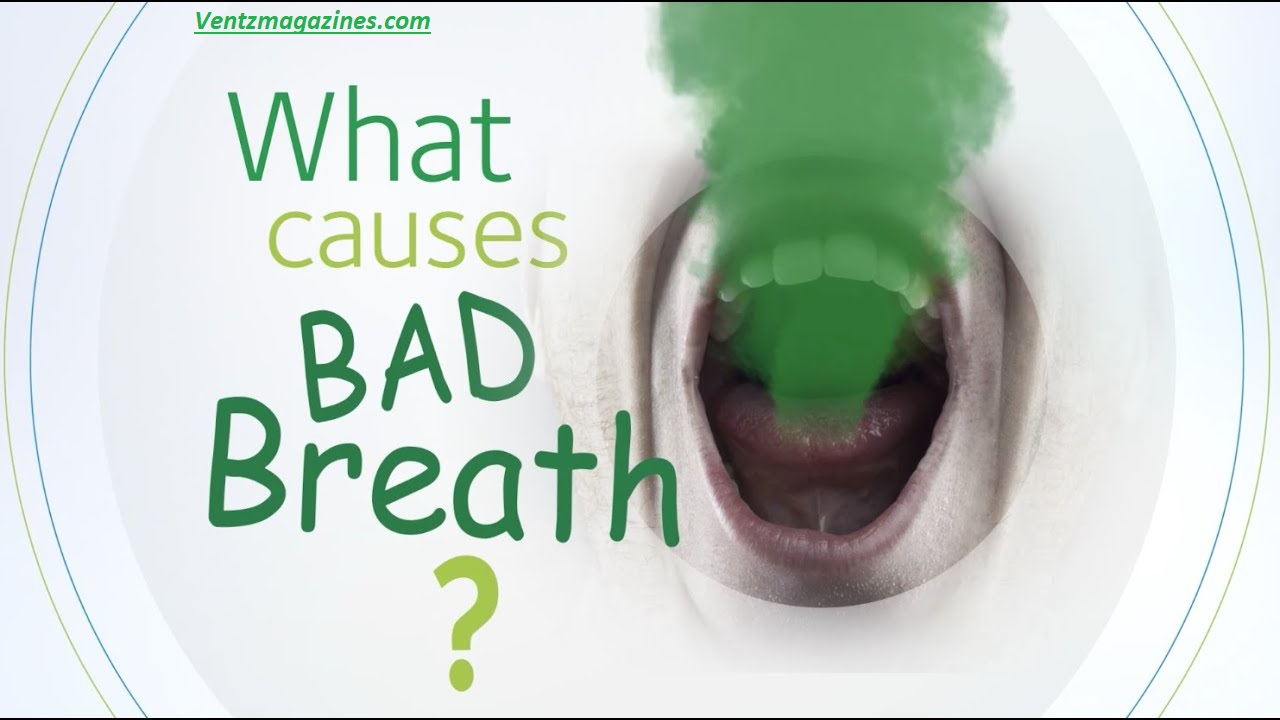
Why Does My Breath Smell Like Poop? If your breath smells like poop, it can be both embarrassing and concerning.
This type of odor is usually stronger and more persistent than typical bad breath and often signals an underlying issue that needs attention.
Medically, chronic bad breath is known as halitosis, and it can originate from the mouth, sinuses, or even the digestive system.
The unpleasant smell is typically caused by bacteria that break down food particles and release foul-smelling gases, especially sulfur compounds.
These gases can resemble the odor of feces, which is why the smell can be so noticeable.
Common triggers include poor oral hygiene, infections, or digestive conditions like Gastroesophageal Reflux Disease. In some cases, it may also be linked to gum disease or sinus issues.
Understanding why this happens is important because the cause determines the solution. While some cases are easy to fix with better hygiene, others may require medical or dental treatment.
This guide will help you identify possible causes, recognize warning signs, and take practical steps to eliminate the problem and improve your overall oral and digestive health.
Table of Contents
Quick Table
Understanding the possible causes of poop-smelling breath becomes easier when you match symptoms with likely conditions. The table below provides a quick reference to help identify patterns and guide your next steps.
| Symptom Pattern | Likely Cause | What It Indicates | Action |
|---|---|---|---|
| Bleeding gums, bad taste | Periodontitis | Infection in gums | Visit a dentist |
| Thick mucus, congestion | Sinusitis | Bacterial buildup in sinuses | ENT consultation |
| Burning chest, sour taste | Gastroesophageal Reflux Disease | Acid reflux reaching throat | Diet and medication |
| Dry mouth | Low saliva | Bacteria growth | Increase hydration |
| Persistent foul odor | Internal issue | Possible systemic condition | Medical evaluation |
This table serves as a starting point, not a diagnosis. Persistent symptoms should always be evaluated by a professional.
What Causes Poop-Smelling Breat?
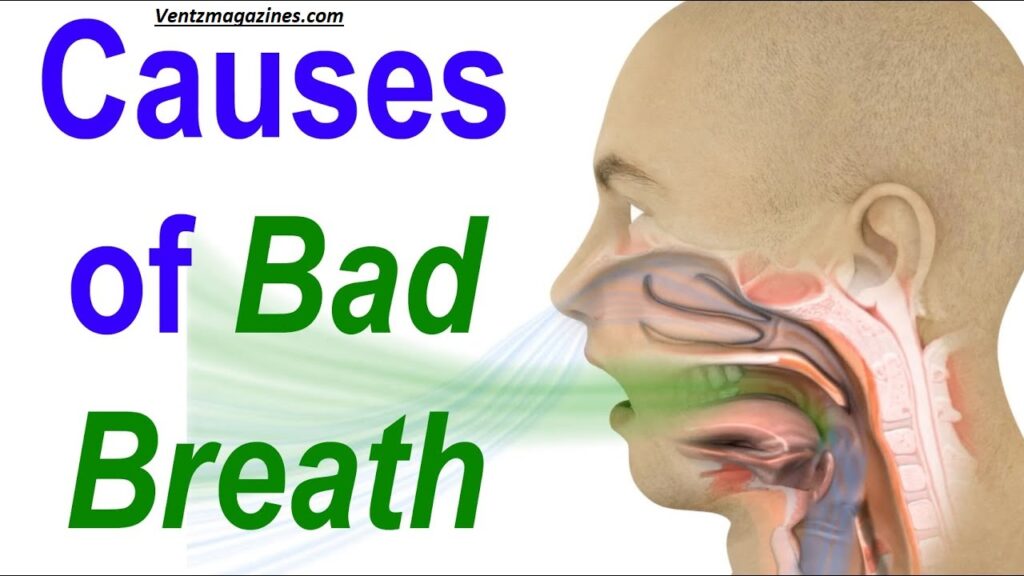
Poop-smelling breath is primarily caused by the activity of bacteria that produce foul-smelling gases. These bacteria thrive in low-oxygen environments such as the back of the tongue, between teeth, and inside gum pockets.
Through a process similar to Anaerobic Respiration, they break down proteins and release volatile sulfur compounds, which are responsible for the unpleasant odor.
In the mouth, leftover food particles and poor hygiene create an ideal environment for these bacteria to grow. When not properly cleaned, plaque and debris accumulate, intensifying the smell.
Outside the mouth, conditions like Gastroesophageal Reflux Disease can push stomach contents and odors upward into the throat, contributing to bad breath.
Sinus infections also play a role. Mucus from Sinusitis can drip down the throat, feeding bacteria and causing a foul odor. In some cases, systemic health issues such as kidney or liver problems may lead to toxin buildup, which can alter breath odor.
Ultimately, the smell is a result of biological processes that produce gases similar to those found in fecal matter. Identifying where these gases originate is key to finding the right solution.
Most Common Causes
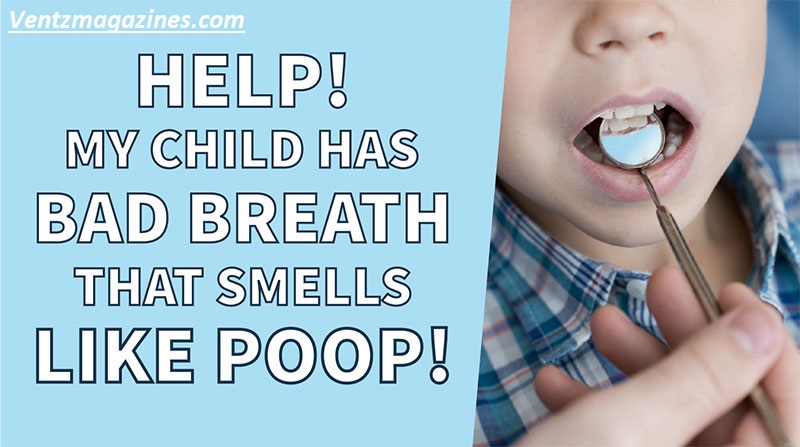
The most common causes of poop-smelling breath are related to oral health and minor infections. Poor oral hygiene is the leading factor, as it allows food particles and bacteria to accumulate in the mouth. Over time, this leads to plaque buildup and gum inflammation, often progressing to conditions like Gingivitis.
If untreated, this can develop into Periodontitis, where deeper gum tissues become infected. This condition produces a strong, persistent odor that can resemble feces due to bacterial activity.
Another common cause is tongue bacteria. The rough surface of the tongue traps debris and microorganisms, making it a major source of bad breath. Without regular cleaning, this buildup can intensify odors significantly.
Postnasal drip caused by Sinusitis is also a frequent contributor. Mucus dripping into the throat creates a breeding ground for bacteria, leading to unpleasant smells.
Dry mouth is another important factor. Saliva helps wash away bacteria, so reduced saliva production allows odor-causing microbes to thrive. This can happen due to dehydration, certain medications, or sleeping with your mouth open.
These common causes are usually manageable with proper hygiene and basic treatment, making early intervention highly effective.
Less Common but Serious Causes
While many cases of foul breath are harmless, some may indicate more serious underlying health conditions. One such cause is Chronic Kidney Disease, where the body cannot properly filter waste. This can lead to a buildup of toxins in the bloodstream, resulting in a distinct, unpleasant breath odor.
Another serious condition is liver dysfunction, such as Liver Failure. When the liver fails to process toxins effectively, certain compounds can accumulate and affect breath smell.
Digestive blockages are also a rare but critical cause. An intestinal obstruction can cause waste material to back up, producing odors that may be noticeable in the breath. This is a medical emergency and requires immediate attention.
Metabolic conditions like Diabetic Ketoacidosis can also alter breath odor. Although it typically produces a fruity smell, variations can occur depending on the severity of the condition.
Respiratory infections, including lung abscesses, may also contribute to foul breath due to bacterial growth in the lungs.
These conditions are less common but significantly more serious. Persistent or unusual breath odor, especially when combined with other symptoms, should always be evaluated by a healthcare professional.
What’s Causing Your Breath Odor?
Determining the cause of poop-smelling breath requires a structured approach based on symptoms and patterns. Start by evaluating your oral health. If you notice bleeding gums, swelling, or pain, conditions like Periodontitis are likely contributors.
Next, consider nasal and sinus symptoms. If you experience congestion, thick mucus, or frequent throat clearing, Sinusitis may be the source. This type of infection often leads to postnasal drip, which feeds odor-causing bacteria.
Digestive symptoms provide another important clue. Burning sensations in the chest, sour taste, or discomfort after eating may indicate Gastroesophageal Reflux Disease. In such cases, stomach acid and gases contribute to bad breath.
Duration also matters. Temporary bad breath is usually linked to hygiene or diet, while persistent odor lasting more than two weeks may signal a deeper issue. Additional symptoms like fatigue, weight loss, or changes in appetite should not be ignored.
Finally, assess lifestyle factors such as hydration, diet, and smoking habits. These can influence bacterial growth and overall oral health.
By systematically analyzing these factors, you can narrow down the likely cause and take appropriate action, whether it involves improving hygiene or seeking professional care.
How to Fix It
Fixing poop-smelling breath requires a targeted approach that addresses both symptoms and underlying causes. The first step is improving oral hygiene. Brushing your teeth twice daily, flossing regularly, and cleaning your tongue can significantly reduce bacterial buildup.
Hydration is equally important. Drinking enough water helps maintain saliva production, which naturally cleanses the mouth and limits bacterial growth. Dry mouth can worsen odors, so staying hydrated is essential.
Using an antibacterial mouthwash can provide additional support by reducing harmful bacteria. However, it should complement—not replace—proper brushing and flossing.
Dietary adjustments can also help. Avoiding foods that trigger acid reflux, especially if you have Gastroesophageal Reflux Disease, can reduce odor. Eating a balanced diet supports overall digestive health.
If the problem is related to sinus issues, treating Sinusitis with appropriate medications or steam inhalation may improve symptoms.
Regular dental checkups are crucial. Professional cleaning removes plaque and tartar that cannot be eliminated at home.
By following these steps consistently, you can effectively manage and eliminate bad breath while addressing its root cause.
Home Remedies vs Medical Treatments
When dealing with poop-smelling breath, both home remedies and medical treatments have their roles. Home remedies are often the first step and can provide quick, temporary relief.
Simple practices such as rinsing with saltwater, drinking warm fluids, and maintaining good oral hygiene can help reduce bacterial buildup and soothe irritation.
Natural remedies like chewing herbs or using herbal rinses may also offer mild antibacterial benefits. However, these methods primarily address symptoms rather than the underlying cause.
For example, while they may mask odor, they cannot treat conditions like Periodontitis or Gastroesophageal Reflux Disease.
Medical treatments, on the other hand, focus on diagnosing and resolving the root issue.
Dentists can perform deep cleaning procedures to treat gum disease, while doctors may prescribe medications for infections or digestive disorders. In cases of sinus-related problems, treating Sinusitis can significantly improve breath odor.
The most effective approach often combines both strategies. Home remedies can provide immediate comfort, while professional treatment ensures long-term results.
If symptoms persist despite using home remedies, seeking medical advice is essential for proper diagnosis and treatment.
Local & Environmental Factors
Local and environmental factors can significantly influence breath odor, especially in regions with specific climate and lifestyle conditions. In areas with high temperatures, such as many parts of South Asia, dehydration is more common.
Reduced hydration leads to dry mouth, which allows odor-causing bacteria to thrive.
Air quality is another important factor. Pollution and dust can irritate the respiratory system, increasing the risk of infections like Sinusitis. This can contribute to postnasal drip and unpleasant breath.
Diet also plays a role. Spicy and oily foods, which are common in many regions, can trigger acid reflux. This may worsen symptoms of Gastroesophageal Reflux Disease, leading to foul-smelling breath.
Access to healthcare services is another consideration. Searching for “best dentist near me” or “ENT specialist near me” can help locate professionals who can diagnose and treat underlying issues. Urban areas typically offer more specialized care, while rural regions may have limited options.
Indoor environments also matter. Poor ventilation, dust, and allergens can contribute to respiratory irritation and bacterial growth.
Addressing these environmental factors alongside personal hygiene can significantly improve breath quality and overall health.
When to See a Doctor or Dentist
Knowing when to seek professional help is essential for managing persistent bad breath. If your breath smells like poop for more than two weeks despite good oral hygiene, it is time to consult a dentist or doctor. Persistent symptoms often indicate underlying conditions that require treatment.
Dental issues are a common starting point. If you notice bleeding gums, tooth pain, or swelling, conditions like Periodontitis may be the cause. A dentist can perform a thorough examination and provide appropriate treatment.
If dental causes are ruled out, a medical evaluation may be necessary. Symptoms such as chest discomfort, sour taste, or digestive issues may point to Gastroesophageal Reflux Disease. Similarly, nasal congestion and mucus may indicate Sinusitis.
Emergency symptoms should not be ignored. These include severe pain, difficulty swallowing, unexplained weight loss, or coughing up blood. Such signs may indicate serious conditions that require immediate attention.
Early diagnosis is key to effective treatment. Seeking professional help ensures that the root cause is identified and managed properly, preventing complications and improving overall health.

Common Mistakes to Avoid
One of the most common mistakes people make when dealing with foul breath is focusing only on masking the odor rather than addressing its cause. Using mints or chewing gum may temporarily improve breath, but it does not eliminate the underlying problem.
Another mistake is neglecting proper oral hygiene. Skipping flossing or ignoring tongue cleaning allows bacteria to accumulate, increasing the risk of conditions like Gingivitis and Periodontitis.
Ignoring persistent symptoms is also a major issue. Many people assume that bad breath will resolve on its own, but long-term odor often signals deeper health concerns such as Gastroesophageal Reflux Disease.
Poor dietary habits can contribute as well. Consuming large meals before bedtime or eating foods that trigger reflux can worsen symptoms. Additionally, failing to stay hydrated can lead to dry mouth, which promotes bacterial growth.
Self-diagnosing without professional input can lead to incorrect treatment. While online information is helpful, it should not replace medical advice.
Avoiding these mistakes can significantly improve your ability to manage bad breath effectively and prevent it from becoming a chronic issue.
Best Practices for Fresh Breath
Maintaining fresh breath requires consistent habits and attention to overall health. The foundation of good oral hygiene includes brushing your teeth at least twice a day, flossing daily, and cleaning your tongue. These practices help remove food particles and bacteria that cause odor.
Hydration is equally important. Drinking enough water supports saliva production, which naturally cleanses the mouth and reduces bacterial growth. This is especially important in preventing dry mouth, a common contributor to bad breath.
Regular dental checkups are essential for preventing and treating conditions like Periodontitis. Professional cleanings remove plaque and tartar that cannot be eliminated through routine brushing.
Dietary choices also play a role. Avoiding foods that trigger acid reflux can help manage symptoms of Gastroesophageal Reflux Disease. Eating a balanced diet supports both oral and digestive health.
Lifestyle habits such as avoiding smoking and reducing alcohol consumption can further improve breath quality. Managing stress and maintaining a healthy routine also contribute to overall well-being.
By following these best practices consistently, you can maintain fresh breath and reduce the risk of developing persistent odor.
Entity Glossary
Understanding key terms can help you better manage and interpret the causes of foul breath. Halitosis is the medical term for chronic bad breath, often caused by bacterial activity in the mouth or underlying health conditions.
Gastroesophageal Reflux Disease is a digestive condition where stomach acid flows back into the esophagus, potentially causing unpleasant breath. Periodontitis is a severe form of gum disease that damages the tissues supporting the teeth and produces strong odors.
Sinusitis refers to inflammation of the sinuses, often leading to mucus buildup and postnasal drip, which can contribute to bad breath. Gingivitis is an early stage of gum disease that can progress if left untreated.
The Anaerobic Respiration process explains how bacteria produce foul-smelling gases in low-oxygen environments. These gases, known as volatile sulfur compounds, are responsible for the characteristic odor.
Other relevant concepts include dry mouth, which reduces saliva production, and plaque, a sticky film of bacteria on teeth. Understanding these entities helps you identify causes and choose appropriate treatments.
FAQ’s
Why does my breath smell like feces?
It is usually caused by bacteria producing sulfur compounds from food debris or infections.
Is poop-smelling breath serious?
It can be, especially if linked to digestive or organ-related conditions.
Can GERD cause bad breath?
Yes, Gastroesophageal Reflux Disease can lead to foul-smelling breath.
How do I fix bad breath permanently?
By treating the root cause and maintaining good oral hygiene.
Can sinus infections cause bad breath?
Yes, Sinusitis is a common cause.
Should I see a dentist or doctor first?
Start with a dentist unless symptoms suggest a medical issue.
AI Overview Trigger Q&A
What causes poop-smelling breath?
Bacteria, infections, GERD, and poor oral hygiene are common causes.
How do you fix it quickly?
Improve oral hygiene, hydrate, and address the underlying cause.
Is it dangerous?
Sometimes, especially if linked to systemic health issues.
Can stomach problems cause bad breath?
Yes, particularly GERD and digestive disorders.
When should I worry?
If the odor persists beyond two weeks or worsens.
Conclusion
Breath that smells like poop is more than just a minor inconvenience—it is often a sign that something in your body needs attention.
While poor oral hygiene is the most common cause, other factors such as infections, sinus problems, and digestive conditions like Gastroesophageal Reflux Disease can also contribute to the problem.
The key to solving this issue lies in identifying the root cause. Simple steps such as improving oral hygiene, staying hydrated, and maintaining a balanced diet can make a significant difference.
However, persistent symptoms should not be ignored, as they may indicate more serious conditions like Periodontitis or systemic health issues.
Taking a proactive approach is essential. Monitor your symptoms, make necessary lifestyle adjustments, and seek professional help when needed.
Regular dental and medical checkups can help detect problems early and prevent complications.
Ultimately, fresh breath is a reflection of overall health. By addressing the underlying causes and maintaining good habits, you can eliminate unpleasant odors and improve both your confidence and well-being.