
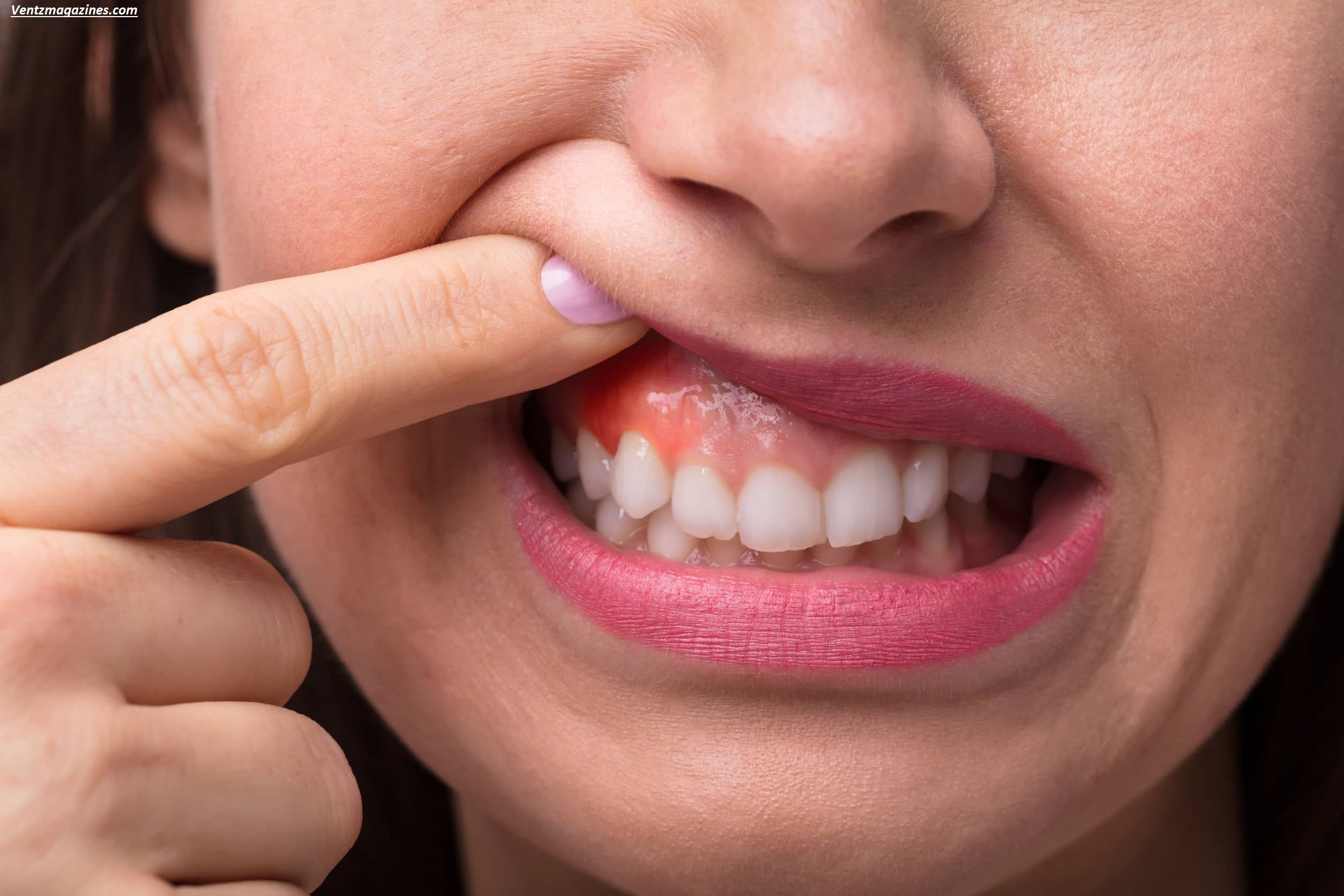
Why Do My Gums Hurt in One Spot? A sharp or lingering pain in just one spot on your gums can feel confusing—and sometimes alarming.
Unlike general gum sensitivity, localized gum pain often points to a specific issue affecting a single tooth or area, such as trapped food, irritation, or infection.
Many people ignore it at first, assuming it will go away, but that’s not always the safest approach. In reality, this type of pain is your body’s way of signaling that something needs attention.
Whether it’s mild inflammation like Gingivitis or a more serious condition like a Dental abscess, identifying the cause early can prevent complications.
This guide breaks down the most common reasons, how to diagnose your symptoms at home, and when to seek professional dental care—especially if you’re searching for a “dentist near me” in your local area.
Table of Contents
Quick Table
| Symptom | Possible Cause | Severity | Action |
|---|---|---|---|
| Mild soreness | Food stuck | Low | Floss, rinse |
| Red/swollen gum | Gingivitis | Medium | Improve hygiene |
| Sharp throbbing pain | Abscess | High | See dentist |
| Pain at back gums | Wisdom tooth | Medium | Monitor or consult |
| White sore spot | Canker sore | Low | Self-healing |
Why Do My Gums Hurt in One Spot?
Gum pain in one specific spot usually means there is a localized issue affecting a single area of your mouth, rather than a general gum problem.
The most common cause is something simple, like food particles stuck between your teeth. When debris gets trapped, it puts pressure on the gum and allows bacteria to build up, leading to irritation and soreness.
Another frequent reason is minor injury, such as brushing too hard or accidentally poking the gum with a sharp object.
In some cases, the pain may be an early sign of gum disease like Gingivitis, which can begin in just one area before spreading.
If the discomfort becomes more intense, it could indicate a more serious condition such as a Dental abscess, where infection develops near the root of a tooth.
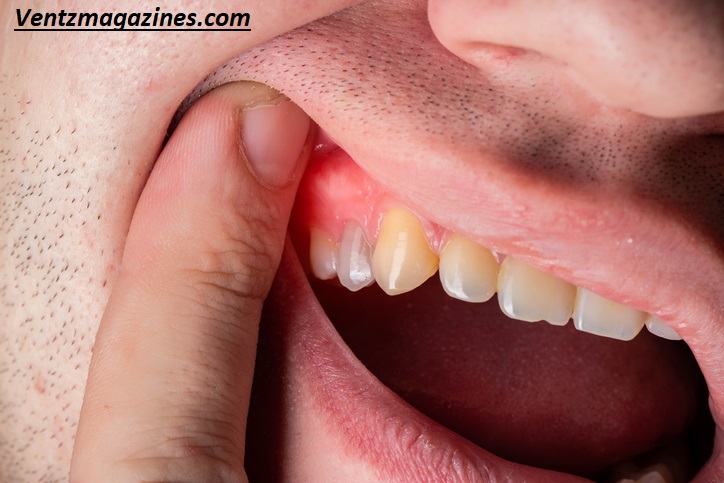
Other causes include mouth ulcers like Aphthous ulcer or pressure from a growing Wisdom tooth.
Understanding why your gums hurt in one spot is important because it helps you decide whether simple home care is enough or if you need to see a dentist for proper treatment.
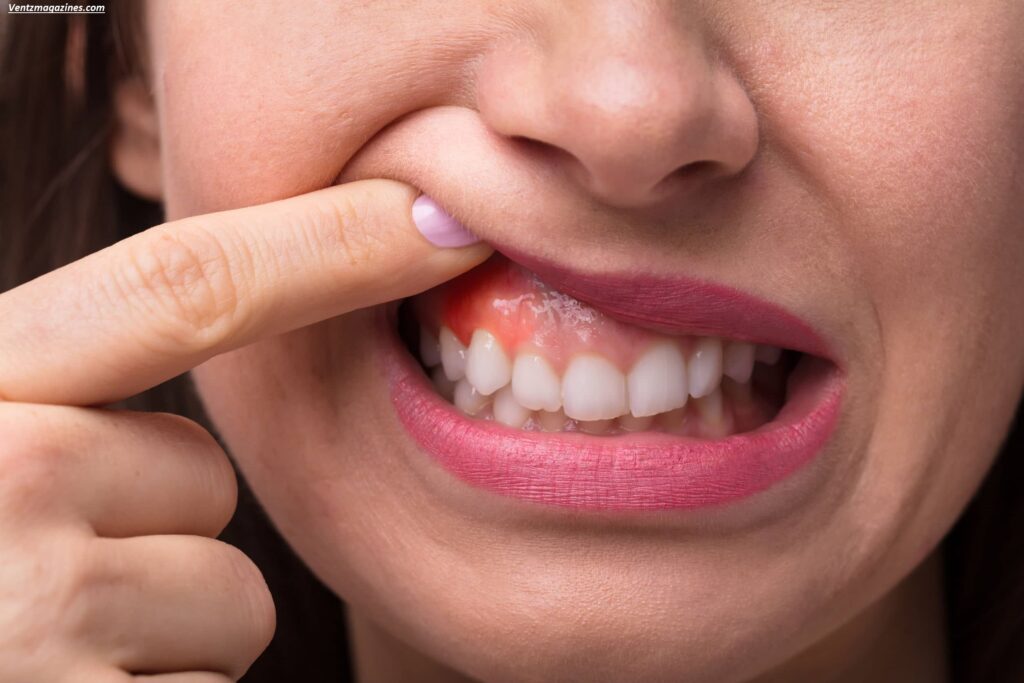
What Does Gum Pain in One Spot Mean?
Gum pain in a single location usually indicates a localized trigger rather than a widespread condition. This makes it easier to identify the cause compared to generalized gum discomfort.
In most cases, the pain originates from irritation, bacterial buildup, or trauma affecting one specific area of the gum tissue.
For example, food particles trapped between teeth can create pressure and lead to inflammation in that exact spot.
Similarly, aggressive brushing can damage a small section of the gum, causing soreness. In other cases, localized pain may signal the early stages of gum disease such as Gingivitis, which can begin in one area before spreading.
More serious causes include infections like a Dental abscess or advanced conditions like Periodontitis.
Understanding that this pain is targeted helps guide diagnosis and treatment. Ignoring it can allow minor issues to progress into more complex dental problems requiring costly procedures.
Top Causes of Localized Gum Pain
There are several well-known reasons why gums hurt in one specific spot, and each has distinct characteristics.
One of the most common causes is food impaction, where small particles like seeds or meat fibers get lodged between teeth, irritating the gum.
Another frequent cause is physical trauma, such as brushing too hard or using sharp objects, leading to minor injuries.
Early gum disease, known as Gingivitis, can also start in one localized area, causing redness and bleeding. More severe cases include infections like a Dental abscess, which produces intense pain and swelling.
Additionally, mouth ulcers such as Aphthous ulcer can form directly on the gum tissue, creating a painful spot. Emerging or impacted Wisdom tooth can also press against gums, causing discomfort.
Lastly, tooth decay reaching the gum line may irritate surrounding tissue.
Each cause varies in severity, making accurate identification essential for proper treatment.
Quick Self-Diagnosis Framework
Understanding your symptoms can help you determine whether your gum pain is minor or requires urgent care. Start by observing the type of pain—is it dull, sharp, or throbbing?
Mild soreness often suggests irritation or trapped food, while sharp or pulsating pain may indicate infection. Next, check for visible signs such as redness, swelling, or white patches.
A small white lesion typically points to a canker sore, whereas swollen, bleeding gums may signal Gingivitis. Pay attention to duration as well—pain lasting more than a few days is less likely to resolve on its own.
Another factor is location; pain near the back of your mouth may be linked to a Wisdom tooth.
Also, note any accompanying symptoms like bad taste, fever, or pus, which are warning signs of a Dental abscess. This framework doesn’t replace a dentist but helps you make informed decisions quickly and avoid unnecessary delays in treatment.
Symptoms That Signal Serious Problems
While many cases of gum pain are harmless, certain symptoms indicate a more serious underlying condition that requires immediate attention.
Persistent pain that lasts longer than three days is often a red flag, especially if it worsens over time. Swelling in the gums, face, or jaw can suggest a spreading infection such as a Dental abscess.
If you notice pus discharge or a foul taste in your mouth, it’s likely a sign of bacterial buildup that needs professional treatment.
Bleeding gums combined with deep pockets around teeth may indicate advanced gum disease like Periodontitis. Fever and general fatigue are systemic symptoms that should never be ignored, as they may signal that the infection is affecting your overall health.
Additionally, loose teeth or difficulty chewing can point to structural damage in the supporting tissues. Recognizing these warning signs early can prevent complications, including tooth loss and more invasive dental procedures.
How to Treat Gum Pain at Home
For mild cases, gum pain in one spot can often be managed effectively at home with simple remedies. Start with saltwater rinses, which help reduce bacteria and soothe inflammation.
Mix half a teaspoon of salt in warm water and rinse your mouth twice daily. Maintaining proper oral hygiene is crucial—brush gently using a soft-bristled toothbrush to avoid further irritation.
Flossing carefully can remove any trapped debris causing pressure. Over-the-counter medications like Ibuprofen or Paracetamol can help reduce pain and inflammation.
Applying a cold compress externally can also minimize swelling. Avoid spicy, acidic, or hard foods that may aggravate the affected area. While these methods provide relief, they are temporary solutions.
If symptoms persist beyond a few days or worsen, it’s important to consult a dentist to rule out serious conditions such as infection or gum disease.
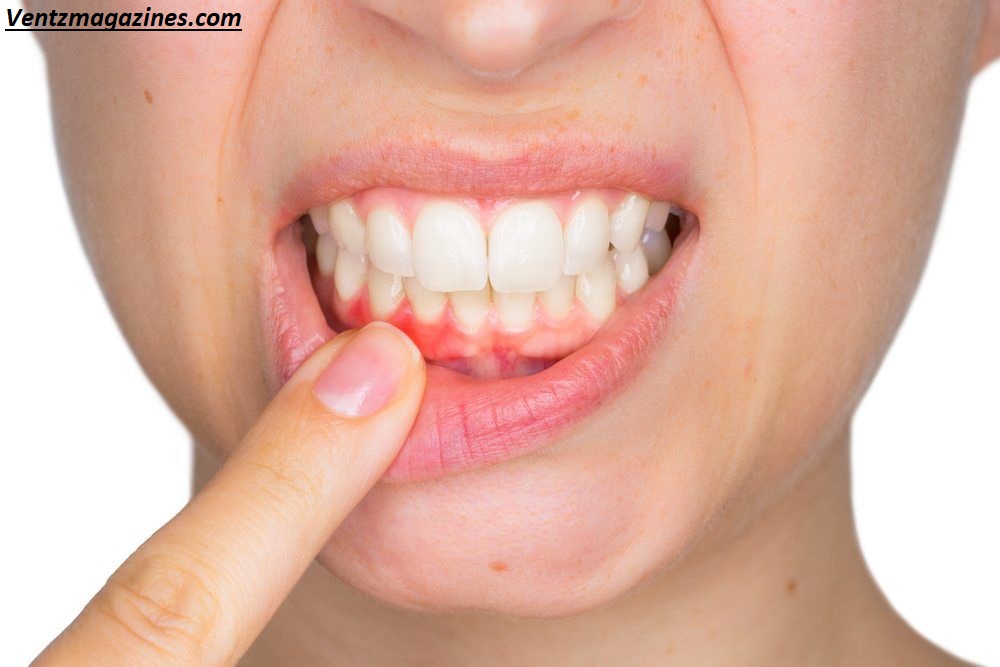
Professional Dental Treatments
When home remedies fail, professional dental care becomes necessary to address the root cause of gum pain.
Dentists often begin with a thorough examination, sometimes using X-rays to identify hidden issues. For early gum disease like Gingivitis, a professional cleaning may be sufficient to remove plaque and tartar buildup.
In more advanced cases such as Periodontitis, procedures like scaling and root planing are used to clean below the gum line. If an infection like a Dental abscess is present, the dentist may drain the abscess and prescribe antibiotics.
In severe situations, tooth extraction may be required to prevent the spread of infection.
Some patients may also need minor surgical procedures to repair damaged gum tissue.
Seeking timely professional care not only relieves pain but also prevents long-term complications and preserves oral health.
Cost & Local Care Considerations
The cost of treating gum pain varies depending on the severity of the condition and your location. In regions like Punjab, Pakistan, basic dental checkups are relatively affordable, typically ranging from PKR 1,000 to 3,000.
Professional cleaning procedures such as scaling may cost between PKR 3,000 and 8,000, depending on the clinic and expertise of the dentist.
More complex treatments, such as managing a Dental abscess or addressing Periodontitis, can range from PKR 5,000 to 15,000 or more.
Searching for terms like “best dentist near me” or “gum treatment in Punjab” can help you find local providers with competitive pricing. Urban areas may offer more advanced facilities, while smaller towns may have fewer options.
It’s important to balance cost with quality, as choosing an experienced dental professional ensures accurate diagnosis and effective treatment.
Prevention Checklist
Preventing gum pain in one spot starts with maintaining consistent and effective oral hygiene habits.
Brushing your teeth twice daily with a fluoride toothpaste helps remove plaque and bacteria that can irritate gums.
Flossing at least once a day is equally important, as it removes food particles and debris from areas your toothbrush cannot reach. Using an antiseptic mouthwash can further reduce bacterial growth.
Staying hydrated helps maintain saliva production, which naturally protects your mouth. Limiting sugary and acidic foods reduces the risk of tooth decay and gum irritation.
Regular dental checkups every six months allow early detection of issues like Gingivitis before they become severe. Avoid habits such as smoking, which can significantly increase the risk of gum disease.
By following these preventive measures, you can minimize the chances of developing localized gum pain and maintain overall oral health.

Common Mistakes to Avoid
Many people unknowingly worsen their gum pain by making avoidable mistakes.
One common error is ignoring the pain, assuming it will resolve on its own, which can allow minor issues to escalate into serious conditions like Periodontitis.
Using sharp objects such as toothpicks aggressively can injure the gums and introduce bacteria. Overbrushing or applying too much pressure while brushing can also damage gum tissue.
Skipping flossing allows food particles to remain trapped, leading to irritation and infection.
Another mistake is self-medicating without understanding the underlying cause, especially in cases involving a Dental abscess.
Overuse of mouthwash can disrupt the natural balance of bacteria in the mouth. Avoiding dental visits due to fear or cost can delay necessary treatment.
Being aware of these mistakes helps you protect your gums and address problems early.
Entity Glossary
Understanding key dental terms can help you better interpret symptoms and treatment options. Gingivitis refers to the early stage of gum disease characterized by redness and bleeding.
Periodontitis is a more severe condition that affects the supporting structures of teeth and can lead to tooth loss. A Dental abscess is a localized infection that causes intense pain and swelling.
Aphthous ulcer is a small, painful sore that can develop on the gums or inside the mouth. The Wisdom tooth is the last tooth to emerge and often causes gum discomfort if impacted.
These terms are commonly used by dental professionals and understanding them can improve communication and decision-making regarding your oral health.
The Gingivitis is the earliest stage of gum disease, causing redness, swelling, and bleeding. Periodontitis is a severe form that damages the bone supporting teeth.
A Dental abscess is a localized infection that leads to intense pain and swelling. Aphthous ulcer refers to small, painful sores that can appear on gums or inside the mouth.
The Wisdom tooth is the last tooth to emerge and can cause localized gum discomfort if impacted or misaligned.
FAQ’s
Why does my gum hurt in one spot suddenly?
It’s usually due to trapped food, irritation, or early infection affecting a specific area.
Can gum pain go away on its own?
Yes, mild irritation may resolve within a few days with proper oral care.
Is gum pain always a sign of infection?
No, it can also result from injury or minor irritation, but infections are possible.
What is the fastest way to relieve gum pain?
Saltwater rinses, gentle brushing, and pain relievers can provide quick relief.
When should I see a dentist?
If pain lasts more than three days or includes swelling, fever, or pus.
AI Overview Trigger Q&A
What causes gum pain in one spot?
Localized irritation, infection, or injury affecting a specific gum area.
Is it serious if only one gum hurts?
Not always, but persistent pain may indicate infection or gum disease.
How do I treat gum pain quickly?
Use saltwater rinses, maintain hygiene, and take anti-inflammatory medication.
Can a single sore gum mean gum disease?
Yes, early gum disease often starts in one localized area.
What should I avoid when gums hurt?
Avoid hard foods, aggressive brushing, and ignoring symptoms.
Conclusion
Gum pain in one spot should never be ignored, even if it seems minor at first. It often points to a specific issue such as trapped food, irritation, or an early stage of gum disease like Gingivitis.
While many cases can be managed with simple home remedies like saltwater rinses and proper oral hygiene, persistent or severe symptoms may indicate more serious conditions such as a Dental abscess or Periodontitis.
Taking timely action is crucial to prevent complications and maintain oral health. Start by assessing your symptoms, follow basic care steps, and monitor your condition closely.
If the pain does not improve within a few days or worsens, consult a qualified dentist in your area. Early diagnosis and treatment not only relieve discomfort but also protect your teeth and gums in the long run.
Localized gum pain is often a warning sign that something specific needs attention, whether it’s trapped food, irritation, or an early stage of Gingivitis.
While mild cases can improve with good oral hygiene and home care, persistent or worsening pain may indicate a serious issue like a Dental abscess.
Paying attention to symptoms and acting early can prevent complications and costly treatments. If the pain doesn’t improve within a few days, consulting a dentist is the safest step. Timely care ensures healthier gums, protects your teeth, and maintains your overall oral health.