
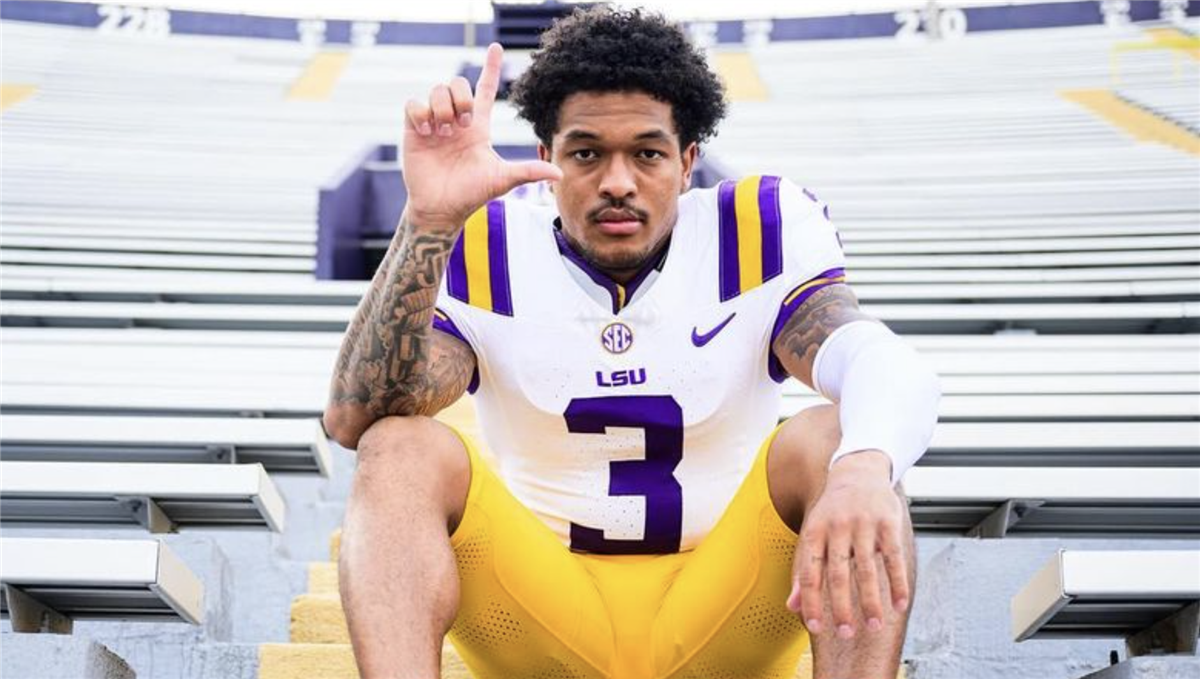
What happened to Greg Brooks Jr is a heartbreaking story that shocked the college football world in 2023. The former LSU Tigers safety and team captain was diagnosed with a rare brain tumor called medulloblastoma in September 2023, leading to emergency surgery that left him permanently disabled.
Brooks Jr., just 23 years old, experienced symptoms for 39 days before LSU medical staff discovered the tumor through an MRI.
During the subsequent brain surgery on September 15, 2023, he suffered multiple strokes that ended his promising football career and left him unable to walk or speak normally.
Today, he continues his recovery journey while pursuing a lawsuit against LSU and Our Lady of the Lake Hospital for medical negligence.
Table of Contents
Quick Facts About Greg Brooks Jr
| Category | Details |
|---|---|
| Full Name | Greg Brooks Jr. |
| Age | 23 years old (as of 2026) |
| Position | Safety / Defensive Back |
| College Team | LSU Tigers (2022-2023) |
| Previous Team | Arkansas Razorbacks (2019-2021) |
| Team Captain | LSU Tigers (2023 season) |
| Diagnosis Date | September 2023 |
| Brain Tumor Type | Medulloblastoma (rare brain cancer) |
| Surgery Date | September 15, 2023 |
| Surgery Location | Our Lady of the Lake Hospital, Baton Rouge |
| Surgeon | Dr. Brandon Gaynor |
| Current Status | Cancer-free, undergoing rehabilitation |
| Lawsuit Filed | August 2024 against LSU and OLOL |
| Father | Greg Brooks Sr. (former NFL player) |
Who is Greg Brooks Jr?
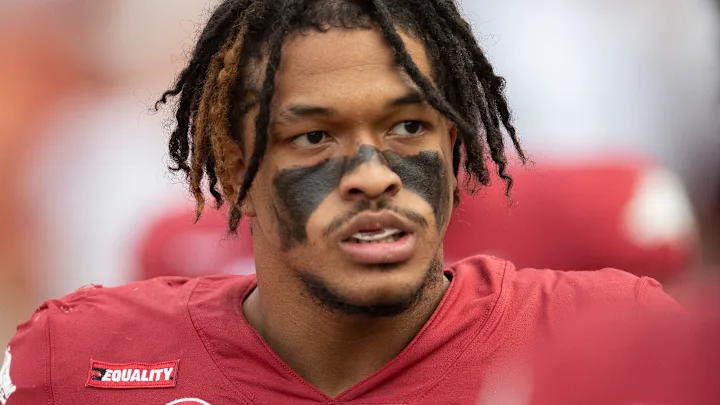
Greg Brooks Jr. was a talented defensive back with NFL aspirations. He attended West Jefferson High School in Louisiana before beginning his college career at the University of Arkansas. His athletic abilities and work ethic made him stand out as a reliable safety.
Brooks Jr. played three seasons with the Arkansas Razorbacks from 2019 to 2021. During his time there, he developed his skills and gained valuable experience in SEC football. His performance caught the attention of other programs looking for experienced defensive players.
In 2022, Brooks Jr. transferred to Louisiana State University to continue his football career. He immediately made an impact for the Tigers, starting 13 games in the secondary during his first season. His contributions helped LSU reach the SEC Championship Game and win the 2023 Citrus Bowl.
Brooks Jr.’s Success at LSU
During the 2022 season, Brooks Jr. recorded impressive statistics that showcased his abilities. He totaled 66 tackles, 3.0 tackles for loss, and 1.0 sacks throughout the season. He also intercepted two passes, demonstrating his ability to create turnovers.
His teammates and coaches recognized his leadership qualities and football IQ. Before the 2023 season, his fellow players voted him team captain. This honor reflected the respect he had earned in the locker room despite being new to the program.
Brooks Jr. started LSU’s first two games of the 2023 season as captain. He recorded eight tackles in those early season matchups against Florida State and Grambling. Everything seemed to be going according to plan for his final collegiate season.
The Beginning of Symptoms
In August 2023, Brooks Jr. began experiencing concerning neurological symptoms during football practice. He reported feeling dizzy, nauseous, and suffering from severe headaches. These symptoms appeared suddenly and disrupted his ability to practice effectively.
According to the lawsuit, Brooks Jr. passed out during one practice session. He then vomited minutes later in front of his coaches and athletic trainers. Despite these obvious warning signs, the medical response was inadequate.
LSU athletic trainer Owen Stanley diagnosed Brooks Jr. with vertigo. The trainer cleared him to return to practice despite the continuing symptoms. This misdiagnosis would prove to have devastating consequences for the young athlete’s future.
39 Days of Ignored Symptoms
Brooks Jr. continued reporting his symptoms on a daily basis to LSU medical staff. The headaches, dizziness, and nausea persisted throughout August and into September. He communicated his discomfort repeatedly, hoping for proper medical attention and answers.
The lawsuit alleges that coaching staff encouraged him to continue practicing and playing. According to the filing, coaches threatened his starting position if he didn’t participate. This pressure created a situation where Brooks Jr. felt compelled to push through serious health issues.
It took 39 days from the onset of symptoms before LSU arranged an appointment with a neurologist. This delay would become a central point in the subsequent lawsuit. During this time, Brooks Jr. was essentially playing football with a growing brain tumor.
The Brain Tumor Discovery
On a Thursday in mid-September 2023, Brooks Jr. finally underwent an MRI scan. The imaging revealed a large brain tumor in his cerebellum, the part of the brain responsible for balance and coordination. The discovery explained all the symptoms he had been experiencing.
The tumor was identified as medulloblastoma, an extremely rare form of brain cancer in adults. This type of tumor typically affects children between ages 5 and 9. Only about 500 cases are diagnosed annually in the United States across all age groups.
The tumor was blocking the flow of cerebrospinal fluid across his brain. This blockage created a condition called hydrocephalus, where fluid builds up inside the skull. The situation was deemed a medical emergency requiring immediate surgical intervention.
Emergency Brain Surgery
Just one day after the tumor discovery, on Friday, September 15, 2023, Brooks Jr. underwent emergency brain surgery. Dr. Brandon Gaynor at Our Lady of the Lake Regional Medical Center performed the complex procedure. The rushed timeline from diagnosis to surgery highlighted the severity of the situation.
Greg Brooks Sr., the player’s father, received minimal notice about his son’s condition. His only notification was a phone call saying, “I need you to get here. Your son is having emergency surgery tomorrow morning.” The family had no time to seek second opinions or alternative treatment options.
Before surgery, Dr. Gaynor told Brooks Jr. he would likely eat dinner that same night. The surgeon said the worst-case scenario would be difficulty swallowing and talking for a few months. These optimistic predictions would prove tragically inaccurate.
Catastrophic Surgery Complications
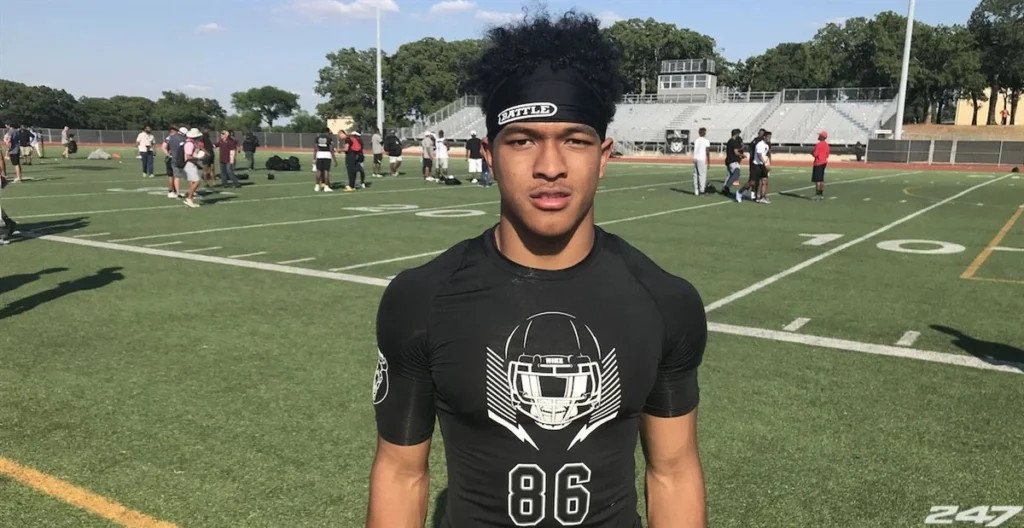
During the surgery to remove the tumor, Brooks Jr. suffered multiple strokes. These complications occurred due to what the lawsuit describes as “acts of malpractice.” The strokes caused severe and permanent neurological damage that dramatically altered Brooks Jr.’s life.
The lawsuit alleges that Dr. Gaynor lacked appropriate training and experience for this particular procedure. Removing medulloblastoma tumors typically requires fellowship-trained pediatric neurosurgeons. The complaint questions why Gaynor was selected to perform such a delicate operation.
Brooks Jr. woke up from surgery to find himself in a nightmare scenario. He couldn’t walk, couldn’t speak properly, and faced permanent disability. The promising football career he had worked his entire life to build was suddenly over at age 22.
Life After Surgery
Brooks Jr. described waking up from the surgery as emerging from a nightmare he couldn’t escape. He initially thought the situation was fake, unable to process the reality of his condition. The psychological trauma accompanied the severe physical disabilities he now faced.
He underwent both chemotherapy and radiation treatments following the surgery. These treatments successfully eliminated the cancer, and doctors declared him cancer-free. However, the permanent damage from the surgery complications remained unchanged by the cancer treatment success.
Brooks Jr. spent time at St. Jude Children’s Research Hospital in Memphis, Tennessee. The specialized cancer treatment facility provided additional care and support. He required transfer there in October 2023 for continued treatment and rehabilitation efforts.
Current Physical Condition
More than two years after the surgery, Brooks Jr. still cannot walk normally. He requires assistance and uses a wheelchair for mobility. Physical therapy continues as he works to regain coordination and strength in his body.
His speech remains significantly impaired, though he has shown gradual improvement. Speech therapy has helped him relearn how to communicate, but he still struggles compared to before the surgery. Every word requires concentration and effort that wasn’t necessary before.
Brooks Jr. has regained some movement and continues making slow progress. However, medical experts consider his disabilities permanent. The strokes during surgery caused irreversible damage to critical brain functions that control movement and speech.
The Lawsuit Against LSU
In August 2024, Brooks Jr. filed a comprehensive lawsuit against multiple parties. The defendants include LSU, head coach Brian Kelly, several coaching staff members, athletic trainers, team doctors, Our Lady of the Lake Hospital, and Dr. Brandon Gaynor. The 13-page complaint details multiple allegations of negligence.
The lawsuit accuses LSU athletic trainers of misdiagnosing his symptoms for 39 days. It claims they failed to refer him to a neurological specialist despite clear signs of serious problems. This delay allowed the tumor to continue growing while Brooks Jr. continued playing football.
Against Dr. Gaynor and the hospital, the lawsuit alleges medical malpractice and negligent credentialing. The complaint argues that Gaynor wasn’t properly qualified to perform this specific type of brain surgery. It also questions why the hospital assigned him to such a complex case.
Allegations Against Coaching Staff
The lawsuit claims coaching staff threatened Brooks Jr.’s starting position if he didn’t practice and play. Despite his reported symptoms, coaches allegedly pressured him to participate in team activities. This created an environment where he felt unable to prioritize his health.
Head coach Brian Kelly is named as a defendant in the lawsuit. While Kelly isn’t accused of direct medical negligence, the complaint includes him as part of the coaching staff. His response to the allegations has created additional controversy in the case.
The lawsuit alleges that coaches and trainers ignored obvious warning signs of serious medical issues. Brooks Jr. passed out and vomited during practice in front of staff members. These incidents should have triggered immediate medical evaluation rather than a simple vertigo diagnosis.
The Brian Kelly Controversy
In February 2025, Brooks Sr. appeared on Good Morning America with his son. During the interview, he stated that Brian Kelly hadn’t contacted the family since October 2023. Greg Brooks Sr. criticized the coach for not reaching out during his son’s difficult recovery journey.
“To not hear from your head coach in over 17 months,” Brooks Sr. said emotionally. He questioned how someone making $10 million per year couldn’t pick up the phone to check on Brooks Jr. The criticism sparked a heated public response from Kelly.
Kelly held a press conference two days later denying the accusations. He stated it was “factually incorrect” to claim he wasn’t supportive during Brooks Jr.’s ordeal. Kelly said he visited on multiple occasions and had staff members checking on Brooks Jr. virtually every day.
Ryan Clark’s Emotional Interview
In May 2025, Brooks Jr. and his father appeared on “The Pivot” podcast hosted by Ryan Clark. Clark, a former LSU and NFL safety, grew up with Brooks Sr. in New Orleans. The interview proved emotionally devastating for everyone involved.
After Brooks Jr. was wheeled out of the interview, Clark broke down crying. He expressed anger and sadness at seeing the young man’s condition. “That baby didn’t deserve this,” Clark said through tears while struggling to compose himself.
Clark defended Kelly during parts of the conversation, noting he witnessed Kelly visiting Brooks Jr. in the hospital. However, he also validated the family’s pain and frustration. The interview highlighted the complex emotions and conflicting accounts surrounding Brooks Jr.’s situation.
Medical Negligence Claims
The lawsuit’s central claim focuses on the 39-day delay in proper diagnosis. Medical experts suggest earlier detection could have led to better surgical outcomes. The tumor grew larger during those weeks Brooks Jr. continued practicing and playing football.
Athletic trainers gave Brooks Jr. BC powder for his headaches rather than seeking specialized medical evaluation. This basic pain reliever approach failed to address the underlying serious medical condition. The lawsuit argues this represented a dangerous failure in duty of care.
The complaint also addresses the emergency surgery timeline from diagnosis to operation. Being diagnosed on Thursday and operated on Friday left no time for second opinions or alternative treatment plans. The rushed approach may have contributed to the catastrophic outcome.
Negligent Credentialing Allegations
The lawsuit includes specific claims about how Dr. Gaynor was credentialed at Our Lady of the Lake Hospital. It alleges the hospital failed to properly verify his qualifications for performing this particular type of surgery. This negligent credentialing claim suggests systemic failures in hospital procedures.
Medulloblastoma removal typically requires fellowship-trained pediatric neurosurgeons due to the tumor’s complexity. The lawsuit questions why an adult neurosurgeon without this specialized training was selected. This mismatch between surgeon expertise and procedure requirements forms a key allegation.
Discovery in the lawsuit has focused on obtaining Dr. Gaynor’s qualification records. Judge Tiffany Foxworth-Roberts ordered the NeuroMedical Center to produce these documents. The records will reveal what training and experience Gaynor had before performing Brooks Jr.’s surgery.
Lawsuit Progress and Legal Victories
In May 2025, Judge Foxworth-Roberts made an important ruling in Brooks Jr.’s favor. She allowed certain negligence claims against LSU to proceed without first going through a medical review panel. This decision accelerated the timeline for those specific allegations.
The judge agreed that claims against LSU coaching staff and athletic trainers weren’t medical malpractice. Instead, they constituted general negligence that didn’t require panel review. This distinction allowed Brooks Jr.’s legal team to begin discovery on these claims immediately.
Claims against Dr. Gaynor and the hospital still require medical review panel evaluation. These clearly fall under medical malpractice and must follow Louisiana’s statutory process. However, the negligent credentialing claim may also proceed without panel review.
The Greg Brooks Jr. Victory Fund
LSU established the Greg Brooks Jr. Victory Fund to raise money for his treatment and recovery. The fundraising effort generated “well over six figures” according to Coach Kelly. The LSU community rallied to support the former captain financially.
However, the lawsuit alleges that Brooks Jr. hasn’t received access to the money raised. This claim adds another layer of controversy to an already complicated situation. The family questions why funds raised specifically for Brooks Jr. remain unavailable to him.
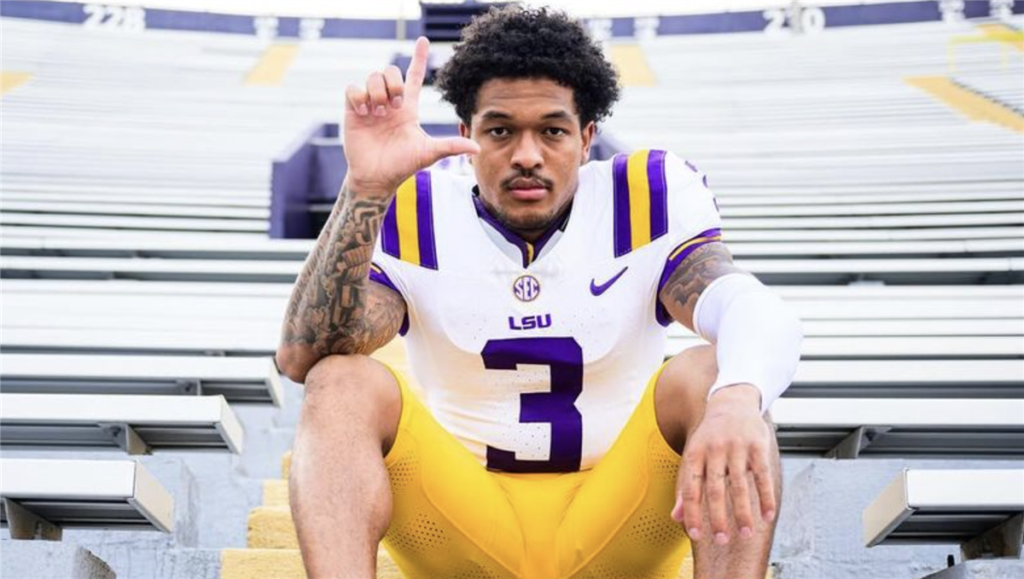
LSU placed honorary field markings and helmet decals featuring Brooks Jr.’s No. 3 jersey during the 2023 season. These tributes honored him while he began his difficult recovery journey. Arkansas and Missouri also wore helmet stickers in support.
Family’s Pain and Frustration
Greg Brooks Sr. has been vocal about his son’s suffering and the family’s frustration. He emphasizes the emotional toll of watching his son’s dreams destroyed. “You don’t think that kid suffered?” he asked during interviews, highlighting Brooks Jr.’s pain watching friends succeed.
The father, who played at Southern Mississippi and in the NFL, trusted LSU to care for his son. “He’s at LSU, one of the best colleges in the United States,” he said. The betrayal of that trust has created deep wounds beyond the physical injuries.
Brooks Jr.’s mother, Pym Barnes, also hasn’t received contact from LSU coaching staff according to family statements. The apparent abandonment by the program compounds the family’s trauma. They expected continued support but feel forgotten once Brooks Jr. couldn’t play football anymore.
Brooks Jr.’s Message to Young Athletes
Despite his suffering, Brooks Jr. maintains a positive attitude and wants to help others. His primary message to young athletes emphasizes the importance of advocating for their health. “If something is hurting, tell them,” he advised during his Good Morning America interview.
He urges athletes to seek second opinions if medical staff dismisses their concerns. “If they don’t do anything about it, go get your second opinion,” Brooks Jr. said. He believes following this advice could have prevented his current situation.
His resilience in the face of permanent disability inspires many people. “Every single day, the grass is going to be greener,” he said positively. Despite everything, he expresses gratitude for still being alive and maintains he can’t complain.
Recovery and Rehabilitation Journey
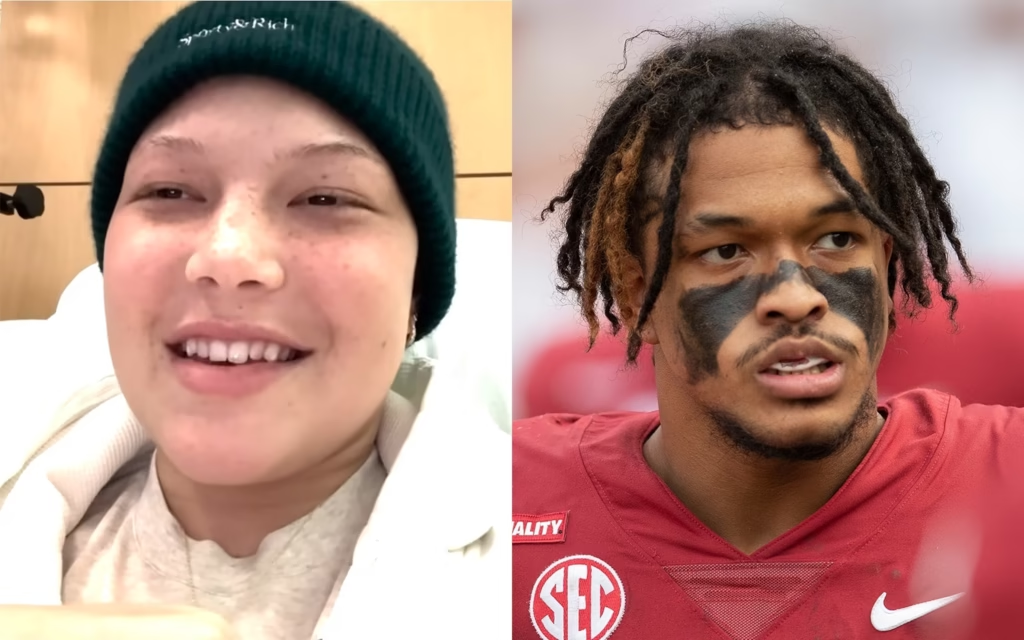
Brooks Jr. works daily in physical therapy to regain as much function as possible. The therapy focuses on improving coordination, balance, and strength. Progress comes slowly but represents important victories in his new reality.
Speech therapy remains a crucial part of his rehabilitation program. He had to relearn how to write and speak after the surgery complications. These basic skills that most people take for granted require constant practice and concentration.
His rehabilitation team includes physical therapists, speech therapists, and occupational therapists. They work together to help him achieve maximum possible recovery. While he may never return to his pre-surgery condition, improvements continue over time.
Living with Permanent Disability
At just 23 years old, Brooks Jr. faces a lifetime of challenges most people never experience. Simple activities like walking across a room or having a conversation require significant effort. His entire life trajectory changed in one catastrophic surgical procedure.
The psychological adjustment to permanent disability presents ongoing challenges. He lost not only his football career but also his independence and physical capabilities. Mental health support helps him process these profound losses while maintaining hope.
Brooks Jr. requires assistance with daily living activities that he previously performed independently. This dependence on others for basic needs represents a dramatic change from being an elite athlete. The adjustment continues years after the surgery.
Financial Implications
Medical bills from brain surgery, chemotherapy, radiation, and ongoing rehabilitation are substantial. The costs extend far beyond initial treatment to include lifetime care needs. These financial burdens motivated the lawsuit seeking compensation for negligence.
Brooks Jr.’s lost earning potential as a potential NFL player represents millions of dollars. He had legitimate professional football aspirations before the tumor discovery. The permanent disabilities eliminated any possibility of pursuing that career path.
Long-term care needs will generate ongoing expenses throughout Brooks Jr.’s lifetime. Wheelchair maintenance, therapy costs, assistive devices, and possible future surgeries all require funding. The lawsuit seeks damages to cover these present and future financial needs.
LSU’s Official Response
LSU has largely declined to comment on specific allegations due to ongoing litigation. The university’s standard statement says Brooks Jr. “remains in our thoughts and prayers.” This measured response avoids admitting liability while expressing sympathy.
LSU emphasizes its partnership with Our Lady of the Lake as their Championship Health Partner. The university maintains that OLOL provides “exceptional medical care for our student-athletes.” This statement deflects some responsibility onto the hospital and medical professionals.
University officials haven’t publicly addressed the Greg Brooks Jr. Victory Fund access allegations. The silence on this specific issue allows the controversy to persist. Without transparency, questions remain about where the raised funds are and why Brooks Jr. can’t access them.
Our Lady of the Lake’s Response
The hospital issued statements defending its medical team’s qualifications and care quality. Our Lady of the Lake emphasized that its neurological team is “among the most experienced in Louisiana.” They claim patients receive the best opportunity for positive outcomes.
Hospital representatives stated they cannot comment specifically on the litigation. This standard legal response protects the hospital’s interests while the case proceeds. However, it leaves many questions unanswered about what happened during Brooks Jr.’s surgery.
The hospital has maintained Commission on Cancer Accreditation for years. This accreditation supposedly reflects successful surgery rates. The accreditation doesn’t address individual case outcomes or surgeon-specific qualifications for particular procedures.
Dr. Brandon Gaynor’s Credentials
Dr. Gaynor was certified for neurological surgery by the American Board of Neurological Surgery in 2018. His biography lists hydrocephalus among his neurosurgical specialties. These credentials establish him as a qualified general neurosurgeon.
However, the lawsuit questions whether general neurosurgery training suffices for medulloblastoma removal. This specific tumor type typically requires fellowship training in pediatric neurosurgery. The distinction between general and specialized training forms a critical point in the malpractice allegations.
Before Brooks Jr.’s surgery, a hospital article praised Gaynor’s work and called the procedure successful. The piece described medulloblastoma surgery as “pretty complicated” and “pretty delicate.” Gaynor was quoted expressing optimism about Brooks Jr.’s prognosis and bright future.
The Medulloblastoma Diagnosis
Medulloblastoma accounts for approximately 10% of primary central nervous system tumors in children under 19. The peak incidence occurs between ages 5 and 9 years old. Brooks Jr.’s case at age 22 was extremely unusual.
Approximately 500 children receive medulloblastoma diagnoses annually in the United States. Adult cases are far rarer, making them more challenging to treat. The rarity may have contributed to the delayed diagnosis and treatment complications.
These tumors typically grow in the cerebellum where balance and coordination are controlled. Symptoms often include loss of balance, headaches, nausea, and vomiting. Brooks Jr. exhibited textbook symptoms that should have triggered earlier neurological evaluation.
College Athletics and Medical Care
Brooks Jr.’s case highlights broader issues in college sports medicine. Student-athletes often feel pressure to play through pain to maintain their positions. This culture can discourage reporting symptoms or seeking proper medical attention.
The power dynamic between coaches, trainers, and athletes creates challenging situations. Young players may fear losing scholarships or playing time if they prioritize health over performance. Brooks Jr.’s alleged experience reflects these systemic problems.
Universities have duty of care responsibilities to student-athletes beyond just winning games. This includes providing adequate medical screening, diagnosis, and treatment. When these systems fail, the consequences can be devastating as Brooks Jr.’s case demonstrates.
Impact on College Sports Policy
Brooks Jr.’s story may influence how universities handle athlete health complaints. The case could prompt policy changes regarding when athletes must see specialists. Establishing clear protocols for neurological symptoms could prevent similar tragedies.
Athletic departments may implement more conservative approaches to athletes reporting persistent symptoms. The potential liability from ignoring warning signs creates incentives for better medical care. However, change often only comes after catastrophic cases receive public attention.
Insurance companies and legal departments will likely pressure universities to strengthen medical protocols. The financial risk of lawsuits like Brooks Jr.’s exceeds the cost of implementing better medical screening. Protecting student-athletes also protects institutions from liability.
The Role of Social Media
Social media has amplified Brooks Jr.’s story and generated public support. Platforms like Instagram, TikTok, and Twitter spread awareness about his situation. This visibility pressures LSU and the hospital to address the allegations publicly.
Brooks Jr.’s Instagram account (@gbrooks5_) has over 51,000 followers receiving updates about his journey. Social media allows him to share his story directly without media filters. The platform provides connection with supporters offering encouragement.
Viral videos of Brooks Jr.’s interviews, particularly with Ryan Clark, reached millions of people. These emotional moments humanized the legal case and medical statistics. Public sympathy generated by social media may influence settlement negotiations or trial outcomes.
Comparing to Other Athlete Medical Cases
Brooks Jr.’s situation echoes other cases where student-athletes suffered from delayed diagnoses. Maryland football player Jordan McNair died in 2018 from heatstroke after inadequate medical response. These tragedies reveal systemic issues in college sports medicine.
Former Ohio State wrestler T.J. Williams won a lawsuit against team doctor Richard Strauss for sexual abuse. That case, like Brooks Jr.’s, involved institutional failures to protect student-athletes. Universities face increasing accountability for medical care provided to athletes.
Each high-profile case contributes to growing awareness of student-athlete vulnerability. Legal precedents from these cases may benefit Brooks Jr.’s lawsuit. They establish that universities can be held liable when medical care falls below acceptable standards.
Expert Medical Opinions
Neurosurgeons not involved in the case have commented on the risks of cerebellar tumor surgery. The cerebellum’s complexity makes any surgery there extremely delicate. Multiple strokes during such operations are rare but represent known risks.
Medical experts emphasize the importance of surgeon experience with specific tumor types. Fellowship training in pediatric neurosurgery provides specialized skills for medulloblastoma. General neurosurgeons may lack this specific expertise despite overall competence.
Second opinions before major brain surgery are standard practice in non-emergency situations. The rushed timeline from Brooks Jr.’s diagnosis to surgery eliminated this crucial step. Medical experts suggest the emergency designation may have been unnecessary given the tumor’s slow growth.
The Broader Message
Brooks Jr.’s story transcends college football to raise questions about medical care priorities. Should institutions prioritize athletic performance over comprehensive health evaluation? The answer seems obvious, but practice doesn’t always match stated values.
Young athletes need empowerment to advocate for their health without fear of consequences. Coaches and trainers must create environments where reporting symptoms is encouraged, not discouraged. Cultural change in college athletics requires commitment from leadership.
Parents trusting their children to universities deserve assurance that proper medical care exists. Greg Brooks Sr.’s trust in LSU was betrayed by what he views as systemic failures. Rebuilding trust requires transparency, accountability, and demonstrated commitment to athlete welfare.
Looking Forward
Brooks Jr. continues fighting every day to improve his physical condition. His determination inspires many people facing their own health challenges. While his football career ended tragically, his influence may extend beyond the field.
The lawsuit’s outcome could take years to resolve through Louisiana’s legal system. Whether through trial or settlement, Brooks Jr. seeks accountability and compensation. The case’s resolution may establish important precedents for college athlete medical care.
His advocacy for young athletes to speak up about their health could save lives. If even one athlete seeks proper evaluation due to Brooks Jr.’s advice, his suffering produces positive impact. That silver lining doesn’t diminish the tragedy but provides meaning amid hardship.
Frequently Asked Questions (FAQs)
What happened to Greg Brooks Jr?
Greg Brooks Jr. was diagnosed with a rare brain tumor called medulloblastoma in September 2023. Emergency surgery to remove the tumor resulted in multiple strokes, leaving him permanently disabled.
What symptoms did Greg Brooks Jr experience?
Brooks Jr. experienced severe headaches, dizziness, nausea, and passing out during practice. LSU medical staff misdiagnosed these neurological symptoms as vertigo for 39 days before discovering the brain tumor.
Is Greg Brooks Jr cancer-free?
Yes, after undergoing chemotherapy and radiation treatments following his surgery, doctors declared Greg Brooks Jr. cancer-free. However, he faces permanent disabilities from the surgery complications.
Can Greg Brooks Jr walk?
No, Greg Brooks Jr. cannot walk normally more than two years after his surgery. He requires assistance and uses a wheelchair for mobility, though he continues physical therapy.
Why is Greg Brooks Jr suing LSU?
Brooks Jr. sued LSU for medical negligence, alleging trainers misdiagnosed his symptoms for 39 days and coaches pressured him to play while sick. The lawsuit also claims the surgeon wasn’t properly qualified.
What is medulloblastoma?
Medulloblastoma is a rare malignant brain tumor typically found in children aged 5-9. It grows in the cerebellum and affects balance and coordination. Brooks Jr.’s case was unusual because he was 22.
Did Brian Kelly visit Greg Brooks Jr?
This is disputed. Brooks Sr. claims Kelly hasn’t contacted the family since October 2023. Kelly strongly denies this, stating he visited multiple times and had staff checking on Brooks Jr. daily.
How old is Greg Brooks Jr now?
Greg Brooks Jr. is currently 23 years old as of 2026. He was 22 when diagnosed with the brain tumor in September 2023.
Where did Greg Brooks Jr play college football?
Brooks Jr. played at Arkansas for three seasons (2019-2021) before transferring to LSU in 2022. He was voted team captain for the 2023 season before his diagnosis.
What is the status of Greg Brooks Jr’s lawsuit?
The lawsuit filed in August 2024 is ongoing. In May 2025, a judge ruled some negligence claims can proceed without medical review panels, while malpractice claims require panel evaluation.
Conclusion
What happened to Greg Brooks Jr represents one of the most tragic stories in recent college sports history. A talented 22-year-old athlete with NFL dreams had his entire life altered by what his family believes was preventable negligence.
The 39-day delay in diagnosing his brain tumor allowed him to continue playing football with a growing tumor in his cerebellum.
When emergency surgery finally occurred, complications during the procedure left him permanently unable to walk or speak normally, ending not only his football career but his independence.
The ongoing lawsuit against LSU, coaching staff, Our Lady of the Lake Hospital, and surgeon Dr. Brandon Gaynor seeks accountability for these catastrophic outcomes.