
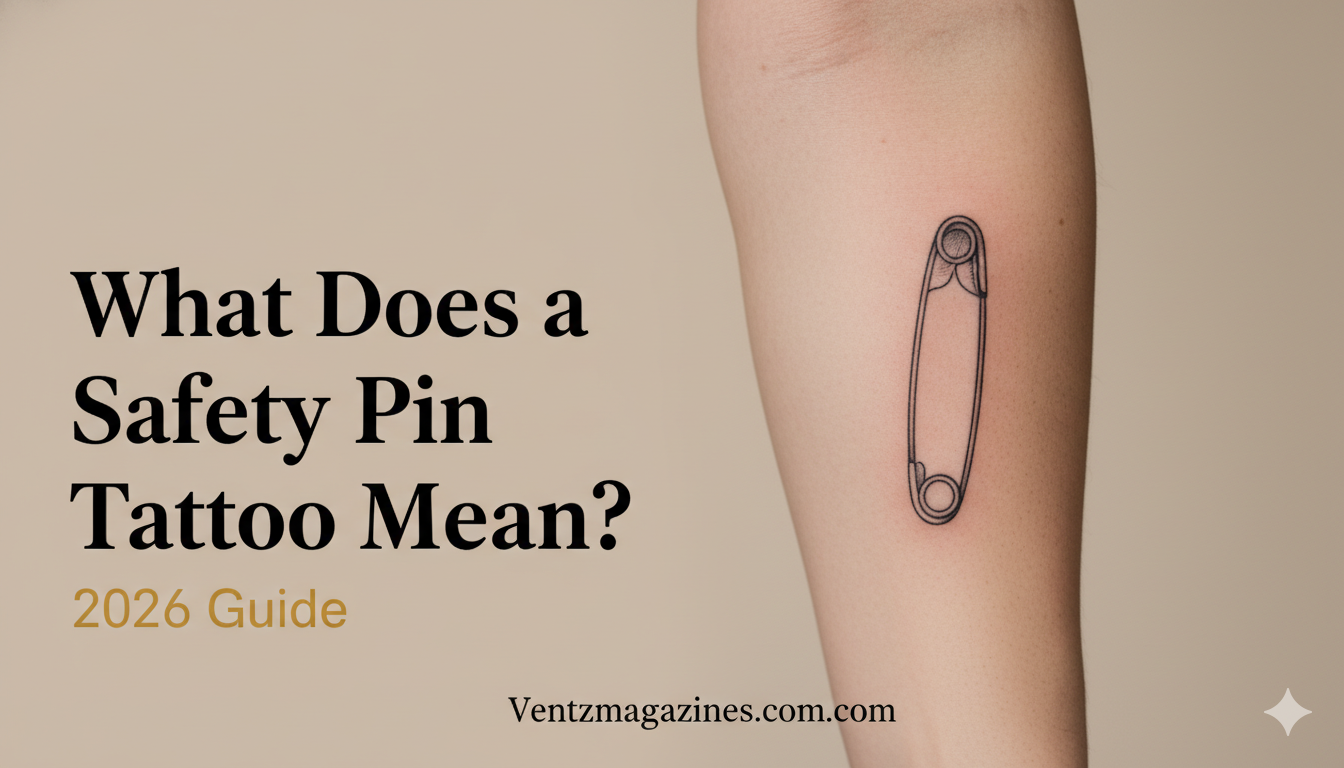
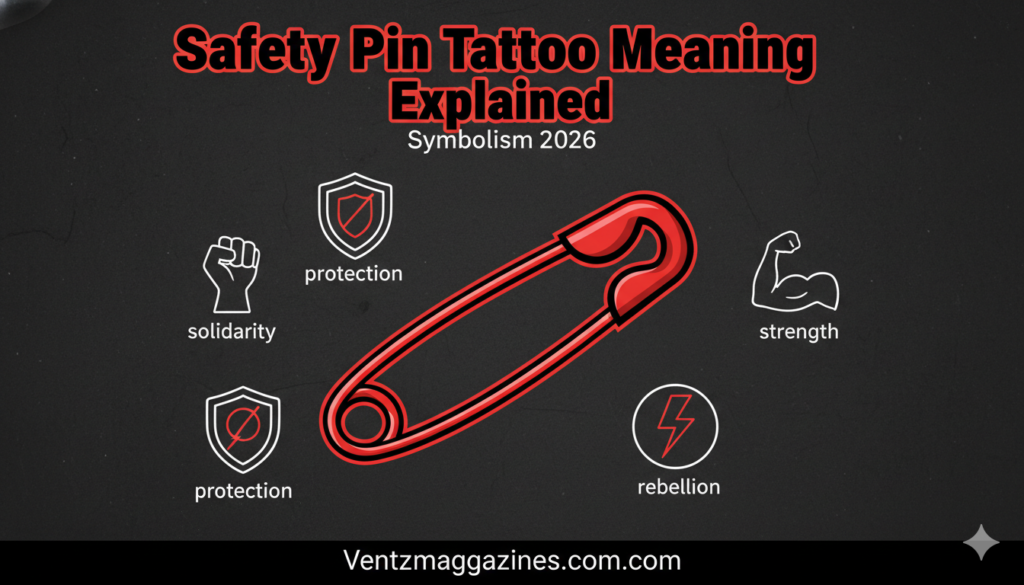
What does a safety pin tattoo mean in today’s society? A safety pin tattoo represents solidarity, protection, and resilience for marginalized communities.
This small yet powerful symbol has evolved from a simple fastening tool into a profound statement of unity and support.
Whether you’re considering getting one or simply curious about its significance, understanding the deep-rooted history and modern interpretations of safety pin tattoos reveals a powerful narrative of hope, allyship, and social justice.
In this comprehensive guide, we’ll explore every aspect of this meaningful body art, from its historical origins to contemporary design variations.
Table of Contents
The Historical Roots of Safety Pin Symbolism
The safety pin’s journey as a symbol of resistance dates back to World War II. During the Nazi occupation of the Netherlands, Dutch citizens discreetly wore safety pins under their collars or sleeves as a signal to persecuted individuals that they were allies.
This simple gesture communicated a powerful message: “You are safe with me.” The pin indicated that the wearer could be trusted and would offer protection to those fleeing Nazi persecution.
Norwegian citizens adopted a similar practice, using paper clips instead of safety pins to identify themselves as safe contacts for resistance fighters and Jewish refugees.
These small acts of rebellion became increasingly dangerous as Nazi authorities recognized these symbols. Despite the risks, thousands continued wearing them, saving countless lives through this silent communication system.
Political Significance and Social Movements
The safety pin reemerged as a political symbol following the 2016 Brexit referendum in the United Kingdom. Xenophobic incidents surged dramatically, prompting concerned citizens to revive the safety pin tradition.
People began wearing visible safety pins to signal their support for immigrants, refugees, and minorities facing discrimination. The movement quickly spread across social media platforms worldwide.
In the United States, the safety pin gained renewed prominence after the 2016 presidential election. Many Americans wore safety pins or got tattoos to stand against xenophobia, Islamophobia, and discrimination toward minorities.
The symbol became a visible commitment to protecting vulnerable communities and speaking out against injustice. It transformed into a contemporary emblem of social activism and allyship.
Core Meanings of Safety Pin Tattoos
Safety pin tattoos primarily represent solidarity with oppressed and marginalized groups. They serve as permanent declarations that the wearer is an ally and safe person to approach.
The tattoo symbolizes protection for LGBTQ+ individuals, people of color, immigrants, Muslims, and other vulnerable populations. It communicates empathy, understanding, and unconditional support.
Resilience is another fundamental meaning embedded in safety pin tattoos. The design represents the ability to hold things together during difficult times and overcome personal challenges.
For many wearers, the tattoo serves as a reminder of their own strength through trauma, mental health struggles, or significant life obstacles they’ve conquered.
Unity and togetherness form the third pillar of safety pin symbolism. The tattoo reflects the importance of community bonds and standing together against adversity.
Safety Pin Tattoos and Mental Health
In recent years, safety pin tattoos have gained additional significance within mental health advocacy communities. They’ve become symbols of strength for individuals who have struggled with suicidal thoughts or self-harm.
The closed safety pin represents keeping oneself “together” during dark periods. It serves as a permanent reminder that the wearer survived their most challenging moments.
Many mental health advocates choose safety pin tattoos to spark conversations about mental wellness and reduce stigma. The visible symbol encourages openness about psychological struggles.
Support networks often recognize safety pin tattoos as indicators that someone understands mental health challenges and can provide compassionate, judgment-free support.
Punk Rock Culture and Fashion History
The 1970s punk rock movement transformed safety pins into fashion statements and symbols of rebellion. British punk rockers adopted safety pins as essential accessories for their distinctive aesthetic.
Richard Hell, an American rock artist, pioneered the torn clothing style held together with safety pins. This look became synonymous with punk counterculture and nonconformity.
Designers like Vivienne Westwood incorporated safety pins into high fashion, elevating them from practical fasteners to artistic statements challenging mainstream norms.
Punk culture’s use of safety pins represented rejection of consumer society and conventional beauty standards. The pins symbolized creating beauty from brokenness and resourcefulness.
Popular Design Variations
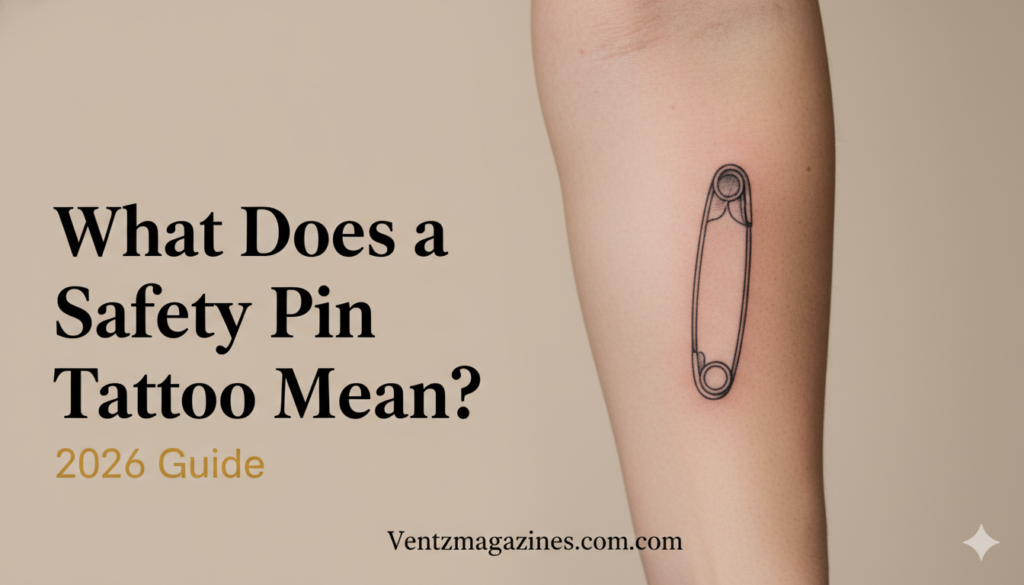
Traditional safety pin tattoos feature simple black line work depicting a closed or open pin. These minimalist designs typically measure one to two inches and emphasize symbolic meaning over elaborate artistry.
Many people choose to incorporate hearts pierced by the safety pin, creating romantic or emotional interpretations. This variation can represent enduring love despite heartbreak or vulnerability in relationships.
Three-dimensional safety pin tattoos utilize shading and depth techniques to create realistic representations. These designs appear to emerge from the skin, creating striking visual effects.
Colorful safety pin tattoos depart from traditional black ink, incorporating vibrant hues like gold, silver, rainbow colors, or pastel shades. These variations add personal flair while maintaining symbolic significance.
Some designs integrate flowers, names, dates, or meaningful phrases alongside the safety pin. These additions personalize the tattoo and connect it to specific memories or relationships.
Common Placement Options
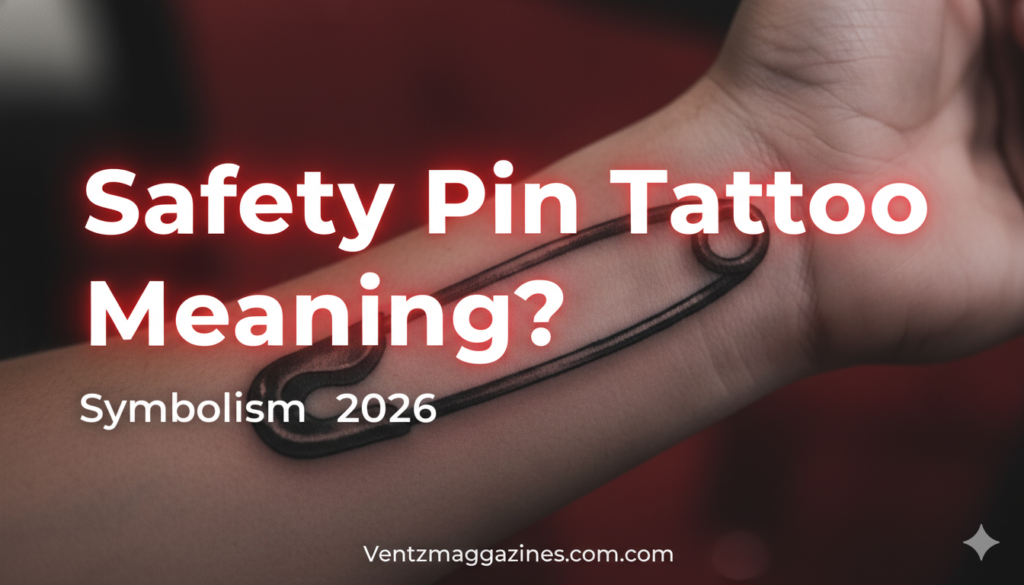
Wrist placements are extremely popular for safety pin tattoos due to high visibility and symbolic accessibility. The wrist location signals openness and availability to those seeking support.
Forearm tattoos provide larger canvas space for more detailed designs while remaining easily visible in daily interactions. They balance discretion with clear communication of values.
Behind-the-ear placements offer subtle elegance and easy concealment when necessary. This location appeals to professionals who need flexibility in displaying their tattoos.
Collarbone safety pin tattoos pay homage to the historical Dutch practice of wearing pins under collars. They create striking visual statements while honoring the symbol’s origins.
Finger tattoos provide intimate, personal placements that feel close to the wearer. These miniature designs require skilled artists but create unique aesthetic appeal.
Celebrity Influence
Avril Lavigne popularized safety pin tattoos in mainstream culture with her delicate design below her left ear. The Canadian popstar got the tattoo in 2011, generating significant media attention.
She cryptically described the safety pin as something that “always comes in handy and can hurt someone, but at the same time, keeps things together.” This ambiguous explanation sparked widespread discussion.
Various other musicians, actors, and influencers have embraced safety pin tattoos, contributing to their growing popularity. Their visibility on public figures normalized the design.
Celebrity endorsements helped transform safety pin tattoos from underground political symbols into widely recognized statements of values and personal beliefs.
Gender-Specific Interpretations
For men, safety pin tattoos often emphasize strength, protection, and the willingness to defend others. The design represents masculine ideals of guardianship and reliable support.
Male wearers frequently interpret their safety pin tattoos as commitments to protecting loved ones and standing against injustice through action.
For women, safety pin tattoos symbolize feminine resilience and the ability to hold life together amid chaos. They represent multifaceted strength unique to women’s experiences.
Many women view their safety pin tattoos as expressions of collective feminist support and empowerment. The design celebrates solidarity among women facing shared challenges.
Size Considerations and Aesthetic Choices
Minimalist safety pin tattoos typically range from one to three inches in length. These compact designs suit first-time tattoo recipients and those preferring subtle body art.
Small sizes allow for strategic placement in easily concealable locations. This flexibility appeals to professionals navigating workplace dress codes and corporate cultures.
Larger safety pin tattoos measuring three to six inches provide opportunities for intricate detailing and artistic elaboration. These statement pieces command attention and showcase technical skill.
Medium-sized designs balance visibility with versatility, offering clear symbolism without overwhelming the surrounding skin area or limiting clothing choices.
Cultural Sensitivity and Appropriation Concerns
Understanding the historical and political significance of safety pin tattoos is crucial before getting one. The symbol carries weight beyond mere aesthetic appeal.
Wearers should genuinely commit to the values the tattoo represents, particularly active allyship and support for marginalized communities. Empty gestures undermine the symbol’s power.
Some critics argue that physical symbols alone aren’t sufficient without accompanying actions. Safety pin wearers must back their tattoos with tangible support and advocacy.
Cultural awareness involves recognizing that safety pin symbolism may carry different meanings across various communities and geographical regions. Context matters significantly.
The Safety Pin Movement Controversies
Critics have raised concerns about performative allyship, where people display safety pins without actually helping marginalized individuals. Symbols must accompany meaningful action.
Some extremist groups have attempted to co-opt safety pin imagery to appear trustworthy while harboring harmful intentions. This manipulation complicates the symbol’s straightforward interpretation.
Debates continue about whether visible symbols effectively create safer spaces or merely make allies feel better about themselves without producing substantive change.
Despite controversies, many activists maintain that visible solidarity markers help vulnerable individuals identify potential allies in emergency situations or hostile environments.
Combining Safety Pins with Other Symbols
Rainbow elements added to safety pin tattoos explicitly signal LGBTQ+ allyship and support. These colorful designs celebrate pride and diversity.
Butterfly imagery combined with safety pins represents transformation, healing, and emerging stronger from difficult experiences. This combination emphasizes personal growth narratives.
Hearts, arrows, or infinity symbols paired with safety pins create romantic interpretations focused on enduring relationships and unbreakable bonds between individuals.
Text additions like “Love conquers all,” “Unity,” or “Ally” clarify the wearer’s specific intentions and personalize the tattoo’s message.
Pain Levels and Tattoo Process
Safety pin tattoos generally involve minimal pain due to their small size and simple line work. Most sessions last fifteen to thirty minutes.
Placement significantly affects discomfort levels, with bony areas like collarbones, ribs, and behind ears causing more sensation than fleshy locations like forearms.
Choosing experienced tattoo artists ensures clean lines crucial for small designs. Precision matters immensely when working with simple, detailed imagery like safety pins.
Proper aftercare includes keeping the tattoo clean, moisturized, and protected from sun exposure during the healing period. Following artist instructions prevents complications.
Cost Factors
Basic safety pin tattoos typically cost between fifty to one hundred fifty dollars, depending on artist experience, studio location, and design complexity.
Highly detailed or colored variations increase pricing. Custom designs incorporating additional elements command premium rates reflecting the artistic work involved.
Reputable tattoo studios charge minimum fees regardless of size. Investing in quality artistry ensures your safety pin tattoo maintains clear lines and symbolic impact.
Geographic location significantly influences pricing, with urban studios in major cities charging higher rates than rural or suburban establishments.
Professional Acceptability
Many modern workplaces demonstrate increasing acceptance of small, meaningful tattoos like safety pins. Their symbolic positivity often works in wearers’ favor.
Strategic placement behind ears, on ankles, or in easily covered locations provides professional flexibility. Business attire can conceal tattoos when necessary.
Industries focused on creativity, social work, and progressive fields typically embrace safety pin tattoos as expressions of values aligning with organizational missions.
Conservative corporate environments may still maintain restrictive tattoo policies. Researching company culture before getting visible tattoos prevents career complications.
Temporary Safety Pin Tattoo Options
Semi-permanent and temporary safety pin tattoos allow people to test designs before committing to permanent ink. These options last from several days to weeks.
Henna safety pin tattoos provide natural, temporary alternatives suitable for those uncertain about permanent body modification or workplace restrictions.
Press-on tattoos offer immediate application and easy removal. They enable wearers to experiment with placement and sizing before scheduling professional sessions.
Temporary options work well for special events, protests, or demonstrations where participants want unified visible solidarity without lifetime commitments.
Safety Pin Tattoos Across Different Age Groups
Younger individuals often choose safety pin tattoos as first tattoos due to their small size and meaningful symbolism. They represent coming-of-age political awareness.
Middle-aged adults frequently select safety pin tattoos to commemorate activism, personal growth, or significant life transitions representing their evolved values.
Older generations increasingly embrace safety pin tattoos as permanent markers of lifetime commitments to justice and equality. They celebrate sustained advocacy efforts.
Age-appropriate design modifications ensure safety pin tattoos remain relevant and meaningful throughout different life stages and evolving personal circumstances.
Matching Safety Pin Tattoos
Couples often choose matching safety pin tattoos symbolizing their commitment to protecting each other and building unified partnerships through life’s challenges.
Friend groups get coordinating safety pin designs representing their solidarity bonds and shared values. These matching tattoos celebrate chosen family connections.
Family members select safety pin tattoos to honor collective resilience through shared hardships or to commemorate relatives who embodied allyship and protection.
Matching tattoos strengthen community bonds and create visible reminders of interconnected support systems transcending individual experiences.
Social Media and Safety Pin Tattoos
Instagram and TikTok feature thousands of safety pin tattoo posts, creating digital communities around shared symbolism. Hashtags like #safetypintattoo connect global participants.
Social media platforms enable wearers to share personal stories behind their tattoos, educating followers about historical significance and contemporary interpretations.
Online visibility has accelerated safety pin tattoo popularity, particularly among younger generations seeking meaningful body art with social justice connections.
Digital communities provide inspiration galleries showcasing diverse design variations and placement options for individuals considering safety pin tattoos.
Maintaining Safety Pin Tattoo Quality
Proper long-term care preserves safety pin tattoo clarity and symbolic impact. Regular moisturizing prevents ink fading and maintains crisp line definition.
Sun protection through sunscreen application prevents premature aging and color degradation. UV exposure significantly accelerates tattoo deterioration over time.
Touch-ups may become necessary after several years, particularly for extremely small designs where line spreading naturally occurs with skin aging.
Professional assessment every few years ensures your safety pin tattoo continues representing your values with clear, recognizable imagery.
Safety Pin Tattoos in Different Countries
United Kingdom safety pin tattoos often reference Brexit-era solidarity movements and historical resistance symbolism. They carry specific cultural resonance.
American safety pin tattoos frequently connect to immigration debates, racial justice movements, and LGBTQ+ rights activism. Context shapes interpretation.
Netherlands-based wearers honor their nation’s World War II resistance history. Dutch safety pin tattoos pay homage to heroic ancestors who risked lives.
Global variations reflect local political climates and social justice priorities. Understanding regional contexts enriches appreciation of safety pin tattoo significance.
Religious and Spiritual Interpretations
Some spiritual practitioners interpret safety pin tattoos as symbols of divine protection and faith-based commitment to loving vulnerable neighbors.
Christian perspectives often connect safety pin symbolism to biblical mandates about welcoming strangers and protecting the oppressed and marginalized.
Buddhist interpretations emphasize compassion, interconnectedness, and reducing suffering through visible commitments to support those experiencing hardship.
Non-denominational spiritual meanings focus on universal principles of kindness, empathy, and recognizing inherent human dignity regardless of differences.
Safety Pin Tattoos and Intersectionality
Modern safety pin tattoos increasingly acknowledge intersectional identities and multiple overlapping forms of oppression requiring nuanced allyship.
Design choices can reflect specific solidarity commitments, such as rainbow elements for LGBTQ+ support or specific color symbolism representing racial justice.
Intersectional awareness prevents oversimplification of complex social issues. Effective allyship requires understanding how various forms of discrimination interconnect.
Education about intersectionality strengthens the meaningful impact of safety pin tattoos beyond surface-level symbolic gestures.
Alternative Solidarity Symbols
Paper clips serve as alternative symbols with similar historical significance, particularly honoring Norwegian resistance during World War II.
Rainbow flags, pink triangles, and other established symbols communicate specific solidarity commitments alongside or instead of safety pins.
Some activists prefer combining multiple symbols to represent broader allyship across various marginalized communities simultaneously.
Understanding the symbolic landscape helps individuals choose tattoos authentically representing their specific values and commitments.
Future of Safety Pin Tattoo Symbolism
Safety pin tattoos continue evolving alongside social justice movements and changing political landscapes. Their meaning adapts to contemporary contexts.
Younger generations reinterpret historical symbols through modern lenses, adding new layers of significance while honoring original resistance roots.
Digital activism increasingly integrates physical symbols like safety pin tattoos, creating bridges between online and in-person solidarity expressions.
Ongoing relevance depends on continued commitment to actions supporting the values these tattoos represent, ensuring symbols maintain meaningful substance.
Frequently Asked Questions
What does a safety pin tattoo mean?
A safety pin tattoo symbolizes solidarity, protection, and support for marginalized communities. It indicates the wearer is a safe person who stands against discrimination and offers help to vulnerable individuals.
Who should get a safety pin tattoo?
Anyone genuinely committed to allyship, protecting vulnerable communities, and standing against injustice should consider safety pin tattoos. The symbol requires backing words with actions and authentic advocacy.
Where is the best placement for a safety pin tattoo?
Popular placements include wrists, forearms, behind the ear, collarbone, and fingers. Choose locations balancing visibility for signaling allyship with professional requirements and personal comfort levels.
How much does a safety pin tattoo cost?
Safety pin tattoos typically cost between $50-$150 depending on size, detail, artist experience, and geographic location. Minimalist designs fall on the lower end while elaborate variations cost more.
Do safety pin tattoos hurt?
Pain levels are generally minimal due to small size and simple line work. Discomfort varies by placement, with bony areas more sensitive than fleshy locations.
Can I get a colored safety pin tattoo?
Yes, many people choose colored variations including gold, silver, rainbow, or pastel safety pin tattoos. Color adds personal expression while maintaining symbolic meaning and visual impact.
Are safety pin tattoos acceptable in professional settings?
Acceptance varies by industry and company culture. Small, meaningful tattoos often receive more tolerance than large designs. Strategic placement allows concealment when necessary for workplace flexibility.
What size should my safety pin tattoo be?
Most safety pin tattoos range from 1-3 inches for subtle designs. Larger versions up to 6 inches allow more artistic detail. Choose sizes appropriate for your placement and visibility preferences.
Can safety pin tattoos represent mental health?
Yes, safety pin tattoos symbolize holding oneself together through mental health struggles, surviving suicidal thoughts, and resilience through trauma. They represent strength and continued survival.
Are safety pin tattoos only political symbols?
While rooted in political history, safety pin tattoos can represent personal meanings including love, resilience, protection, and keeping things together. Individual interpretation varies beyond purely political statements.
Conclusion
What does a safety pin tattoo mean? This seemingly simple design carries profound significance rooted in historical resistance, contemporary activism, and personal resilience.
From World War II Dutch resistance to modern solidarity movements, safety pin tattoos represent unwavering commitments to protecting vulnerable communities and standing against injustice.
Whether you choose this symbol to signal allyship with marginalized groups, commemorate personal survival through hardship, or honor historical heroes, understanding its deep meanings ensures your tattoo carries authentic weight.
The power of safety pin tattoos lies not merely in visible ink but in the actions, advocacy, and genuine support they represent.