
Why Is My Tire Pressure Light Blinking? Understanding your vehicle’s warnings can be the difference between a safe ride and a roadside emergency.
A blinking tire pressure light also known as a TPMS light blinking is one of the most confusing dashboard signals for drivers. Is it safe to drive? What does it mean? And how do you fix it?
In this extensive guide, we’ll cover everything you need to know about why your tire pressure warning light is blinking, what’s causing it, how tire pressure light flashing vs solid differs, and practical solutions to get you back on the road safely.
Table of Contents
Quick Table
| Section | Key Takeaways |
|---|---|
| What Does It Mean? | The TPMS system detects an issue needing attention. |
| Blinking vs Solid Light | Blinking indicates a TPMS system fault; solid indicates low pressure. |
| 5 Dangerous Reasons | Low pressure, sensor issues, battery, temp changes, system error. |
| Is It Safe to Drive? | Only short distances with caution — get it checked ASAP. |
| How to Fix | Use proper pressure gauge, check sensors, consult mechanic. |
| Resetting TPMS | Methods vary by make/model; follow manual steps. |
Why Is My Tire Pressure Light Blinking?
If your Tire Pressure Monitoring System (TPMS) light is blinking or flashing on your dashboard, it is important to understand what it means and what to do about it. Here is a detailed breakdown:
What Is the TPMS Light?
The Tire Pressure Monitoring System (TPMS) is a safety feature built into most modern vehicles. It:
- Monitors the air pressure in all four tires
- Alerts you when pressure drops 25% below the recommended level
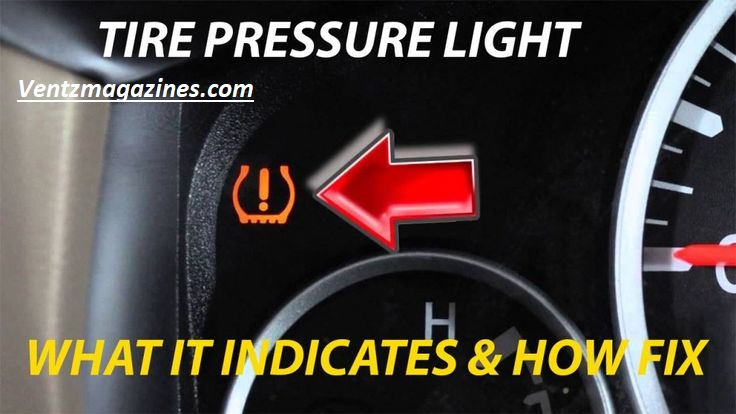
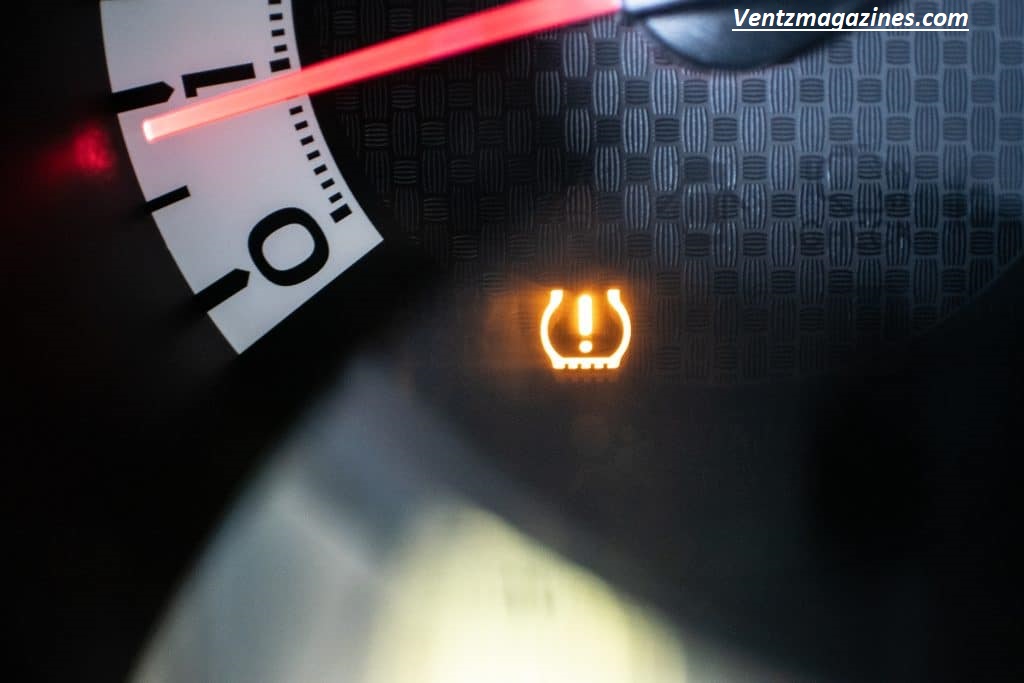
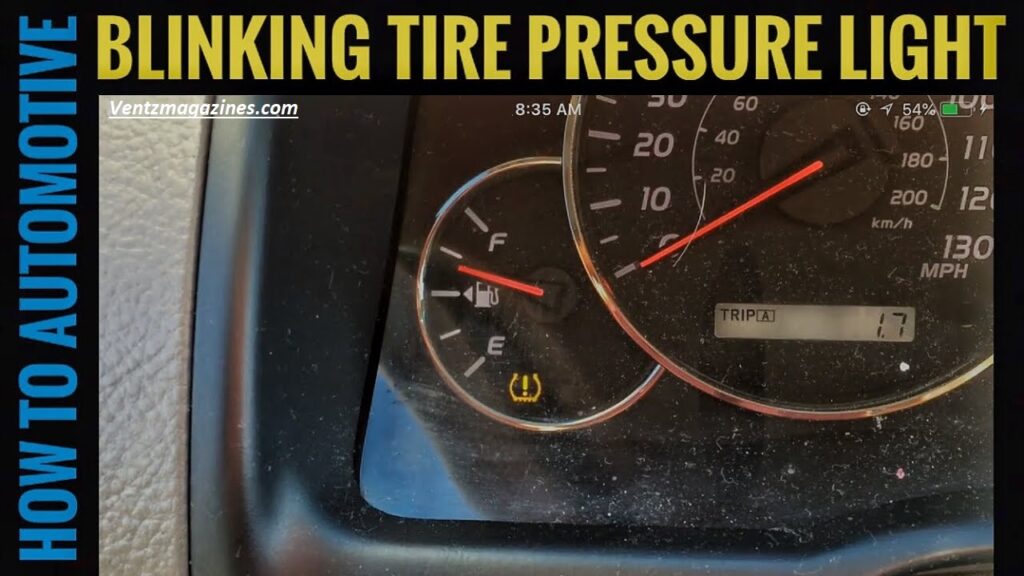
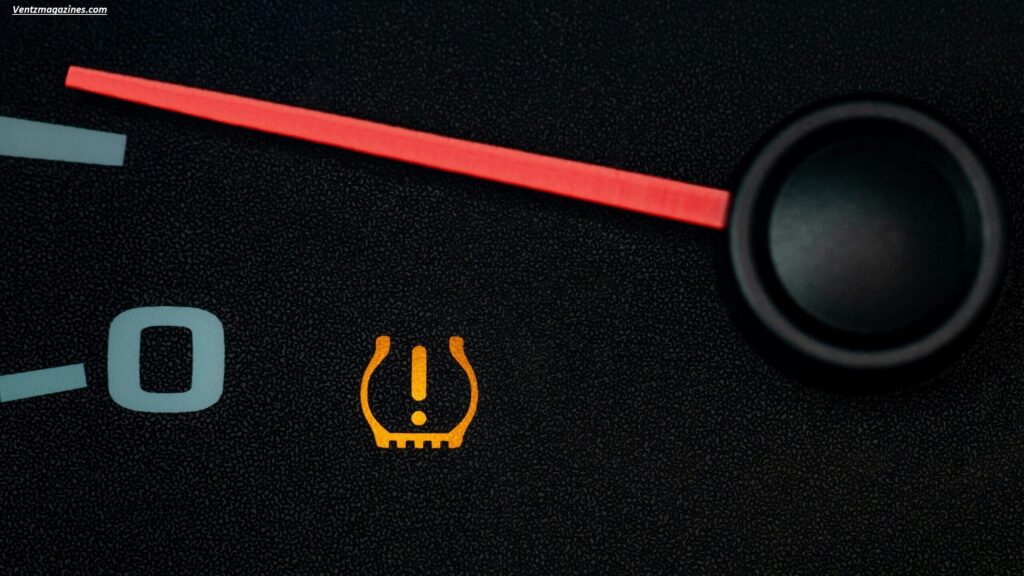
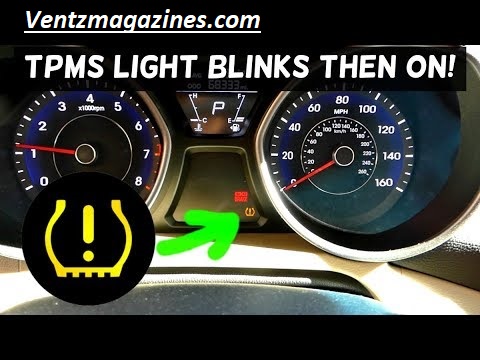
- Appears as a horseshoe-shaped symbol with an exclamation mark on your dashboard
Solid Light vs. Blinking Light
This is very important to understand:
| Light Behavior | Meaning |
|---|---|
| Solid/Steady Light | One or more tires have low pressure |
| Blinking for 60–90 seconds then stays solid | TPMS sensor malfunction or system error |
| Continuously blinking | Serious TPMS system fault needing immediate attention |
Main Reasons Why Your TPMS Light Is Blinking
TPMS Sensor Malfunction
The most common reason for a blinking TPMS light is a faulty or failing sensor. This can happen because:
- The sensor battery has died (sensors last about 5 to 10 years)
- The sensor was damaged by road debris or impact
- The sensor was not properly reset after a tire rotation or replacement
- Water or corrosion has damaged the sensor
Solution: Visit a mechanic or tire shop to have the sensor tested and replaced if necessary.
Cold Weather and Temperature Changes
Tire pressure is highly sensitive to temperature changes. When the temperature drops:
- Tire pressure decreases by approximately 1 PSI for every 10°F drop in temperature
- Cold mornings can trigger the TPMS light to blink
- The light may turn off once tires warm up from driving
Solution: Check and inflate your tires to the recommended PSI during cold weather. The recommended PSI is usually found on a sticker inside your driver’s side door.
Dead TPMS Sensor Battery
Each tire has its own TPMS sensor with a battery inside. When the battery dies:
- The sensor can no longer communicate with the car’s computer
- The TPMS light will blink to signal a system fault
- Sensor batteries typically last 5 to 10 years
Solution: Replace the dead sensor. This usually costs between $50 to $150 per sensor depending on your vehicle.
Tires Were Recently Rotated or Replaced
After a tire rotation, replacement, or change, the TPMS sensors may need to be:
- Reprogrammed or reset to communicate with the vehicle
- Repositioned in the system to match the correct tire location
If this reset was not done properly, the TPMS light will blink.
Solution: Return to the tire shop and ask them to reset and reprogram the TPMS sensors.
Signal Interference
TPMS sensors communicate wirelessly with your car’s computer. In rare cases:
- Radio frequency interference from nearby devices can disrupt the signal
- This can cause the light to blink temporarily
- The issue usually resolves on its own
Solution: If the light continues blinking after driving for a while, have the system checked.
Damaged or Corroded Valve Stem
The valve stem is the small component where you add air to your tire. If it is:
- Cracked or corroded
- Leaking air slowly
- Damaged from road debris
…it can cause pressure loss and trigger the TPMS light to blink.
Solution: Have the valve stem inspected and replaced if necessary. This is usually a very affordable fix.
Spare Tire Without a TPMS Sensor
Some vehicles monitor the spare tire as well. If your spare:
- Does not have a TPMS sensor installed
- Has a sensor with a dead battery
- Was recently put into use
…the system may blink to alert you of a missing signal.
Solution: Check if your spare tire is equipped with a sensor or consult your vehicle manual.
Recommended Tire Pressure Guide
| Vehicle Type | Recommended PSI |
|---|---|
| Passenger Cars | 32 to 35 PSI |
| SUVs and Trucks | 35 to 45 PSI |
| Sports Cars | 30 to 35 PSI |
| Minivans | 35 to 40 PSI |
Always check your owner’s manual or door sticker for the exact recommended PSI for your specific vehicle.
How to Reset Your TPMS Light
Here are the general steps to reset the TPMS light:
- Step 1: Inflate all tires to the recommended PSI
- Step 2: Drive at 50 mph or above for about 10 minutes to allow sensors to reset automatically
- Step 3: Use the TPMS reset button (usually found under the steering wheel) if your vehicle has one
- Step 4: Turn the ignition on and off three times while the car is off
- Step 5: If the light persists, visit a mechanic for a professional diagnostic scan
When Should You Be Concerned?
Take the blinking TPMS light seriously if:
- The light does not stop blinking after inflating tires
- You notice your car pulling to one side while driving
- You hear a hissing sound near your tires
- Your vehicle feels unstable or wobbly at highway speeds
- The light blinks every time you start the car
Cost of TPMS Repairs
| Repair Type | Estimated Cost |
|---|---|
| TPMS sensor replacement | $50 to $150 per sensor |
| TPMS sensor battery | $20 to $50 |
| Valve stem replacement | $10 to $30 |
| TPMS system reset | $50 to $100 |
| Full TPMS system replacement | $200 to $600 |
What Does a Blinking Tire Pressure Light Mean?
Your tire pressure light blinking isn’t the same as a solid warning; it’s a signal that something is wrong with the TPMS (Tire Pressure Monitoring System) itself.
Most modern cars use sensors inside each tire that constantly monitor PSI (pounds per square inch).
When the system detects something irregular — like communication errors, sensor malfunctions, or system faults — the tire pressure light will blink before it stays on solid.
A blinking TPMS light signals the system is warning you that it can’t trust the data it’s getting.
This could be due to damaged sensors, temperature extremes, or internal wiring issues. It’s more than just a low PSI alert — it’s a system alert meaning you should not ignore it.
Blinking vs Solid Tire Pressure Light
It’s important to know the difference:
- Blinking Tire Pressure Light
This usually signals a TPMS system fault — the sensors are not communicating properly with the car’s computer. Sometimes the light blinks for about a minute then goes solid. - Solid Tire Pressure Light
This is a direct low pressure warning — one or more tires are under-inflated. This can happen from a slow leak, seasonal cool-down, or nail puncture.
Comparing tire pressure light flashing vs solid helps you understand whether the issue is with the TPMS sensor not reading tire pressure correctly or just a case of low PSI.
5 Dangerous Reasons Your Tire Pressure Light Is Blinking
When your TPMS light is blinking then stays on, it’s signaling a potentially dangerous situation. These aren’t random errors — they’re warnings that something needs attention.
Below are the 5 most common and dangerous reasons your tire pressure warning light is blinking.
Low Tire Pressure
Low tire pressure is a frequent cause of a blinking tire pressure light — but it’s more serious than simply adding air. Tire pressure can drop for many reasons:
- Slow leak from a nail, screw, or other road debris
- Leaky valve stems
- Seasonal temperature drops causing PSI to fall
- Poor tire condition or bead leaks
When tire pressure drops, sensors may struggle to communicate accurate data, triggering the blinking. Low tire pressure affects handling, braking distance, and fuel economy, making this one serious safety issue.
Faulty TPMS Sensor
Each tire has a sensor that sends pressure readings to your car’s computer. If a sensor is damaged — by a bent rim, improper installation, corrosion, or impact — the TPMS light can blink.
A faulty TPMS sensor means your vehicle cannot reliably read tire pressure.
Sometimes the sensor still sends signals, but they are erratic — causing the light to blink. A mechanic can test sensor output to determine if one needs replacement.
Dead Sensor Battery
TPMS sensors have small internal batteries that last around 5–10 years. Once the battery dies, the sensor can no longer transmit accurate data.
A weak or dead sensor battery is one of the most common reasons your tire pressure light blinks.
It’s worth noting that unlike your car battery, TPMS batteries cannot be replaced — the whole sensor must be swapped out. If your vehicle is older and the blinking light only started recently, this could be the culprit.
Temperature Changes
Extreme temperature fluctuations can affect tire pressure dramatically. For every 10°F (6°C) drop in temperature, tire pressure can fall by about 1–2 PSI.
When temperatures swing suddenly — like early morning cold or winter season changes — sensors may misreport or struggle to adjust to rapidly changing PSI.
If the TPMS light blinks during temperature changes and then goes solid or disappears after driving, it’s a sign your system is compensating, but you should still check all tire pressures manually.
System Malfunction
Sometimes the issue isn’t the tire or sensor — it’s the TPMS system itself. Wiring problems, module communication failures, or software glitches can cause the blinking light.
System malfunctions may occur after:
- Battery disconnection
- Electrical surge
- After tire rotation or replacement
- Faulty TPMS module
In these cases, a diagnostic scan tool is needed to read error codes and reset or reprogram the system.
Is It Safe to Drive With a Blinking Tire Pressure Light?
Short answer: Only for short distances and with caution.
A blinking tire pressure light means the TPMS system is not reliably reading tire pressure. That does not necessarily mean your tires are at safe PSI — it could be a system issue or low PSI you don’t even know about.
Here’s what you should do:
- Pull over safely when you notice the blinking light.
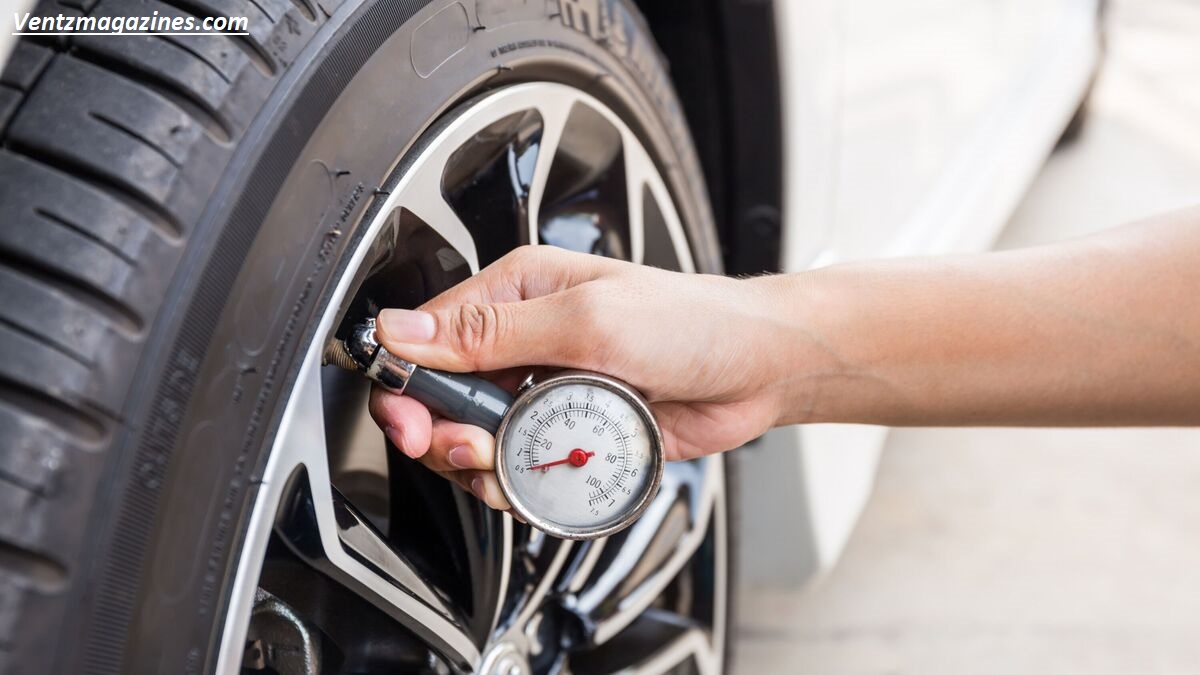
- Check tire pressure manually with a reliable gauge.
- Inspect tires for visible damage, nails, or bubbles.
- Add air to bring tires to the recommended PSI.
If the lights blink even after pressure is correct, it’s likely a sensor or system issue. Driving for long distances with unreliable tire pressure data is risky because:
- Underinflated tires can overheat
- Your risk of blowouts increases
- Handling and braking performance degrade
- Fuel economy worsens
If all tires are at safe pressure but the light still blinks, plan to visit a professional as soon as possible.
How to Fix a Blinking Tire Pressure Light
Here’s a simple step-by-step approach to address a blinking tire pressure light:
Check All Tires
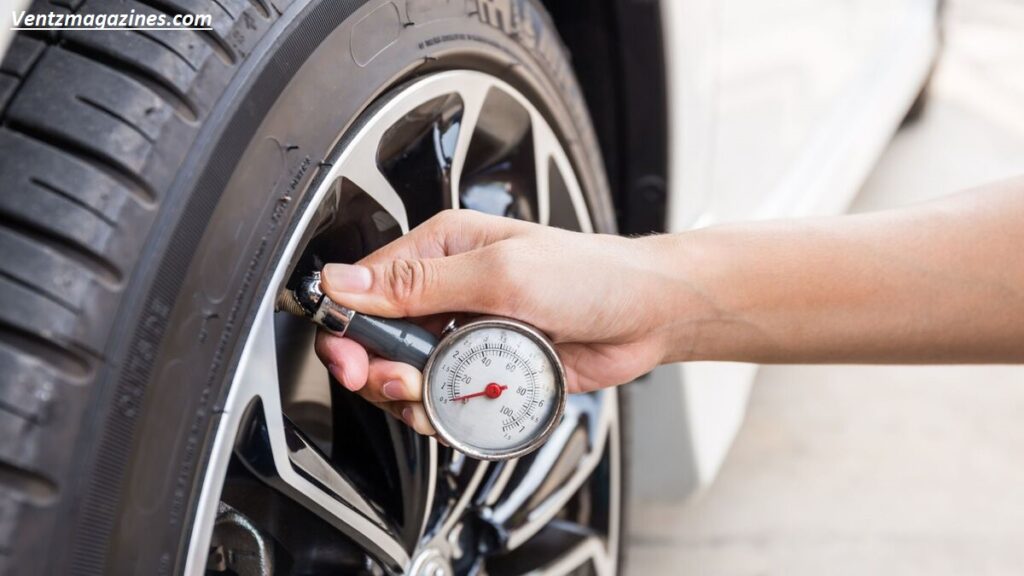
Use a quality pressure gauge to check all four tires (including the spare if applicable). Compare measured PSI to the vehicle’s recommended PSI — usually found on the driver’s door jamb.
Inflate or Deflate
Add air if underinflated. Let some air out if overinflated. Extreme pressure variations confuse the TPMS.
Drive a Short Distance
Some systems need a few minutes of driving to stabilize sensor readings. If the light goes off, the issue may have been temporary.
Inspect for Damage
Look for nails, cracks, and uneven wear. Sidewall bubbles indicate tire failure and require immediate replacement.
Relearn TPMS
After tire rotation or replacement, the TPMS needs to be relearned or reset so the computer assigns correct sensor IDs to each wheel.
Sensor Replacement
If a sensor is damaged or its battery is dead, a replacement is necessary. A shop can program new sensors to your vehicle.
System Diagnose
If nothing works, have a mechanic run a TPMS diagnostic scan. They can pinpoint communication issues or module faults.
How to Reset TPMS
Resetting the TPMS varies by vehicle — here’s a general approach that works on many cars. Always consult your owner’s manual for exact steps.
Method 1: Drive at Highway Speeds
Some cars automatically reset the TPMS after driving at 50–60 mph for about 10–15 minutes.
Method 2: Manual Reset Button
Many vehicles have a TPMS reset button — often near the steering column or under the dash:
- Turn ignition to “On” (don’t start engine)
- Press and hold the reset button until the light blinks
- Start car and wait up to 20 minutes
Method 3: Relearn Using OBD Tool
Professional OBD-II scanners can initiate TPMS relearn procedures and program new sensors.
Method 4: Tire Shop Reset
Tire professionals have TPMS tools that manually trigger sensors and sync them to the vehicle’s system.
Tip: A reset should only be done after fixing the real issue — like proper tire pressure or sensor replacement.
FAQs
Why does my tire pressure light blink then stay on?
It often means the system had a fault, then detected a low-pressure issue.
Can cold weather make TPMS blink?
Yes — temperature changes affect PSI and can trigger blinking.
How long do TPMS sensors last?
Around 5–10 years, depending on battery life and mileage
Can I drive if the TPMS light is blinking?
Only for short distances. Check pressure manually and fix ASAP.
Will resetting TPMS fix blinking?
Only if the underlying issue (pressure or sensor) has been resolved.
Conclusion
A blinking tire pressure light is more than just a dashboard quirk — it’s a warning that something is seriously wrong.
Whether it’s low tire pressure, a faulty TPMS sensor, dead sensor battery, temperature fluctuations, or a system malfunction, ignoring this signal could put you and others at risk.
We covered everything from the difference between tire pressure light flashing vs solid to step-by-step solutions and how to reset TPMS correctly.
Most importantly, don’t assume blinking means “no big deal” — it’s your car begging for attention.Your car’s safety systems are there for a reason — listen to them, and you’ll stay safe on the road.