
Why Are My Dogs Eyes Red? Red eyes in dogs are a common symptom that can indicate a variety of underlying issues, ranging from minor irritations to serious medical conditions.
One of the most frequent causes is allergies, which can make your dog’s eyes appear red, watery, and itchy. Environmental irritants like dust, pollen, or smoke often trigger this reaction.
Another common cause is conjunctivitis, an inflammation of the eye’s lining, which can be bacterial, viral, or due to foreign objects.
Dogs with conjunctivitis may squint, blink frequently, or have discharge from the eyes.
Dry eye, medically called keratoconjunctivitis sicca, occurs when the eyes don’t produce enough tears, leading to redness, irritation, and thick discharge.
More serious conditions include glaucoma, which increases eye pressure and can lead to blindness if untreated, and uveitis, an inflammation of the inner eye structures causing pain and cloudiness.
Injuries, like scratches to the cornea or trauma, can also result in red, swollen eyes.
Table of Contents
Quick Table
| Cause | Severity | Common Symptoms | Action Needed |
|---|---|---|---|
| Allergies | Mild–Moderate | Itchy eyes, redness | Clean eyes, monitor |
| Eye Infection | Moderate | Eye discharge, swelling | Vet visit recommended |
| Injury/Trauma | Moderate–Severe | Squinting, pain | Immediate care |
| Glaucoma | Severe | High eye pressure, vision loss | Emergency vet |
| Dry Eye | Chronic | Low tear production | Ongoing treatment |
| Foreign Object | Mild–Moderate | Irritation, blinking | Remove carefully |
| Corneal Ulcer | Severe | Damaged cornea, pain | Urgent vet care |
Quick Answer
If you’re wondering why are my dogs eyes red, it’s usually caused by inflammation, irritation, or infection affecting the eye. Common reasons include allergies, conjunctivitis in dogs, injury, or even serious conditions like glaucoma.
Some cases are mild, but others can lead to vision loss if ignored. Always monitor symptoms closely.
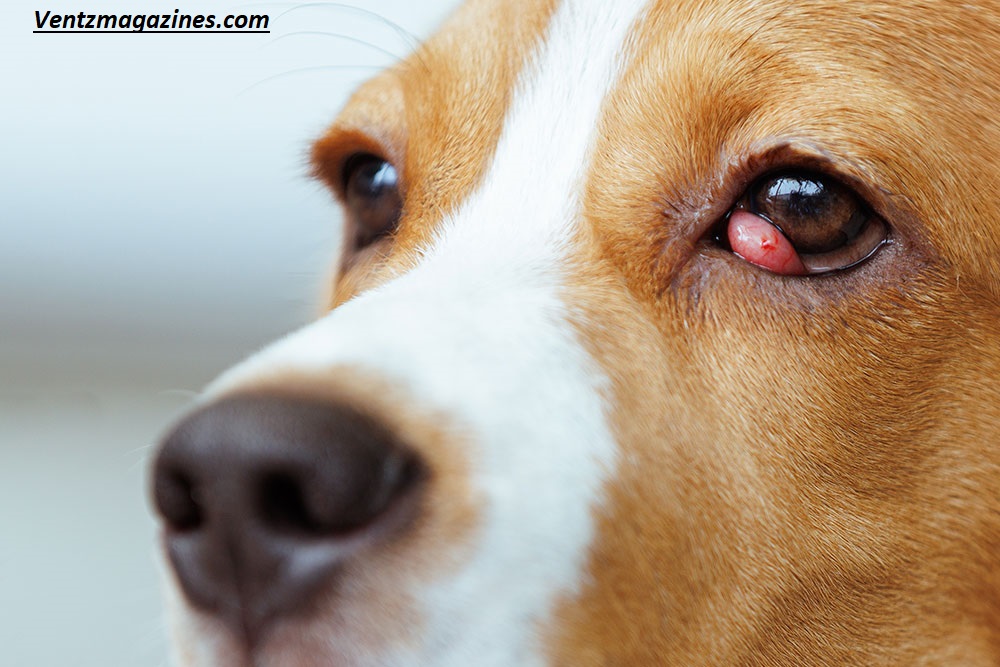
7 Shocking Reasons
Red eyes in dogs can be harmless—or a warning sign of something serious.
From simple dog eye allergies to dangerous increases in eye pressure, understanding the root cause is critical.
Below are the most common and surprising causes every dog owner should know.
Allergies
Dog eye allergies are one of the most common causes of red eyes in dogs.
Environmental triggers like pollen, dust, or smoke can lead to inflammation and itchy eyes dog owners often notice. Allergies affect tear production, making eyes appear watery and irritated.
You may also see a swollen dog eye or frequent blinking. While mild allergies can improve with cleaning, persistent symptoms may require veterinary care.
Ignoring allergic reactions can worsen discomfort and lead to secondary dog eye infection.
Eye Infection
A dog eye infection, including conjunctivitis in dogs, causes redness, swelling, and noticeable eye discharge dog owners should not ignore. This condition often results from bacteria, viruses, or irritants.
Infections trigger inflammation and affect the cornea, making eyes sensitive and painful. Symptoms include sticky discharge, squinting, and odor.
Without proper diagnosis, infections can become a chronic condition. Treatment options typically include medicated drops and antibiotics prescribed through veterinary care.
Injury or Trauma
Dogs can easily injure their eyes while playing, running, or exploring. Even a small scratch on the cornea can cause severe dog eye irritation and redness.
Trauma often leads to excessive tearing, squinting, and visible pain. In some cases, internal damage can increase eye pressure, risking long-term complications.
Immediate veterinary care is essential to prevent infection or permanent vision loss. Always take eye injuries seriously, even if symptoms seem mild at first.
Glaucoma
Glaucoma is a serious condition caused by increased eye pressure inside the eye. This pressure damages the optic nerve and can lead to irreversible vision loss.
Dogs with glaucoma often have red, cloudy eyes along with severe pain. This is not just dog eye irritation—it’s a medical emergency requiring urgent veterinary care.
Early diagnosis is crucial to protect your dog’s eyesight. Without treatment, glaucoma can quickly become a life-altering chronic condition.
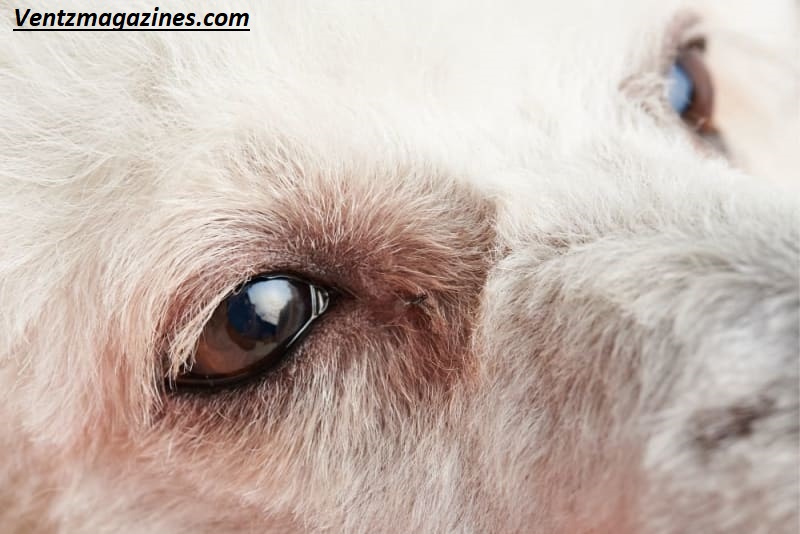
Dry Eye Condition
Dry eye, also known as reduced tear production, leads to irritation and redness. Without enough moisture, the eye becomes inflamed and prone to dog eye infection.
Dogs with this condition often have thick discharge and dull-looking eyes. Over time, untreated dry eye can damage the cornea and affect vision.
This is a chronic condition that requires long-term treatment options, including medicated drops and regular veterinary care.
Foreign Object
Dust, grass, or debris can get trapped in your dog’s eye, causing immediate dog eye irritation. This leads to redness, blinking, and pawing at the eye.
A foreign object can also scratch the cornea, leading to more serious complications. You might notice sudden eye discharge dog symptoms or a swollen dog eye.
While minor particles may flush out naturally, persistent irritation requires veterinary care to avoid infection.
Corneal Ulcer
A corneal ulcer is a painful wound on the cornea that causes redness and sensitivity. It often develops from untreated injuries or infections. Symptoms include squinting, tearing, and severe dog eye irritation.
This condition can worsen quickly, leading to permanent vision loss if ignored. Proper diagnosis and immediate treatment options are essential.
Most cases require prescription medication and close monitoring under veterinary care.
Symptoms You Should Never Ignore
Recognizing early symptoms can save your dog’s vision and prevent serious complications. While mild redness may seem harmless, certain warning signs indicate a deeper problem.
- Swelling: A swollen dog eye often signals infection, injury, or allergic reaction. Swelling combined with redness suggests significant inflammation that needs attention.
- Discharge: Any unusual eye discharge dog owners notice—yellow, green, or thick mucus—points to a dog eye infection or conjunctivitis in dogs.
- Squinting: Frequent squinting indicates pain or sensitivity, often linked to cornea damage or high eye pressure.
- Pawing: Dogs paw at their eyes when experiencing discomfort or itchy eyes dog behavior caused by irritation or foreign objects.
Other signs include excessive tearing, cloudiness, and behavioral changes. These symptoms can indicate anything from mild dog eye allergies to serious conditions like glaucoma.
Early diagnosis and proper treatment options are essential to prevent complications such as vision loss.
When to See a Vet
Knowing when to seek veterinary care is crucial. While mild dog eye irritation may resolve on its own, certain situations require immediate attention.
Visit a vet if:
- Redness lasts more than 24–48 hours
- There is significant eye discharge dog symptoms
- Your dog shows signs of pain or squinting
- You notice a swollen dog eye
- Vision appears affected
Serious conditions like glaucoma, corneal ulcers, and advanced dog eye infection need urgent diagnosis. Delaying treatment can lead to permanent vision loss or turn a temporary issue into a chronic condition.
A veterinarian will evaluate eye pressure, examine the cornea, and recommend the best treatment options.
How to Treat Red Eyes in Dogs
Treatment depends on the underlying cause of red eyes in dogs. Proper diagnosis ensures effective care.
Home Care
- Gently clean eyes with a damp cloth
- Remove visible debris carefully
- Avoid using human medications
- Monitor symptoms closely
Vet Treatments
- Antibiotics for dog eye infection
- Anti-inflammatory drops to reduce inflammation
- Medications to control eye pressure (glaucoma)
- Artificial tears for dry eye
Professional veterinary care provides targeted treatment options that prevent complications and restore comfort.
Prevention Tips
Preventing dog eye irritation is easier than treating it:
- Keep your dog’s face clean
- Avoid dusty environments
- Trim hair around the eyes
- Schedule regular veterinary care checkups
- Watch for early symptoms
Good hygiene and early action can reduce the risk of infections, allergies, and long-term chronic condition issues.
FAQs
Why are my dog’s eyes red suddenly?
Sudden redness may be caused by irritation, allergies, or a foreign object.
Is red eye in dogs serious?
Sometimes. It can range from mild irritation to serious conditions like glaucoma.
Can allergies cause red eyes in dogs?
Yes, dog eye allergies are a very common cause.
What does eye discharge mean?
It often indicates a dog eye infection or conjunctivitis in dogs.
Can red eyes go away on their own?
Mild cases may, but persistent symptoms need veterinary care.
Conclusion
Red eyes in dogs are more than just a cosmetic issue—they’re often a sign of underlying problems ranging from mild dog eye irritation to serious conditions like glaucoma or corneal ulcers.
Understanding the causes, recognizing early symptoms, and seeking timely veterinary care can make all the difference.
Whether it’s allergies, infection, or injury, each condition affects the eye differently, impacting tear production, eye pressure, and overall health of the cornea.
The key is not to ignore the warning signs. Even something as simple as itchy eyes dog behavior or minor redness can escalate into a more serious issue if left untreated.
Early diagnosis opens the door to effective treatment options, preventing complications like vision loss or long-term chronic condition problems.
By staying informed and proactive, you can protect your dog’s eye health and ensure they live a comfortable, happy life.