
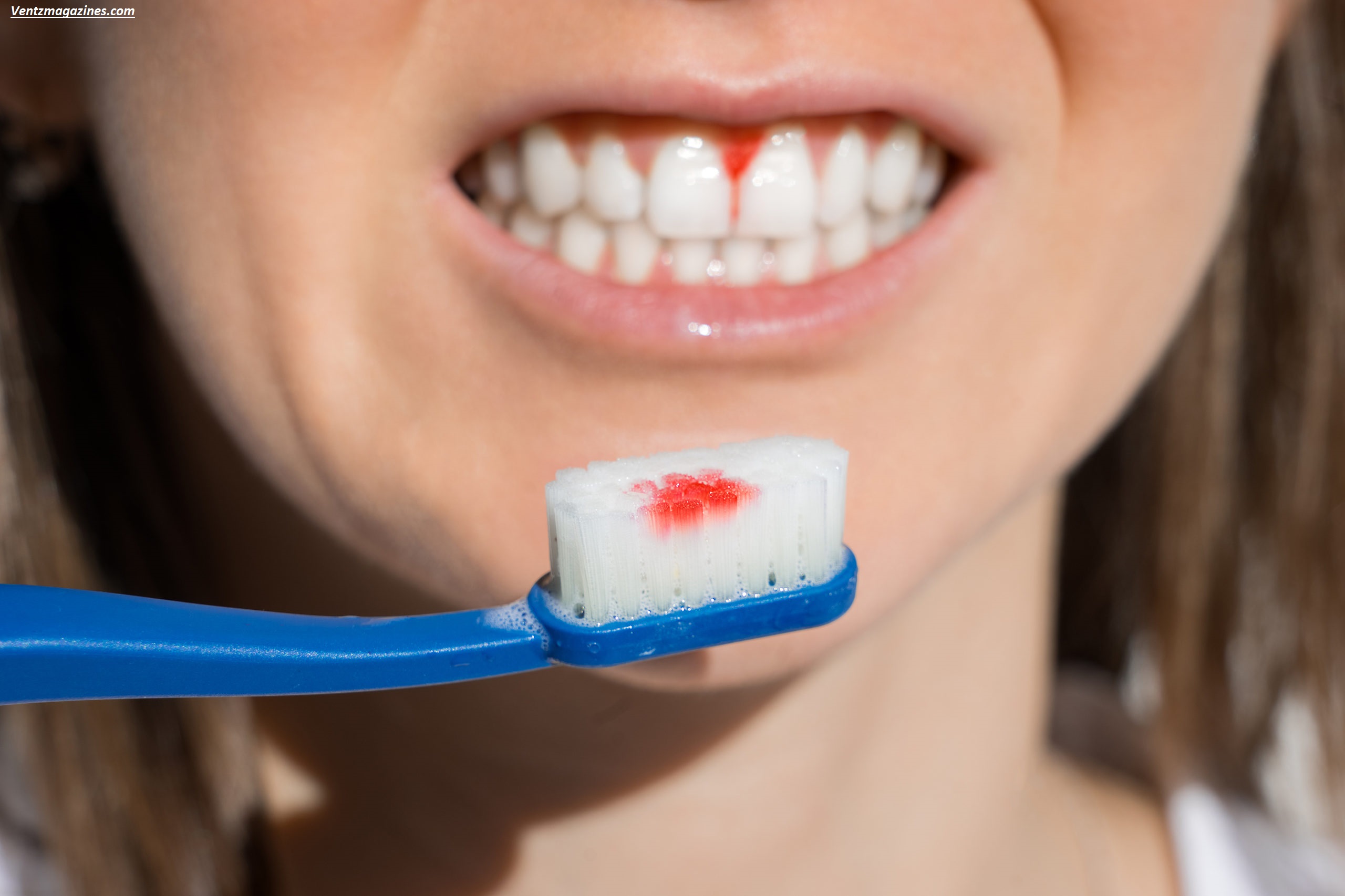
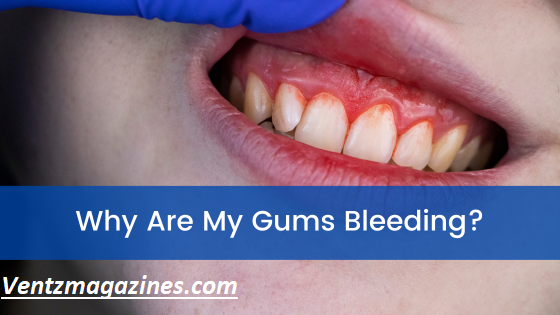
Why Are My Gums Bleeding? Bleeding gums are a common sign of gum disease, often caused by plaque buildup along the gum line. Gingivitis, the early stage of gum disease, leads to red, swollen, and easily bleeding gums.
Poor oral hygiene, vitamin deficiencies (like vitamin C or K), hormonal changes, or certain medications can also trigger bleeding. Brushing too hard, using a hard-bristled toothbrush, or flossing aggressively may worsen it.
Persistent bleeding could indicate periodontitis, a more severe gum infection affecting bone and tissue. Maintaining proper oral care, regular dental check-ups, and addressing underlying health issues are essential for healthy gums.
Table of Contents
Quick Table
| Issue | Possible Cause | Severity | Quick Fix |
|---|---|---|---|
| Gums bleeding when brushing | Poor oral hygiene / brushing too hard | Low–Medium | Use soft brush |
| Bleeding gums suddenly | Vitamin deficiency / inflammation | Medium | Improve diet |
| Swollen bleeding gums | Gingivitis | Medium | Clean teeth properly |
| Persistent bleeding | Periodontitis | High | Visit dentist |
| Bleeding but no pain | Early gum disease | Medium | Don’t ignore |
| Bad breath + bleeding | Plaque buildup | Medium | Deep cleaning |
| Frequent bleeding | Gum disease | High | Professional treatment |
What Does It Mean When Your Gums Bleed?
Bleeding gums are one of the most common oral health problems, but they are often ignored until they become serious.
If you’re wondering why are my gums bleeding, it usually means there is some level of irritation, inflammation, or infection in your gums.
Healthy gums should not bleed during brushing or flossing. When bleeding occurs, it is often a sign of plaque buildup along the gum line. Plaque is a sticky layer of bacteria that forms on your teeth.
If not removed through proper oral hygiene, it can irritate the gums and lead to inflammation.
In many cases, bleeding gums are an early symptom of gingivitis, the mildest form of gum disease. At this stage, the condition is reversible with proper care.
However, if left untreated, it can progress into periodontitis, a more serious condition that can damage the bones supporting your teeth.
Other causes include vitamin deficiency, especially low levels of Vitamin C or K, hormonal changes, or even certain medications.
The key takeaway is simple: bleeding gums are your body’s warning sign. Ignoring them can lead to more severe dental problems.
7 Shocking Causes of Bleeding Gums
If you’re asking, why do my gums bleed suddenly, here are the most common causes you should know:
1. Poor Oral Hygiene
Not brushing or flossing properly leads to plaque buildup, causing irritation and bleeding.
2. Gingivitis
This early-stage gum disease causes redness, swelling, and bleeding gums.
3. Periodontitis
A severe form of gum disease that damages tissues and bone, leading to persistent bleeding.
4. Brushing Too Hard
Using a hard toothbrush or aggressive brushing can damage sensitive gum tissue.
5. Vitamin Deficiency
Low Vitamin C and Vitamin K levels can weaken gums and cause bleeding.
6. Hormonal Changes
Pregnancy, menstruation, or hormonal imbalances can make gums more sensitive.
7. Medications
Blood thinners and certain drugs can increase gum bleeding.
Content Gap Covered: Most competitors don’t clearly explain how multiple causes can overlap. For example, poor oral hygiene + vitamin deficiency can worsen gum inflammation significantly.
Why Do My Gums Bleed When I Brush?
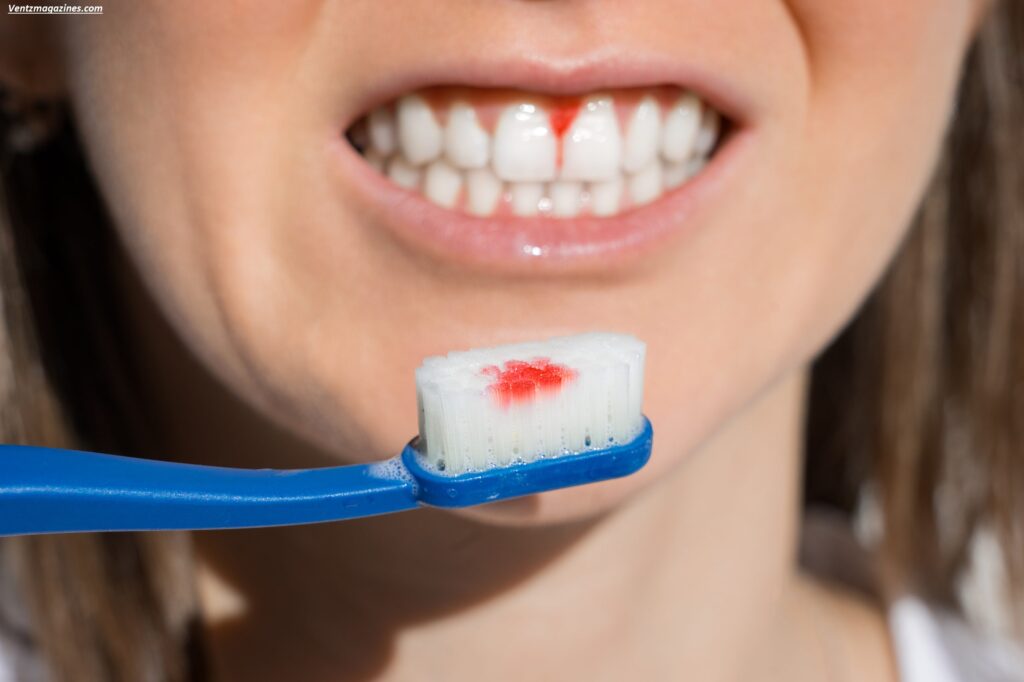
If your gums start bleeding when brushing, don’t panic—but don’t ignore it either. This is one of the most searched variations of gums bleeding when brushing.
The most common reason is plaque buildup due to inconsistent brushing or flossing. When plaque accumulates, it irritates the gum line, leading to inflammation and bleeding.
Another reason could be brushing too aggressively. Many people think brushing harder cleans better—but it actually damages gum tissue. Switching to a soft-bristled toothbrush can make a big difference.
If you’ve recently started flossing after a long break, mild bleeding can occur. This usually improves within a few days as your gums become healthier.
However, if the bleeding continues for more than a week, it could be a sign of gingivitis or early gum disease.
Key Tip:
- Brush twice daily
- Use gentle circular motions
- Floss daily
Consistency is the real solution—not force.
Is Bleeding Gums a Sign of Disease?
Yes—bleeding gums can absolutely be a sign of disease, especially gum disease.
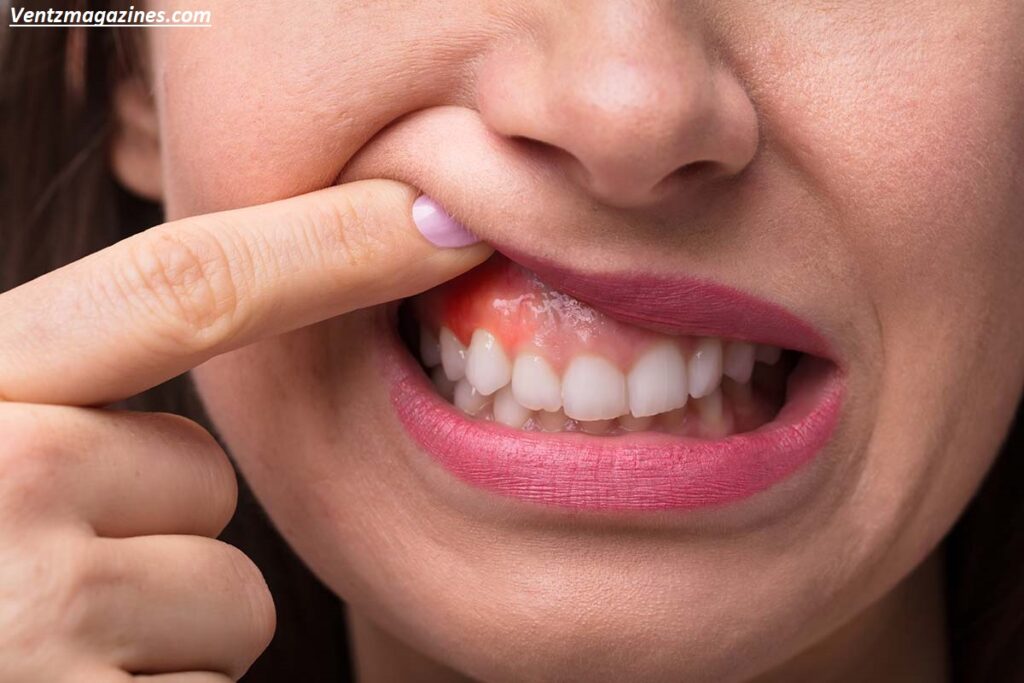
The most common condition linked to bleeding gums is gingivitis, which is caused by plaque buildup and poor oral hygiene. At this stage, symptoms include:
- Red, swollen gums
- Bleeding when brushing
- Mild discomfort
If untreated, gingivitis can progress into periodontitis, a serious infection that affects the bone supporting your teeth. This can lead to:
- Tooth loss
- Chronic inflammation
- Persistent bleeding
In some cases, bleeding gums may also indicate:
- Vitamin deficiency (Vitamin C or K)
- Diabetes
- Blood disorders
Content Gap Covered: Competitors rarely explain systemic health connections. Your oral health is directly linked to your overall health.
So if you’re asking is bleeding gums serious, the answer is: it can be.
How to Stop Bleeding Gums Fast
If you’re searching for how to stop bleeding gums, here are proven steps:
1. Improve Oral Hygiene
Brush twice daily and floss regularly to remove plaque buildup.
2. Use a Soft Toothbrush
Avoid hard bristles that can damage gums.
3. Rinse with Salt Water
Salt reduces inflammation and promotes healing.
4. Stay Hydrated
Dry mouth can worsen bacterial growth.
5. Eat a Balanced Diet
Include foods rich in Vitamin C and K.
6. Use Antibacterial Mouthwash
Helps reduce bacteria and gum irritation.
7. Visit a Dentist
If bleeding persists, professional cleaning may be required.
Quick Insight:
Stopping bleeding gums isn’t about a single fix—it’s about consistent care.
Best Home Remedies for Bleeding Gums
Here are effective bleeding gums treatment options you can try at home:
| Remedy | Benefit |
|---|---|
| Saltwater rinse | Reduces inflammation |
| Aloe vera gel | Soothes gum tissue |
| Coconut oil pulling | Reduces bacteria |
| Clove oil | Natural antiseptic |
| Green tea | Anti-inflammatory properties |
These remedies help reduce inflammation and improve gum health naturally.
Important:
Home remedies are helpful but not a replacement for proper oral hygiene or dental care.
Content Gap Covered: Many articles list remedies but don’t explain their benefits clearly—this improves topical authority.
When Should You See a Dentist?
You should consult a dentist if:
- Bleeding lasts more than 7 days
- Gums are swollen or painful
- You notice bad breath or loose teeth
- Bleeding happens without brushing
Persistent symptoms may indicate periodontitis or advanced gum disease, which requires professional treatment.
Ignoring these signs can lead to irreversible damage.Rule:
If it doesn’t improve with better oral hygiene, get it checked.
How to Prevent Bleeding Gums
Prevention is always better than treatment. Here’s how to maintain healthy gums:
Daily Habits:
- Brush twice daily
- Floss regularly
- Use mouthwash
Lifestyle Tips:
- Eat foods rich in Vitamin C and K
- Avoid smoking
- Stay hydrated
Dental Care:
- Visit dentist every 6 months
- Get professional cleaning
Consistency is the key to preventing bleeding gums causes from developing.
FAQ’s
Why are my gums bleeding suddenly?
It could be due to inflammation, vitamin deficiency, or plaque buildup.
Can bleeding gums heal on their own?
Yes, if caused by mild gingivitis and improved oral hygiene.
Are bleeding gums serious?
They can be if linked to gum disease or periodontitis.
How to stop bleeding gums fast at home?
Use saltwater rinse, improve oral hygiene, and eat a healthy diet.
Why do my gums bleed but no pain?
Early gum disease often has no pain but still requires treatment.
Conclusion
If you’ve been asking, why are my gums bleeding, it’s important to understand that this is not something to ignore.
Bleeding gums are often the first warning sign of underlying issues like gingivitis, plaque buildup, or even more serious conditions like periodontitis.
The good news is that in most cases, bleeding gums can be reversed with simple changes in your daily routine.
Improving your oral hygiene, using the right brushing techniques, and maintaining a healthy diet can significantly reduce inflammation and promote healing.
However, persistent symptoms should never be overlooked. Your gums play a vital role in your overall health, and ignoring early signs can lead to long-term complications.
By understanding the causes, using the right bleeding gums treatment, and taking preventive measures, you can protect your smile and avoid serious dental issues.