

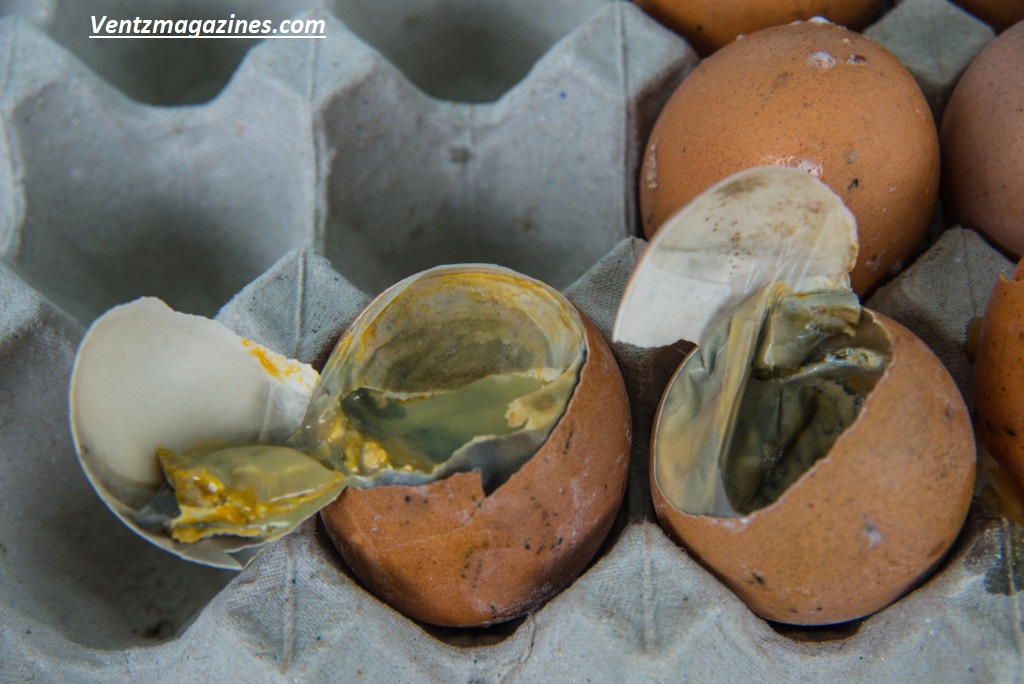
Why Do My Burps Smell Like Rotten Eggs? Many people experience rotten egg burps, also called sulfur burps, and wonder what is causing them.
These unpleasant burps often happen when the digestive system produces hydrogen sulfide gas, a gas that smells similar to rotten eggs.
In many cases, the cause is harmless, such as eating sulfur-rich foods like eggs, broccoli, cabbage, beans, garlic, or onions.
However, frequent sulfur burps can also be linked to indigestion, acid reflux (GERD), gut bacteria imbalance, infections, or gastrointestinal disorders.
Understanding why your burps smell like sulfur can help you identify the root cause and find the right solution.
In this detailed guide, you’ll learn the 9 shocking causes of rotten egg burps, symptoms to watch for, treatment options, home remedies, and foods to avoid.
Table of Contents
Quick Table
| Cause | How It Triggers Rotten Egg Burps | Other Symptoms |
|---|---|---|
| Sulfur-rich foods | Produce hydrogen sulfide gas during digestion | Gas, bloating |
| Indigestion | Food breaks down slowly in stomach | Fullness, discomfort |
| Acid reflux (GERD) | Stomach acid moves upward | Heartburn |
| Food intolerance | Body struggles to digest certain foods | Diarrhea, cramps |
| Bacterial infections | Harmful bacteria create digestive gas | Nausea |
| H. pylori infection | Damages stomach lining | Stomach pain |
| Gut bacteria imbalance | Disrupts digestion and gas production | Bloating |
| Parasite infection | Parasites affect digestion | Diarrhea |
| Digestive disorders | Conditions like IBS or gastritis | Chronic stomach issues |
What Are Rotten Egg Burps?
Rotten egg burps, also known as sulfur burps, are burps that smell strongly like rotten eggs.
This smell usually occurs because of hydrogen sulfide gas, a type of digestive system gas produced when food breaks down in the stomach and intestines.
During digestion, gut bacteria help break down food and release small amounts of gas. Normally, these gases are odorless.
However, when certain foods or digestive issues are involved, the digestive system may produce hydrogen sulfide gas, which has a distinct rotten egg smell.
Eating sulfur-rich foods such as eggs, broccoli, cabbage, beans, garlic, onions, and dairy products can increase sulfur compounds in the digestive tract.
When these foods interact with stomach acid and intestinal bacteria, they may produce sulfur gas that escapes through burping.
Sometimes, rotten egg burps are harmless and temporary.
But if they occur frequently or are accompanied by symptoms like bloating, nausea, diarrhea, stomach pain, or indigestion, they could indicate underlying gastrointestinal disorders such as GERD, gastritis, IBS, lactose intolerance, or infections.
Understanding what causes these burps can help you manage them and improve your digestive health.

Why Do My Burps Smell Like Rotten Eggs?
There are several reasons why your burps might smell like rotten eggs. The main cause is the production of hydrogen sulfide gas during digestion.
This gas forms when sulfur compounds in food interact with gut bacteria in the digestive system.
Certain foods are a common trigger. Eggs, broccoli, cabbage, beans, garlic, onions, and dairy products contain sulfur compounds that can produce sulfur gas during digestion. However, food isn’t the only cause.
Digestive issues such as indigestion, acid reflux (GERD), gastritis, or gastrointestinal disorders can also lead to rotten egg burps.
Infections may also play a role. H. pylori infection, bacterial infections, or parasites like Giardia infection can disrupt the digestive system and cause excessive gas production.
When bacteria break down food improperly, they release hydrogen sulfide gas, which creates the rotten egg smell.
Another common cause is gut bacteria imbalance, where beneficial and harmful bacteria in the digestive tract are not balanced. This imbalance can increase gas production and lead to unpleasant burps.
Although occasional sulfur burps are normal, frequent episodes may signal a digestive problem that needs attention.
Sulfur-Rich Foods
Eating sulfur-rich foods is one of the most common reasons for rotten egg burps.
Foods like eggs, broccoli, cabbage, beans, garlic, onions, and dairy products contain sulfur compounds that break down during digestion.
When these compounds interact with gut bacteria and stomach acid, they produce hydrogen sulfide gas, which smells like rotten eggs.
While these foods are healthy and rich in nutrients, eating large amounts may increase digestive system gas and cause smelly burps.
Some people may be more sensitive to these foods, especially if they have indigestion or gastrointestinal disorders that slow digestion.
Indigestion
Indigestion, also called dyspepsia, can cause food to remain in the stomach longer than usual. When digestion slows down, bacteria break down the food and release intestinal gas, including hydrogen sulfide gas.
This gas can lead to sulfur burps that smell like rotten eggs.
Indigestion often occurs after eating heavy or fatty meals, overeating, or eating too quickly. Symptoms may include bloating, stomach discomfort, nausea, and burping.
Poor digestion can also allow gut bacteria to produce more gas during the breakdown of food, which increases the chances of unpleasant burps.
Acid Reflux
Acid reflux, also known as GERD (gastroesophageal reflux disease), occurs when stomach acid flows back into the esophagus.
This condition can disrupt digestion and increase gas production in the stomach. As a result, some people experience rotten egg burps along with heartburn.
GERD can also slow the digestive process, allowing bacteria more time to break down food and produce hydrogen sulfide gas.
People with acid reflux may also experience chest discomfort, sour taste in the mouth, and frequent burping. Managing GERD with diet changes and medication can often reduce sulfur burps.
Food Intolerance
Food intolerance occurs when the body struggles to digest certain foods properly. Lactose intolerance, for example, happens when the body cannot digest lactose found in dairy products.
This can cause gas, bloating, diarrhea, and rotten egg burps.
Other intolerances, such as gluten sensitivity or celiac disease, may also affect digestion.
When food is not properly broken down, gut bacteria ferment the undigested food, producing hydrogen sulfide gas and intestinal gas. This fermentation process can cause smelly burps and digestive discomfort.
Bacterial Infections
Certain bacterial infections in the digestive system can lead to sulfur burps. Harmful bacteria may disrupt normal digestion and cause excessive gas production.
When these bacteria break down food, they release hydrogen sulfide gas, which creates the rotten egg smell.
Infections can also cause symptoms such as nausea, diarrhea, stomach cramps, and indigestion. Poor hygiene, contaminated food, or unsafe water can sometimes lead to bacterial infections in the digestive tract.
Treating the infection often helps restore balance in the gut bacteria and reduce unpleasant burping.
H. pylori Infection
H. pylori infection is a bacterial infection that affects the stomach lining. This bacterium can damage the stomach and lead to conditions such as gastritis and peptic ulcer disease.
These conditions may disrupt digestion and increase digestive system gas, leading to sulfur burps.
People with H. pylori infection may also experience stomach pain, nausea, bloating, and indigestion.
Because this bacterium affects the stomach’s natural balance, it can increase the production of hydrogen sulfide gas during digestion. Medical treatment is usually required to eliminate the infection.
Gut Bacteria Imbalance
The digestive system contains trillions of gut bacteria that help break down food and support digestion.
However, when this balance is disrupted, harmful bacteria may produce excess intestinal gas, including hydrogen sulfide gas.
This imbalance can occur due to poor diet, antibiotics, stress, or gastrointestinal disorders. When harmful bacteria dominate the digestive system, they can ferment food and create sulfur compounds that lead to rotten egg burps.
Restoring gut health through probiotics, fiber-rich foods, and balanced nutrition can help improve digestion and reduce unpleasant burping.
Parasite Infection
Parasites such as those causing Giardia infection can disrupt the digestive system and cause sulfur burps. These parasites live in the intestines and interfere with normal digestion.
As food breaks down, parasites and bacteria may produce hydrogen sulfide gas, leading to rotten egg burps.
Parasite infections can also cause diarrhea, stomach cramps, fatigue, and nausea. People may become infected through contaminated water or food.
Treating the infection with proper medication can help restore normal digestion and reduce gas production.
Digestive Disorders
Several gastrointestinal disorders can contribute to rotten egg burps. Conditions such as IBS (irritable bowel syndrome), gastritis, peptic ulcer disease, and celiac disease can disrupt the digestive process.
When digestion becomes inefficient, food may remain in the stomach or intestines longer, allowing bacteria to break it down and produce hydrogen sulfide gas. This gas causes the characteristic rotten egg smell during burping.
Digestive disorders may also cause symptoms such as bloating, stomach pain, diarrhea, constipation, and indigestion. Managing these conditions can help reduce sulfur burps.
Symptoms That May Occur With Sulfur Burps
Rotten egg burps often occur along with other digestive symptoms. These symptoms can help identify the underlying cause of the problem.
One of the most common symptoms is bloating, which occurs when excess intestinal gas builds up in the digestive tract. This can make the stomach feel swollen or uncomfortable.
Many people also experience nausea or stomach discomfort, especially if the sulfur burps are caused by indigestion, GERD, or gastritis.
In some cases, sulfur burps may be accompanied by diarrhea, particularly when infections such as Giardia infection or bacterial infection are present.
Other symptoms may include abdominal pain, loss of appetite, acid reflux, and excessive gas.
Individuals with food intolerance, lactose intolerance, or celiac disease may also experience cramps and digestive upset after eating certain foods.
If these symptoms occur frequently or become severe, they may indicate an underlying gastrointestinal disorder.
Persistent symptoms should not be ignored, especially if they include vomiting, fever, severe abdominal pain, or weight loss.
How to Stop Rotten Egg Burps
Stopping rotten egg burps often involves improving digestion and reducing hydrogen sulfide gas production. The first step is identifying potential triggers such as sulfur-rich foods, dairy products, or foods that cause indigestion.
Eating smaller meals and chewing food thoroughly can help improve digestion and reduce gas production. Drinking enough water can also support the digestive process and help move food through the intestines more efficiently.
If acid reflux or GERD is the cause, avoiding spicy or fatty foods and maintaining a healthy weight may reduce symptoms. Over-the-counter medications that reduce stomach acid may also help.
For individuals with food intolerance, eliminating trigger foods such as lactose or gluten can significantly reduce digestive symptoms. Probiotics may help restore the balance of gut bacteria, improving digestion and reducing sulfur gas production.
If infections or digestive disorders are responsible, medical treatment may be necessary. Addressing the root cause is the most effective way to stop sulfur burps.
Home Remedies
Several home remedies may help relieve rotten egg burps and improve digestion. One effective remedy is drinking warm water with lemon, which can stimulate digestion and reduce gas buildup in the stomach.
Ginger tea is another natural remedy that can help reduce indigestion and nausea. Ginger supports the digestive system and helps food move more efficiently through the stomach and intestines.
Peppermint tea may also help relax the digestive tract and reduce intestinal gas. Many people find that peppermint improves digestion and reduces bloating.
Eating probiotic-rich foods such as yogurt or fermented foods may support healthy gut bacteria, which helps regulate digestion and gas production. However, people with lactose intolerance should choose lactose-free probiotic options.
Avoiding overeating and eating slowly can also reduce sulfur burps. Physical activity after meals, such as walking, can stimulate digestion and prevent gas buildup.
These remedies can often provide relief, but persistent symptoms may require medical evaluation.
Foods to Avoid
Certain foods are more likely to cause sulfur burps because they contain high levels of sulfur compounds or are difficult to digest. Limiting these foods may help reduce rotten egg burps.
Sulfur-rich foods are common triggers. These include eggs, broccoli, cabbage, beans, garlic, onions, and dairy products.
Although these foods are healthy, consuming them in large quantities may increase hydrogen sulfide gas production in the digestive system.
Fatty and fried foods can also contribute to indigestion and acid reflux, which may lead to sulfur burps. Spicy foods and carbonated drinks may irritate the stomach and increase gas production.
Individuals with lactose intolerance should avoid dairy products that trigger symptoms. Those with celiac disease should avoid foods containing gluten to prevent digestive problems.
Instead, focus on easily digestible foods such as lean proteins, whole grains, fruits, and vegetables that are lower in sulfur. Eating balanced meals and avoiding trigger foods can significantly reduce unpleasant burps.
When to See a Doctor
Occasional sulfur burps are usually harmless and related to diet. However, frequent or severe symptoms may indicate an underlying health issue that requires medical attention.
You should consider seeing a doctor if rotten egg burps occur regularly or are accompanied by severe abdominal pain, persistent diarrhea, vomiting, fever, or unexplained weight loss.
These symptoms could suggest infections, digestive disorders, or other medical conditions.
Conditions such as GERD, gastritis, peptic ulcer disease, IBS, celiac disease, or H. pylori infection may require medical diagnosis and treatment. Doctors may recommend tests such as blood tests, stool tests, or imaging studies to identify the cause.
If Giardia infection or bacterial infection is suspected, medication may be needed to eliminate the infection. Early diagnosis can prevent complications and improve digestive health.
Seeking medical advice ensures that serious gastrointestinal problems are treated promptly.
FAQs
Why do my burps smell like rotten eggs and diarrhea?
This may be caused by bacterial infections, food poisoning, or parasite infections like Giardia that disrupt digestion.
Are sulfur burps dangerous?
Most of the time they are harmless, but frequent sulfur burps may indicate digestive disorders or infections.
Can GERD cause rotten egg burps?
Yes, acid reflux (GERD) can slow digestion and increase hydrogen sulfide gas production, leading to smelly burps.
How long do sulfur burps last?
They usually disappear within a few hours to a day, depending on the cause.
What foods cause rotten egg burps?
Common triggers include eggs, broccoli, cabbage, beans, garlic, onions, and dairy products.
Conclusion
Rotten egg burps can be unpleasant, but they are usually a sign that something in the digestive process is producing hydrogen sulfide gas.
In many cases, these burps are caused by sulfur-rich foods, indigestion, or temporary digestive system gas buildup.
However, they can also be linked to conditions such as acid reflux (GERD), food intolerance, gut bacteria imbalance, infections, or gastrointestinal disorders.
Understanding the root cause is the key to preventing and managing sulfur burps. Adjusting your diet, avoiding trigger foods, and improving digestion can often reduce symptoms.
Drinking enough water, eating slowly, and including probiotic foods in your diet can support healthy gut bacteria and reduce gas production.
If rotten egg burps occur frequently or are accompanied by severe symptoms such as diarrhea, stomach pain, vomiting, or weight loss, it is important to seek medical advice.
Conditions like H. pylori infection, gastritis, IBS, peptic ulcer disease, or parasite infections may require proper diagnosis and treatment.
By paying attention to your digestive health and identifying possible triggers, you can reduce sulfur burps and maintain a healthier digestive system.