
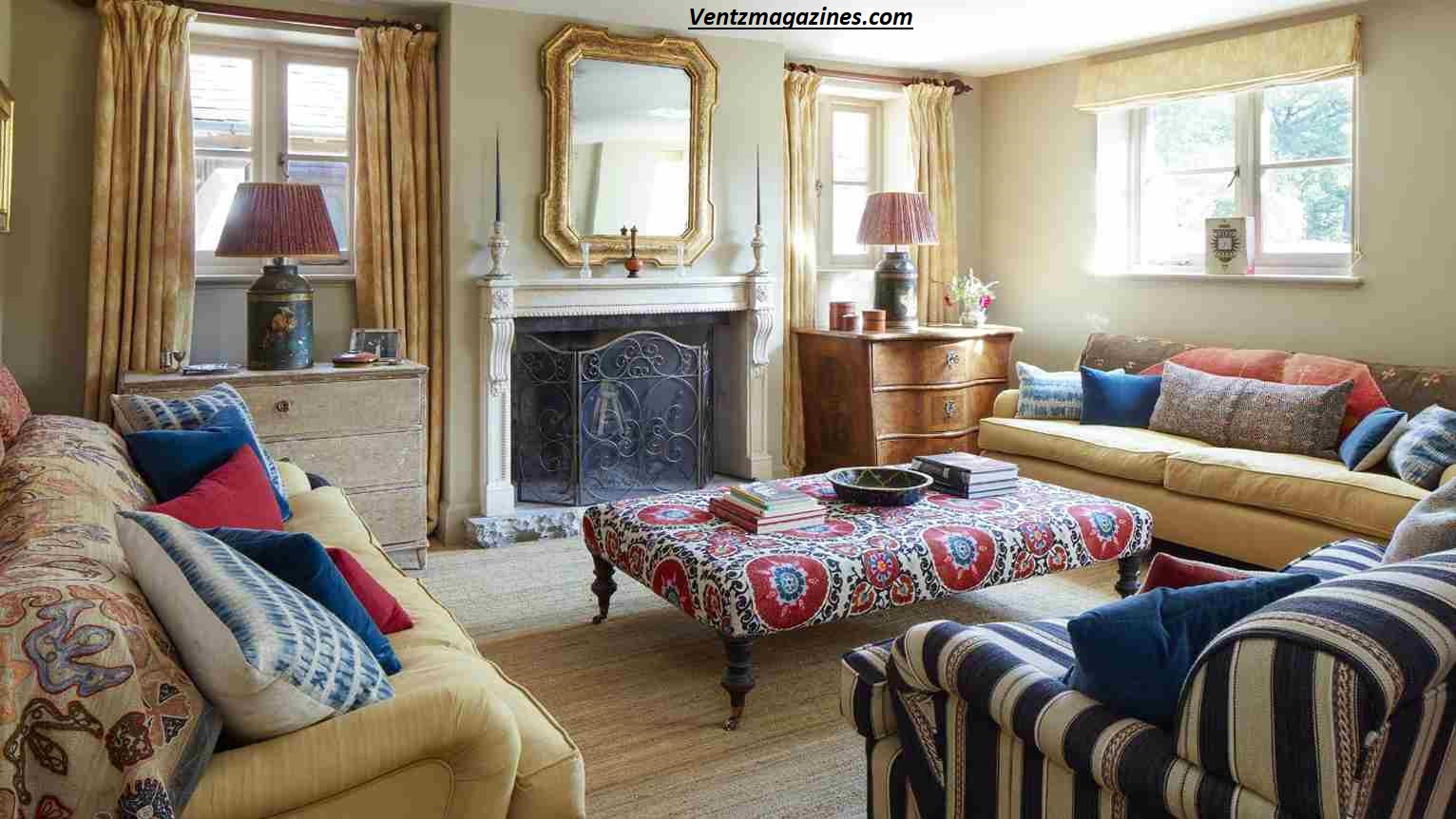
Why Interior Design Is So Interesting MintPalDecor is more than decorating rooms—it is about creating beautiful, functional, and comfortable living spaces that improve everyday life.
From color palette choices to lighting design, every detail influences how people feel and interact with their surroundings.
In this complete MintPalDecor Guide, we will explore why interior design fascinates so many people and how it transforms ordinary houses into inspiring homes.
This guide also covers topics many competitors ignore, such as design psychology, sustainable interior design, smart home design, common design mistakes, and practical tips for beginners.
Whether you love home decor ideas, interior decorating ideas, or modern home design, this article will help you understand why interior design continues to attract millions of people worldwide.
Table of Contents
Quick Table
| Topic | Key Idea | Why It Matters |
|---|---|---|
| Interior Design Basics | Combines creativity and function | Creates comfortable living spaces |
| Design Psychology | Colors, lighting, and layout affect mood | Improves emotional well-being |
| Modern Design Trends | Minimalism, smart homes, sustainability | Keeps spaces modern and practical |
| Common Design Mistakes | Poor lighting, clutter, bad layout | Avoid costly design errors |
| Home Improvement Tips | Furniture arrangement, color balance | Makes homes more beautiful |
What Makes Interior Design So Interesting?
Interior design is interesting because it blends creativity, functionality, and human psychology. It is not simply about placing furniture in a room.
Instead, it involves spatial planning, furniture arrangement, lighting design, and color palette selection to create harmonious interior spaces.
People are naturally attracted to beautiful environments. A well-designed room provides visual harmony, comfort, and inspiration.
When designers combine modern home design principles with practical home improvement ideas, they create spaces that feel both stylish and functional.
Another reason interior design is fascinating is the opportunity for personal expression. Every home tells a story about the people who live there.
Through interior decorating ideas, textures, furniture styles, and decor elements, individuals can showcase their personality and lifestyle.
Interior design also evolves constantly. New design trends, smart home technology, and sustainable interior design practices keep the field dynamic and exciting.
Designers continuously experiment with minimalism, bold colors, innovative lighting, and eco-friendly materials to create modern living environments.
Finally, interior design impacts everyday life. A thoughtfully designed home environment can boost productivity, relaxation, and overall happiness.
This powerful influence on daily living is one of the main reasons why interior design continues to capture the imagination of homeowners, architects, and creative professionals worldwide.
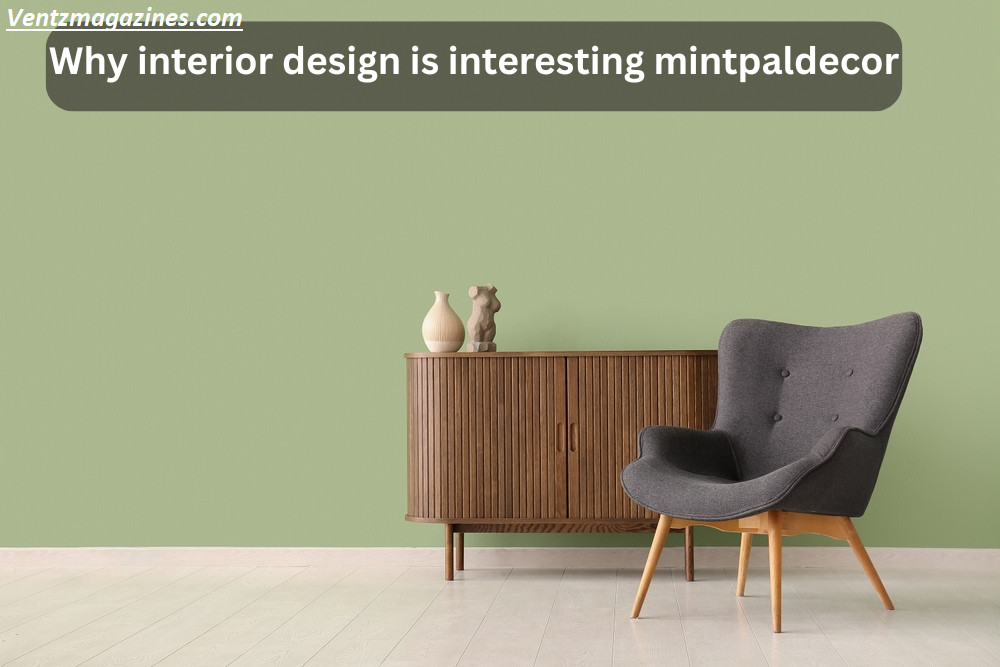
The Psychology Behind Interior Design
One of the most fascinating aspects of interior design is design psychology. The way interior spaces are designed can significantly influence how people think, feel, and behave.
For example, color palettes have strong psychological effects.
Warm colors like red and orange can create energy and excitement, while cool colors such as blue and green promote calmness and relaxation. This is why designers carefully select colors to shape the home environment.
Lighting design also plays a critical role in design psychology. Bright natural lighting often improves mood and productivity, while soft lighting creates a cozy atmosphere perfect for relaxation.
Good lighting design combined with smart furniture arrangement can dramatically improve how a space feels.
Spatial planning also affects emotional comfort. A cluttered room with poor furniture placement can feel stressful, while an organized layout encourages comfortable living and visual harmony.
Designers often use minimalism and balanced layouts to reduce stress and create peaceful spaces.
Interior design also influences productivity and creativity. Many modern offices invest heavily in functional living spaces and smart home design elements to improve employee performance.
Understanding design psychology helps explain why interior design is so interesting.
By combining creativity with psychological insights, designers can create spaces that support both emotional well-being and practical living needs.
How Interior Design Improves Daily Life
Interior design has a powerful impact on everyday life. Well-designed interior spaces improve comfort, productivity, and overall well-being.
First, good interior design creates functional living spaces that make daily activities easier. Smart space planning and furniture arrangement ensure that rooms are organized and easy to use.
Kitchens become more efficient, living rooms more welcoming, and bedrooms more relaxing.
Interior design also supports home improvement goals. Many homeowners redesign their spaces to increase comfort and property value.
Updating furniture, improving lighting design, and adding modern decor can dramatically transform the home environment.
Another benefit is improved mental health. A clutter-free home with balanced colors and natural lighting promotes relaxation and reduces stress.
Minimalist designs and thoughtful layouts create comfortable living spaces where people can recharge after busy days.
Interior design also strengthens personal identity. Through interior styling, decorative objects, textures, and art, homeowners can express their personalities and passions.
This personal expression makes homes feel unique and meaningful.
Finally, interior design supports lifestyle changes.
Whether creating a home office, entertainment space, or relaxing reading corner, thoughtful design helps people adapt their living environments to modern needs.
Because interior design touches every part of daily life, it remains one of the most interesting and valuable aspects of modern living.
Interior Design as Art and Science
Interior design is often described as a combination of art and science. Designers must balance creative ideas with technical knowledge to create effective interior spaces.
The artistic side of interior design involves home aesthetics, textures, colors, patterns, and decorative elements.
Designers use creativity to develop unique styles and visually appealing environments. This is where interior styling and home decor ideas become important.
However, interior design also relies on science. Designers must understand spatial planning, ergonomics, lighting design, and architecture principles.
These technical elements ensure that spaces are not only beautiful but also practical and safe.
For example, a designer must carefully calculate furniture placement to maintain comfortable movement through a room.
They also consider natural light, ventilation, and room proportions to improve functional living spaces.
Technology has also strengthened the scientific side of interior design.
Many designers now use 3D modeling, smart home design systems, and digital planning tools to create accurate layouts before construction begins.
Sustainable interior design also adds a scientific element.
Designers select eco-friendly materials, energy-efficient lighting, and sustainable furniture to reduce environmental impact.
This combination of creativity and technical expertise makes interior design a fascinating field where imagination meets practical problem-solving.
Why People Love Decorating Their Homes
People love decorating their homes because it allows them to create a space that reflects their identity, comfort, and lifestyle.
One major reason is personal expression. Through interior decorating ideas, homeowners can showcase their tastes and preferences. Some people prefer minimalist designs, while others enjoy colorful and artistic interiors filled with decorative objects.
Decorating also creates emotional attachment to a space. When people choose their own furniture arrangement, wall colors, and decorative accents, they feel more connected to their home environment.
Home decorating also brings creativity into everyday life. Many individuals enjoy experimenting with modern home design trends, interior styling techniques, and unique decor themes.
These creative activities make decorating both fun and rewarding.
Another reason people love decorating is the desire for comfortable living spaces. Thoughtful design improves relaxation and creates inviting areas where families can spend time together.
Interior decorating can also increase property value. Updating a home with modern design trends, improved lighting design, and stylish furniture can significantly enhance its appeal.
Finally, decorating gives homeowners control over their environment. Instead of living in generic spaces, they can create personalized interiors that support their routines, hobbies, and lifestyle choices.
This combination of creativity, comfort, and personal expression explains why people are so passionate about interior decorating.
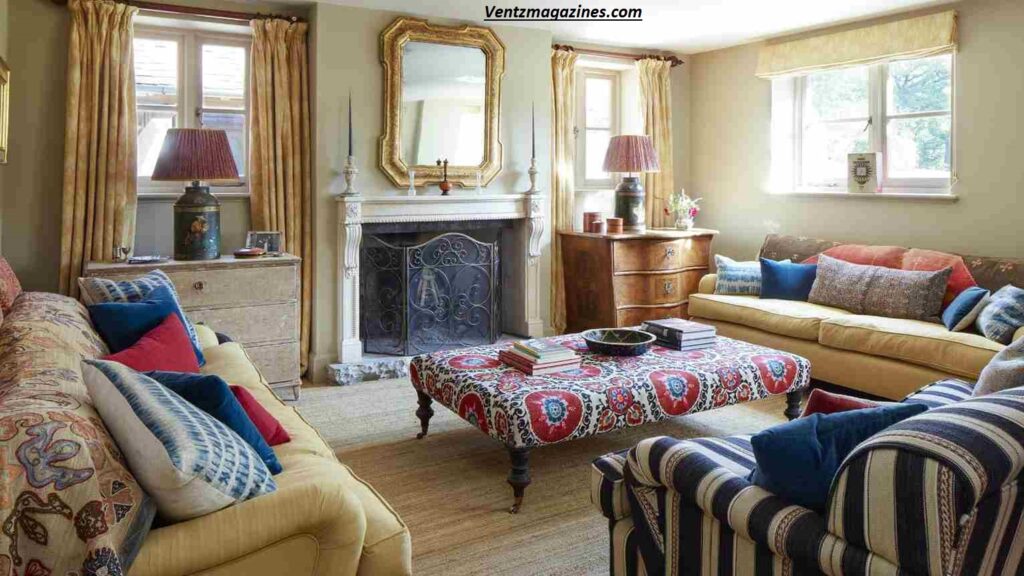
The Role of Colors in Interior Design
Color plays a vital role in interior design because it shapes the overall mood and atmosphere of interior spaces.
A carefully chosen color palette can make rooms feel larger, warmer, calmer, or more energetic. Designers use color psychology to guide these decisions.
For example, soft blues and greens often create peaceful bedrooms, while vibrant yellows can energize kitchens or workspaces.
Colors also influence visual harmony within a room. Designers coordinate wall colors, furniture finishes, fabrics, and decorative elements to create balanced compositions.
When colors work together, the entire space feels cohesive and attractive.
Color also affects spatial perception. Light shades can make small rooms feel more spacious, while darker tones add depth and sophistication to large areas.
This technique is commonly used in modern home design and interior styling.
Another trend in interior design is the use of natural color palettes inspired by nature. Earth tones, soft greens, and warm neutrals create calming environments that support relaxation.
Color also plays an important role in sustainable interior design, as natural pigments and eco-friendly materials become more popular.
Ultimately, color is one of the most powerful tools in interior design. By carefully selecting and combining colors, designers can create spaces that feel beautiful, comfortable, and emotionally engaging.
How Lighting Changes Interior Spaces
Lighting design is one of the most important elements in interior design. It affects both the functionality and aesthetics of a space.
Natural light is often the most desirable form of lighting. Large windows and open layouts allow sunlight to brighten interior spaces and improve the home environment.
Natural light can enhance mood, increase productivity, and make rooms feel more spacious.
Artificial lighting is also essential for creating the right atmosphere. Designers typically use three types of lighting:
- Ambient lighting – general illumination for the entire room
- Task lighting – focused lighting for activities such as reading or cooking
- Accent lighting – decorative lighting that highlights artwork or design features
Combining these lighting layers helps create visual harmony and functional living spaces.
Lighting also enhances home aesthetics by highlighting textures, colors, and architectural features. For example, warm lighting can make living rooms feel cozy, while bright white lighting is often used in kitchens and offices.
Modern homes increasingly incorporate smart home design systems that allow users to control lighting with mobile apps or voice commands. Adjustable lighting improves convenience and energy efficiency.
Because lighting dramatically influences mood, comfort, and functionality, it remains one of the most exciting aspects of interior design.
Modern Interior Design Trends
Interior design constantly evolves as new ideas, technologies, and lifestyle changes shape the way people design their homes.
One of the most popular modern trends is minimalism. Minimalist interiors focus on clean lines, neutral color palettes, and clutter-free spaces. This style promotes simplicity, calmness, and functional living spaces.
Another major trend is sustainable interior design. Many homeowners now prefer eco-friendly materials such as recycled wood, natural fabrics, and energy-efficient lighting systems.
Sustainable design supports environmental responsibility while maintaining stylish interiors.
Smart home design is also transforming modern living spaces. Smart lighting, automated temperature controls, and voice-activated systems allow homeowners to manage their homes more efficiently.
Open-concept layouts are another important design trend. Removing unnecessary walls creates spacious interior environments that encourage social interaction and natural lighting.
Interior styling trends also include bold textures, statement furniture, and artistic decor pieces. Designers often combine vintage and modern elements to create unique visual contrasts.
Finally, many homeowners now prioritize wellness-focused interiors. These designs incorporate natural materials, plants, and calming colors to support mental well-being.
These evolving trends keep interior design fresh, innovative, and endlessly interesting.
Common Interior Design Mistakes
Even though interior design can be exciting, many homeowners make common mistakes that reduce the effectiveness of their spaces.
One of the most frequent errors is poor furniture arrangement. When furniture blocks movement or crowds a room, the space becomes uncomfortable and visually cluttered.
Good spatial planning ensures balanced layouts and easy movement.
Another common mistake is ignoring lighting design. Rooms with insufficient lighting often feel dull and uninviting. Combining natural light with layered artificial lighting can dramatically improve the atmosphere.
Many people also choose incorrect color palettes. Using too many colors or mismatched tones disrupts visual harmony. Designers recommend selecting a cohesive palette that complements the room’s style.
Overdecorating is another problem. Filling a room with too many decorative objects can make it feel chaotic rather than stylish. Minimalist approaches often produce more elegant results.
Ignoring scale and proportion is also a mistake. Large furniture in small rooms can overwhelm the space, while tiny furniture in large rooms looks awkward.
Finally, neglecting functionality can reduce comfort. A beautiful space must also support everyday activities.
Avoiding these mistakes helps homeowners create interior spaces that are both beautiful and practical.
Tips to Make Your Home Look Better
Improving your home’s interior design does not always require major renovations. Small changes can significantly enhance your living environment.
First, focus on decluttering and organization. Removing unnecessary items creates cleaner and more spacious interior spaces. Minimalist approaches often improve both aesthetics and comfort.
Second, update your color palette. Fresh paint or new decorative accents can transform a room’s mood and style. Neutral colors combined with accent shades often create balanced interiors.
Third, improve lighting design. Adding table lamps, floor lamps, or wall lighting can brighten rooms and create a cozy atmosphere.
Rearranging furniture is another effective strategy. Thoughtful furniture arrangement and space planning improve flow and functionality.
Adding plants is also a great design idea. Indoor plants enhance the home environment and bring natural beauty into interior spaces.
Experiment with home decor ideas and interior styling techniques such as textured fabrics, artwork, or decorative mirrors.
Finally, invest in versatile furniture pieces that support multiple uses, especially in smaller homes.
These simple design improvements can transform ordinary rooms into stylish, comfortable, and functional living spaces.
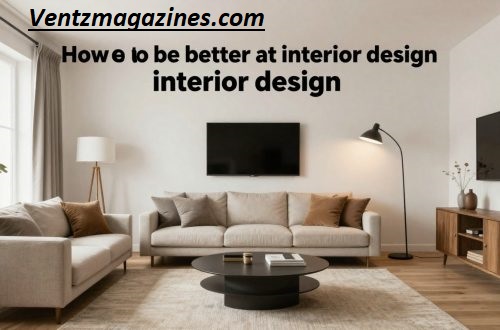
FAQs
Why is interior design important?
Interior design improves comfort, functionality, and home aesthetics by creating well-organized and visually appealing living spaces.
What makes interior design interesting?
Interior design combines creativity, psychology, architecture, and lifestyle needs to transform ordinary spaces into inspiring environments.
How does interior design affect mood?
Colors, lighting design, and spatial planning influence emotions, relaxation, and productivity within a home environment.
What are popular interior design styles?
Popular styles include minimalism, modern home design, Scandinavian interiors, and sustainable interior design.
Can interior design increase home value?
Yes. Good design, improved lighting, modern furniture, and updated decor can significantly increase property appeal and value.
Conclusion
Interior design is interesting because it combines creativity, psychology, technology, and practical living solutions.
From choosing the right color palette to designing functional living spaces, interior design influences how people experience their homes every day.
A well-designed interior environment improves comfort, productivity, and emotional well-being.
Thoughtful lighting design, furniture arrangement, and spatial planning can transform ordinary rooms into inviting and inspiring spaces.
Interior design also allows individuals to express their personalities. Through home decor ideas, interior styling, and decorative elements, homeowners can create spaces that reflect their lifestyle and preferences.
Modern design trends such as minimalism, sustainable interior design, and smart home technology continue to shape the future of interior spaces.
These innovations make homes more efficient, environmentally friendly, and visually appealing.
Most importantly, interior design enhances everyday living. Whether creating relaxing bedrooms, productive home offices, or welcoming living rooms, good design supports the needs of modern life.