
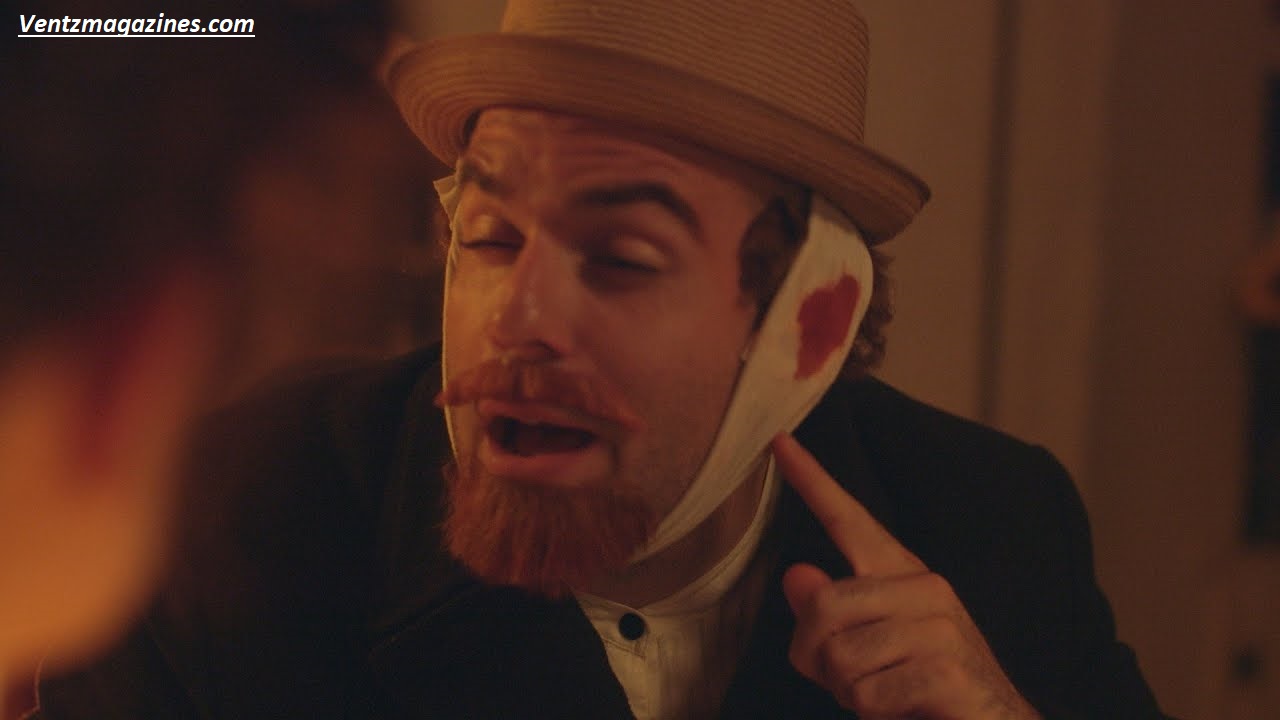
Why Vincent van Gogh Cut Off His Ear? Few moments in art history are as mysterious and dramatic as the night when Vincent van Gogh cut off part of his ear.
The shocking 1888 incident in Arles has fascinated historians, psychologists, and art lovers for more than a century.
Why did this famous Dutch artist commit such a disturbing act? Was it a moment of mental illness, a fight with fellow painter Paul Gauguin, or something deeper tied to his emotional struggles?
At the time, Van Gogh was living in the Yellow House in Arles and dreaming of creating an artistic community with Gauguin.
Instead, their partnership collapsed in a dramatic confrontation that ended with Van Gogh cutting his ear with a razor blade.
This article explores the true story behind Van Gogh’s ear incident, including the timeline, theories, myths, and the impact it had on his art—including the famous painting Self‑Portrait with Bandaged Ear.
By analyzing historical records, letters to his brother Theo van Gogh, and modern research, we can better understand the tragic event that shaped one of the most influential artists in history
Table of Contents
Quick Table
| Topic | Key Details |
|---|---|
| Artist | Vincent van Gogh |
| Profession | Post-Impressionist painter |
| Location of incident | Arles |
| Year | 1888 |
| Known as | Van Gogh ear incident |
| Person involved | Paul Gauguin |
| Aftermath | Hospitalization and mental breakdown |
| Famous painting after event | Self‑Portrait with Bandaged Ear |
| Later treatment | Asylum in Saint‑Rémy‑de‑Provence |
| Most famous work | The Starry Night |
Who Was Vincent van Gogh?
Vincent van Gogh was a Dutch artist and one of the most influential figures in art history.
Born in 1853 in the Netherlands, Van Gogh became known as a post impressionist painter whose bold colors and emotional brushstrokes changed modern art.
Although he struggled with depression, poverty, and mental illness, he created more than 2,000 artworks in just a decade.
His famous paintings include masterpieces like The Starry Night and Sunflowers.
During his lifetime, Van Gogh sold very few paintings and relied heavily on financial support from his brother Theo van Gogh.
Today, however, his work is celebrated worldwide as a turning point in modern art.
The Night Van Gogh Cut Off His Ear
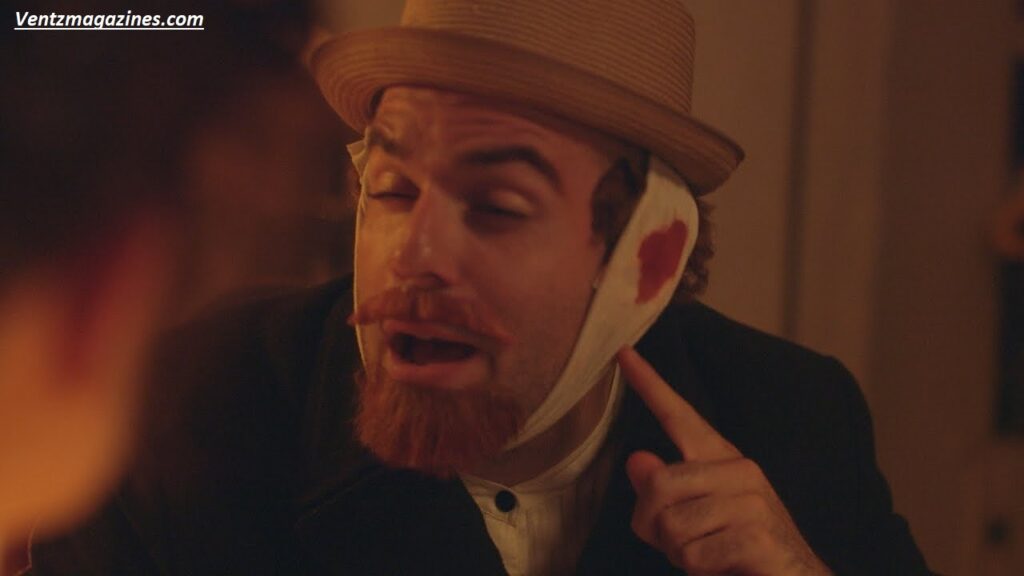
The famous ear incident occurred on December 23, 1888, while Van Gogh was living in the Yellow House in Arles.
At the time, Van Gogh had invited fellow painter Paul Gauguin to stay with him. Van Gogh hoped they could build an artistic community of painters in southern France.
However, their personalities clashed almost immediately.
Gauguin was confident, structured, and analytical. Van Gogh was emotional, passionate, and unpredictable. The tension between them grew over weeks of disagreements about painting styles, philosophy, and daily life.
On the night of the 1888 incident, their conflict escalated into a heated argument. Gauguin reportedly threatened to leave Arles.
Van Gogh experienced what historians describe as a mental breakdown.
Later that night, he returned to the Yellow House alone and used a razor blade to cut off part of his left ear. This act of ear mutilation shocked the town and became one of the most dramatic events in art history.
The Argument With Paul Gauguin
The relationship between Vincent van Gogh and Paul Gauguin was both creative and explosive.
Van Gogh admired Gauguin’s artistic vision and believed they could build a new artistic movement together. Gauguin agreed to stay in Arles but quickly grew frustrated with Van Gogh’s emotional instability and intense personality.
Their disagreements included:
- Different artistic philosophies
- Conflicts over money
- Personal tension and jealousy
- Van Gogh’s mental health struggles
According to some accounts, the final argument occurred during a walk in Arles. Gauguin later said Van Gogh chased him with a razor before calming down.
After the confrontation, Gauguin decided to leave immediately. Van Gogh returned home devastated.
That night, in a moment of emotional crisis, the ear incident occurred.
What Did Van Gogh Do With His Ear?
After cutting off a portion of his ear with a razor blade, Vincent van Gogh wrapped the severed ear in paper and left the Yellow House.
Historical reports suggest that Van Gogh walked to a nearby brothel in Arles. There, he reportedly handed the ear to a woman named Rachel and told her to “keep this object carefully.”
The shocking act stunned the locals. Soon after, Van Gogh collapsed and was discovered unconscious the next morning.
Police officers brought him to the hospital in Arles, where doctors treated his severe injury and monitored his mental condition. Witnesses described him as confused and suffering from extreme emotional distress.
The event became known as the Van Gogh ear incident, one of the most famous examples of ear mutilation in cultural history.
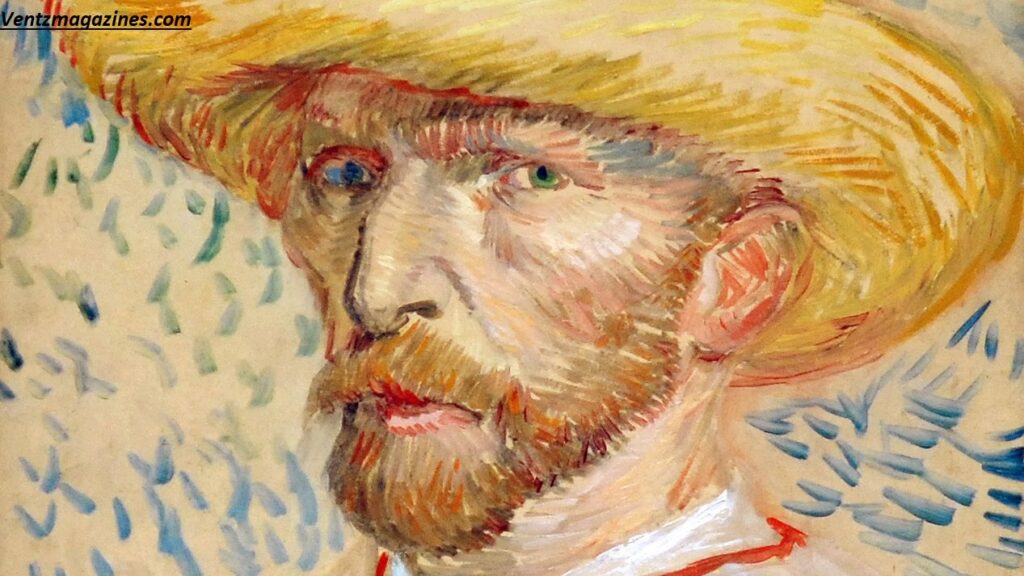
Shortly after leaving the hospital, Van Gogh painted Self‑Portrait with Bandaged Ear, a haunting image that shows him with a bandage wrapped around his head.
The painting offers a powerful glimpse into the emotional turmoil of the post impressionist painter, revealing both vulnerability and resilience.
Today, the story remains one of the most discussed moments in art history.
5 Theories About Why Van Gogh Cut Off His Ear
Historians and psychologists have debated the reason behind Van Gogh’s ear incident for decades. Because there were few witnesses, the exact cause remains uncertain.
Several theories attempt to explain the dramatic act.
These include:
- A severe mental illness episode
- A violent argument with Paul Gauguin
- Emotional distress related to Theo van Gogh
- Heavy absinthe drinking and alcohol abuse
- A form of self punishment
Each theory offers insight into the psychological struggles of the Dutch artist, but historians believe the truth may involve a combination of these factors.
Mental health breakdown
Many scholars believe Van Gogh suffered from serious mental illness, including depression, bipolar disorder, or epilepsy.
Living in Arles, Van Gogh experienced intense emotional highs and lows. His letters to Theo van Gogh reveal periods of deep sadness, anxiety, and confusion.
The stress of artistic ambition, financial problems, and loneliness likely contributed to a mental breakdown.
Doctors today believe his symptoms may have included hallucinations, seizures, and severe mood swings.
The ear incident could have occurred during one of these episodes, when Van Gogh temporarily lost control of his actions.
Fight with Gauguin
Another popular theory suggests the incident was linked to Van Gogh’s conflict with Paul Gauguin.
The two artists had argued repeatedly about art, money, and personality differences while living in the Yellow House.
Some historians believe Gauguin may have threatened to leave Arles permanently, which deeply upset Van Gogh.
Others even suggest Gauguin accidentally injured Van Gogh during a sword fight and the two men covered up the truth.
Although this theory remains controversial, it highlights the intense tension between the two post impressionist painters.
Theo’s wedding news
Theo van Gogh was Vincent’s closest supporter and financial lifeline.
Some historians believe Van Gogh became distressed when he learned Theo was planning to marry.
Van Gogh feared losing his brother’s emotional and financial support. Without Theo, he worried he would be completely alone.
The stress of this news may have triggered feelings of abandonment and despair.
Combined with his fragile mental state, this emotional shock could have contributed to the 1888 incident and the tragic ear mutilation that followed.
Alcohol and absinthe
Van Gogh was known to drink large amounts of alcohol, especially absinthe, while living in Arles.
Absinthe drinking was common among artists at the time, but excessive use could cause hallucinations, seizures, and psychological instability.
Many historians believe Van Gogh’s heavy drinking worsened his mental illness and contributed to his breakdown.
Alcohol may have intensified his emotions and reduced his ability to control impulses.
As a result, the combination of stress, alcohol, and exhaustion may have pushed the Dutch artist toward the extreme act of cutting off his ear.
Self punishment theory
Some experts believe the act may have been a form of self punishment.
Van Gogh often blamed himself for conflicts with others, especially his argument with Paul Gauguin.
Feeling guilty and ashamed, he may have harmed himself as a way of expressing remorse.
Psychologists note that individuals suffering from severe depression sometimes engage in self-destructive behavior during moments of emotional crisis.
If this theory is correct, the severed ear symbolized Van Gogh’s intense internal struggle rather than an act of violence toward others.
Did Van Gogh Cut Off His Whole Ear?
One of the biggest myths in art history is that Vincent van Gogh cut off his entire ear.
In reality, historical evidence suggests he removed only part of his left ear—most likely the lower section known as the earlobe.
Medical reports from the hospital in Arles describe a severe injury but not the complete loss of the ear.
However, the dramatic story of a severed ear quickly spread throughout Europe, leading many people to believe the entire ear had been removed.
The myth was reinforced by Van Gogh’s famous painting Self‑Portrait with Bandaged Ear, which shows a large bandage covering the side of his head.
Because the bandage covers the ear completely, viewers often assume the whole ear was gone.
In reality, the injury was serious but not total.
Still, the shocking nature of the ear mutilation made the story one of the most famous legends surrounding the post impressionist painter.
What Happened After the Incident?
After the ear incident, the people of Arles became increasingly worried about Van Gogh’s behavior.
Local residents even signed a petition asking authorities to remove him from the Yellow House.
Van Gogh was hospitalized several times and continued to suffer from mental illness and emotional instability.
Eventually, he voluntarily entered a psychiatric asylum in Saint‑Rémy‑de‑Provence.
Surprisingly, this difficult period became one of the most productive times in his artistic career.
While staying at the asylum, Van Gogh created more than 150 paintings, including the masterpiece The Starry Night.
Despite his struggles with depression, Van Gogh remained deeply committed to painting.
His intense colors and emotional brushstrokes helped define the post impressionist movement, influencing countless artists in the future.
How the Ear Incident Changed Art History
The 1888 incident dramatically shaped the legacy of Vincent van Gogh.
At the time, many people saw him as unstable and dangerous. However, modern historians recognize that his struggles with mental illness influenced the emotional depth of his art.
Paintings created after the incident often display intense colors, swirling movement, and powerful emotional expression.
Works such as The Starry Night became iconic symbols of artistic passion and psychological depth.
The story of the severed ear also transformed Van Gogh into a cultural legend.
Today, his life story is studied in art history, psychology, and cultural studies.
The dramatic combination of genius and suffering continues to fascinate audiences around the world.
Ironically, although Van Gogh struggled during his lifetime, his famous paintings are now among the most valuable artworks ever created.
Myths vs Facts About Van Gogh’s Ear
| Myth | Fact |
|---|---|
| Van Gogh cut off his entire ear | Only part of the ear was removed |
| He did it without reason | Multiple psychological and emotional factors likely contributed |
| Gauguin had nothing to do with it | Their argument may have played a major role |
| The act ended his artistic career | He produced many famous paintings afterward |
| The incident is fully understood | Historians still debate the exact cause |
The ear incident remains one of the greatest mysteries in art history.
Although historians have studied letters, medical reports, and witness accounts, the exact reason behind the act may never be fully known.
What is clear, however, is that the event reflects the intense emotional struggles faced by the Dutch artist.

FAQs About Van Gogh’s Ear
Did Van Gogh really cut off his ear?
Yes, historical records confirm he cut off part of his left ear.
Where did the incident happen?
In Arles in 1888.
Who was involved in the argument?
Painter Paul Gauguin.
What painting shows his injury?
Self‑Portrait with Bandaged Ear.
Where was Van Gogh treated afterward?
At an asylum in Saint‑Rémy‑de‑Provence.
Conclusion
The story of why Vincent van Gogh cut off his ear remains one of the most dramatic and mysterious moments in art history.
The 1888 incident in Arles involved emotional turmoil, artistic pressure, and a troubled relationship with Paul Gauguin. Combined with mental illness, depression, and heavy absinthe drinking, these factors likely contributed to Van Gogh’s shocking act of ear mutilation.
Despite this tragic moment, Van Gogh continued creating extraordinary art. Works like The Starry Night and Self‑Portrait with Bandaged Ear demonstrate the depth of his emotional expression and artistic vision.
Today, Van Gogh is celebrated as one of the greatest post impressionist painters and one of the most influential Dutch artists in history.
The ear incident, though disturbing, reminds us of the human struggles behind artistic genius. It also highlights the importance of understanding mental health and the challenges faced by creative individuals.
More than a century later, Van Gogh’s story continues to inspire curiosity, empathy, and admiration around the world.