
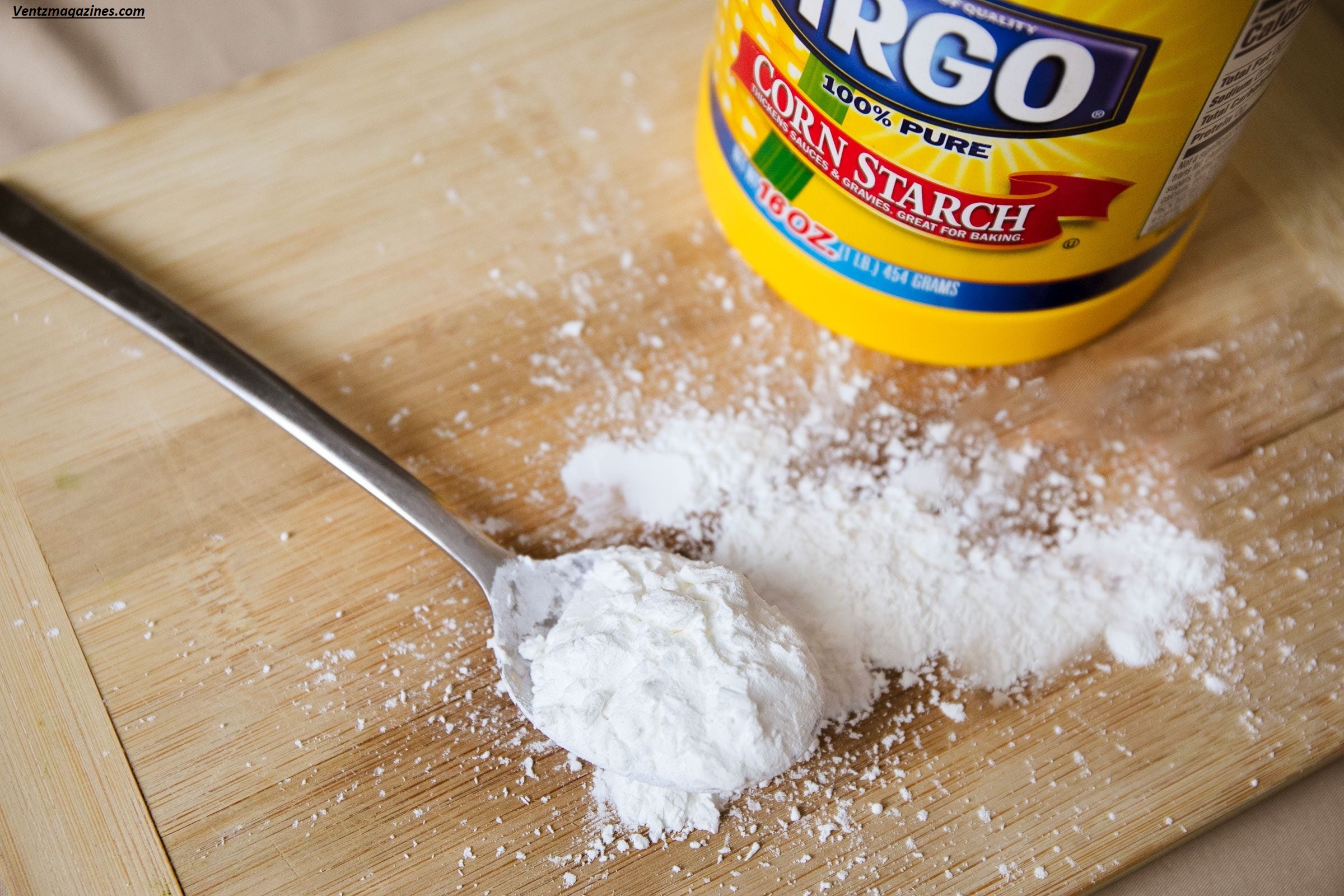
Why Do People Eat Corn Starch? People eat cornstarch for different reasons, both practical and unusual.
It is commonly used in cooking as a thickening agent for soups, sauces, and desserts because it gives a smooth texture.
Some people consume it as a quick source of carbohydrates since it is easily digested and provides fast energy.
However, craving and eating raw cornstarch can be a sign of pica, a condition often linked to iron deficiency or anemia. In certain cultures, people enjoy its powdery texture.
Eating small amounts in food is safe, but regularly consuming raw cornstarch may indicate an underlying health issue.
Table of Contents
Quick Table
| Topic | Key Insight |
|---|---|
| Main Reason | Often linked to pica disorder (amylophagia) |
| Nutritional Cause | Iron deficiency anemia is the most common trigger |
| Other Causes | Pregnancy, stress, mental health conditions |
| Safe to Eat? | Small amounts may be harmless, but regular intake is risky |
| Major Risks | Digestive issues, weight gain, nutrient imbalance |
| Warning Signs | Strong cravings, compulsive eating, non-food cravings |
| Solution | Treat deficiency, manage stress, medical support |
| When to Act | If cravings are frequent or uncontrollable |
What Is Corn Starch?
Corn starch is a fine, white powder made from the inner part of corn kernels. It is commonly used as a thickening agent in cooking, especially in sauces, soups, and desserts.
While it is safe to eat when cooked, eating raw cornstarch is very different. It contains mostly carbohydrates and provides little to no nutritional value.
Despite this, some people develop a strong habit of consuming it directly.
This behavior is often linked to unusual eating habits, texture craving, or underlying nutritional deficiencies, making it more than just a simple food preference.
Why Do People Eat Corn Starch?
People eat corn starch for several surprising reasons.
The most common cause is a condition called pica disorder, where individuals experience non-food cravings such as starch, clay, or ice.
In many cases, this behavior is linked to iron deficiency anemia or other mineral deficiencies like zinc deficiency. Some individuals are drawn to the dry, powdery texture, which creates a unique texture craving.
Others may turn to it due to stress, anxiety, or a deeper mental health condition.
This combination of physical and psychological factors explains why cornstarch cravings can feel so strong and hard to ignore.
Pica Disorder Explained
Pica disorder (also known as Pica) is a condition where a person craves and consumes non-food substances. One specific type is amylophagia, which refers to the craving for starch, including corn starch.
This is not just a habit—it is often a form of compulsive eating linked to underlying health issues. People with pica may not fully understand why they feel these urges, but their body is often signaling a deeper imbalance.
This condition is especially common in children and pregnant women but can affect anyone.
Recognizing pica is important because it often points to nutritional deficiencies or a hidden medical problem.
Iron Deficiency
One of the strongest explanations for eating corn starch is iron deficiency anemia. When the body lacks iron, it can lead to unusual cravings, including eating raw cornstarch.
This happens because the brain’s signals change, causing a desire for non-nutritive substances. Many people with iron deficiency anemia also experience fatigue, pale skin, and weakness.
A simple blood test / diagnosis can confirm this condition. Treating the deficiency often reduces or completely eliminates the cravings.
This is why addressing mineral deficiency is one of the most effective ways to stop cornstarch cravings.
Pregnancy Cravings
During pregnancy, many women experience unusual and intense cravings. While food cravings are common, some develop non-food cravings, including corn starch.
These pregnancy cravings may be linked to hormonal changes or underlying nutritional deficiencies, especially low iron levels.
In some cases, it may also be related to pica disorder. Pregnant women may feel drawn to the texture or dryness of corn starch, creating a strong texture craving.
However, this behavior should not be ignored, as it may signal a need for medical evaluation and proper nutritional support.
Stress & Mental Health
Stress and emotional factors can also play a major role. Some people use starch consumption as a coping mechanism for anxiety or emotional discomfort.
This can develop into compulsive eating behavior over time. In certain cases, it may be linked to a broader mental health condition, such as anxiety disorders or obsessive tendencies.
The repetitive act of eating corn starch may feel calming, especially for those dealing with stress.
However, this habit can quickly turn into a cycle that is difficult to break, especially when combined with nutritional deficiencies or other physical triggers.
Is It Safe to Eat Corn Starch?
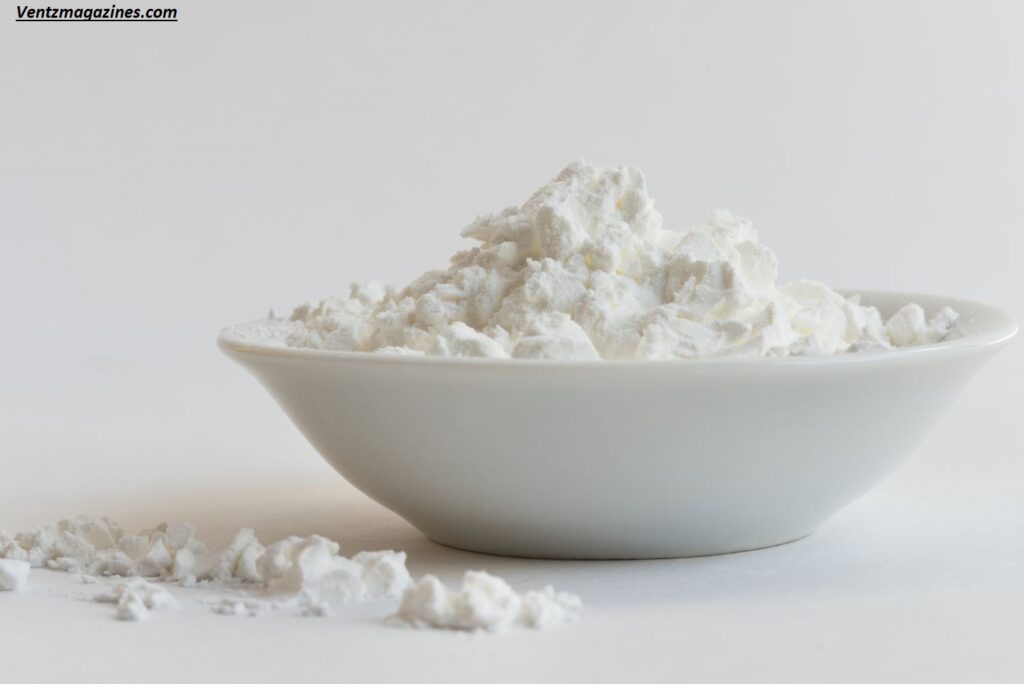
Eating corn starch in small amounts, especially when used in cooking, is generally safe. However, eating raw cornstarch regularly is not considered safe.
While it may seem harmless, it lacks essential nutrients and can lead to imbalances in your diet.
Frequent starch consumption may also interfere with your body’s ability to absorb important vitamins and minerals.
One of the main concerns is that people who eat corn starch often replace real food with it. This can worsen existing nutritional deficiencies, especially iron deficiency anemia or zinc deficiency.
Over time, this can lead to fatigue, weakness, and other health problems.
Additionally, consuming raw corn starch in large amounts can cause digestive issues such as bloating, constipation, and discomfort. Some individuals may also develop dependency-like patterns, turning it into a form of compulsive eating.
While an occasional taste may not be harmful, regular consumption is a sign that something deeper is going on.
If you find yourself craving it often, it’s important to look beyond the habit and identify the root cause, whether it’s physical or psychological.
Health Risks You Should Know
Regularly eating corn starch can lead to several serious health risks.
The most immediate issue is poor nutrition. Since corn starch contains mostly empty calories, it does not provide the vitamins and minerals your body needs.
This can worsen nutritional deficiencies, including iron deficiency anemia and zinc deficiency.
Another major concern is weight gain. High starch consumption can lead to excess calorie intake, which may increase the risk of obesity over time.
Additionally, it can spike blood sugar levels, making it especially risky for individuals with diabetes or insulin resistance.
Digestive problems are also common.
Eating large amounts of raw corn starch can cause digestive issues such as gas, bloating, and constipation. In some cases, it may even lead to more serious gastrointestinal discomfort.
There are also psychological risks. When corn starch consumption becomes a form of compulsive eating, it may indicate an underlying mental health condition.
This can create a cycle where emotional stress leads to cravings, and cravings lead to more stress.
Understanding these risks is essential. What may seem like a harmless habit can quickly develop into a serious health concern if left unchecked.
Signs You May Have a Problem
It can be difficult to tell when a simple craving turns into a problem. However, there are clear warning signs that your cornstarch cravings may be linked to something more serious.
One of the biggest signs is frequent or uncontrollable urges to eat corn starch. If you feel compelled to consume it daily or in large amounts, this may indicate pica disorder (amylophagia) or another form of compulsive eating.
Another sign is craving other non-food items, such as ice, chalk, or clay. These non-food cravings are strongly associated with nutritional deficiencies, especially iron deficiency anemia.
Physical symptoms can also provide clues. Fatigue, weakness, pale skin, and dizziness may point to a mineral deficiency. These symptoms often appear alongside unusual eating habits.
Emotional dependence is another red flag. If you use corn starch to cope with stress or anxiety, it may be linked to a mental health condition.
Finally, if your eating habits are interfering with your daily life or nutrition, it’s time to take it seriously. Recognizing these signs early can help you address the issue before it becomes more severe.

How to Stop Cornstarch Cravings
Stopping cornstarch cravings requires addressing both physical and psychological causes. The first step is to identify whether you have a nutritional deficiency.
A simple blood test / diagnosis can reveal if you have iron deficiency anemia or zinc deficiency. Treating these conditions often reduces cravings significantly.
Improving your diet is also essential. Focus on foods rich in iron, such as leafy greens, lean meats, and legumes. This helps restore balance and reduces the urge for non-food cravings.
If your cravings are linked to stress, finding healthier coping mechanisms is important. Activities like exercise, meditation, or talking to someone can help manage emotional triggers. This reduces the risk of compulsive eating.
Behavioral strategies can also help. Try replacing corn starch with healthier alternatives that satisfy the same texture craving, such as crunchy or dry snacks.
In more serious cases, professional support may be needed. If the habit is linked to a mental health condition or pica disorder, therapy can be highly effective.
The key is to treat the root cause—not just the symptom. Once the underlying issue is resolved, the cravings usually fade.
When to See a Doctor
You should consider seeing a doctor if your cravings for corn starch are frequent, intense, or difficult to control. This is especially important if you suspect pica disorder or amylophagia.
A healthcare professional can perform a blood test / diagnosis to check for iron deficiency anemia or other mineral deficiencies.
If you are experiencing symptoms like fatigue, dizziness, or weakness, it’s a strong sign that your body may be lacking essential nutrients. These symptoms should not be ignored.
Pregnant women with non-food cravings should always consult a doctor, as it may affect both maternal and fetal health. Addressing pregnancy cravings early can prevent complications.
You should also seek help if your eating habits are linked to stress, anxiety, or a mental health condition. A doctor or therapist can help you develop healthier coping strategies and break the cycle of compulsive eating.
Getting professional help is not just about stopping the habit—it’s about protecting your overall health and well-being.

FAQs
Why do I crave corn starch?
It is often linked to iron deficiency anemia, pica disorder, or a texture craving.
Is eating raw cornstarch dangerous?
Yes, regular consumption can lead to health risks and digestive issues.
What is amylophagia?
It is a type of pica disorder where people crave and eat starch.
Can pregnancy cause cornstarch cravings?
Yes, pregnancy cravings may include non-food items due to hormonal or nutritional changes.
How do I stop craving corn starch?
Treat nutritional deficiencies, manage stress, and seek medical advice if needed.
Conclusion
Eating corn starch may seem like a strange or harmless habit, but it often signals something deeper.
Whether it’s pica disorder, iron deficiency anemia, pregnancy cravings, or a mental health condition, the body is trying to communicate an imbalance.
These unusual eating habits are not random—they are often rooted in real physical or emotional needs.
The biggest mistake people make is ignoring these signals.
Regular starch consumption without understanding the cause can lead to serious health risks, including worsening nutritional deficiencies, digestive issues, and even long-term health problems.
The good news is that this condition is treatable. With the right diagnosis, proper nutrition, and emotional support, most people can overcome cornstarch cravings completely.
If you or someone you know struggles with this habit, don’t dismiss it. Pay attention to the signs, take action early, and seek professional help if needed.
Understanding the root cause is the first step toward better health—and breaking free from this unusual but important condition.