
Why Do People Cheat? People cheat for a variety of emotional, psychological, and situational reasons.
One common cause is dissatisfaction in a relationship, such as lack of intimacy, communication, or emotional connection.
Some individuals seek validation, excitement, or attention they feel is missing. Others may act impulsively due to opportunity, temptation, or poor boundaries.
Personal issues like low self-esteem, fear of commitment, or unresolved past experiences can also play a role.
In some cases, cheating reflects deeper relationship problems, while in others it stems from individual choices.
Understanding the underlying reasons can help address issues and improve relationship trust and communication.
Table of Contents
Quick Table
| Factor | Explanation | Related Keywords |
|---|---|---|
| Emotional Needs | Lack of emotional connection leads to seeking others | unmet needs, emotional cheating |
| Sexual Dissatisfaction | Unfulfilled sexual desire | intimacy, sexual desire |
| Self-Esteem | Need for attention or validation | low self-esteem, validation |
| Opportunity | Situations make cheating easier | opportunity, partner behavior |
| Anger/Revenge | Emotional reaction to hurt | relationship problems |
| Commitment Issues | Fear of long-term attachment | commitment issues, attachment style |
| Variety | Desire for excitement | boredom in relationships |
| Falling Out of Love | Loss of emotional bond | relationship dissatisfaction |
What Is Cheating in a Relationship?
Cheating, also known as infidelity, happens when someone breaks the trust in a romantic relationship by forming a deep emotional or physical connection with another person.
It’s not always about sex. In many cases, emotional cheating—sharing intimacy, secrets, or affection with someone outside the relationship—can hurt just as much.
In modern relationships, cheating can take many forms. It may include physical intimacy, online relationships, flirting, or even hiding conversations.
What defines cheating often depends on boundaries set by both partners. That’s why communication issues play a major role. When expectations aren’t clear, misunderstandings happen.
At its core, cheating damages trust issues and weakens the emotional connection between partners. It creates confusion, pain, and often long-term relationship problems.
Many people assume cheating only happens in unhappy relationships, but that’s not always true.
Understanding what cheating really means is important before asking why it happens.
It’s not just about actions—it’s about broken agreements, hidden intentions, and unmet emotional or psychological needs within a romantic relationship.

Why Do People Cheat?
So, why do people cheat? The answer is more complex than most think. Cheating is rarely caused by just one reason. Instead, it’s usually a mix of emotional, psychological, and situational factors.
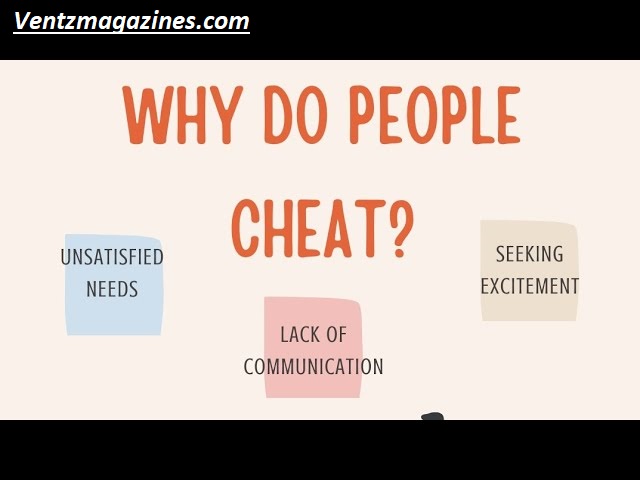
Many people cheat because of unmet needs. These could be emotional needs, like lack of attention or appreciation, or physical needs related to intimacy and sexual desire.
When these needs are ignored over time, people may look elsewhere to feel fulfilled.
Another major factor is relationship dissatisfaction. When someone feels disconnected, bored, or unhappy, they may seek excitement or comfort outside the relationship.
This is especially common when there are unresolved communication issues or ongoing relationship problems.
Psychological aspects also play a role. People with low self-esteem may cheat to gain validation and feel desired.
Others struggle with commitment issues or certain attachment styles, making it hard for them to stay loyal.
Finally, sometimes it comes down to opportunity. When the chance arises and boundaries are weak, some individuals give in to temptation.
The truth is, cheating isn’t always about the partner—it often reflects deeper internal struggles and unmet emotional needs.
Unmet Emotional Needs
One of the biggest reasons behind infidelity is unmet emotional needs. When a person feels ignored, unappreciated, or emotionally disconnected, they start craving attention and understanding elsewhere.
A lack of emotional connection can slowly damage a relationship, leading to emotional cheating.
People want to feel heard, valued, and supported. When these basic emotional needs aren’t met, frustration builds.
Over time, this can create distance and weaken intimacy. Instead of fixing communication issues, some individuals look outside the relationship for comfort, validation, and connection, increasing the risk of cheating.
Lack of Sexual Satisfaction
Another common cause is lack of sexual satisfaction. Physical intimacy is an important part of a healthy romantic relationship. When sexual desire is mismatched or ignored, it can lead to frustration and dissatisfaction.
Over time, this can create emotional distance and increase temptation. Some individuals may seek physical fulfillment outside the relationship rather than addressing the issue directly.
This often happens when communication issues prevent honest discussions about needs and desires.
It’s important to understand that sexual dissatisfaction alone doesn’t justify cheating, but it can be a strong contributing factor when combined with other relationship problems.
Low Self-Esteem & Validation
People with low self-esteem often seek attention and validation from others. Cheating can temporarily boost their confidence and make them feel attractive or valued.
This behavior is usually linked to deeper psychological issues. Instead of finding self-worth internally, they rely on external validation. This can lead to repeated patterns of infidelity.
In many cases, partner behavior may seem confusing because the cheating isn’t about dissatisfaction in the relationship—it’s about personal insecurity.
Without addressing these inner struggles, the cycle continues, damaging trust and emotional connection in the relationship.
Opportunity & Situational Factors
Sometimes, cheating happens simply because of opportunity.
When someone is placed in situations where temptation is high—like close interactions with coworkers or online connections—it becomes easier to cross boundaries.
If a person already has weak commitment or unresolved relationship problems, the chances increase. Alcohol, distance, or lack of accountability can also influence decisions.
In these situations, it’s not always planned. Instead, poor judgment and lack of boundaries lead to infidelity. Strong communication and clear relationship expectations can reduce these risks significantly.
Anger or Revenge
Cheating is sometimes driven by anger or revenge. When someone feels hurt, betrayed, or ignored, they may cheat as a way to “get back” at their partner.
This reaction is often emotional rather than rational. Instead of resolving relationship problems, the person chooses actions that create even more damage. It may provide temporary satisfaction, but it usually leads to regret.
Revenge cheating highlights deeper trust issues and unresolved conflict. Without addressing the root cause—communication issues and emotional pain—the relationship becomes even more unstable.

Commitment Issues
Commitment issues are a major factor in cheating. Some people struggle with long-term relationships due to fear of losing freedom or getting hurt.
This is often linked to their attachment style. For example, avoidant individuals may distance themselves emotionally and seek connections outside the relationship.
Even when they care about their partner, they may find it difficult to stay loyal. This creates confusion and instability in the relationship.
Without self-awareness and effort, commitment issues can lead to repeated infidelity and ongoing relationship dissatisfaction.
Desire for Variety
Some people cheat because they crave variety and excitement. Over time, relationships can feel routine, leading to boredom in relationships.
Instead of working to rebuild intimacy, they seek new experiences elsewhere. This desire for novelty can be driven by personality traits or lack of emotional fulfillment.
While it may seem harmless at first, it often leads to broken trust and deeper relationship problems. True satisfaction comes from strengthening the emotional connection, not escaping it.
Falling Out of Love
Sometimes, people cheat because they’ve emotionally checked out of the relationship. When love fades, so does commitment.
This often happens gradually due to unresolved communication issues, lack of intimacy, or ongoing dissatisfaction. As emotional connection weakens, the person becomes more open to forming connections elsewhere.
Falling out of love doesn’t always lead to cheating, but it increases the risk. Instead of ending the relationship honestly, some individuals choose infidelity, causing more pain and confusion for both partners.
Psychological Reasons Behind Cheating
Cheating is deeply connected to psychology. Factors like attachment style, past trauma, and personality traits all influence behavior in relationships.
For example, people with insecure attachment styles may struggle with trust issues and emotional connection. They may fear abandonment or avoid closeness, leading to unhealthy relationship patterns.
Dopamine also plays a role. New relationships create excitement and pleasure, making cheating feel rewarding in the moment. This explains why some people chase the “thrill” despite knowing the consequences.
Cognitive dissonance is another factor. People justify their actions to avoid guilt. They may blame their partner or minimize the impact of their behavior.
Understanding these psychological factors helps explain why cheating isn’t always logical—it’s often emotional, impulsive, and rooted in deeper issues.

Signs Your Partner Might Cheat
Recognizing changes in partner behavior can help identify potential issues early. While these signs don’t always mean cheating, they often point to underlying relationship problems.
One common sign is emotional distance. If your partner suddenly becomes less communicative or avoids spending time together, it may indicate a loss of emotional connection.
Increased secrecy is another red flag. This includes hiding phones, changing passwords, or being vague about their whereabouts. These behaviors often create trust issues.
You may also notice changes in intimacy. Either a sudden increase or decrease in physical affection can signal something is off. Additionally, frequent arguments or defensiveness may suggest guilt or internal conflict.
Another sign is a shift in routine. If your partner is suddenly “busy” more often or spending time with new people, it’s worth paying attention.
However, it’s important not to jump to conclusions. Open communication is key. Addressing concerns early can prevent misunderstandings and help resolve deeper issues before they escalate.
Can a Relationship Survive Cheating?
Yes, a relationship can survive cheating—but it’s not easy. It requires effort, honesty, and commitment from both partners.
The first step is rebuilding trust. This takes time and consistent actions. The person who cheated must take responsibility and show genuine remorse. Without this, healing is difficult.
Open communication is essential. Both partners need to discuss what went wrong, including unmet needs, communication issues, and emotional disconnection. Avoiding these conversations only leads to more problems.
Couples therapy can also help. A professional can guide both partners through the healing process and address underlying psychological issues.
Forgiveness is another important factor, but it doesn’t mean forgetting. It means choosing to move forward while learning from the experience.
Not all relationships survive infidelity, and that’s okay. Sometimes, cheating reveals deeper incompatibilities. But in cases where both partners are willing to work, it can lead to a stronger, more honest relationship.
FAQ’s
Why do people cheat even if they love their partner?
Because of unmet needs, low self-esteem, or psychological factors—not always lack of love.
Is emotional cheating as serious as physical cheating?
Yes, emotional cheating can damage trust and emotional connection just as deeply.
Can cheating be prevented?
Strong communication, emotional connection, and clear boundaries can reduce risk.
Do all cheaters cheat again?
Not always. It depends on self-awareness and willingness to change.
What hurts more—emotional or physical cheating?
It depends on the person, but emotional betrayal often cuts deeper.
Conclusion
Cheating is a complex issue that goes far beyond simple attraction or desire. As we’ve seen, it’s often driven by a mix of unmet needs, relationship dissatisfaction, low self-esteem, and psychological factors.
Understanding these reasons doesn’t excuse infidelity, but it helps explain why it happens.
Most importantly, cheating highlights deeper relationship problems—lack of communication, weak emotional connection, and unresolved trust issues.
These are the real areas that need attention.
The “shocking truth” is that cheating isn’t always about the other person. It’s often about what’s missing within the individual or the relationship itself.
Ignoring these issues only increases the chances of infidelity.
If you’re in a relationship, the best way to prevent cheating is through honest communication, emotional intimacy, and mutual respect.
And if cheating has already happened, it’s still possible to rebuild—but only with effort and commitment.
At the end of the day, understanding why people cheat can help you build stronger, healthier relationships—and avoid the pain that comes with broken trust.